
The Africa variety is a plant with a number of unique characteristics, making it a popular choice for gardeners. Agronomists are drawn to the unique characteristics, planting guidelines, and easy care of this eggplant, which boasts abundant fruit production.
Description of the Eggplant Africa variety
The bushes are strong and compact, with sturdy stems. They can reach a height of 90-100 cm, forming a dense and stable crown. The bushes are covered with medium-sized, dark green leaves, giving them an aesthetically pleasing and healthy appearance.
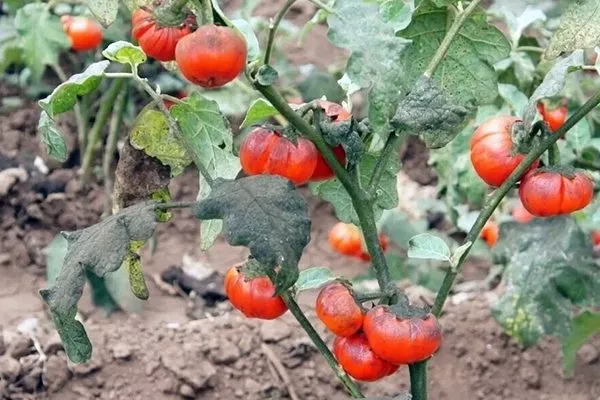
Characteristics
The Africa variety generally tolerates adverse winter conditions, such as low temperatures and frosts, well. The plant has good drought tolerance, allowing it to easily withstand periods of low moisture.
Regular watering and maintaining optimal soil moisture will keep the plants healthy during periods of drought. This variety has average resistance to diseases and insect pests.
Purpose and taste
The African eggplant is a versatile plant with numerous culinary and nutritional uses. Its vibrant orange fruits are not only attractive but also have excellent flavor and nutritional properties.
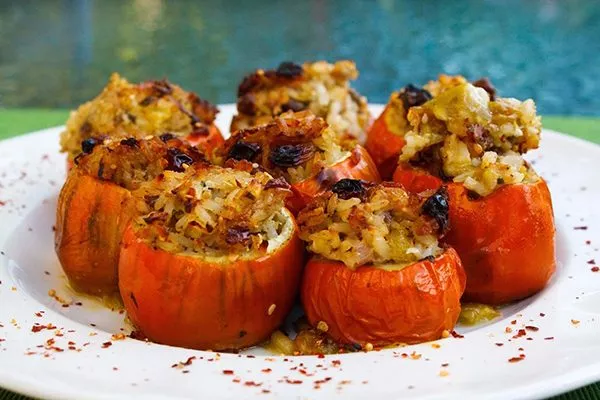
Purpose:
- Culinary use. The fruits are excellent for a variety of culinary uses. They can be fried, baked, boiled, grilled, or used in salads and appetizers.
- Decorative use. Thanks to their bright orange color, eggplants can be used to decorate dishes and serve tables.
The fruits of this variety can be canned, pickled or frozen for long-term storage.
Ripening time
Characterized by an extremely short ripening period, the harvest can be completed in just 70 days from germination, allowing you to enjoy fresh fruit as early as early summer.
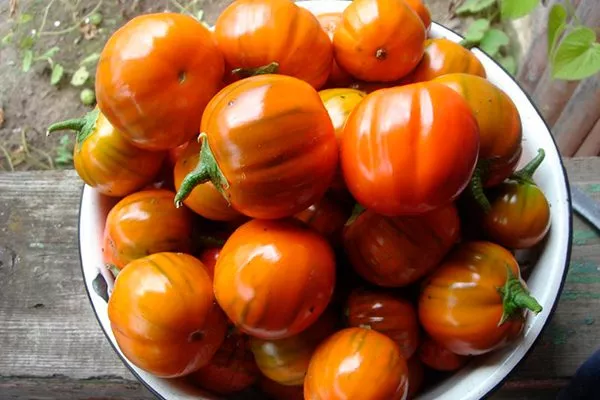
On average, gardeners get 6-8 kg of ripe vegetables per square meter, with yields sometimes reaching 10 kg. This high yield is attractive to gardeners.
Growing and care
Planting "blue" cherries is an important step in successfully growing this variety. Sow seeds in pre-prepared pots or directly into the ground after the last frost. Sowing depth is approximately 1 cm for seedlings and 2 cm for open beds.
- ✓ Optimum soil temperature for sowing seeds: not lower than +15°C.
- ✓ The need for pre-sowing treatment of seeds with a fungicide to prevent fungal diseases.
Provide optimal growing conditions for the seedlings: warmth, light, and moderate watering. Once they reach the desired height and the threat of frost has passed, transplant them outdoors.
When planting seedlings in open ground, consider several important points:
- Choose a sunny location with well-drained soil. Eggplants thrive in warm conditions, so the location should be protected from cold drafts.
- Prepare the soil by adding organic fertilizer or compost to enrich it. Ensure the soil has a neutral pH.
- Maintain a distance of approximately 50-70 cm between plantings to ensure they have enough space to grow and develop.
- Plant the seedlings approximately 10-15 cm deep, leaving only the top above the soil.
- After planting, fertilize the seedlings with a complex composition to provide them with the necessary nutrients.
- Water the plants generously.
- If there is a risk of night frosts, use covers or agrofibre to protect seedlings.
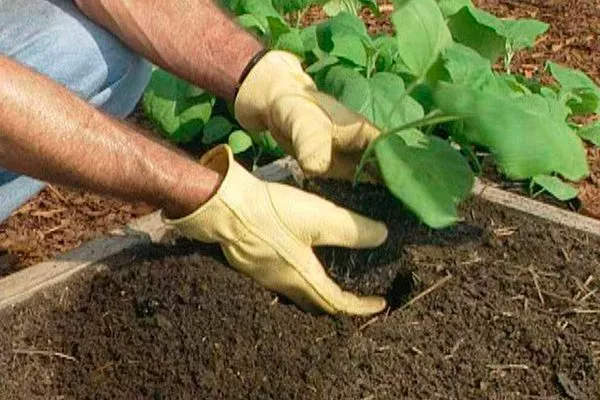
Care includes a number of important steps that will help ensure healthy growth and a good harvest. Key aspects of crop care:
- Watering. Eggplants are moisture-loving plants, so regular watering is essential. Water the plants regularly, especially during hot periods, being careful not to let the soil dry out.
- Fertilizer. Regular fertilizing will ensure your bushes receive the nutrients they need for healthy growth and development. Use complex mineral fertilizers or organic compounds.
- Weeding and mulching. Weed your beds regularly to prevent weed competition. Mulching the soil will help retain moisture, reduce weed growth, and protect the roots from overheating.
- Plant support. Tall varieties require support with stakes or trellises. Provide support to prevent damage to the stems and fruit.
- Pest and disease control. Regularly inspect your bushes for pests and signs of disease. Apply natural or chemical insecticides and fungicides as needed.
- Removing fruits. Harvest vegetables when they reach optimal size and color to encourage further fruiting.
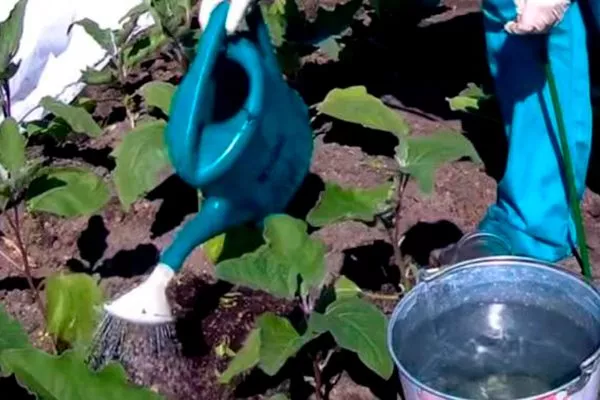
By following these guidelines and providing proper care, you can grow healthy bushes and get a good harvest.
The Africa variety is an early-ripening variety distinguished by its vibrant orange color and tender, sweet flesh. Plants are grown both outdoors and in greenhouses, but they require specific conditions and careful care. The favorable characteristics of this variety of eggplant make them an attractive choice for those who appreciate vegetable crops.