
Artichokes are a delicacy with a distinctive flavor and a unique array of beneficial nutrients. Connoisseurs of Italian cuisine are well acquainted with its flavor. Artichokes are not only delicious but also healthy, which means there's a reason to get to know them better.
Artichoke: What is it?
Artichoke is a herbaceous perennial plant in the Asteraceae family. Its flowers resemble thistles. Unopened artichoke buds, resembling green, scaly cones, are edible. The cones are comparable in size to large oranges, but can be smaller.
Brief description of artichoke:
- stem - herbaceous, straight, height - 50-180 cm;
- leaves are large, lobed, grayish-green in color;
- root - taproot, long;
- inflorescences are baskets with a diameter of about 10 cm, covered with scales;
- seeds are obovate;
- flowers are tubular, on strong receptacles, blue, purple or white;
- fruits are large, quadrangular, naked achenes.
The color of the cones can vary depending on the variety. Edible artichokes typically have light green or light green heads. The head shape is either round or elongated. Some varieties have "spiny" leaves.
There are over a hundred varieties of artichoke in the world, but not all of them are suitable for consumption.
The most popular varieties of artichoke (edible):
- Cardon. This variety's flowers are not the only food item, but also its stems, leaves, and even thick roots.
- Prickly artichoke. It is grown for its tasty flower heads, but the leaves and roots are also edible.
- ✓ The 'Cardon' variety has thick, fleshy roots that are also used as food.
- ✓ 'Artichoke prickly' is distinguished by the presence of edible leaves and roots, in addition to the flower heads.
The dense, uniformly colored cones are used for food. They are eaten fresh, in vegetable salads. Artichokes also make a wonderful side dish.
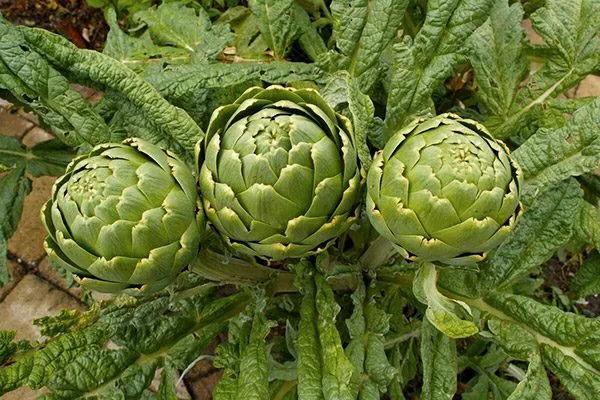
Although similar in appearance to a thistle, artichokes are quite demanding when it comes to growing conditions. For successful growth and fruiting, they require loose, fertile soil and bright light. This crop is primarily grown from seedlings and layering.
- ✓ The soil temperature for planting should not be below 10°C.
- ✓ The distance between plants should be at least 1 meter to ensure sufficient space for growth.
What does an artichoke taste like?
Raw artichokes have a distinct flavor of young walnuts (milky ripeness). This is complemented by notes of Jerusalem artichoke and wood. The artichoke's characteristic nutty flavor comes from the essential oils concentrated in the outer scales.
Some gourmets claim that raw artichokes taste like zucchini, while stewed and fried ones taste like mushrooms. Raw artichokes don't have a distinct odor. Foods that come into contact with artichokes in various dishes acquire a slightly sweet flavor due to the substance cynarin, which affects the taste buds.
Chemical composition and nutritional value
Fresh artichokes contain a wealth of nutrients, yet the calorie content of a 100g flower is only 47 kcal. Cooking increases the calorie content to 53 kcal. This is why raw artichokes are so often included in weight-loss diets.
The ratio of proteins, fats, and carbohydrates in 100 g of artichokes:
- proteins - 3.3 g;
- fats - 0.2 g;
- carbohydrates - 5.1 g;
- dietary fiber - 5.4 g;
- water - 85 g.
Artichoke has a balanced composition - the inflorescences contain many rare organic acids (glycolic, glyceric, quinic, caffeic), mineral salts of potassium and iron, manganese, phosphorus, vitamins B1, B2, B3, B9 and C, cynarin and inulin.
Artichoke extract and leaves contain acids - caffeoylquinic/chlorogenic, apigenin, sterols, luteolin, inulin, as well as minerals - copper, zinc, magnesium, calcium.
Particularly valuable substances in artichoke:
- luteolin - prevents cancer;
- caffeoylquinic acid is an antioxidant;
- cynarin is an antioxidant and bile production stimulant;
- Inulin is a natural prebiotic.
The benefits and harms of artichoke
The medicinal properties of artichokes have been known to humans since ancient times—they were first cultivated at least 5,000 years ago. Egyptian and Greek physicians were the first to use the vegetable as a choleretic, diuretic, and antirheumatic remedy.
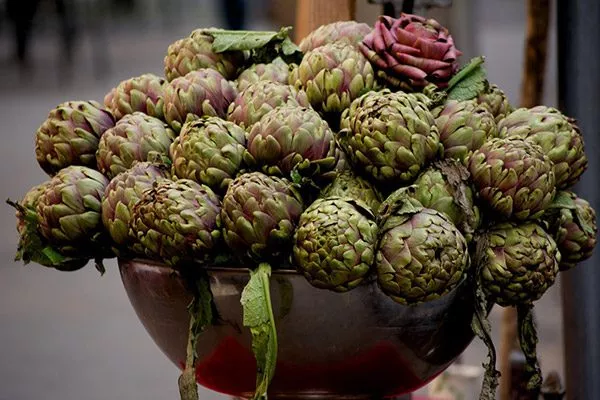
Ancient physicians used fresh artichokes to treat heart and liver ailments, combat rheumatism and scurvy, and relieve swelling. Later, artichokes were used to treat jaundice, gout, and poor appetite.
Diseases that modern folk medicine treats with artichoke inflorescences:
- eczema and psoriasis;
- atherosclerosis;
- hives;
- constipation;
- cholelithiasis;
- dropsy.
Artichoke extracts are used for detoxification. Leaf decoctions help stimulate the central nervous system, reduce blood cholesterol, and remove uric acid from the joints.
Properties of artichoke:
- protects the liver from toxins, activates organ restoration;
- strengthens the immune system;
- eliminates toxicosis;
- rejuvenates the body;
- regulates blood pressure;
- reduces uric acid levels (gout);
- removes toxins and waste;
- cleanses the kidneys, normalizes their function;
- activates metabolism;
- increases cerebral circulation;
- eliminates unpleasant sensations after overeating;
- reduces the acid content in the stomach;
- eliminates sweat odor;
- prevents baldness;
- reduces blood sugar;
- regulates blood circulation in the pelvis, eliminates inflammation;
- fights hepatitis, diabetes, gallbladder inflammation, obesity and poisoning.
Regular consumption of artichokes normalizes the functioning of the digestive, nervous, cardiovascular, and endocrine systems. Beneficial changes in the body also improve the condition of the skin, hair, and nails.
Artichoke is contraindicated for:
- individual intolerance;
- stomach ulcer;
- gastritis with low acidity;
- cholelithiasis;
- lactation;
- acute liver diseases;
- kidney diseases.
Artichoke hearts are not recommended for children under 6 years of age. After 6 years, the vegetable can be introduced gradually and in small quantities.
Application
The artichoke's rich composition, medicinal properties, and pleasant taste have led to its widespread use in a wide variety of fields. It is used in medicinal products, folk remedies, cooking, and cosmetics.
In folk medicine
In folk medicine, the use of artichoke is based on its powerful hepatoprotective, choleretic and diuretic properties, the ability to remove harmful cholesterol and improve metabolism.
How is artichoke used in folk medicine:
- Tea to relieve inflammation in the digestive organs. Add 1.25 g of dried ground artichoke to freshly brewed tea—black or green. Drink 3 times daily.
- Juice to increase libido. It is also drunk to cleanse the body, relieve dropsy, and urinary problems. Grind the plant and strain the resulting mixture. Drink 50 ml of the juice twice a day, half an hour before meals. Rubbing the juice into balding areas helps eliminate bald spots and eliminate sweat odor in areas with excessive sweating.
- A decoction for constipation. Boil 30 g of artichoke heads in 1 liter of water for 10 minutes. Strain and cool the resulting infusion, add a raw egg yolk, and mix thoroughly. Divide the infusion into three portions and drink morning, afternoon, and evening.
- Rinses for stomatitis. Squeeze the crushed inflorescences to extract the juice and mix it with the juice. Rinse your mouth with the drink 4-5 times a day.
- Decoctions for skin diseases. Pour 1 liter of water over 30 g of chopped artichoke leaves and simmer for 15 minutes. Strain and cool. Soak a bandage in the decoction and apply to the affected areas of skin.
In cooking
After cooking, artichokes soften and are more easily digested. The opened flowers have a poor taste, but other parts of the plant—the stems, roots, and juicy rosettes of basal leaves—can be eaten instead.
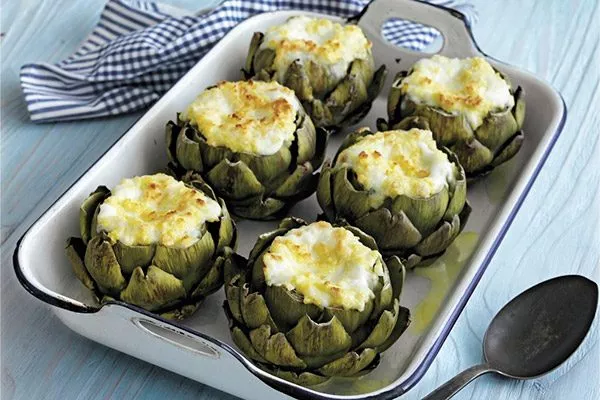
Artichokes are used in cooking:
- pasta;
- bread;
- pizzas;
- salads;
- pies;
- risotto;
- desserts;
- jelly;
- sauces;
- omelettes;
- side dishes for meat and fish.
Fresh artichokes will last longer if their florets are immersed in water diluted with vinegar or lemon juice for 5 minutes.
In cosmetology
Artichoke's rejuvenating properties are widely used in cosmetology. It is used as a non-surgical treatment for body contouring and facial contouring. Artichoke contains organic acids, vitamins, and other substances that nourish the dermis.
Artichoke flower extract is used in the production of toothpastes, ointments, balms, salves, lotions, and masks. Artichoke-based preparations are used in mesotherapy. They are injected with microneedles into problem areas of the body.
The effect of mesotherapy using artichoke products:
- the appearance of cellulite is reduced (artichoke in combination with hyaluronate or alaxatin has a lymphatic drainage and lipolytic effect, activating fat burning on the thighs, abdomen and buttocks);
- the skin is moisturized;
- reduces inflammation of the dermis and suppresses the progression of acne;
- prevents baldness, eliminates dandruff, stimulates hair growth;
- improves skin tone, smooths out wrinkles;
- relieves swelling around the eyes.
Artichoke extract
Artichoke is used in medicine and pharmacology—it's used to produce an extract in capsules. The preparation has choleretic, diuretic, hepatoprotective, and lipid-lowering effects.
Artichoke extract also:
- improves intestinal function;
- relieves muscle spasms;
- improves biochemical metabolism in liver cells;
- normalizes cholesterol;
- removes excess fluid from the body;
- has an antioxidant effect;
- normalizes blood pressure;
- promotes the destruction of kidney stones;
- restores the body after intoxication, including alcohol.
Artichoke extract is recommended as a dietary supplement for edema, abdominal discomfort (bloating, heaviness), liver problems, and excess weight.
Contraindications for artichoke extract:
- hypersensitivity to the plant;
- obstruction of the biliary or urinary tract;
- gallbladder suppuration;
- cholelithiasis
- acute hepatitis;
- severe liver failure;
- acute kidney diseases.
It is important to remember that long-term use of artichoke extract reduces the level of cholesterol and nitrogen-containing substances in the blood.
Take artichoke extract with food. Dosage should be as directed or recommended by a doctor. The course typically lasts one month.
How to cook artichoke?
Artichokes are eaten at any stage of ripening. Young inflorescences are eaten primarily raw, mid-season ones are pickled and preserved, and fully ripe artichokes are eaten only cooked—steamed, fried, boiled, or baked.
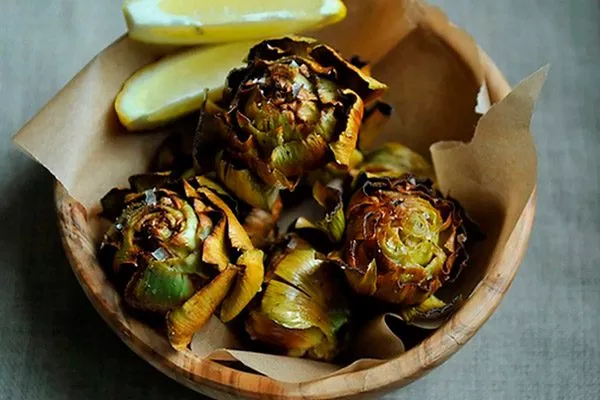
How to cook artichoke:
- Simmer. Separate the artichoke heads into stems and florets, removing the spines. Heat a frying pan and fry the artichokes in butter for 5 minutes. Add water and simmer for 10 minutes. This makes an excellent side dish for fish and meat dishes.
- Fry. Cook the florets for 30 minutes. Then cut them open and place them in a frying pan. Season the artichokes with salt, spices, and oil, and fry on both sides until golden brown. Serve with fresh vegetables.
- Stuff. Large artichokes are stuffed - minced meat or fish, or vegetables are placed in place of the cut out core.
- Marinate. Artichokes are marinated in a mixture of lemon juice, vinegar, olive oil, garlic, and parsley. Marinated artichokes are served as a cold appetizer or side dish, and they can also be added to salads and pizzas.
- Prepare salads. They can be used both raw and pickled. Artichokes pair harmoniously with beans, feta cheese, arugula, cucumbers, salami, potatoes, cheese, basil, garlic, tomatoes, ham, tuna, and many other foods.
Fresh and marinated artichokes pair well with cheese, ham, and fish. Canned artichokes are great added to salads and pizza toppings. Hot sauce is recommended with artichokes. However, wine should not be consumed with artichokes, as the plant's cynarin alters the sensitivity of the taste buds.
Artichoke dishes are especially common in Italian cuisine, the most famous being "Artichokes alla Romana."
To prepare you will need the following ingredients:
- artichoke - 4 pieces (preferably the Roman variety "mammole");
- parsley - 1 bunch;
- lemon juice - from 1 lemon;
- lemon balm - a few leaves;
- grated breadcrumbs - 2 tbsp;
- garlic - 1 clove;
- salt and pepper to taste.
These ingredients make two servings. Cooking time is 30 minutes.
How to cook:
- Clean the cones, leaving 5 cm of stem.
- Chop the herbs and garlic. Mix them with the breadcrumbs, add salt, pepper, and oil. Mix thoroughly.
- Remove one artichoke from the lemon water and fluff up its leaves. Hold it over a bowl to drain.
- Stuff the buds with a mixture of breadcrumbs and herbs. Fill not only the center but also the spaces between the leaves.
- Place the artichokes in a deep frying pan or on a baking sheet, head down.
- Mix olive oil and water in equal parts and pour it over the buds.
- Cover and cook over medium heat for 10 minutes. Then reduce the heat and simmer until tender, about 20 minutes.
- Place the cooked artichokes on plates. Drizzle with the sauce that has formed during cooking.
The dish should be eaten immediately, or at least on the day of preparation—they quickly lose their flavor. Pour the remaining sauce into a jar and refrigerate it—it can be used in entrees.
Frequently asked questions
For many, artichokes are an exotic food, raising a host of questions, especially regarding preparation, serving, and consumption. To avoid embarrassment at the table, research the proper way to eat artichokes beforehand.
Popular questions:
- How and with what do you eat canned artichokes? This pickled vegetable resembles mushrooms. It can be served as an appetizer, cut into thin slices, drizzled with oil, and garnished with onion rings. It pairs particularly well with mashed potatoes, fish, and meat dishes.
- What do artichokes go with? The product goes best with chicken, turkey, beef, fish, dry white wine, green peas, potatoes, tomatoes, carrots, any greens, butter and vegetable oil, cream and sour cream, rice, bulgur, grapes, olives.
- What can I substitute for artichokes? If the recipe calls for artichoke and you don't have it, you can substitute zucchini, walnuts, or green peas.
- What is the proper way to eat artichokes? The finished artichokes are first dipped into the sauce—the light, fleshy parts—and then pulled off the green stem with the teeth (this is not eaten, but placed on the edge of the plate).
- How to eat stuffed artichokes? Transfer the filling to the leaves, remove the toughest leaves and cut out the core - this will reveal a fleshy calyx, ready for consumption.
Artichokes are not only delicious but also a healthy vegetable, deserving the attention of health-conscious individuals. Regular consumption of this vegetable will provide the body with beneficial nutrients and add variety to your diet. Artichokes are so healthy and delicious that they deserve to be included in your daily menu.