
Autumn Pie is a popular pumpkin variety, attracting gardeners with its versatility and exceptional flavor. It has a rich orange color and sweet flesh. It's perfect for culinary experiments and preserves. This variety is ideal for growing in a variety of climates, guaranteeing bountiful harvests.
Description of the bush and fruits
The cultivar was added to the register in 2017. Its creators are breeders S. F. Gavrish and M. I. Kirillov of the Gavrish company. This versatile variety is suitable for culinary and ornamental use.

Distinguishing features:
- plant - It is a climbing plant, which allows you to save space in the garden bed and easily combine it with other crops.
- leaves - slightly dissected, rich green in color, form a dense decorative mass;
- fruits – They have a flat configuration and a red-orange color, which makes them attractive;
- weight - is 5-7 kg, but there are specimens up to 12 kg, and sometimes up to 50 kg;
- peel – smooth and thin, making it easy to handle;
- pulp – Orange, medium thickness, crispy and moderately juicy.
The seed nest is large, and the seeds themselves have a wide elliptical shape and are white in color.
Main characteristics
Autumn pie has excellent flavor. The flesh is slightly sweet and has a pleasant texture—this variety is ideal for preparing a variety of dishes.
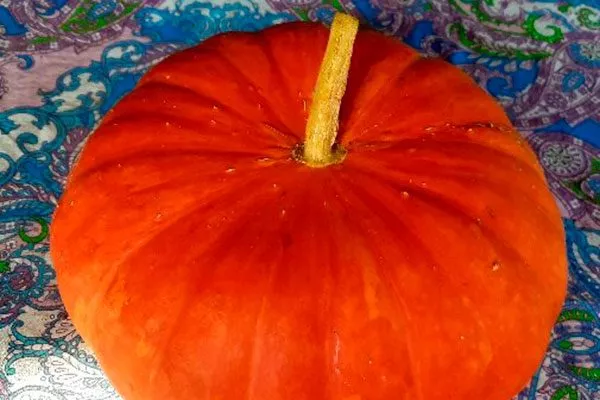
Features of the variety:
- Pumpkin is used in casseroles, creamy soups and desserts, including the classic pie.
- Due to its versatility, this variety is suitable not only for fresh consumption, but also for freezing or canning.
- The vegetables are characterized by high marketability: their smooth surface and strong skin allow them to withstand transportation well without loss of quality.
- It belongs to mid-season varieties, with a ripening period of 100-120 days.
The yield is stable and amounts to about 5.8-6.9 kg per 1 sq. m.
Growing and care
To successfully cultivate the crop, it's important to select a well-lit location with fertile, loose soil. Caring for the bushes involves a number of measures: regular watering, timely fertilizing, and shaping the shoots. These agricultural practices are essential for producing large, high-quality fruits.
Requirements
Autumn pie shows consistent results when planted in the right location and under optimal conditions. To ensure a high yield, provide the plants with the right environment:
- Lighting. This is a sun-loving crop, so if there's insufficient sun, the fruits lose sugar content and productivity declines. Best results are achieved when grown in open, sunny areas. In regions with hot, dry climates, planting in partial shade is acceptable.
- Soil. This variety has high soil fertility requirements. The bushes thrive in light loams, sandy loams, and chernozems enriched with organic matter. They also thrive in compost heaps.
For normal growth, neutral soil acidity (pH 6-7.5) is optimal. In areas with high groundwater levels, cultivation in raised beds is recommended. - Temperature conditions. Pumpkins are heat-loving plants, especially in the early stages of growth. Young plants are sensitive to cold snaps. Monitor the soil temperature: for full root development, it should reach 18–23°C.
- ✓ The soil pH level should be strictly within 6-7.5 for optimal nutrient absorption.
- ✓ The soil should be enriched with organic matter, such as compost or humus, in an amount of at least 5 kg per square meter.
Soil preparation, sowing seeds and hardening
Improve a ready-made, store-bought soil based on neutralized peat (pH 5.5-6.5) by adding leaf mold and mature compost in a ratio of 1:2:1. Follow these guidelines:
- Prepare the soil mixture 20 days before transplanting the seedlings.
- If the seeds haven't been treated with thiram, soak them in a solution of brilliant green (5 ml per 100 ml of water) for 30 minutes before sowing. Pumpkins are sensitive to transplanting, so place the seeds in separate cups immediately.
- Start hardening off the seedlings when the first shoots appear. The outside temperature should be at least 18°C. Start with 60 minutes a day, increasing the time by an hour each day.
Before transplanting into the ground, leave the seedlings outside for a day, cover them with film if the night is cold.
Transplanting
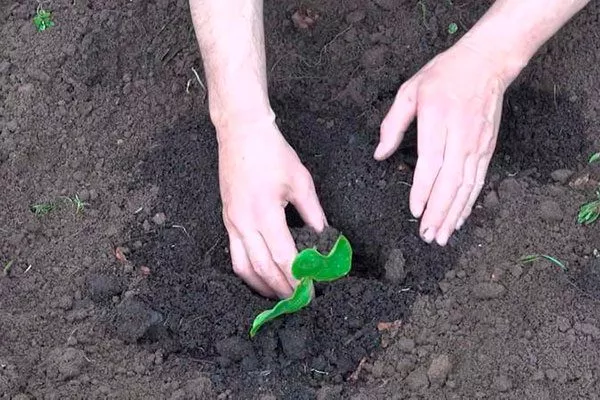
Dig holes and add 40 g of wood ash and 200 g of compost to each. Follow these recommendations:
- Transplant by transshipment, being careful not to damage the roots. Do not bury the root collar.
- Water the plants with warm water and mulch with dry straw.
- If night temperatures drop below +15°C, temporarily cover the seedlings with cut 5-liter bottles or cover them with a film tunnel.
Do not plant pumpkins in areas where the following crops were previously grown:
- tomatoes;
- turnips;
- watermelons;
- cucumbers;
- eggplants;
- peppers;
- melons;
- carrot;
- zucchini.
The best predecessors for it are green manure, garlic, beans, onions, peas, potatoes and cabbage.
Plant care and formation
The plant's structure depends on growing conditions and the desired yield. This variety is compact, but you can shape it for optimal growth and productivity if necessary.
Follow the rules:
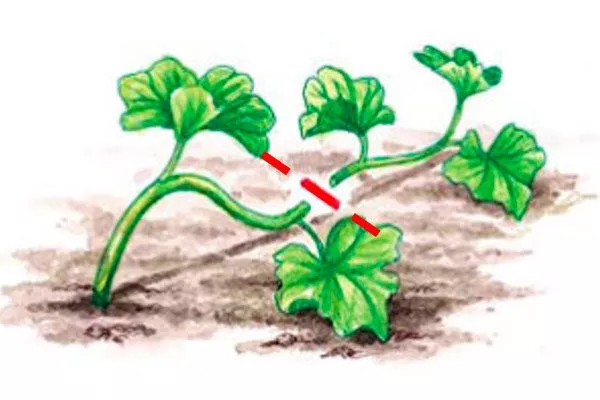
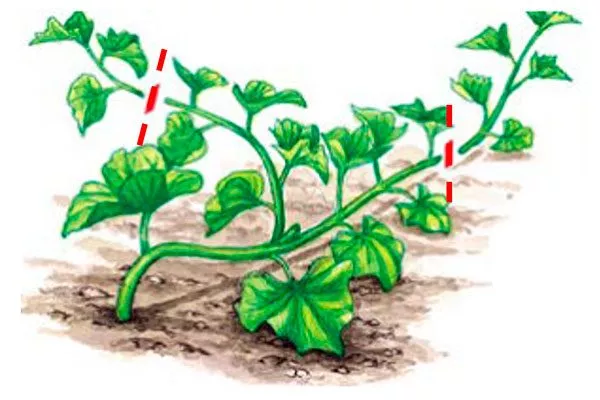
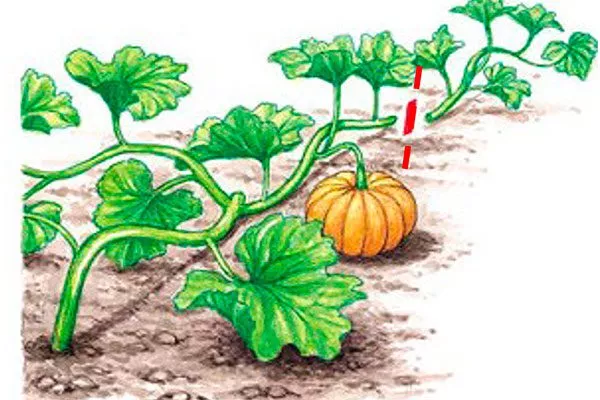
- If you're aiming for several medium-sized fruits, pinch the main stem after 3-4 ovaries. If you're aiming for one large fruit, leave one ovary and pinch the shoots above 5-6 leaves.

- Remove all weak and unnecessary lateral branches, especially those that don't produce fruit. If you want to get more pumpkins, leave 1-2 of the strongest shoots.
- For good ripening, there should be 2-3 fruits per bush. Remove any excess fruit and weak fruits.
- Trim off old and yellowed leaves that block the sun from the harvest. This will improve ventilation and reduce the risk of disease.
Watering and fertilizing
Autumn pie requires moderate but regular watering. During the active growth period, water the plants 1-2 times a week using warm, settled water. Increase watering during flowering and fruit set, and reduce it 14 days before harvest to ensure the vegetables become sweeter and firmer.
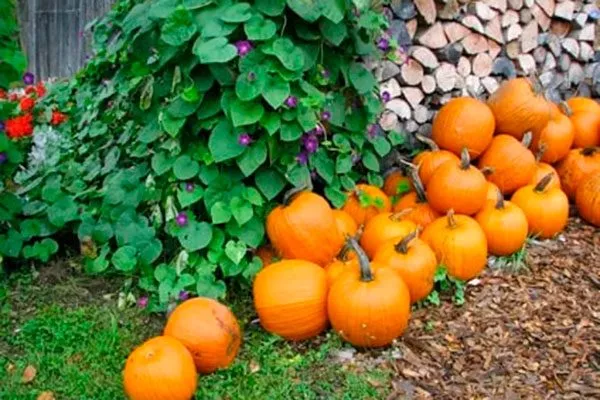
Fertilize 3-4 times per season:
- 2 weeks after planting – infusion of mullein (1:10) or chicken manure (1:15);
- in the budding phase – ash mixture (200 g of ash per 10 l of water) or complex mineral fertilizer with phosphorus and potassium;
- during the mass formation of fruits – top dressing with wood ash and potassium substances.
If necessary, apply foliar sprays with micronutrients to speed up ripening. Mulching the soil with humus or straw helps retain moisture and reduces the frequency of watering.
Pros and cons
Before planting a crop in your garden, carefully study its characteristics, advantages, and disadvantages. Autumn Pie has many advantages:
Among the negative characteristics, gardeners note sensitivity to a lack of light, the need for shaping to produce large vegetables, demanding soil fertility, susceptibility to cold in the early stages, and a tendency to grow vines.
Reviews
Autumn Pie Pumpkin is a popular choice for gardeners who value excellent taste and high productivity. With proper and comprehensive care, you can grow robust plants that are resistant to diseases and weather fluctuations. Timely fertilizing and regular watering are essential – these practices determine the quality of the harvest.