
The Nectar carrot offers a perfect combination of flavor, yield, and ease of care, making it ideal for both small plots and large-scale cultivation. This variety will provide consistent yields with minimal time and effort. The key is timely and proper agricultural practices.
Breeding history
Developed by the Dutch company Bejo Zaden and officially approved for use in 2007, it belongs to the Nantes variety and has a wide range of uses.
Introduction to the variety
A mid-late variety with high yields and moderate agricultural requirements. These qualities make it particularly attractive to beginning gardeners who lack the experience and knowledge to cultivate more demanding varieties.

Characteristics of the appearance of the plant and root crops
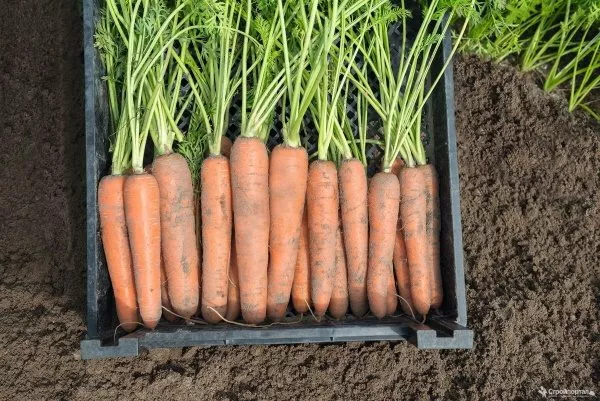
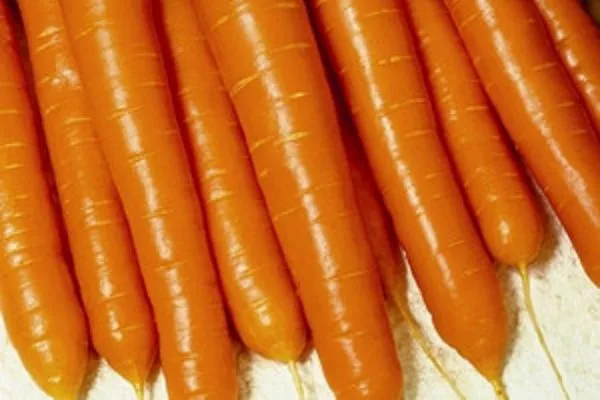
The rosette of leaves is erect, with long, green, and coarsely dissected leaves. The roots are cylindrical with a blunt end. They reach a length of 20-22 cm and weigh from 85 to 190 g. The bark is dark orange, and the pith is small and bright.
Purpose and taste of tubers
Nectar is a juicy and tasty carrot with a high sugar content, making it especially appealing to those who enjoy sweet root vegetables. It's eaten fresh and used in a variety of appetizers and salads. It's also suitable for canning and freezing.
Ripening and yield
The variety is characterized by a mid-late ripening period. From the first shoots to harvest, approximately 120 days pass, although selective harvesting can begin as early as 100 days later. The average yield is 380-670 centners per hectare.

- ✓ The optimal soil temperature for sowing Nectar carrot seeds should not be below +5°C.
- ✓ To prevent root crops from cracking, it is necessary to maintain uniform soil moisture, especially during the period of active growth.
Growing and care
For planting, choose sites with sandy loam soil and neutral pH. The best predecessors for carrots are zucchini, legumes, or nightshade crops. Avoid growing them in areas previously occupied by greens.
Choose a well-lit location, as carrots grow larger and sweeter in these conditions. Plant between April and May, waiting for consistently warm weather.
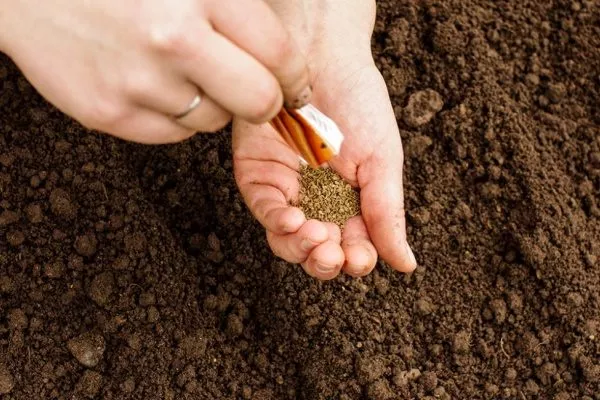
- Sow the seeds in furrows 3-4 cm deep and water. Then cover with loose soil and water again. Leave the beds undisturbed for the next few weeks.
- Thin out the emerging seedlings, removing weak shoots. Perform the initial thinning procedure after the first paired leaves appear, the second when the roots have grown a little, and the third as needed. Ultimately, the distance between the roots should be about 5 cm to ensure proper development.
- Water your plants throughout the season, preferably in the evening. It's especially important to water the area thoroughly two weeks before harvest.
- After heavy watering and rain, loosen the area regularly, simultaneously removing weeds.
- Fertilize the crop twice per season. The first time, use mineral fertilizers with nitrogen, the second time, with potassium and phosphorus. Do not use fresh organic fertilizers, as this may cause root deformities and reduce their storage quality.
Advantages and disadvantages
Before sowing seeds, make sure Nectar meets your requirements. This variety has many positive qualities:
- good productivity;
- sweet taste;
- versatility of use;
- high marketability;
- unpretentiousness;
- long shelf life.
Reviews
The Nectar carrot is distinguished by its high productivity, unrivaled sweet flavor, and wide versatility. Thanks to its excellent characteristics, this variety has quickly become a popular choice for those seeking to grow high-quality and delicious root vegetables. With proper planting and subsequent care, you can reap bountiful harvests of juicy vegetables.