
Soil mulching is a technique used to cultivate soil to improve fertility. This procedure can protect plants from the negative effects of weather conditions. Once you've learned how to mulch, you can do it yourself.
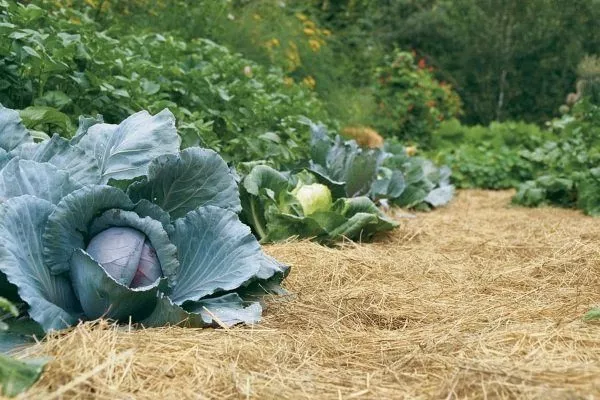
What is soil mulching?
Mulching is a soil-protecting technology for successful crop growth. This land cultivation procedure has been known since the 17th century. Previously, it was called "soil covering." Later, it became known as "soil mulching."
Mulching involves laying a special protective layer on top of the soil, made from mulch. This material is a mixture of several components that prevent:
- weed growth;
- drying out;
- imbalance of water and air in the upper soil layer.
Mulching is most effective in the spring. Unstable weather often leads to temperature fluctuations that can harm seedlings. To minimize the alternation of nighttime frosts and daytime dryness, mulch the soil.
Mulching of the soil is used after planting plants from greenhouses into open spaces.
What are the benefits of mulching the soil, and why should it be done?
Mulching has a complex effect on the soil. After applying a protective layer of mulch to the soil surface:
- the evaporation process slows down, due to which moisture is retained longer and nourishes the root system;
- the soil acidity is normalized, as a result of which it absorbs nutrients better;
- the root system becomes more resistant to temperature changes;
- improves the soil structure and provides a conditioning effect;
- nutrients are retained in the soil longer;
- reduces splashing of soil onto plants during watering;
- improves the appearance of plants;
- the number of beneficial microorganisms in the soil increases;
- increased protection against pests;
- the number of weeds on the site is reduced.
Mulching prevents the fruits on low bushes from touching the ground after ripening and prevents them from rotting. This procedure reduces the need for plant maintenance, freeing up more time for landowners.
How to properly mulch the soil (methods and rules)?
Soil mulching techniques are classified into two categories: the type of material used and the processing technology.
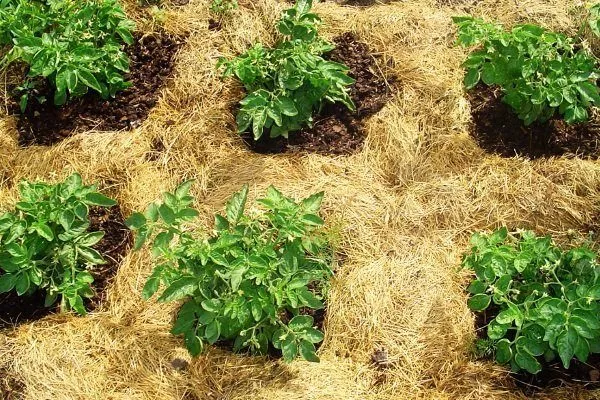
Depending on the type of material used, soil mulching is performed in three ways:
- traditional;
- using organic mulch;
- using inorganic mulch.
According to the processing technology, mulching is carried out:
- by sprinkling the soil;
- using covering materials.
Each method has its advantages and disadvantages.
Soil cultivation techniques based on the type of material used
Traditional mulching This is the most commonly used method of soil cultivation. This method does not require the use of additional material. A temporary protective layer is created on the soil surface through loosening.
Traditional mulching is also known as "dry irrigation." This method allows the lower soil layer to retain moisture and coolness longer, and at high temperatures, evaporation is slowed. Additionally, loosening the soil kills weeds and improves oxygen availability.
Traditional mulching also has a number of disadvantages:
- limited duration of effect;
- destruction of soil structure;
- decreased fertility (with frequent use).
Organic mulching This involves using plant and animal components to create a protective layer. Recycled components from agricultural activities are typically used for this procedure. This method of treating a site is considered the most effective.
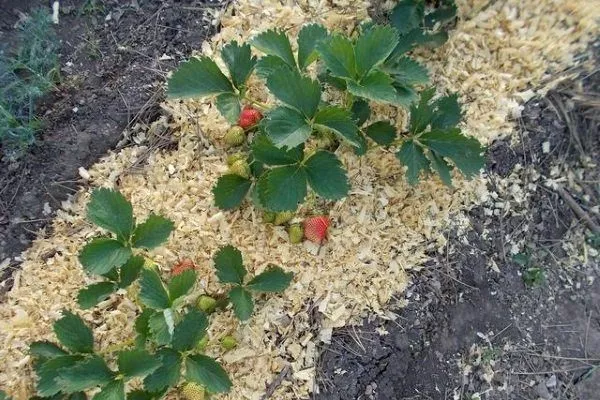
Organic mulching
Mulching is done using: straw, mown grass, sawdust, peat, wood shavings, crushed tree bark, wood chips, humus, fallen leaves and cones, sunflower, flax waste.
Organic mulching:
- protects from frost and high temperatures;
- retains moisture for a long period;
- prevents crust formation after watering.
Mulch is poured onto the surface of the soil around the plant. The layer height is from 5 to 7 centimeters. During the summer, the mulch will gradually disintegrate and mix with the soil, enriching it with nutrients.
Don't make the protective layer too thick, as this will encourage infections and diseases. If the mulch particles are too large, they can harbor pests.
Inorganic mulching It is produced using natural components. In most cases, this method of creating a protective layer is performed using rocks or industrial materials: gravel, sand, crushed stone, pebbles, brick waste, polymer film, agrofibre, burlap, and expanded clay. Inorganic mulching:
- protects the area from weeds;
- retains moisture in the soil over a long period;
- prevents plants from overheating.
The disadvantage of this method of soil cultivation is that the inorganic materials do not break down and do not improve soil quality. In fact, with prolonged use, soil fertility deteriorates.
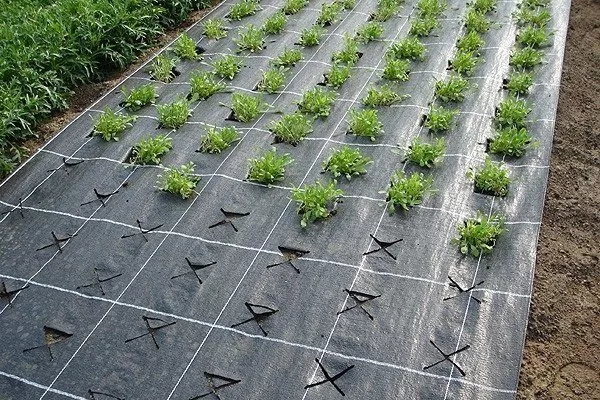
Inorganic mulching
Methods of soil mulching according to processing technologies
Sprinkling mulch on the soil is recommended when using organic materials. The application process is simple: mulch is loaded into a bucket or other container and then manually spread under each plant. The most challenging aspect here is monitoring the layer thickness. If it's too thick, the soil will do more harm than good.
Covering the soil with covering materials involves the use of a special mulching film. It partially covers the soil and is used in the spring to improve soil warming. This method allows for an early harvest. The use of continuous film is only permitted in industrial settings when growing crops in large fields. The disadvantage of this method is that it does not prevent weed growth.
Mulching rules
Mulching is done every six months: in spring and fall. In spring, after the soil has warmed sufficiently and old mulch has been removed, and in fall, after the harvest.
- Remove old mulch and weeds.
- Loosen the soil to a depth of 10 cm.
- Add organic fertilizers.
- Spread a new layer of mulch evenly, 5-7 cm thick.
For autumn mulching, it is recommended to use a hard material.
Before mulching:
- the area is cleared of dry plants as much as possible;
- fertilizers are poured onto the soil surface;
- the soil is being loosened.
Mulching is also used in gardens and berry patches. Before applying a layer of mulch, the area should be watered. When applying mulch in the fall, a 15-centimeter protective layer is acceptable. Its thickness depends on the amount of sunlight reaching the area. If the area is shaded, there is no need for a thick protective layer.
Spring mulching can be carried out when the soil temperature reaches +12 degrees Celsius.
Learn more about the rules and features of DIY soil mulching by watching this video:
Types of mulch
Mulch is divided into two categories: organic and inorganic. Organic mulch has a complex effect on the soil, gradually decomposing. Inorganic mulch is used for its intended purpose and also has decorative qualities.
The list of the most effective materials for organic mulching includes:
- pine nut shells – one of the most useful components for the soil, preserving nutrients for 5 years;
- pine or larch bark – this material is used to treat trees and shrubs, and its properties are preserved for at least 3 years;
- mown grass – a universal element, compatible with almost all types of soil;
- fine-grained peat – a component intended for processing shrubs growing on sandy and clayey soil;
- fallen pine needles – a quickly disintegrating material used for processing vegetable and berry plants;
- dried sawdust of deciduous wood – this type of mulch is used to increase soil acidity (sawdust with resin cannot be used);
- compost – a component of undecomposed organic matter that performs not only a protective function, but also fertilizes the soil;
- straw – a universal element, compatible with almost all types of plants;
- leaves and leaf humus – a material used as a covering layer for the winter;
- spruce and pine cones – lightweight material designed for crops growing in soil with high acidity;
- sunflower seed husks – one of the most effective components for retaining moisture in the soil over a long period;
- wood chips – a universal material that also has decorative qualities;
- fire – a material for vegetable plants made from parts of the hemp stem, which additionally provides a protective effect against bacteria.
The list of the most effective materials for inorganic mulching includes:
- only – roofing material with waterproofing qualities;
- roofing felt – roll roofing material that retains moisture for a long time and prevents weed growth;
- black polymer film – a component that protects the soil from temperature changes (not recommended for use on trees and shrubs);
- black agrofibre – a material that allows water and oxygen to pass into the soil, intended for use in cool weather;
- expanded clay – a type of mulch made from baked clay, designed to retain moisture in the soil and protect it from high temperatures.
It's permissible to use multiple materials simultaneously for combined mulching. However, care must be taken to ensure the protective layer isn't too thick.
To learn more about the advantages and disadvantages of different mulching materials, watch this video:
Do I need to mulch the soil in my greenhouse?
Young plants are most susceptible to external factors. Despite being housed in a greenhouse, they remain vulnerable to temperature fluctuations, moisture stress, and nutrient deficiencies. Mulching in greenhouses:
- minimizes thermal fluctuations;
- protects seedlings from weeds and diseases;
- improves the growth of the root system, thereby reducing the percentage of plant deaths.
- ✓ Give preference to organic materials such as humus or straw.
- ✓ Consider the need for additional protection against weeds and diseases.
- ✓ Ensure good aeration and moisture permeability of the mulching material.
Organic matter is best suited for mulching in greenhouses. In terms of usefulness, the most commonly used materials are: humus, sawdust, and straw. Paper, cardboard, and roofing felt come in second. If the above materials are unavailable, film and spunbond can be used.
Common mistakes when mulching
Without experience mulching, mistakes can be made that can harm the soil and plants rather than benefit them. The most common mistakes include:
- using a thick layer of mulch during wet periods leads to rotting processes;
- Forming a layer of mulch that is too high prevents light and oxygen from penetrating into the soil and also causes diseases;
- mulching in windy weather – the protective layer is not formed;
- Keeping old, undecomposed mulch on the soil during the spring prevents the earth from warming up.
A thick layer of mulch in the fall is only applied if the site is located in a dry region or if snowfall is rare in winter. Otherwise, a thin layer will suffice.
In the spring, before starting gardening, it's important to remove the old mulch. This is accomplished by loosening the soil to a depth of 10 centimeters. Only then can new mulch be applied.
Mulching is a technique for creating a protective layer on the soil surface and improving its quality. This procedure increases crop yields and protects plants from temperature fluctuations, moisture stress, and a host of other factors using readily available materials.