
The Lasanta pepper is an early domestic variety that is tasty and productive. Gardeners and summer residents also appreciate this sweet pepper for its beauty and long fruiting period.
Breeding history
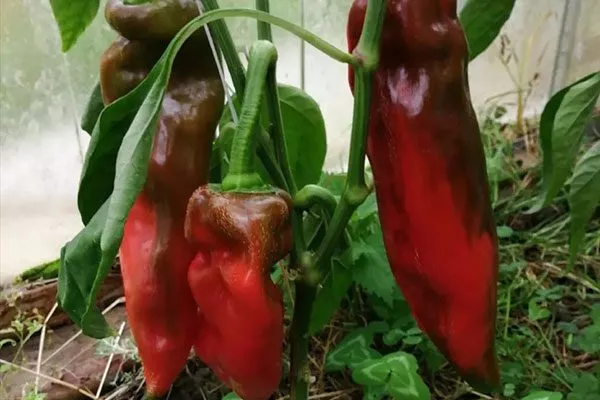
The Lasanta variety is a hybrid, developed in 2018 by a Russian breeder named V. I. Blokin-Mechtalin. This first-generation F1 hybrid was added to the State Register in 2020. The pepper gets its name from its resemblance to Santa Claus's hat. When ripe and reddened, the fruits truly resemble Santa's red caps.
Description of the variety
The Lasanta pepper is an early ripening variety and differs from other common varieties with its unusual fruits. Those unfamiliar with
Plant
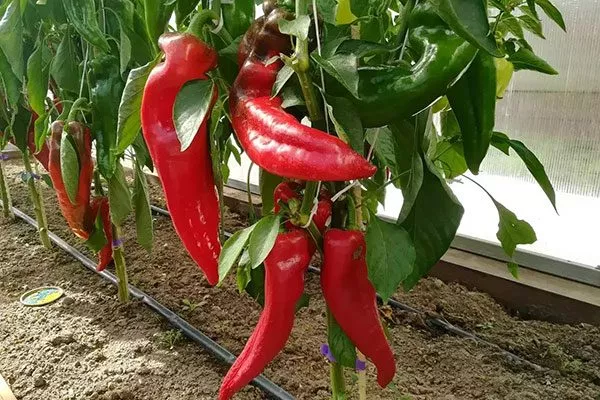
The Lasanta sweet pepper boasts not only excellent agronomic characteristics but also an attractive appearance. It produces strong, vigorous plants that produce abundant, beautiful, and neat fruits.
Brief description of the variety:
- Bushes medium-sized, semi-spreading, with peppers hanging down at the ends.
- Leaves medium-sized, dark green, with a slightly wrinkled surface.
Description of fruits
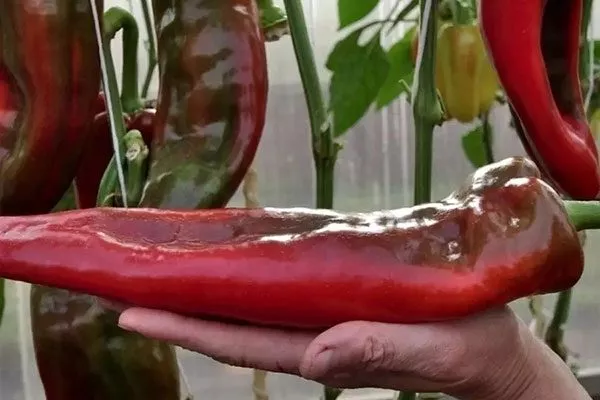
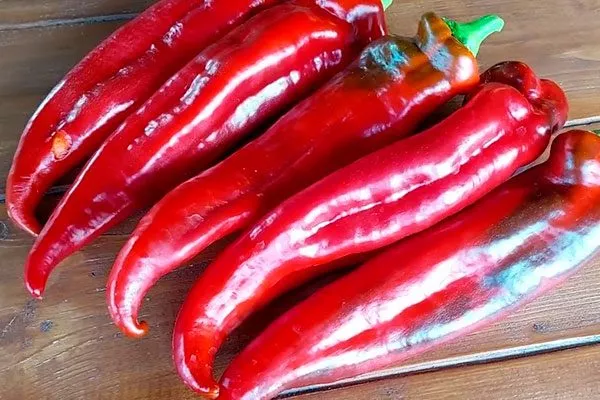
The fruits are elongated, finely ribbed, with a glossy, slightly wrinkled surface. The length is much greater than the diameter—approximately 4-4.5 times.
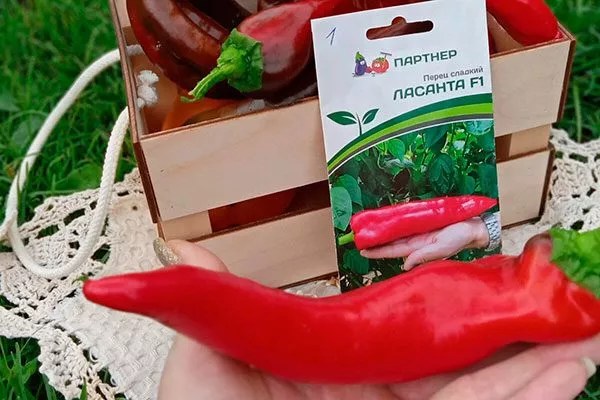
- ✓ The fruits have a unique shape of a narrow cone with a length of up to 30 cm.
- ✓ The thickness of the fruit walls is 4-5 mm, which is a distinctive feature of the variety.
Fruit characteristics:
- Form - narrow cone.
- Length — up to 30 cm.
- Average weight — 130-140 g.
- Wall thickness — 4-5 mm.
- Coloring — initially (at the stage of technical maturity) dark green, turning bright red as it ripens. A cross-section reveals three cavities filled with seeds.
It's important to remember that you won't be able to grow a crop that matches the characteristics of the Lasanta variety from seeds, as it's a hybrid. To ensure you have long-stemmed Lasanta peppers in your garden every summer, you'll need to buy new seeds annually.
Taste
This variety has excellent flavor characteristics. This sweet pepper is very juicy, with a fresh and pleasant taste; it's quite sweet, without the slightest bitterness.
Ripening time
The fruits are ready for harvesting 95-110 days after germination. The first fruits can be harvested as early as July, already fully ripe. If you use a seedling-based growing method, where seeds are sown in mid-February, the peppers will ripen even earlier—around the end of June.
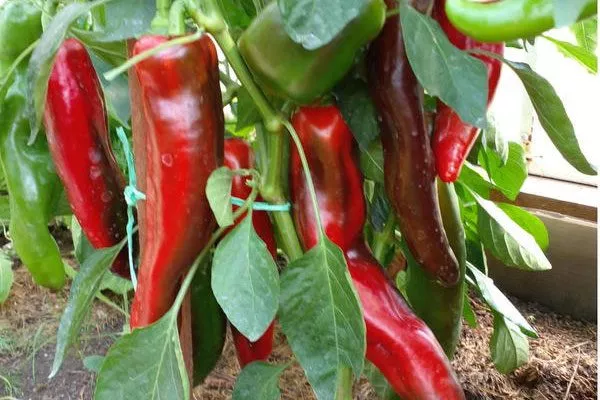
Lasanta peppers peak in July. The fruits are harvested gradually as they ripen. The harvesting period generally lasts several weeks.
Productivity
This variety delights gardeners with generous harvests. Up to 6 kg of pepper can be harvested per square meter. When grown from seedlings, yields are somewhat reduced, and they are also highly dependent on weather conditions. Cold and damp weather negatively impact yields.
Growing regions
Lasanta pepper can be grown not only in the south of Russia, but also in many other regions, including the Volga region, the Far East, the Central Black Earth Region, central Russia, the Urals, and Siberia.
Disease resistance
The Lasanta variety is fairly resistant to late blight. Under unfavorable conditions and poor agricultural practices, there is a risk of tobacco mosaic disease. Excessive watering, leading to overwatering, can lead to various types of rot. Regular treatment with fungicides and insecticides can help prevent this.
Advantages and disadvantages
Even if you really like the Lasanta pepper, don't rush to plant it without familiarizing yourself with all its characteristics. To finally decide whether this variety is suitable for your needs and specific climate conditions, consider all its advantages and disadvantages.
Planting diagram
To ensure pepper plants thrive in the garden, it's important to provide them with adequate space. Planting too densely will cause them to shade each other, resulting in smaller peppers and reduced yields.
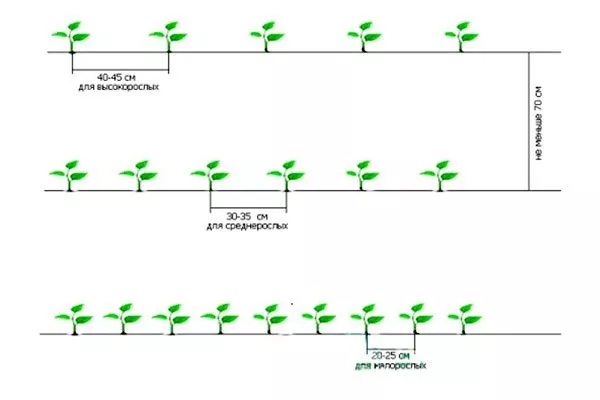
Recommended planting pattern for Lasanta pepper:
- the distance between neighboring bushes is 35-40 cm;
- between rows - 60-70 cm.
The planting scheme presented above ensures the most efficient use of space and allows for up to 5 plants per square meter.
Landing
Lasanta peppers can be sown outdoors, but seedlings are commonly used, even in the south. Grown or purchased seedlings are then planted outdoors, in a greenhouse, or under plastic cover.
Growing seedlings
The hybrid variety Lasanta is usually grown using seedlings, as this allows for a quick and guaranteed harvest.
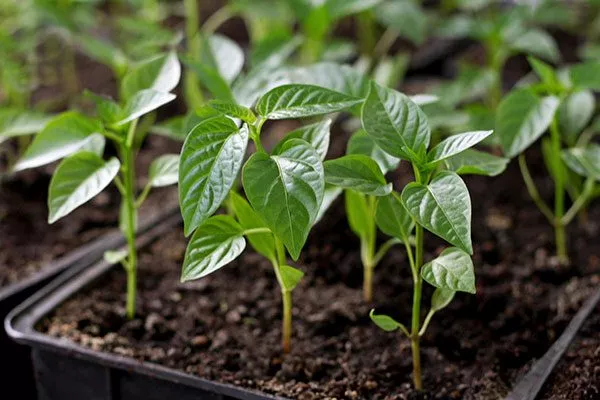
- ✓ Optimum soil temperature for planting seedlings: not lower than +15°C.
- ✓ The need for artificial illumination of seedlings in conditions of insufficient natural light.
Features of growing Lasanta pepper seedlings:
- Seeds are pre-soaked for sowing. This process takes 10-14 days. It's convenient to use cotton pads soaked in water for soaking.
- Seedlings are sown from February to March. The seeds are planted no more than 1.5 cm deep.
- The optimal temperature for growing seedlings is between 25°C and 28°C. To ensure strong and healthy seedlings, constantly monitor the temperature and humidity and use artificial lighting. Watering is done with a spray bottle. The seedlings are initially covered with glass, and when the seedlings emerge, the glass is removed. The temperature is then lowered.
- Two weeks before planting in the ground, harden off the seedlings. To do this, move the containers with the seedlings outside or onto a balcony. By this time, the seedlings should have 3-4 leaves.
- Plant the finished seedlings in the ground in May-June. If the weather is unstable, you can cover the seedlings with plastic film. This also makes sense in regions with cool, damp summers.
Transplantation into the ground
Transplant the seedlings after they have developed 3-4 leaves. Furthermore, favorable weather conditions should be achieved, especially when planting in open ground rather than under plastic. The optimal soil temperature is 15°C.
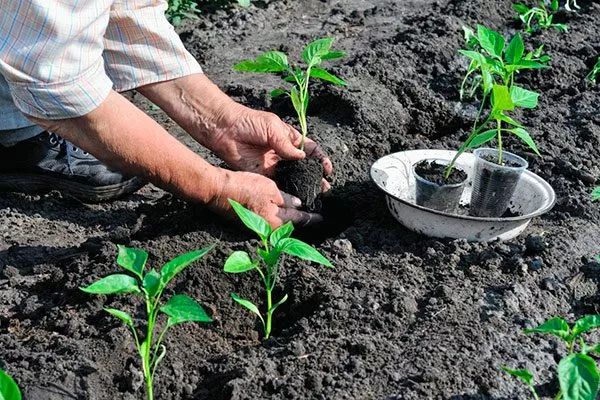
Seedlings are moved into hotbeds and greenhouses in early May, and into open ground in mid- to late May. In heated greenhouses, they are planted in late April. The holes should be about 10 cm deep. The roots should be able to fit comfortably in the hole, and the root collar should be level with the ground after planting.
Care
Growing Lasanta peppers requires a certain amount of care. The variety is not fussy, but the quantity and quality of its harvest largely depends on the timeliness of agricultural practices.
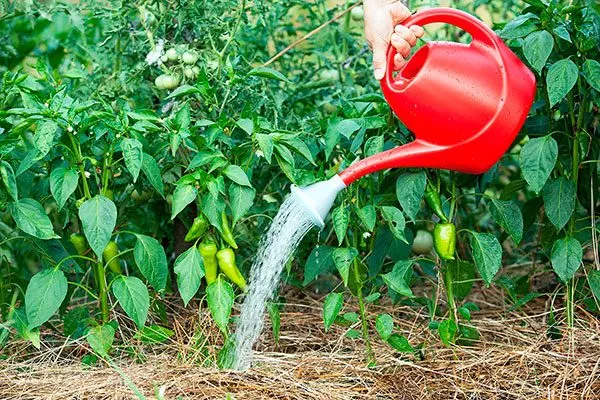
Care features:
- Watering is adjusted according to weather conditions and soil conditions. Peppers are typically watered twice a week, but in hot weather, the frequency can double.
- Fertilizers are applied every two weeks. They alternate between complex mineral compounds and organic matter, such as mullein, fresh grass infusion, potassium humate, etc.
- The soil in the beds is regularly loosened and weeded, and weeds are also removed from the spaces between the rows. The loosened soil is mulched with sawdust or straw.
- If the bushes grow too large, they are tied to supports. This will prevent the stems from breaking under the weight of the fruit.
- In hot weather, plants need protection—they should be covered with special screens to protect them from the sun's harsh rays. Failure to do so may prevent cross-pollination.
Diseases and pests
It's recommended to treat Lasanta peppers with fungicides in the first few days after transplanting. You can use traditional Bordeaux mixture, as well as Fitosporin, Ridomil Gold, and similar products.
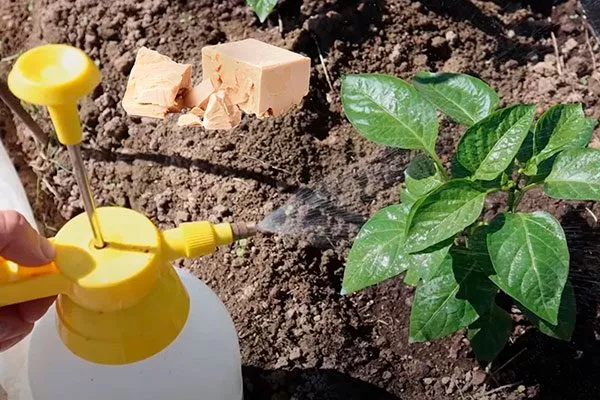
In summer, peppers are regularly inspected for pests. The most common pests are aphids, spider mites, whiteflies, cutworms, and slugs. To combat these, use powerful insecticides such as Fitoverm, Karate, Inta-Vir, and similar products.
Various biological products, such as Fitoverm, can also be used to combat pests. For minor infestations, folk remedies can also be effective, such as infusions of wormwood, celandine, garlic, tobacco, wood ash, and so on. Treatments should be carried out early in the morning or evening.
Application
Lasanta peppers are eaten fresh, added to summer salads, first and second courses, used in winter preserves, lecho, and various dressings. They are also salted, pickled, baked, and fried. The fruits retain their flavor after cooking, and they store and transport well, even over long distances.
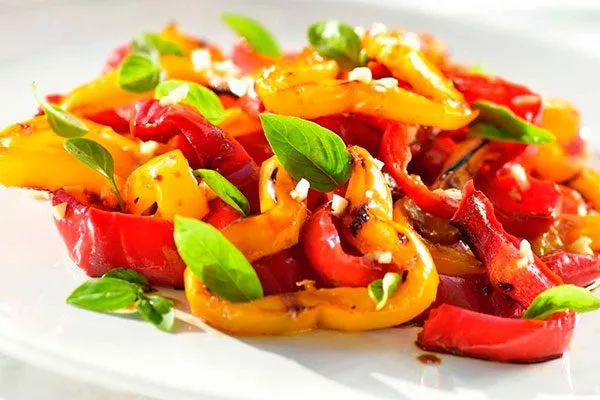
The early-ripening hybrid Lasanta is one of the most striking varieties, both literally and figuratively. Large, deep-red peppers, long and juicy, are attractive not only to gardeners but also to commercial growers.