
Honeysuckle Cinderella is renowned for its delicious berries, excellent frost resistance, and good disease resistance. Let's explore the growing process and its pros and cons.
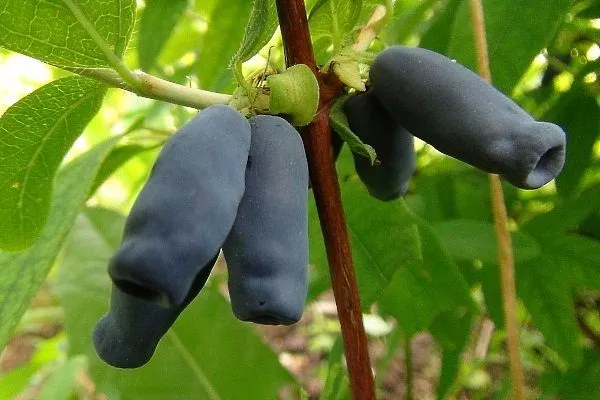
honeysuckle variety "Cinderella"
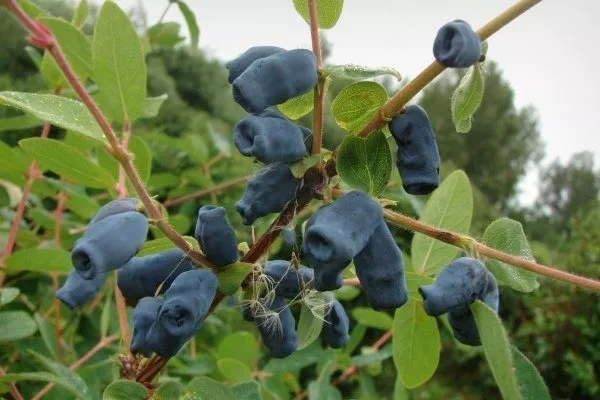
Honeysuckle "Cinderella" is one of the magnificent varieties of early ripening crops
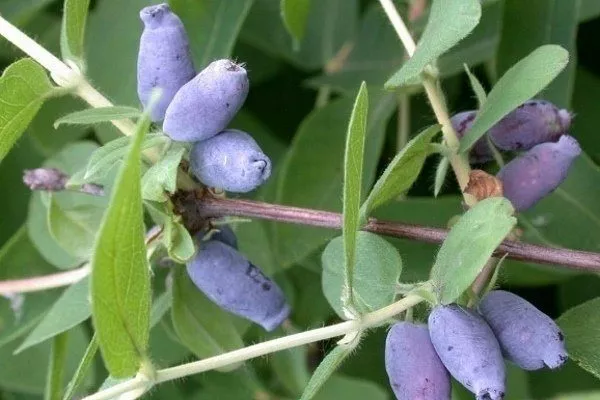
Fast growth, excellent taste, and pest resistance make the Cinderella variety a favorite.
History of selection
Cinderella was developed in 1974 by breeders at the M.A. Lisavenko Research Institute of Siberian Horticulture. The copyright for the variety belongs to I.P. Kalinina, Z.I. Luchnik, and Z.P. Zholobova. Trials of the crop began in 1982-1983.
However, it was only added to the State Register of Breeding Achievements of the Russian Federation (RF) in 1991. This honeysuckle could be grown in Eastern and Western Siberia and the Urals. Today, the variety is included in the register for all regions of the Russian Federation.
Description of the variety
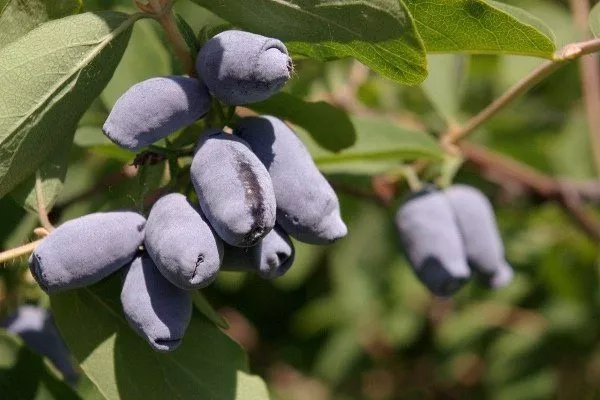
Cinderella is a low-growing shrub, growing no more than 50-70 cm tall. Its crown is quite dense, and its leaves are slightly concave and light green in color. The berries are inky black with a bluish tint.
The fruits typically vary in size, with an elongated outline and characteristic honeysuckle bumps. Berry weight can range from 0.8 to 1.5 g.
Characteristics of Cinderella
The main characteristics that characterize Cinderella include:
- very early ripening period – ten days of June, depending on the region;
- productivity – 4-year-old bushes produce up to 1 kg of berries, and 7-year-old ones – 2.0-5.5 kg per season;
- good tolerance to low temperatures;
- disease resistance;
- pleasant delicate taste with a strawberry hue and slight sourness;
- The tasters' assessment of taste qualities is 4.8-5 points.
Features of fruiting
Cinderella berries typically ripen between June 15 and 22. However, they reach maturity at different times, requiring multiple harvests. However, approximately 90% of the fruit is harvested during the first picking.
The first berries appear on the bushes as early as 2-3 years after planting. However, due to the bushes' relatively short stature, harvesting the fruit using machinery is difficult. It's easier to do it by hand.
Neighbors are essential for pollination of Cinderella. Any Kamchatka-bred honeysuckle seedlings can be used. Experts consider the following varieties to be the best pollinators:
- Azure;
- Gerda;
- Amphora;
- Memory of Gidzyuk;
- Tomsk woman;
- Kamchadalka;
- Parabelskaya;
- The Leningrad Giant.
Pros and cons of the variety
Cinderella is a honeysuckle that has the following benefits:
- excellent tolerance to low temperatures;
- good resistance to various diseases;
- high yield with proper care;
- early ripening of berries;
- great taste;
- the possibility of using a bush as a decorative element in the yard.
Cons of Cinderella:
- the need to plant varieties for pollination;
- possible shedding of ripe fruits;
- the probability of berries ripening at different times;
- inconvenient use of equipment for harvesting.
Selection of seedlings
To ensure your crop grows and produces a rewarding harvest, choose the right seedlings:
- Ideally they should be 2-3 years old;
- the leaves should have a healthy shine and gloss, and should not have any damage;
- the plant must be healthy, without any signs of disease;
- the branches of the seedlings must be alive and flexible, not dry or broken;
- Give preference to seedlings in pots rather than with bare roots;
- Don't forget to purchase varieties for pollination.
- ✓ Check the root system for fungal diseases that are not visible to the naked eye.
- ✓ Make sure the seedlings were grown in conditions similar to yours for best adaptation.
The correct place to plant honeysuckle
Cinderella is a heat-loving plant, so choose a sunny, easily accessible location for planting. Some shade won't harm the plant, but it may negatively impact the yield.
The soil consistency should be light and neutral, with an acceptable pH of 6.5-7. A loose soil structure is preferable, and the soil itself should be saturated with moisture and nutrients.
Planting dates and optimal conditions
Plant Cinderella in early spring or fall, from late September to early October. The latter option is preferable, as the honeysuckle will fully establish roots during the fall, and will immediately begin growing in spring. If you decide to plant in spring, do so before the buds begin to open.
- One month before planting, test your soil for pH and nutrient content.
- Two weeks before planting, add organic fertilizer to improve the soil structure.
Planting instructions
How to plant Cinderella:
- Dig planting holes at a distance of 1.5-2 m from each other - their dimensions should be about 40 cm;
- mix the top layer of excavated soil with a bucket of humus or compost and 1 liter of wood ash - if the soil itself is of a heavy consistency, add a little sand as well;
- pour this mixture back into the planting hole about a third full;
- water the substrate in the hole;
- remove the seedling from the container where it was, along with a lump of soil - if it had open roots, carefully straighten its roots and soak them for half an hour in a solution of water and "Epin" or "Kornevin";
- in the middle of the hole, make a depression suitable for the volume of the seedling’s roots, and plant the plant in it;
- add nutritious soil and compact the hole;
- Water the plantings generously with warm water.
When planting, remember not to bury the root collar of the seedling too deep (it should remain approximately 1 cm above the surface). Also, plant pollinator varieties at the same time as Cinderella. Otherwise, you won't be able to enjoy the plant's fruits.
Care activities
Any honeysuckle requires high-quality and competent care. This directly affects the plant's yield and growth. Water the plant regularly, fertilize, and prune the shrub's foliage regularly.
In the video below, a gardener explains how to care for honeysuckle 'Cinderella':
Read the article about How to care for honeysuckle in autumn.
Watering
During the first year, Cinderella bushes require special watering. If the weather is particularly dry and hot, water the plant every 7 days. The recommended watering rate is 2 buckets of water per bush. After each watering, gently loosen the soil, being mindful of the roots located near the surface.
When the bushes enter the fruit-setting and ripening phase, water them even more generously. Now, pour 8 to 10 liters of water under each bush. Insufficient moisture will result in a bitter taste in the berries.
After harvesting, honeysuckle no longer requires such abundant and frequent watering. When rainfall is optimal, reduce watering to 3-4 times per season.
Fertilizing honeysuckle
Start fertilizing honeysuckle in its third year. Until then, the fertilizer applied at planting is sufficient. The fertilization schedule is as follows:
- Feed the crop for the first time in the spring before the buds open, with a urea solution (1 tbsp. per bucket of water);
- Twice per season, feed the plant with chicken manure, diluted in a proportion of 1 glass per bucket of water and infused for 1-2 days - water the bushes at the roots in the evening, during the period before the crop blooms and after harvesting the fruits;
- in mid-summer after picking the berries, water Cinderella with a solution of nitroammophoska (25-30 g per 10 l of water);
- Somewhere around July, add to the soil or spray the honeysuckle with a solution of 100-150 g of ash mixed in a bucket of water (stir the ash until it is completely dissolved in the liquid).
Pruning and its types
The Cinderella honeysuckle variety requires crown shaping. This is necessary to increase the shrub's productivity and its attractive appearance, especially if the plant is used as a decorative element in the yard.
Types of pruning:
- primary – carried out immediately after planting, while all weak, non-viable branches are removed (leave 3-5 of the strongest shoots, reducing them by a third);
- sanitary – involves annual pruning of dry, damaged and diseased branches;
- rejuvenating – done in the 7th year of the plant’s life (cut off all the old branches in the fall, in place of which new ones will grow).
Methods of reproduction
There are two ways to propagate Cinderella:
- By cuttings. Take a cutting from a young branch and soak it in a container of water for several hours. Then, bury the shoot at an angle two-thirds its size.
- By layering. To propagate honeysuckle this way, bury the lower branch of the bush, securing it to the ground with a staple.

Honeysuckle harvesting
Cinderella berries can be harvested throughout the first month of summer. The ripening period for the berries depends on the growing region, growing conditions, and climate. The most common time to harvest honeysuckle berries is in the first half of June.
Cinderella differs from other varieties in that its berries ripen rather unevenly. This means the harvest will have to be done in several stages (usually two). Don't leave ripe berries on the bush for too long, otherwise they may fall off. When picking, place a cloth under the plant to catch any that fall during the harvest.
Diseases and pests
Cinderella is rarely susceptible to diseases, but they do occur. One of the main signs of a viral or fungal infection is the appearance of various spots on the bush.
Diseases that can affect honeysuckle:
- Powdery mildew. To combat this disease, use a solution of copper sulfate, tobacco dust and soap.
- Moniliosis. This infectious disease causes the plant to wilt and can spread throughout the entire shrub. If the honeysuckle is in the early stages of the disease, prune the infected branches and then treat them with a copper-containing product. As a preventative measure, treat the plant with Fitolavin.
- Cercospora leaf spot. This disease manifests itself as dark green spots, which may eventually turn brown with a dark border. To combat the disease, thin out shoots and remove infected foliage. For prevention, spray the shrub with Fitolavin in the fall and early spring.
The main pests of honeysuckle are spider mites, aphids, nematodes, glassworms, and dwarf moths. Control them by cutting off and destroying affected parts of the plant. For prevention, use specialized chemicals.
Reviews of honeysuckle Cinderella
Honeysuckle Cinderella is an excellent shrub for growing in cold climates. It's frost-resistant, ripens early, and has a pleasant flavor. Follow the recommendations and properly care for this variety to enjoy its fragrant berries in early summer.