
Kamchatka honeysuckle is a popular plant characterized by its low maintenance, high yield, and beneficial properties. It propagates easily, requires little care, and tolerates frost well. Among the many varieties, the best cultivars are successfully grown in all regions of our country, provided proper agricultural practices are followed.
Kamchatka honeysuckle - what is it?
This low-growing shrub with large berries grows in Kamchatka, Sakhalin, the Kuril Islands, Siberia, and the coastal areas of the Sea of Okhotsk. It thrives in mixed forests and meadows. Frost-hardy and resistant to inclement weather, it is successfully cultivated in various regions of our country.
The fruits can be blue, black, or purple and have a pleasant sweet and sour flavor. They are eaten raw, canned, frozen, and used in compotes, jams, and other desserts.
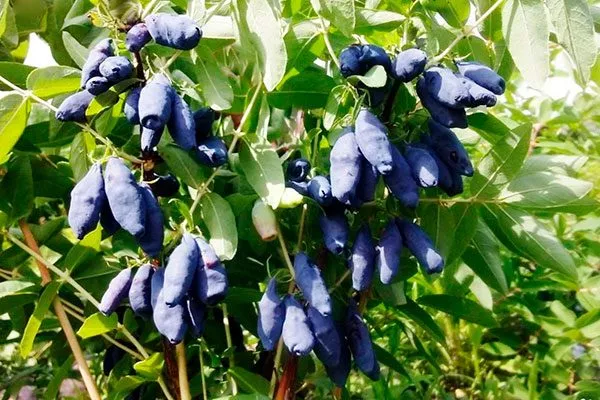
Description of wild Kamchatka honeysuckle
The shrub grows small, medium, or tall, but never exceeds 2 meters in height. It produces abundant harvests of large berries, characterized by juiciness and a sweetish flavor with a slight bitterness.
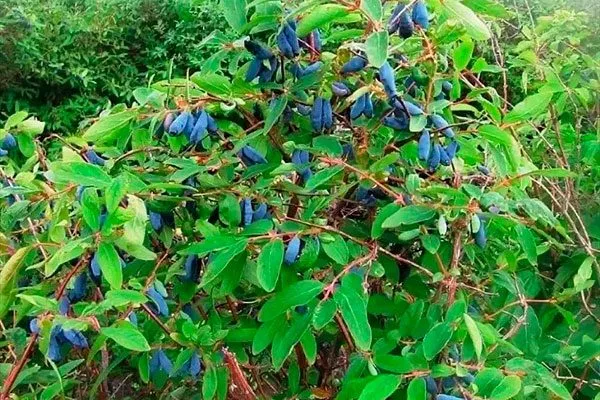
The fruits are rich in vitamins and antioxidants. They contain vitamins B, C, and P. They are also rich in minerals, flavonoids, and tannins. The fruits are widely used in folk medicine for their diuretic, anti-inflammatory, and immunomodulatory properties.
The best varieties of Kamchatka honeysuckle and their characteristics
Cultivated varieties include various cultivars representing a whole group of improved plants. They differ from wild forms by having more pleasant berry flavor, modified fruit shape and size, increased yield, and other characteristics that have been improved through breeding.
| Name | Ripening period | Disease resistance | Frost resistance |
|---|---|---|---|
| Kamchadalka | Early ripening | High | High |
| Siberian | Early ripening | High | High |
| Nymph | Mid-season | High | High |
| Bakcharsky giant | Mid-season | High | High |
| Blue Spindle | Early ripening | Average | High |
| Aurora | Early ripening | High | High |
| Borealis | Mid-season | High | High |
| Large-fruited | Early ripening | High | Average |
| Boreal Beast | Late | High | High |
| Boreal Blizzard | Late | High | High |
| Blue Velvet | Early | High | High |
| Balalaika | Early ripening | High | High |
| Blue-eyed | Early ripening | Average | High |
| Duet | Early ripening | High | High |
| Amur | Early | High | High |
| Ruben | Early | High | High |
| Kalinka | Early ripening | High | High |
| Zoyka | Mid-season | High | High |
| Icebar | Early | High | High |
| Blue dessert | Early | High | High |
| Blueberry | Early ripening | High | High |
- ✓ For northern regions, varieties with high frost resistance are preferable, such as ‘Kamchadalka’ and ‘Sibiryachka’.
- ✓ In southern regions, it is better to choose drought-resistant varieties, for example, 'Blue Spindle'.
- ✓ For regions with variable climates, varieties with universal resistance, such as 'Nymph', are suitable.
Kamchadalka
Developed by Siberian breeders, this early-ripening plant is frost-resistant.
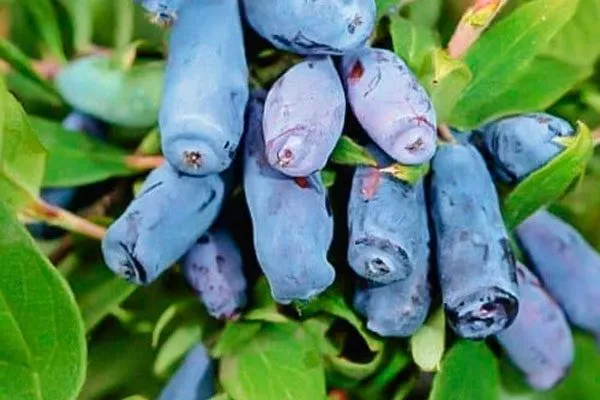
Features of the variety:
- The bush grows up to 1.5 m in height. It has a compact, narrow crown with an inverted conical shape.
- The shoots are thick, colored dark green with a purple tint.
- The branches are covered with elongated leaves with slightly curved edges. The foliage is characterized by an oval shape.
- The fruits are medium-sized, oval-shaped, 2-2.5 cm long, average weight 1.5 g.
- The berries are even, with a smooth skin, dark blue in color with a grayish waxy coating.
- The pulp is tender, without bitterness, with a sweet and sour taste and rich aroma.
This early-ripening variety tolerates frost and drought. It is resistant to diseases and pests. It boasts a moderate yield, with a single bush yielding up to 2 kg of fruit.
Siberian
Bred in the Tomsk region in 1972, it is characterized by sweet fruits with an intense aroma.
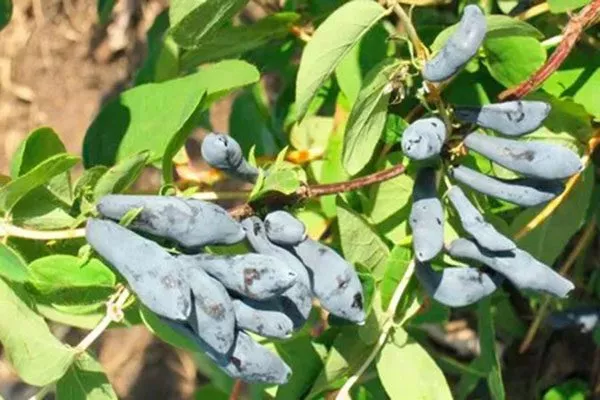
Features of the variety:
- A medium-sized bush reaching a height of up to 1.6 m.
- The crown is spreading and oval in shape.
- The branches are thin, flexible, and brown. The shoots are covered with elongated, oval, bright green leaves with pointed tips.
- The fruits are medium-sized and spindle-shaped. Each berry averages about 1.5 g in weight and ranges from 1.5 to 2.3 cm in length. The color is purple.
- The skin is thin, with small tubercles.
- The taste is sweet with a slight sourness. The aroma is rich.
Nymph
Developed in St. Petersburg, its main advantage is its sweet fruit, virtually free of bitterness, but that's not its only virtue.
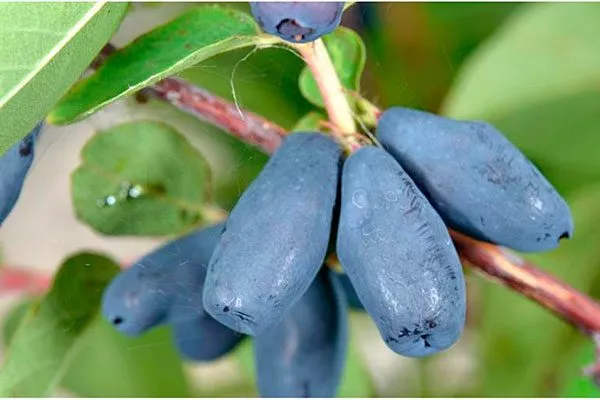
Features of the variety:
- The bush is medium-sized, reaching a height of up to 1.7 m.
- It has a rounded, spreading crown that tends to become dense.
- The shoots are thin, flexible, strong, long and straight, colored green with a brown tint.
- The branches are covered with dark green leaves of medium size and have an elongated oval shape.
- The fruits are large, elongated (up to 3 cm long), and curved. Each berry weighs on average 3 g. The shape is spindle-shaped and slightly bumpy. The skin is thin, blue with a bluish tint.
- The flesh is juicy but fibrous.
- The taste of the berries is sweet and sour, with a slight tartness.
This is a mid-season variety. It is resistant to fungal diseases and tolerates frosts well. It produces an average yield of 1.5-2 kg per bush.
Bakcharsky giant
This tall, widespread shrub attracts gardeners with its large, tasty fruits.
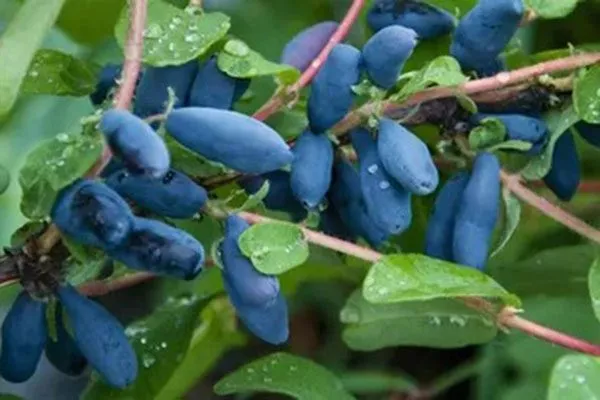
Features of the variety:
- The bush reaches up to 2 m in height.
- The crown is sparse but wide, oval in shape, and extends up to 1.2 m in diameter.
- The leaves are medium-sized, rounded and elongated. They are colored gray-green.
- The fruits are large. Each berry weighs up to 2.5 g and reaches 5 cm in length. The shape is oval-elongated and uneven. The color is blue, with a waxy coating.
This mid-season variety is characterized by high frost resistance and resistance to fungal and viral infections. Gardeners harvest up to 3 kg of fruit from a single bush.
Blue Spindle
The flavor of this variety's berries depends on weather conditions. Its drawback is the tendency of ripe berries to fall from the bush.
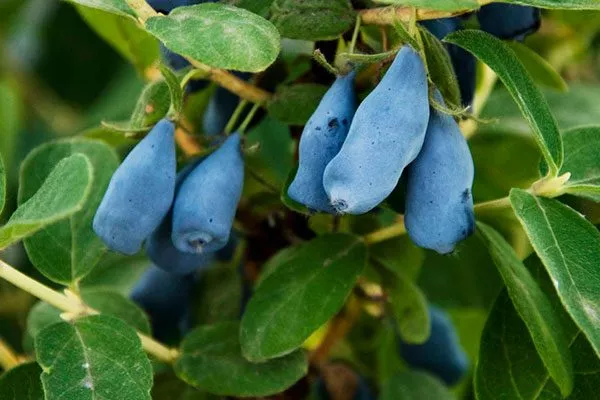
Features of the variety:
- The low-growing bush does not exceed 1 m in height.
- The crown is sparse, compact, and not wide. The shoots are flexible, thin, and green.
- The leaves have an elongated-oval configuration and are dark green in color.
- The fruits are medium-sized and spindle-shaped. Each berry reaches 2.7 cm in length and weighs 1.5 g.
- The skin is dark blue in color, with a bluish waxy coating.
- The taste is sweet with a slight tartness. During periods of low moisture, the fruits may acquire a bitter taste.
A frost-resistant, early-ripening variety. It rarely suffers from diseases and produces an average yield of 1.5-2 kg per plant.
Aurora
This honeysuckle, developed by Russian breeders from the Russian Solovey variety and the Japanese MT46.55, grows tall and is characterized by dense foliage.
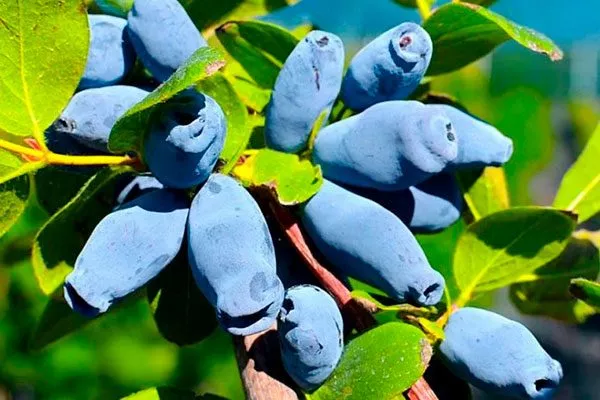
Features of the variety:
- Erect shoots reach up to 1.8 m in height.
- The crown is compact and dense, with little branching.
- The fruits are characterized by an interesting configuration and weigh no more than 2.2 g.
- The peel is colored blue with a white coating.
- They have a sweet taste and pleasant aroma.
- They are not prone to shedding and are suitable for mechanical collection.
An early-ripening variety with a high yield. A single bush can yield up to 5-6 kg of berries.
Borealis
Developed by specialists at the University of Saskatchewan in Canada by crossing the Kyiv 8 and Tomichka varieties, it is self-sterile and requires pollinators to bear fruit.
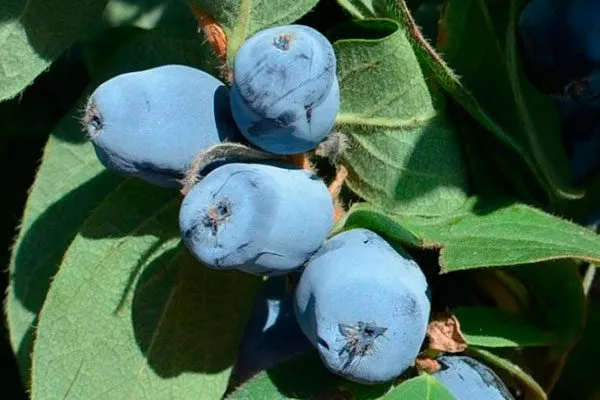
Features of the variety:
- Forms compact bushes with a height of 1.2 to 1.4 m.
- Characterized by medium foliage of shoots.
- The fruits have a blue tint with a bluish waxy coating and a round-cylindrical configuration.
- The average weight is about 1.6 g.
- The flesh is red, quite juicy and sweet.
- The berries are firmly attached to the branches and do not fall off.
This mid-season variety is resistant to fungal diseases. It produces high yields of up to 4.5 kg per bush.
Large-fruited
Developed by specialists from the Russian breeding school, it requires pollinators for successful fruiting.
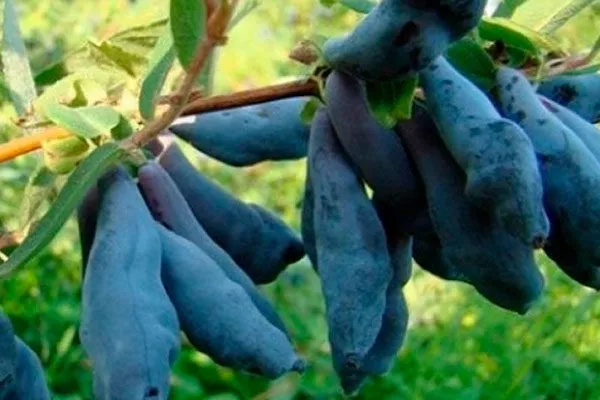
Features of the variety:
- The bush has an inversely conical crown, reaches a height of up to 1.8 m and approximately the same diameter, dense and very thickened.
- The berries are elongated, bluish-blue in color, with a sweet and sour taste.
- Characterized by average fruit shedding.
An early maturing variety with good disease resistance, but poor drought tolerance.
Boreal Beast
Developed at the University of Saskatchewan in 2016, it has quickly gained recognition and popularity due to its adaptability to mechanized harvesting.
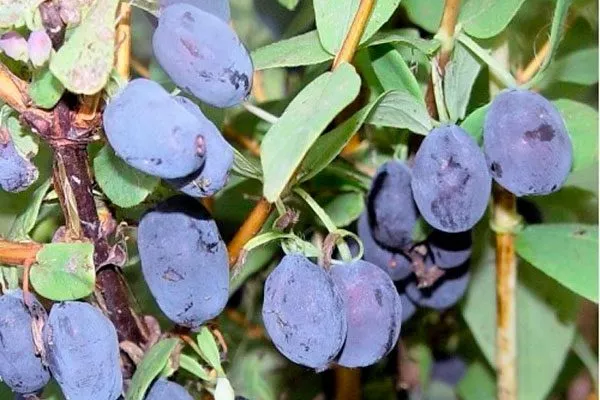
Features of the variety:
- The bushes are characterized by density and a height of up to 1.5 m, and their shoots are strong and thick.
- The berries are broadly oval in shape, black-purple in color, with juicy, fleshy pulp.
- The taste of the berries is sweet with a slight sourness.
- The fruits are characterized by good resistance to falling and practically do not fall from the branches.
It belongs to the late varieties, it begins to bear fruit from the end of July and continues until September.
Boreal Blizzard
It was introduced to the general public in 2016. It was bred in Canada, using Russian and Japanese varieties of edible honeysuckle as its basis.
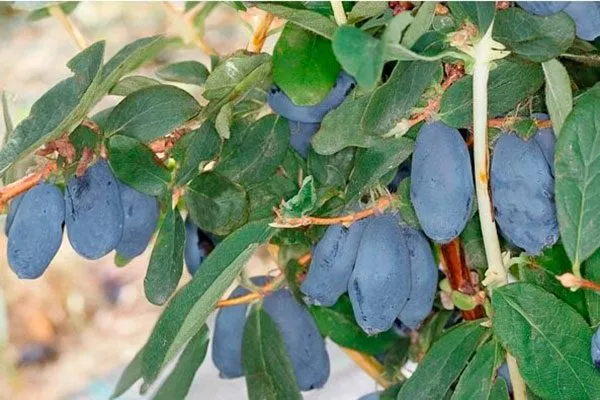
Features of the variety:
- The bush forms a medium-spreading crown, the height of which can reach up to 1.5 m.
- The stems are straight and strong.
- The berries are dark blue in color, oval in shape, with juicy and sweet flesh.
- The average weight of berries is from 3 to 3.5 g.
This is a late-ripening variety. It is sensitive to moisture stress but has excellent frost resistance. The flowers can withstand temperatures down to -8°C, and the bushes themselves can withstand temperatures down to -40°C. The yield is high – up to 4-5 kg per bush.
Blue Velvet
Developed by Polish breeders, it is characterized by late flowering, making it resistant to adverse weather conditions.
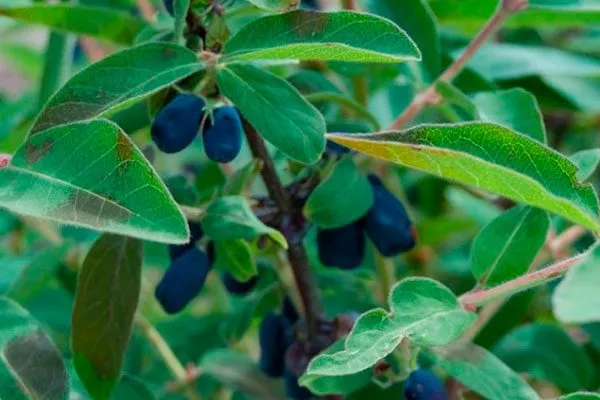
Features of the variety:
- The bush has a medium-spreading oval crown, reaching a height of up to 1.7 m, and consists of numerous straight shoots of medium thickness.
- The leaves have a greenish-gray tint and a velvety texture.
- The berries are dark blue in color and have an elongated shape.
- The weight of the fruits ranges from 1 to 1.5 g.
It's an early variety. The total yield can reach up to 6 kg per bush.
Balalaika
It is bisexual and partially self-fertile. Pollinators are required for abundant fruiting.
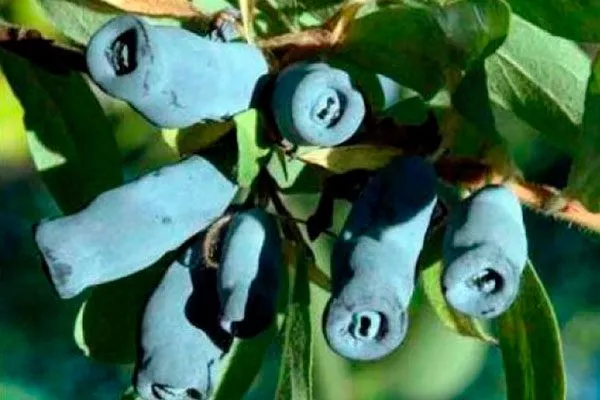
Features of the variety:
- A low bush with a dense crown, reaching a height of about 1.5 m and having a diameter of 1-1.5 m.
- The berries are numerous, cylindrical in shape and light blue in color.
- The fruits are used to prepare various home-canned products or are eaten fresh.
The crop tolerates dust and air pollution well, which allows it to be grown in urban environments.
Blue-eyed
Russian specialists developed this variety in 1992. It is self-sterile, so pollinators are required to produce a harvest.
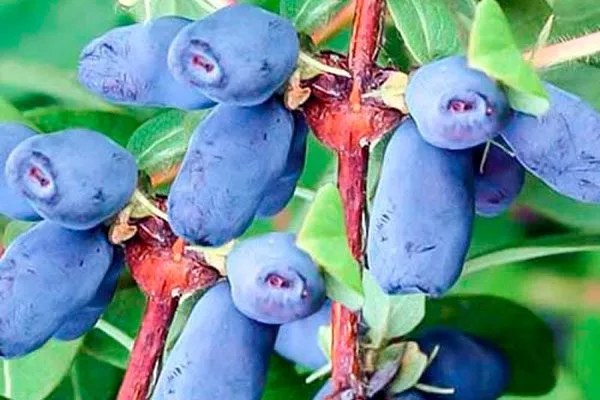
Features of the variety:
- The crown reaches a height of up to 1.5 m and has a rounded configuration.
- Straight shoots of a reddish-brown hue are covered with a waxy coating.
- The leaves are oval-elongated, slightly pointed, and bright green, often fading in the sun.
- The dark blue fruits with a bluish bloom have an oval-elongated shape.
- The weight of each berry ranges from 0.7 to 0.95 g.
Honeysuckle is a versatile plant. It is characterized by a medium yield—1.5 to 2 kg of berries are harvested from a single bush.
Duet
Developed in Poland in the mid-20th century, it has good disease and frost resistance and is not prone to shedding.
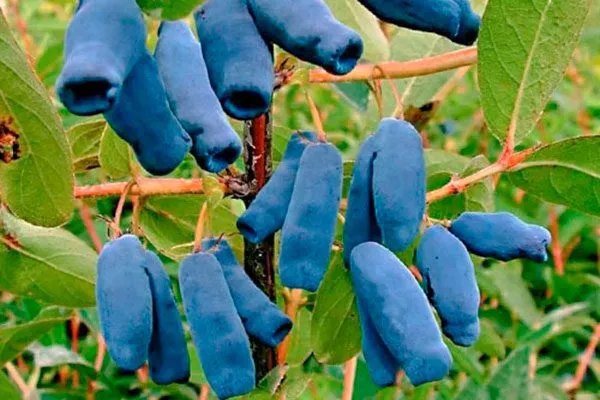
Features of the variety:
- A low bush with a rounded, spreading crown, reaching a height of up to 1.1 m and a diameter of 1.2 to 1.5 m.
- The shoots are heavily pubescent, curved, of medium thickness, and when young have a greenish-beige hue, becoming red-brown over time.
- The leaves are elongated, rounded, with a pointed tip, bright green and pubescent.
- The fruits are round, spindle-shaped, dark blue with a bluish bloom.
- The average weight of berries ranges from 1.5 to 2.2 g.
- The taste is pleasant, sweet, with a slight bitterness.
This early-ripening variety boasts a moderate yield—up to 3.5-4 kg of berries can be harvested from a single bush.
Amur
This is the result of the work of German breeders. It begins bearing fruit as early as the third year after planting and is distinguished by its early maturity.
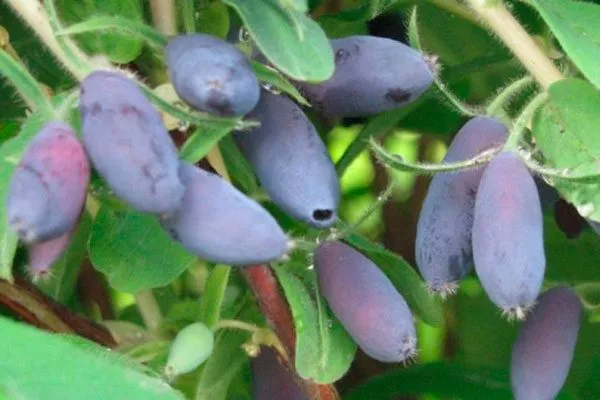
Features of the variety:
- The bush consists of strong, erect shoots of a reddish-brown color, up to 2 m in height. It has medium foliage.
- The shoots are covered with long, narrow, rounded leaves, colored dark green.
- The berries are spindle-shaped, round, dark purple, and covered with a matte, bluish bloom. Their average weight is 1.5 to 1.8 g.
Belonging to the early varieties, self-sterile honeysuckle produces good yields. Gardeners harvest 3-3.2 kg of berries from a single bush.
Ruben
Characterized by a strong and pleasant aroma during flowering, the berries are suitable for freezing, drying, and making juices, wines, compotes, jams, and more.
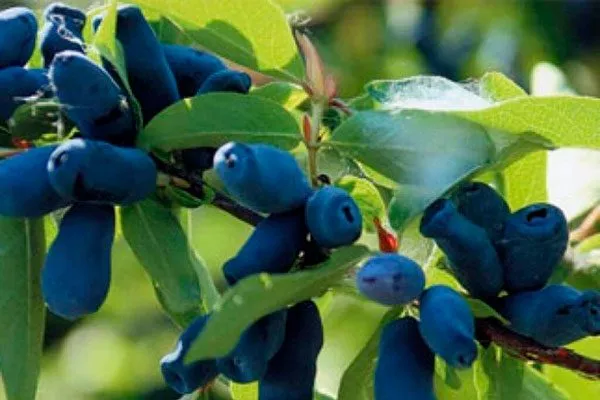
Features of the variety:
- A medium-spreading bush about 1.5 m high.
- The erect, strong shoots are colored yellowish-brown with a reddish tint.
- The leaves are oval-elongated and dense.
- The fruits have a dark blue hue and reach a weight of up to 1.3 g.
This is an early variety. The harvest ripens evenly, and the ripe berries practically never fall off the bush.
Kalinka
It has a long lifespan and is popular for its low maintenance. Pollinators are required for a good harvest, as this variety is self-sterile.
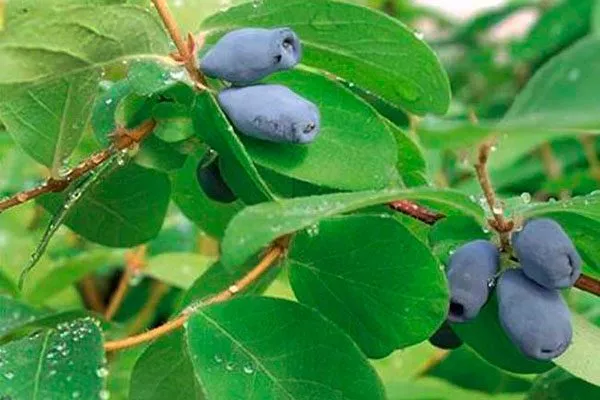
Features of the variety:
- The bush is compact, slightly spreading, reaching a height of up to 2 m with a crown diameter of 1.2 to 1.5 m.
- The shoots are light brown in color, quite strong, and as they mature they become darker, taking on reddish hues.
- The shape of the leaves is oval-elongated or ovoid, with short petioles.
- The fruits are dark blue and covered with a bluish waxy coating. They are cylindrical in shape with a rounded, elongated structure and weigh approximately 1 g.
- The taste is sweet with a slight sourness.
This early-ripening variety is frost-resistant, withstanding temperatures down to -45°C. It is characterized by a low yield of up to 1.5-2 kg of berries.
Zoyka
Fruiting occurs in mid-June and is characterized by uniform ripening of the fruits.
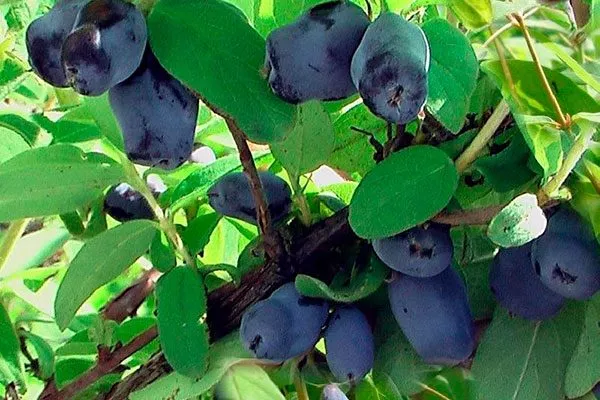
Features of the variety:
- A bush with strong growth and a rounded shape, reaching a height of about 1.6 m and a crown diameter of 1.2-1.3 m.
- The shoots are light brown with a reddish tint and have no pubescence.
- The leaves are dark green, rounded-elongated, close to oval in shape.
- The berries are oval-elongated, dark blue in colour with a lighter wax coating and weigh about 1 g.
- The taste is sweet and sour with moderate astringency.
- Fruit shedding is average.
This variety is winter-hardy and has increased resistance to fungal diseases.
Icebar
Honeysuckle is a Czech-bred variety. It is highly frost-resistant and hardy, able to withstand even harsh winter conditions without any problems. It is also resistant to strong winds and dry climates.
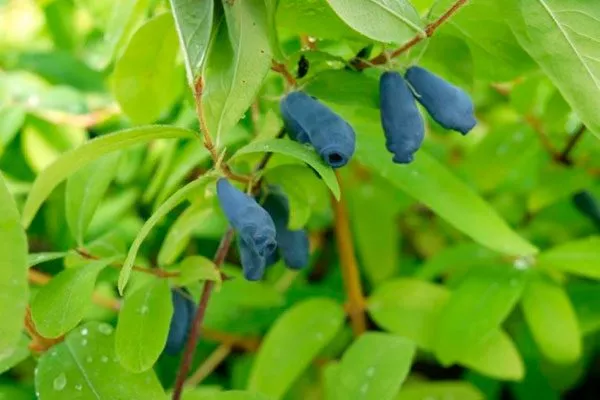
Features of the variety:
- A rounded bush with a spreading crown reaches a height of about 1.5 m and a width of 1.2 m.
- The shoots are reddish-brown in colour, of medium thickness and have an abundance of leaves.
- The leaves are oval-elongated, slightly pointed, green in color.
- The fruits are dark blue in colour, have an elongated shape and are covered with a bluish waxy coating.
- The average weight of fruits is about 1 g.
This variety is self-sterile. To produce a harvest, a neighboring bush of another honeysuckle species is required to act as a pollinator.
Blue dessert
It is the product of research by scientists at the I.V. Michurin Federal Scientific Center (Russia). It was added to the State Register in 2005.
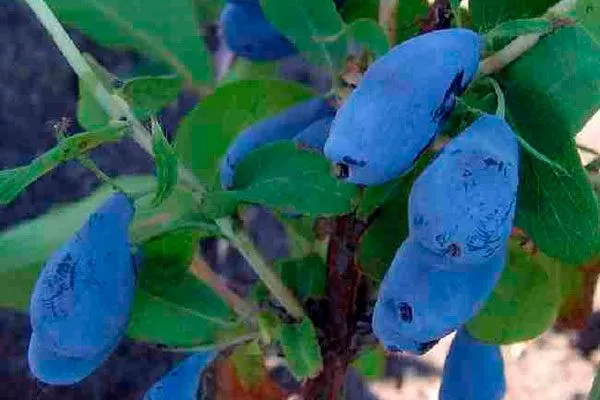
Features of the variety:
- A medium-sized bush with an oval crown. The shoots are erect, slightly pubescent, and reach a height of up to 1.5 m.
- The leaves are lanceolate, green.
- The fruits are round-elongated, blue in colour with a bluish tinge and weigh from 0.7 to 0.8 g.
- The berries have a sweet taste with a slight sourness.
Under favorable conditions, a single bush can yield up to 3 kg. Pollinators are essential for high yields.
Blueberry
It was bred in the Urals in the 1980s as a result of accidental pollination of Smolinskaya seedlings. The variety is self-sterile, so a pollinator is required for a harvest.
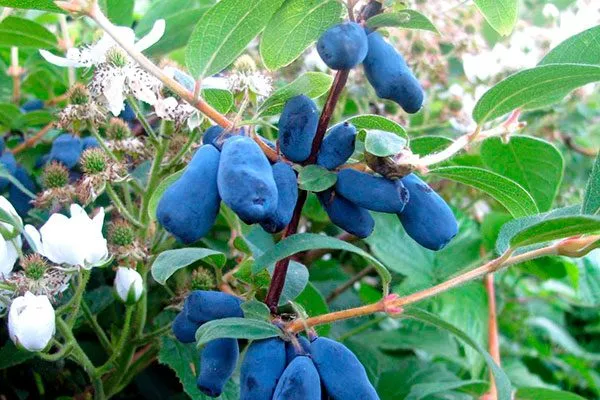
Features of the variety:
- The bush reaches a height of 1.5 m, but retains a compact shape resembling an inverted cone.
- The shoots are straight and strong.
- The leaves are lanceolate, light green, small.
- The berries are purple in color, with a thin bluish bloom, weighing about 1 g each.
- The fruits taste like blueberries.
The yield is above average – from 2 to 2.5 kg of fruit are collected from one bush.
Landing rules
To ensure a bountiful honeysuckle harvest and healthy growth, choose a suitable planting location in the garden. A well-drained area protected from the wind is ideal. It's important to ensure the groundwater level is at least 1.5 meters above the soil surface.
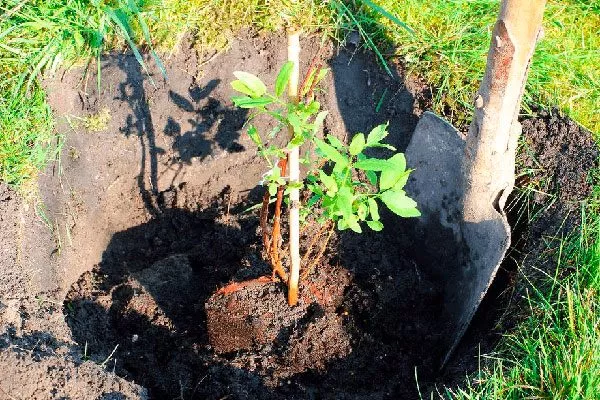
Prepare the site a month before planting: dig deeply and clear away weeds. Measure the soil's acidity: if it's too acidic, add dry lime; if it's too acidic, add high-moor peat. It's best to plant in early spring or after the leaves have fallen in the fall.
When planting, follow these instructions:
- Dig holes 40 cm in diameter and depth.
- Place a 5 cm thick layer of drainage material at the bottom of the hole.
- Form a mound of nutritious soil mixture in the center.
- Place the seedling, distributing its roots evenly over the mound.
- Fill with the remaining soil and fertilizer, compact thoroughly.
Water the plant generously and mulch the area around the trunk.
Care
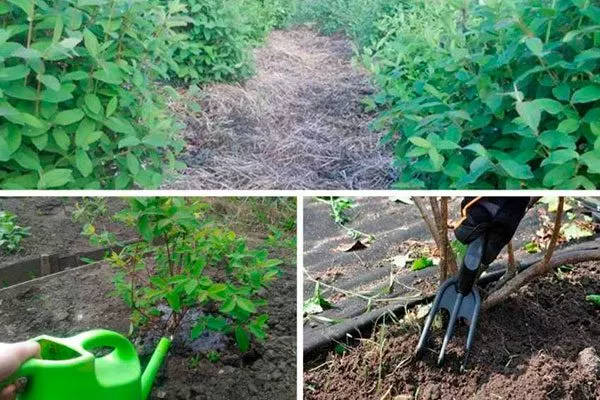
Kamchatka honeysuckle care is simple, so even novice gardeners can easily grow it. Follow these simple steps:
- Watering. Regular watering is important, especially during the fruit ripening and maturation period. Pour at least 10 liters of water under each bush. In hot weather, increase the amount of water, but avoid overwatering, as honeysuckle does not tolerate stagnant water in the roots.
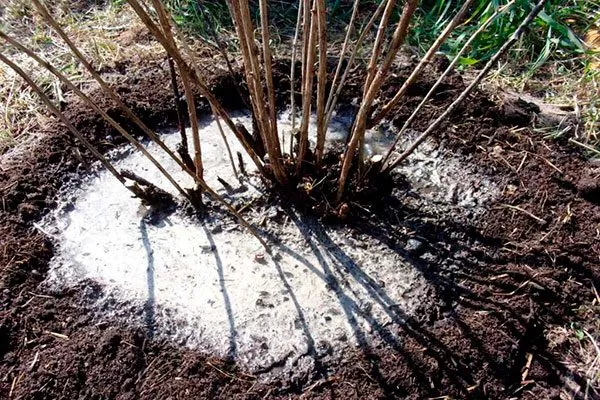
- Top dressing. During the first three years after planting, no fertilizer is required, as the bush is sufficiently nourished by the nutrients added at planting. Starting at three or four years of age, begin feeding the bush with organic fertilizers (compost, humus, or rotted manure), especially if the bush is producing weak growth.
In spring, additional use of nitrogen fertilizers is permissible. - Trimming. Inspect the plant annually in spring and fall and remove dry and broken shoots. Periodically prune old branches that stop producing fruit. Optimal fruiting occurs at about 7 years of age.
Reproduction
Kamchatka honeysuckle is propagated by seed or vegetatively. To preserve the desired characteristics of the variety, vegetative techniques such as cuttings and division are preferred.
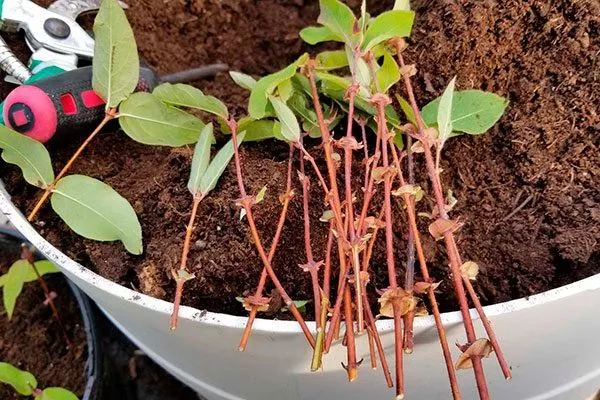
Cuttings are a simple and effective method. Cuttings can be rooted several times per season:
- At the end of March or the beginning of April. Cut 15-17 cm long cuttings from branches at least 7-8 mm thick. Treat them with a rooting stimulant and plant them at an angle to a depth of about 10 cm.
- After flowering. Use one-year-old shoots with fresh growth. Plant them in the soil at a depth of 5-7 cm.
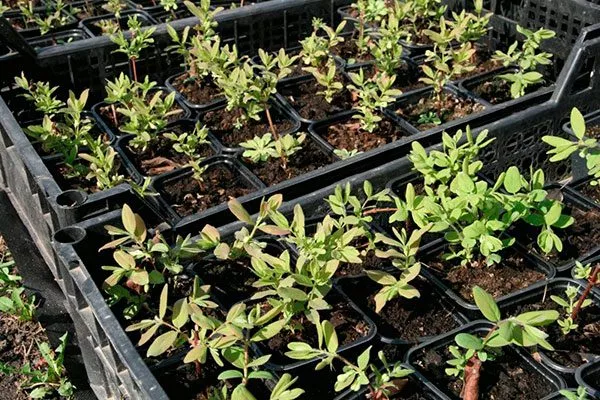
- At the end of June. Plant the current year's green cuttings with the top bud at a depth of about 10 cm. Keep the soil around the cuttings constantly moist.
Diseases and pests
Kamchatka honeysuckle is generally rarely susceptible to disease. Incorrect planting location and inadequate care can lead to various problems:
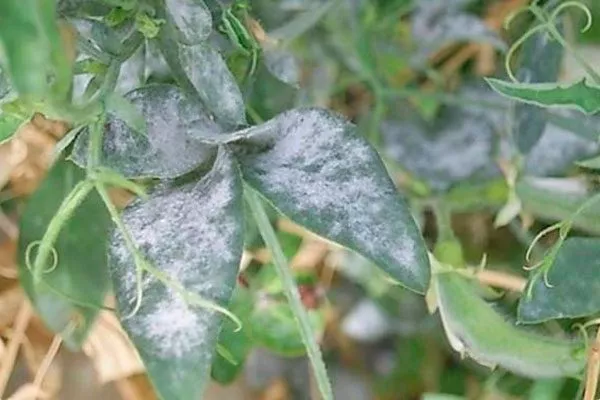
- Powdery mildew. A fungal disease, especially common in damp and cool climates. Leaves become covered with a white coating that quickly progresses, leading to blackening and death. Remove and burn infected parts. Use fungicides for prevention.

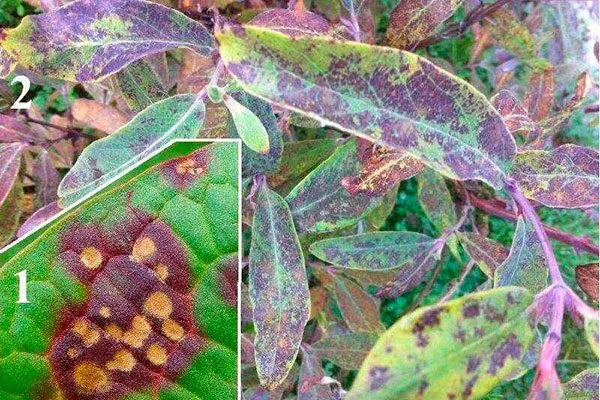
- Ramulariasis. A fungal disease that attacks leaves and shoots, reducing frost resistance. It manifests as round, light-brown spots with a dark border on the leaves.
Remove infected shoots and foliage, use fungicides for prevention.
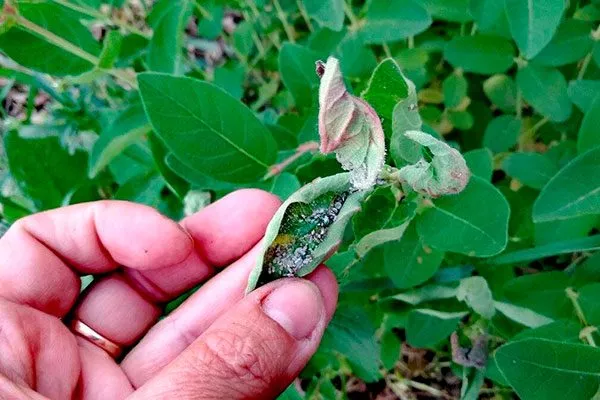
- Aphid. A common insect that feeds on plant sap, including honeysuckle. It causes significant damage due to its rapid reproduction. To control aphids, use chemicals or natural remedies.
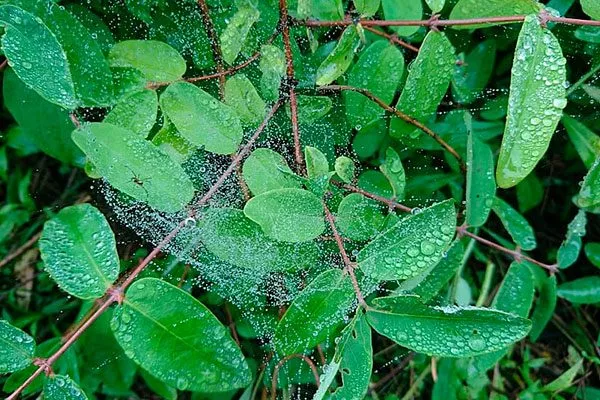
- Spider mite. This microscopic pest causes leaf curling and webbing. Use specialized insecticides to control it.
Reviews of Kamchatka honeysuckle
Kamchatka honeysuckle is a popular variety chosen by gardeners for growing in their plots. Today, there are many varieties of this crop on the market, each with its own characteristics and positive attributes. Proper care is essential for strengthening the immune system and achieving abundant harvests.