
Just a few decades ago, gardeners believed that honeysuckle was disease-free. However, over time, this belief was disproved. Today, the shrub is considered a very vulnerable plant. In this article, we will discuss the diseases it suffers from and the insects that harm the plant.
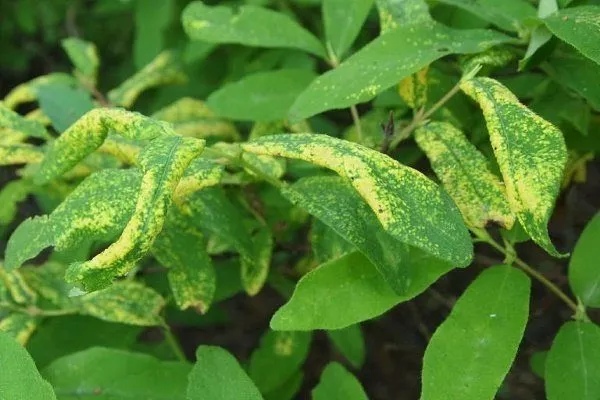
Honeysuckle diseases
Below are common honeysuckle diseases (their symptoms and treatment methods).
| Name | Type of disease | Symptoms | Methods of control |
|---|---|---|---|
| Cress mosaic virus | Viral | Reduction of internodes, formation of uneven branches | Burning infected branches and leaves |
| Red-olive spot | Fungal | Red-olive spots on leaves | Fungicides, Bordeaux mixture |
| Leaf mottling | Viral | Brown spots, yellowing foliage | Phytosanitary treatment, burning of diseased bushes |
| Frost cracks in shoots | Fungal | Shoots are bursting after winter | Spraying with Bordeaux mixture |
| Powdery mildew | Fungal | White coating on leaves | Spraying with special substances |
| Blackening of branches | Fungal | Black layer on the bark | Removing dry branches, treating with Bordeaux mixture |
| Blackening of leaves | Fungal | Mycelium on leaves | Removing dry branches, spraying with Bordeaux mixture |
| European crayfish | Fungal | The leaves are withering, there are grey spots on the branches | Removal of affected branches, chemicals |
| Cercospora leaf spot | Fungal | Round spots on leaves | Burning diseased leaves, spraying |
| Tuberculosis | Fungal | Red bumps on the branches | Removing affected branches, spraying |
| Ramulariasis | Fungal | Gray-brown markings on leaves | Spraying with copper sulfate |
Cress mosaic virus
Infection occurs through untreated planting material, and is transmitted by nematodes, which are large worms. This virus appears on young shrubs that have already established roots.
The disease is called bushiness. The symptom is characterized by reduced internode spacing, uneven branching, and the appearance of extra shoots. Foliage stops growing and dries out, and the bushes become smaller.
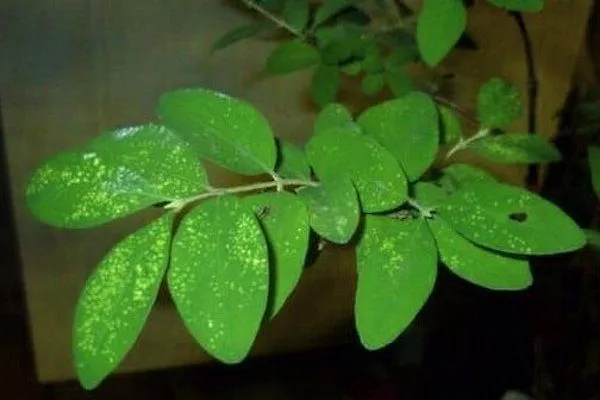
Fighting the Arabidopsis mosaic virus: burning of all infected branches and leaves.
Red-olive spot
This disease occurs due to poor care. It can be recognized by reddish-olive spots on the outer and inner surfaces of the leaves. The disease strikes plants in mid-summer. Over time, the spots develop a distinct dark hue, with borders that are almost black.
Fruiting patches appear in diseased areas, where fungal spores survive the winter. Leaves turn yellow, dry out, and fall off.
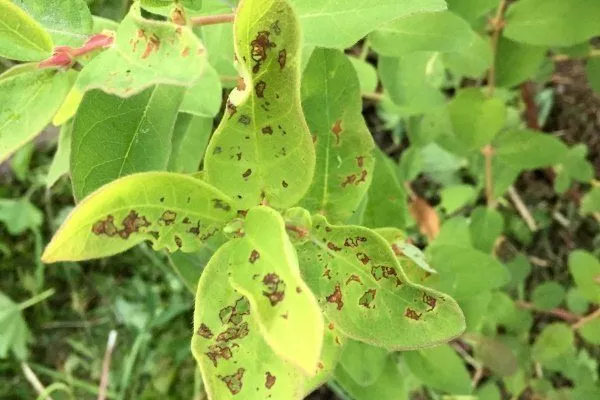
Control of red-olive spot: Use specialized fungicides, such as Mancozeb. Bordeaux mixture also produces positive results. Prevention involves pruning the shrub's crown and collecting fallen leaves or other organic debris.
Leaf mottling
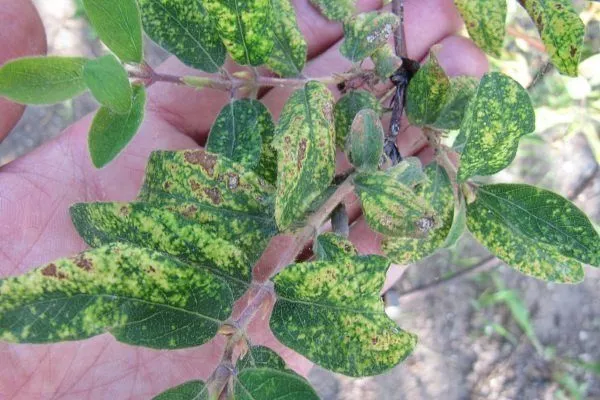
The disease is caused by various species of nematodes. Symptoms of the viral disease include the formation of brown spots in the form of arcs or streaks. The foliage also turns completely yellow.
Controlling leaf mottling: Phytosanitary treatment and burning of all diseased bushes, branches, and leaves. In the fall, the plant is pruned to remove dead branches that may harbor nematodes. Fertilizers are applied, and the soil is disinfected.
Frost cracks in shoots
Sometimes, for unknown reasons, shoots crack after winter. This phenomenon is called frost cracks. Various fungi begin to colonize the resulting voids, and their growth leads to the drying out of the shoot and the entire shrub.
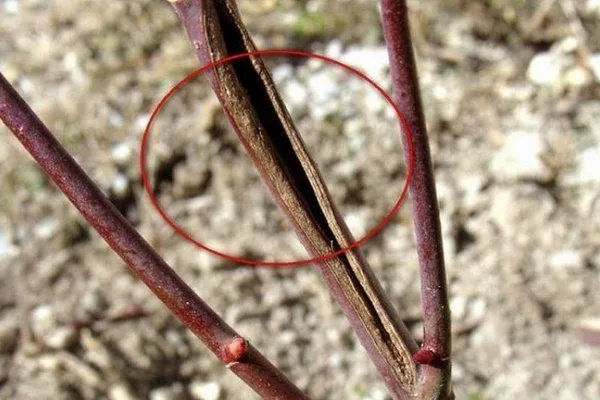
Control of frost cracks on shoots: In the spring, it's important to carefully inspect the shrub to detect any such damage and repair it as quickly as possible. After flowering, spray the plant with Bordeaux mixture to prevent fungus from developing and damaging the shrub.
Powdery mildew
This fungal disease manifests itself as a white coating on both sides of the leaf. However, it can also appear on only one side. Over time, black spots appear on the affected areas, which dry out, and the shoots become deformed. The spores that cause the disease live on the bark and all organic debris.
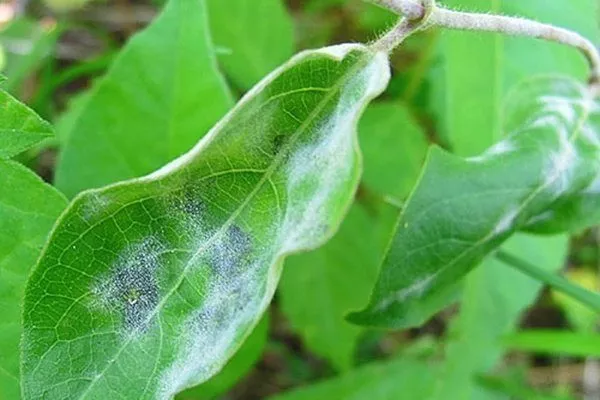
Powdery mildew control: Spraying shrubs with "Raek," "Chistotsvet," and "Tiovit." Frequent removal of dried shoots and organic debris.
Blackening of branches
The disease attacks only those branches that have already begun to die. The fungus appears on weak shoots, creating a black layer on the bark. This coating consists of mycelium containing numerous spores.
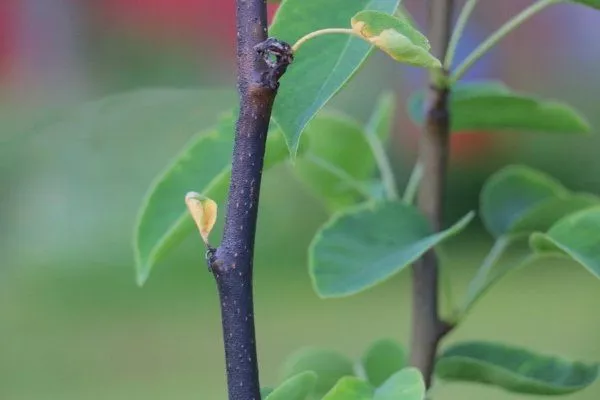
Struggle: Removing dead branches. Preventative treatments of berry bushes, carried out in the spring or immediately after flowering, are helpful. Bordeaux mixture is a good choice.
Blackening of leaves
The disease is similar to the previous one, but the mycelium appears on the foliage rather than the branches. The disease gradually spreads throughout the entire plant. The green mass breaks off, falls to the ground, and dries.
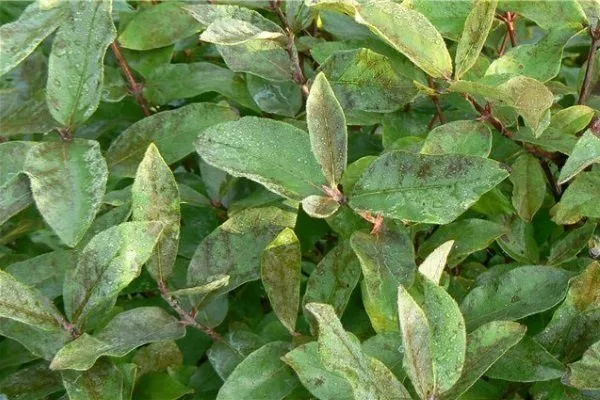
How to combat leaf blackening: Removing all dry branches. Regular spraying with Bordeaux mixture.
European crayfish
The disease is also known as common canker. It develops in warm climates; residents of northern regions will not see European canker on plants. It is caused by fungal spores, and plants become infected through wounds.
Excessive rainfall triggers more active disease development. Foliage wilts and discolors. Branch tips develop gray spots, within which brown or black areas, representing fungal spores, can be seen.
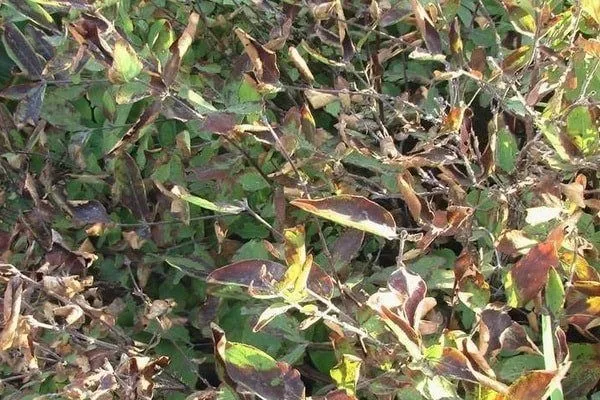
Fighting European cancer: Preventative measures such as regular watering and spraying will help reduce the likelihood of disease. If disease does occur, the first step is to remove all affected branches, then use chemicals that combat fungal diseases.
Be sure to wear gloves or purchase special pest control products.
Cercospora leaf spot
The problem is related to fungal diseases of berry bushes. Round spots appear on the leaves. Initially, they are a dull green color, later turning brown. The green mass gradually dries out. On a rainy day, a "black rash" appears under the leaves.
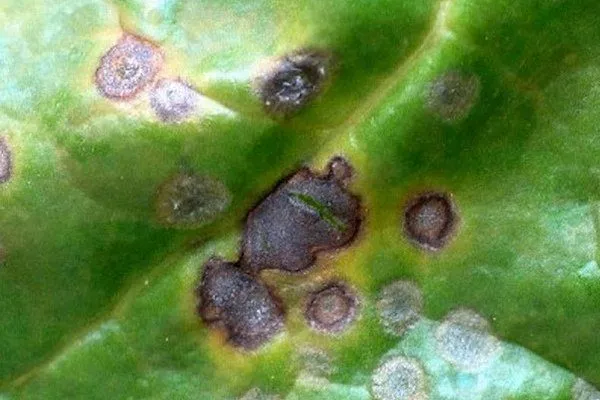
Control of cercospora leaf spot: All diseased foliage is collected and burned. Afterwards, spray with Bordeaux mixture, soap solution, cuprozan, or Fundazol. Experienced gardeners recommend carrying out preventative measures such as treatments in early spring to prevent the disease from recurring.
Tuberculosis
This disease is also known as shoot dieback. It causes a lot of trouble for gardeners, with red bumps appearing on diseased branches. Spores then begin to infect other branches. Additionally, mycelium appears in the plant's bark.
In early summer, the leaf blades wither, and all branches lose their original appearance. By late summer, red bumps form on the stems again. Spore dispersal begins anew. The fungus, the source of the disease, overwinters on weakened branches.
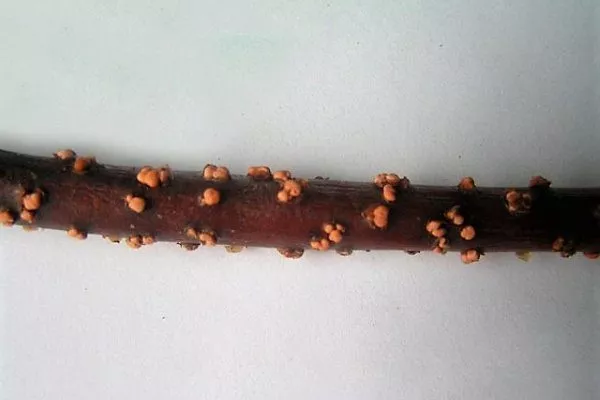
Fight against tuberculosis: Affected branches are removed and completely burned. Bordeaux mixture and copper oxychloride are suitable sprays.
Ramulariasis
Commonly known as white spot, the disease often affects honeysuckle. At the onset of the disease, small gray-brown marks appear on the shrub's foliage. These marks are characterized by an irregular shape and a white center.
As the plant grows, the spots enlarge. On a rainy day, the fungus forms a white coating on the leaves. The leaves lose all nutrients, the roots become weaker, and the plant dies before our eyes. During winter, the pathogen lives in the soil or in fallen leaves. Subzero temperatures and humidity promote the development of the disease.
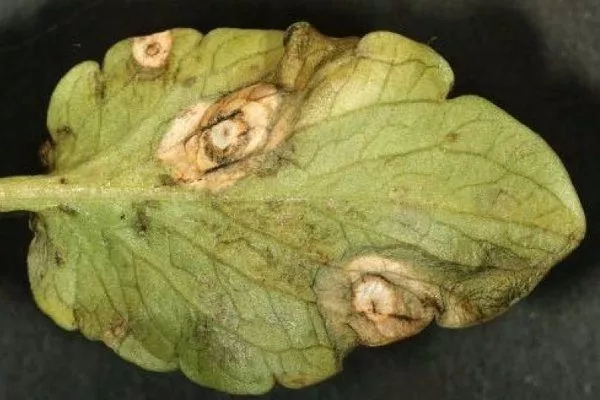
Control of Ramularia: Spraying the bush with a solution containing copper sulfate as the main ingredient will be effective. "Fundazol" will be effective. The following fungicides can be used: "Topaz," "Quadris," "HOM," "Strobi," and "Apirin B."
Honeysuckle pests
Insects that harm shrubs are common in all regions and countries, so gardeners need to know as much about them as possible to save the bush in time.
| Name | Pest type | Symptoms | Methods of control |
|---|---|---|---|
| Honeysuckle mite | Mite | Spots without definite shapes on leaves | Treatment with special substances |
| Honeysuckle fingerwing | Butterfly | The fruits darken and fall off | Application of Inta-Vir, natural tinctures |
| Honeysuckle aphid | Aphid | The leaves are curling up and turning yellow. | Early spring treatment |
| Rose leaf roller | Butterfly | Damaged areas of the plant | Use of Elesar and Actellic |
| Leaf miners | Fly | Passages on leaves | Destruction of eggs, spraying |
| Gooseberry moth | Butterfly | The leaves are gnawed down to the skeleton | Spraying with preparations |
| Willow and acacia scale insects | Scale insect | They suck out the juice | Spraying with Rogor and Actellic |
| Mealybug | mealybug | Losses of entire branches | Treatment with special agents |
| Root nematode | Nematode | Decreased plant immunity | Root system treatment |
Honeysuckle mite
Mites are common in humid climates, preferring shady areas. Several species of this pest can infest a plant. If irregular spots form on the underside of the foliage, and by August the entire foliage turns brown and curls, the pest is a rhinoceros.
The mites cause the corners of leaves to become ruffled and fall off. The upper surface of weak leaves becomes covered in a black dust-like spore.
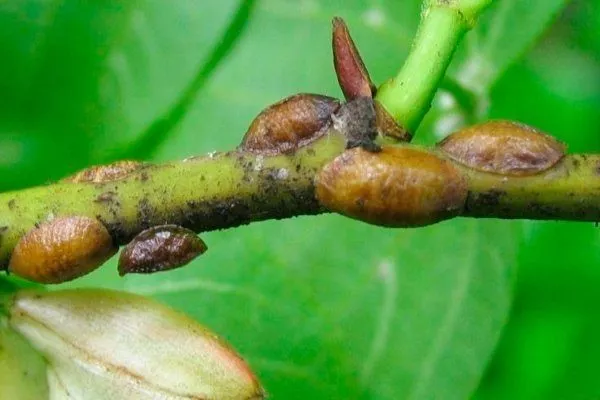
Control of honeysuckle mite: Regular thinning of plants and pruning of branches. Treatment of plants with special substances: "Omite," "Mavrik," or "Tedion." At the end of the first month of summer, "Actellic" (0.25%) and "Rogor" (0.25%) can be used.
Honeysuckle fingerwing
A small gray butterfly, its caterpillars feed on fruits and berries, even pits. This pest causes fruits to darken, shrivel, fail to ripen, and fall off.
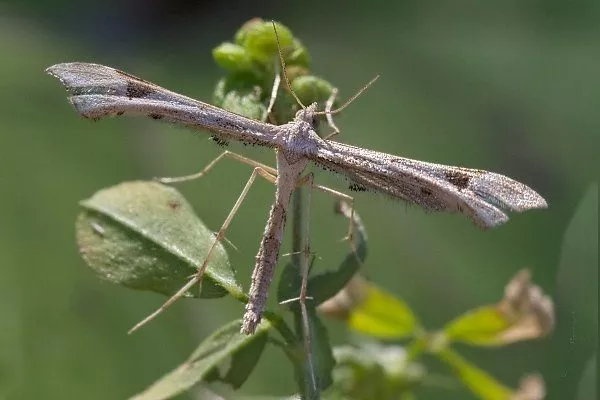
Control of honeysuckle moth: Inta-Vir, a natural infusion of tomato and potato tops, has proven effective. There have been cases where the pest has decimated the entire crop, but control in these cases is harmful to the plant itself, as it's not recommended to spray bushes with ripening fruit.
Honeysuckle aphid
When this honeysuckle pest appears, shoots begin to turn yellow, either completely or in parts. Another symptom is foliage curling into various shapes. Honeysuckle aphids are gray larvae that migrate to cereal crops, returning in the fall to lay eggs.
There are two types of aphids: terminal and green. Terminal aphids curl the upper leaves, causing them to die, and stopping branch growth. The second type attacks the entire green mass of the bush. It can appear throughout the year.
The first generation of insects can be observed in early summer, the second at the end of the first month of summer. The larvae deprive the green mass of sap and all nutrients, and the plant dies.
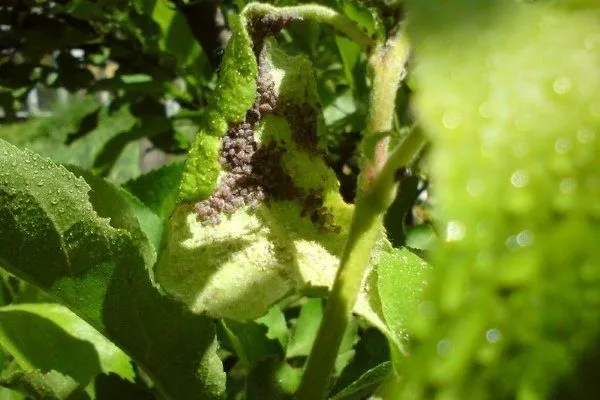
Control of honeysuckle aphid: Summer treatments against the pest will be of little or no use. The shrub should be treated in early spring before bud break to kill any overwintering larvae. For this purpose, use "Eleksar," "Aktara," or "Rogor" (0.2%).
Rose leaf roller
It's a small, brown butterfly that lays eggs. The green caterpillars live in honeysuckle and feed on shoots, buds, and anything else they can find. Damaged areas of the plant coalesce into a single mass, covered in webbing.
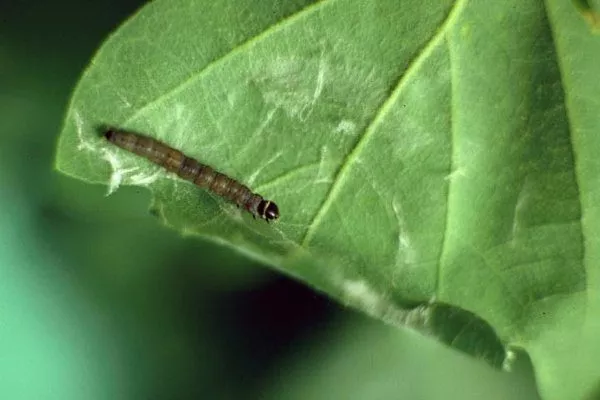
Struggle: They use products like "Elesar" and "Actellic." Pine infusion also produces excellent results; it can be made at home or purchased at a pharmacy, diluted with water, and used for regular treatment.
Leaf miners
Larvae cause irreparable damage. Female pests lay eggs on foliage, which hatch into 0.2-0.3 cm long larvae. For a couple of days, the pests chew tunnels through the foliage. The insects then remain on the foliage surface as pupae for 2-3 weeks. The females also cause damage, being the primary vectors of fungal diseases.
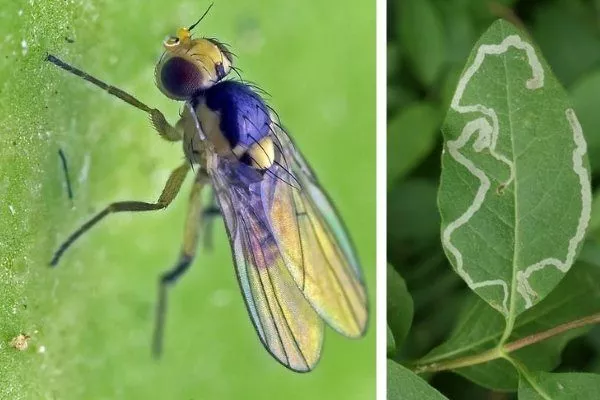
Control of leaf miners: Destroy eggs with paraffin-containing substances, burn fallen or damaged leaves, and spray with pyrethrum-containing substances six times with one-week intervals. Pests adapt to chemicals, so be sure to dig the soil in the fall and spring and use sticky objects to trap them.
Gooseberry moth
This is a large, light-colored butterfly. It lays a huge number of eggs, which hatch into caterpillars. These caterpillars are difficult to save from the foliage, as they strip the leaves down to the skeleton. There are over 10 varieties of butterfly larvae.
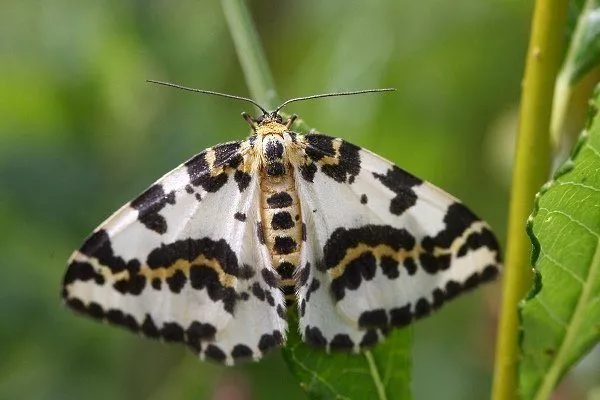
Struggle: spraying with these preparations - Fitoverm, Actellic, Karbofos and Fufanon.
Willow and acacia scale insects
Scale insects inhabit almost all berry bushes and are fond of the fruit of trees; some are even found on houseplants. In the spring, the awakened larvae quickly spread throughout the garden. They begin sucking the sap, resulting in the death of the plants.
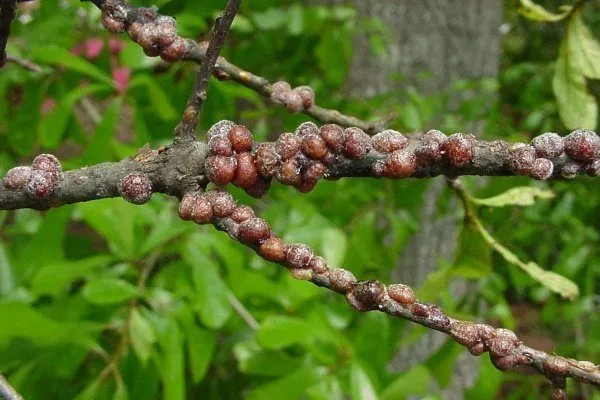
Fighting scale insects: Spraying honeysuckle twice with Rogor and Actellic is effective. This procedure is performed in mid-summer, with a two-week break between each treatment.
Mealybug
It is a sucking insect, the size of one pest reaches 0.5 cm. The body of the worms is covered with a special coating.
If honeysuckle is attacked by this pest, the losses will not be leaves or shoots, but entire branches. The females cause the most damage; they lay approximately 500 eggs in early summer. The larvae overwinter under the bark of the plants and can be found in cracks in peeling bark.
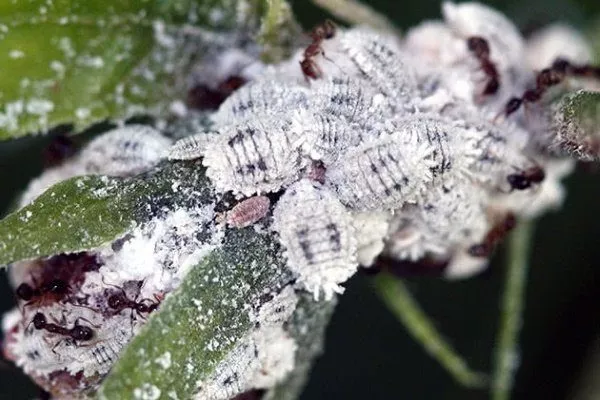
Mealybug Control: Shrubs are treated with special products such as "Rogor" and "Aktellik." Solutions should be 0.2%.
Root nematode
The pest lives in the soil. The worm reaches a length of 0.3 cm. The root-knot nematode sucks the sap from the root system. As a result, the honeysuckle's immunity is weakened. The plant becomes weakened and susceptible to various fungal diseases. The pest infects the shrub with viral diseases, which are very difficult, if not impossible, to cure.
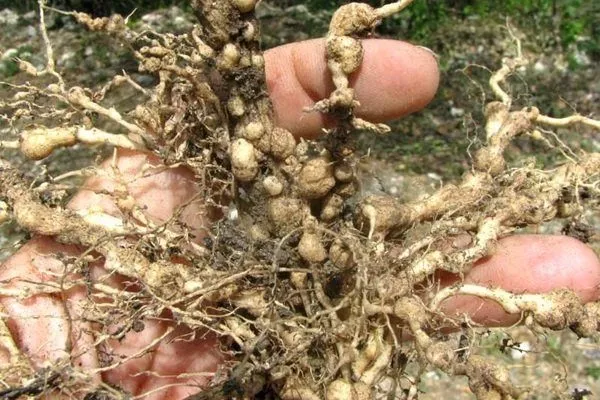
Control of root-knot nematode: The root system needs to be treated, using Topsin-M (0.2%). If the gardener notices the problem early and strictly follows the treatment instructions, the desired results can be achieved fairly quickly.
Why does honeysuckle dry out?
Honeysuckle affected by disease or pests begins to dry out. This is often due to fungal diseases. Fungal spores cause individual branches to dry out, and the leaves turn brown or yellow. The pathogens penetrate the plant more and more rapidly.
The sooner the gardener destroys the affected branch (along with the healthy part) and carries out the necessary spraying, the sooner the plant will recover and the green mass will stop drying out.
- ✓ Presence of spots without a specific shape on the underside of the leaves.
- ✓ Leaves turn brown and curl in August.
- ✓ The upper part of weak leaves becomes covered with spores in the form of black dust.
The use of chemicals in spring is unacceptable, otherwise the fruits will accumulate pesticides.
Honeysuckle is a robust plant, but it can sometimes be attacked by various diseases and pests. Avoid this by taking preventative measures and treating the plant promptly, and your honeysuckle will delight you with a bountiful harvest for years to come.