
Vostorg is one of the recently developed domestic honeysuckle varieties. It is characterized by early ripening berries and high yields. This berry variety shares the unique qualities of its wild parent: hardiness and winter hardiness. Moreover, it is far superior in flavor to wild honeysuckle.
Breeding history
| Name | Ripening period | Disease resistance | Berry size |
|---|---|---|---|
| Delight | early | high | large |
| Usulga | average | average | average |
| Blue Cliff | late | high | large |
| Delight | early | average | small |
| Avalanche | average | high | large |
Vostorg is an achievement of the staff of the Bakcharskoye Federal State Unitary Enterprise (the only nursery in Western Siberia specializing in developing new honeysuckle varieties). In 2012, the variety was submitted for state testing along with other new varieties:
- Usulga;
- Blue cliff;
- Delight;
- Avalanche.
Characteristic
Delight has become a favorite among domestic gardeners due to its many excellent characteristics, which distinguish this variety from other varieties of edible honeysuckle.
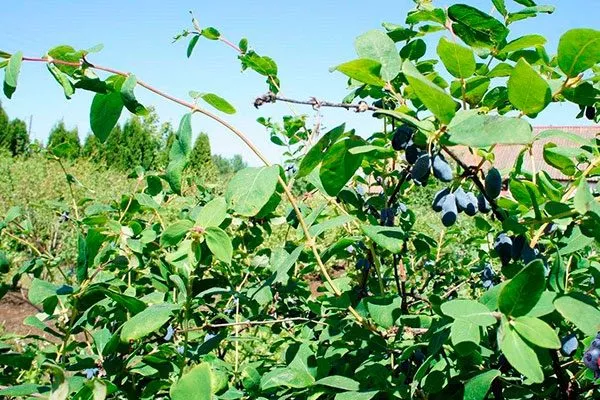
Appearance, taste
The bushes of this cultivar have a rounded shape. Their skeletal branches are few and vertical. The crown appears sparse and delicate.
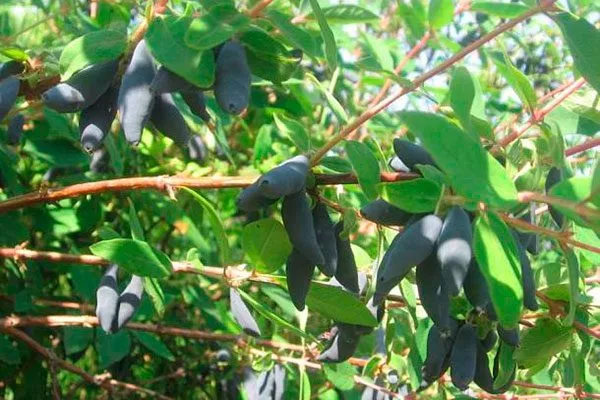
Delight Bushes have other distinctive features:
- dimensions (height/width) - 170/170 cm;
- brown-brown color of skeletal branches;
- pale green color of straight annual shoots;
- medium-sized leaves, green in color, covered with bristly hairs.
The berries of this honeysuckle variety are large (weighing up to 2.5 g) and have a regular spindle shape. They are distinguished by their dark purple skin and waxy coating.
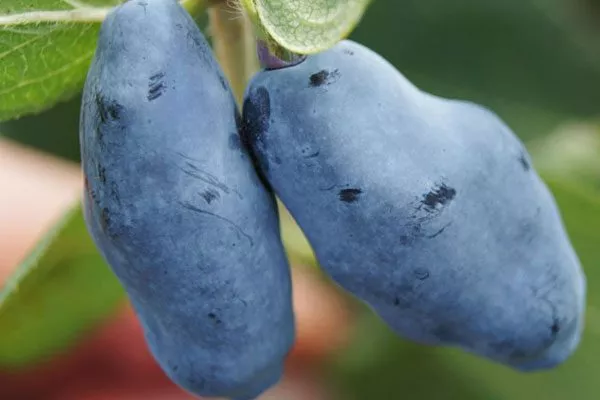
The excellent taste of the berries of this variety is due to their chemical composition, the content of substances in which is as follows:
- sugars (glucose, fructose, sucrose) - 8.9%;
- acids - 2.6%;
- Vitamin C - 52.4 mg.
The fruits of the Vostorg variety also have medicinal properties. They contain many substances beneficial to the human body, such as:
- antioxidants, in particular ascorbic acid;
- P-active compounds;
- selenium.
Eating this variety of honeysuckle helps strengthen the immune system and prevent the development of tumors. The berries' healing properties are not lost when cooked.
Features of application
The honeysuckle harvest Delight is universal in its purpose:
- the berries are eaten fresh, without being heat treated;
- jam, preserves, and compotes are made from them;
- grind into puree with the addition of granulated sugar;
- canned;
- frozen for the winter.
The fruits of this variety can be stored in the freezer for up to 1 year. They will retain their nutritional properties and remain delicious.
Pollinators
| Name | Skin color | Taste | Bush size |
|---|---|---|---|
| Yugana | dark purple | sweet | 170 cm |
| The Giant's Daughter | blue | sweet and sour | 180 cm |
| Bakcharsky Giant | dark blue | sweet | 200 cm |
| Silginka | blue | sweet and sour | 160 cm |
| Strezhevchanka | dark purple | sweet | 170 cm |
| Alicia | blue | sweet and sour | 150 cm |
| Bakcharskaya Jubilee | dark blue | sweet | 190 cm |
| Pride of Kuban | violet | sweet and sour | 180 cm |
Delight, like almost any honeysuckle variety, is self-sterile. To produce a harvest, it requires cross-pollination. To achieve this, gardeners plant at least three bushes of different varieties close together, maintaining a distance of 150-200 cm between them.
Experts have included the following in the list of the best pollinator varieties for Vostorg:
- Yugan;
- The Giant's Daughter;
- Bakcharsky Giant;
- Silginka;
- Strezhevchanka;
- Alicia;
- Bakcharskaya jubilee;
- Pride of Kuban.
Ripening period, yield
This variety blooms in May. The fruits ripen in mid-June (the second ten days of the month). The yield of the honeysuckle variety Vostorg is high, but varies depending on the age of the plant:
- One plant produces 1.3-2.5 kg of berries, starting from the third year of life;
- up to 5.5 kg - produced by mature honeysuckle that has reached the age of six years or older.
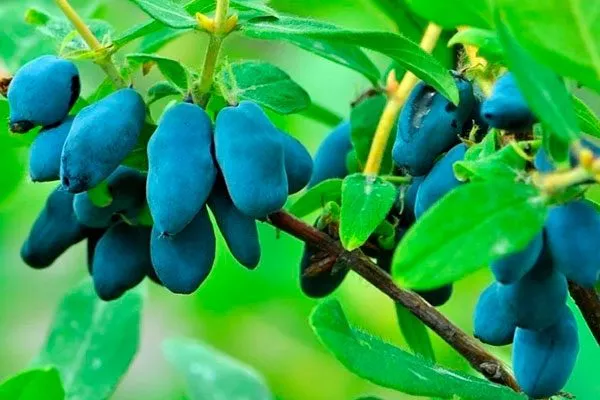
If you provide the bushes with favorable growing conditions and give them proper care, they will bear fruit for 3 decades.
Resistance to cold and drought
Honeysuckle is one of the most frost-hardy berry crops, able to withstand harsh winters with severe frosts and gusty winds. It is suitable for growing in the northern part of Russia. Delight is characterized by increased winter hardiness:
- the variety is intended for cultivation in frost resistance zones 3-4;
- its bushes can withstand temperatures down to –40°C;
- Flower buds are not damaged by recurrent frosts down to -8°C.
Delight is also characterized by good drought tolerance. However, in conditions of low moisture, the bush's yield declines. In areas where summer temperatures rise above 30°C, abundant harvests are rare.
Features of fruiting
This honeysuckle variety differs from its peers in its early flowering and fruiting. The first berries appear on the bush within the first year after planting.
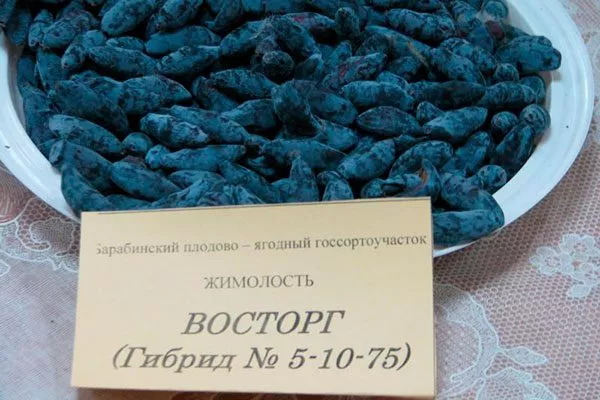
At three years of age, it produces 1.3 kg of yield. Peak yields are observed between 6 and 15 years of age.
Pros and cons
Honeysuckle Delight has many advantages:
Secrets of growing
Bushes of this variety grow slowly. During the first two years of development, the Delight honeysuckle strengthens its roots. Its root system exceeds the diameter of its crown. Gardeners take this characteristic into account when loosening the soil and fertilizing.
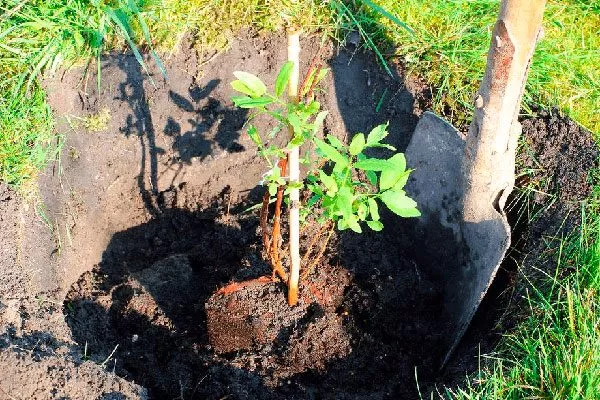
- ✓ The seedling must have at least 3 healthy skeletal branches.
- ✓ No visible damage to the bark and root system.
The bush is planted in open ground in spring, summer, and fall. However, fall planting, from early September to mid-October, is preferable.
For intensive growth and fruiting, Honeysuckle Delight requires the following soil:
- light, loose;
- loamy;
- neutral or slightly acidic;
- fertilized with mineral compounds or organic matter;
- moisturized;
- well drained.
- ✓ The soil pH level should be strictly within 6.0-6.5 for optimal nutrient absorption.
- ✓ The depth of groundwater is at least 1.5 m to prevent rotting of the root system.
To plant, prepare a hole 10 cm deep in advance. Fill it with a mixture of equal parts soil, humus, wood ash, and superphosphate. Place the seedling in the hole, cover its roots with loose soil, and lightly compact the soil. Water the plant. Once the soil has dried, cover it with a layer of mulch.
Caring for the Delight honeysuckle is simple. It includes the following steps:
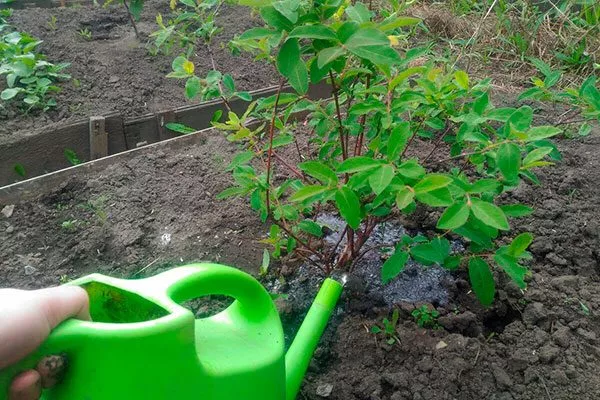
- WateringThe plant loves moisture but does not tolerate stagnant water. During the first year, water young plants regularly to promote rooting. Allow the top layer of soil to dry out between waterings. A lack of moisture will negatively impact the flavor and size of the berries.

- MulchingApply a 5-7 cm layer of organic mulch over the root zone. This will prevent weeds and retain soil moisture. Increase the mulch layer before winter.
- Top dressingThere's no need to fertilize the bush for the first two years after planting it in fertilized soil. In the third year, add organic matter (bird manure infusion, mullein, or fermented herbal fertilizer). Fertilize honeysuckle in the spring before bud swelling, during flowering, and after the foliage has fallen in the fall.
- TrimmingEach mature Vostorg bush should have no more than 18 skeletal branches. Remove excess branches in early fall. For plants over 15 years old, remove branches that have not produced fruit annually to prolong fruiting.
Perform rejuvenating pruning in the summer. To do this, cut all branches back to the stump. - Preparing for winterThis variety is resistant even to Siberian frosts. The bush does not require additional winter protection. Tie it to a stake and cover it with pine needles to protect it from rodents. Cover the honeysuckle with netting to protect it from birds feasting on the buds.
Protection from diseases and pests
The 'Vostorg' honeysuckle has a strong immune system, but if cultivation practices aren't followed, it can become infected by neighboring plants. Prolonged rains also trigger diseases.
If this berry crop is grown incorrectly, gardeners are forced to struggle with:
- Pests (aphids, mites, scale insects, leaf-eating insects). They are controlled with insecticides and acaricides such as Actellic, Confidor, Decis, as well as an infusion of tobacco, garlic, or pepper. Avoid using chemicals during fruiting; instead, use folk remedies.
- Fungal diseases (powdery mildew, cercospora leaf spot, ramularia leaf spot). The bush is treated with Fundazol, Topaz, Fitosporin, and copper sulfate.
- Cress mosaic virusThis disease is incurable. The affected bush is uprooted, and the area is disinfected.
To prevent diseases and pests, prune honeysuckle regularly. This will ensure good air circulation within the crown.
Reproduction
Honeysuckle propagation is carried out in different ways:
- layering;
- by cuttings;
- dividing the bush (used only for seedlings that are more than 8 years old);
- seeds.
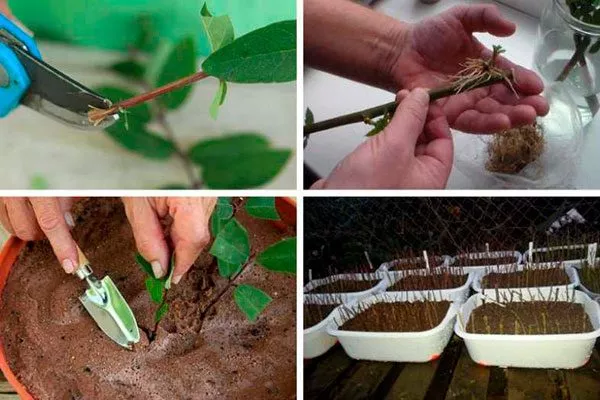
Gardeners do not welcome the latter method because it reduces the varietal qualities of the Delight honeysuckle.
Harvesting
The berries of this variety ripen uniformly. The fruit drop rate is 30%. It's time to start picking them when the skin turns dark blue. Gardeners do this mechanically and by hand. The berries are easy to pick. They can also be shaken onto a mat.
Reviews
Delight is a relatively new honeysuckle variety that has become a favorite among Russian gardeners. With minimal care and favorable growing conditions, it delights with a bountiful harvest of large, delicious fruits that are completely free of bitterness.