
The "Volshebnitsa" honeysuckle is suitable for cultivation in risky gardening zones. It is a large-fruited, frost-resistant variety that ripens early. Even if the summer is forecast to be short, the berries will still have time to ripen. The shrubs are often used to decorate garden plots.
Origin
The variety was developed at the South Ural Research Institute of Potato and Fruit Growing, using open pollination. The Kamchatka variety Smolinka was used as the parent variety. The first varietal seedling was obtained in 1993, but it was not added to the country's state register until 2000, after seven years of testing.
Characteristics
The sorceress has a number of positive qualities that influence its ease of cultivation and yield. However, there are some nuances that are especially important to be aware of.
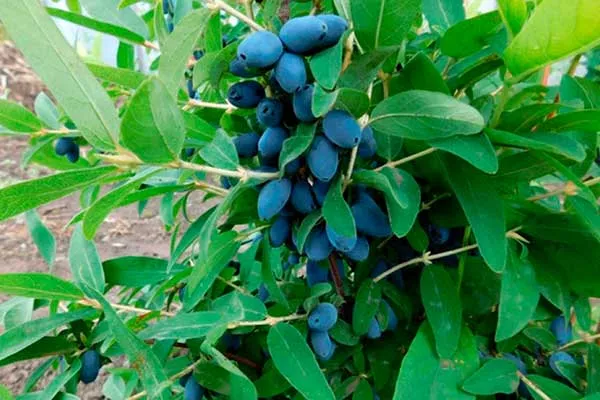
Appearance of the plant
| Name | Disease resistance | Flowering period | Soil requirements |
|---|---|---|---|
| Sorceress | High | May | Average |
| Cinderella | Average | May-June | Low |
| Amazon | High | June | High |
| Berel | Low | May | Average |
The shrub is slightly spreading and low-growing, reaching a maximum height of 130-150 cm. The shape of the bush is more reminiscent of a miniature tree, but the crown type can be modified by using different shaping methods.
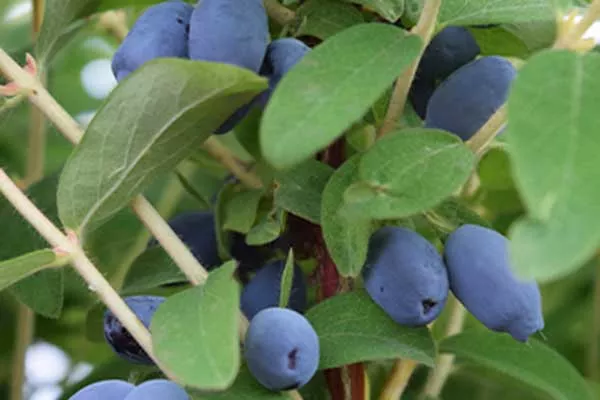
Peculiarities:
- shoots – erect, with matte bark and a waxy coating of a reddish-brown hue;
- leaves - completely smooth, dark green in color and slightly concave in shape;
- leaf blade – the bend is directed towards the center, there are no serrations along the edges, the foliage is strong;
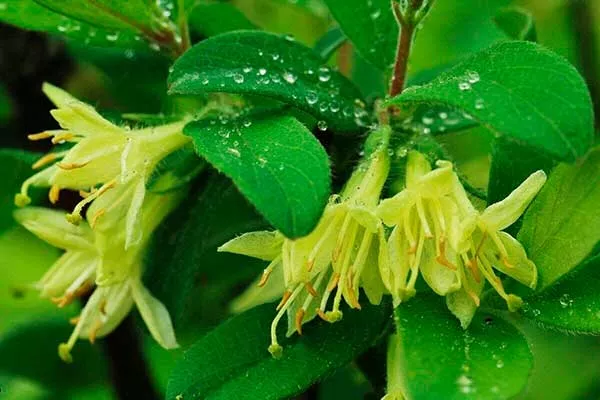
- flowers – small in size, light yellow in color and waxy in surface, found in large numbers.
Berries and their taste qualities
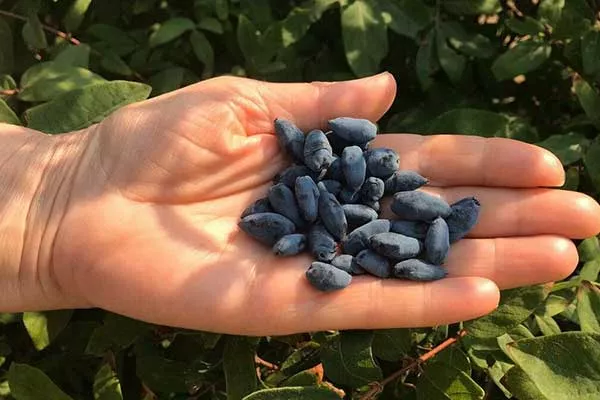
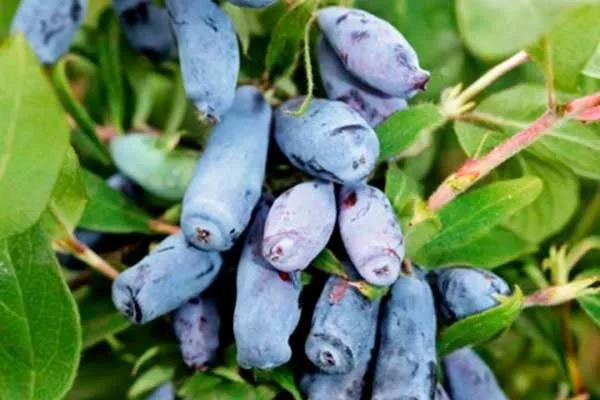
The peculiarity of the Sorceress is the different sizes of fruits, which are characterized as large:
- weight of one berry – 0.8-1.5 g;
- form - oval-elongated;
- color - dark blue;
- shade of plaque – blue;
- skin – moderately thick and dense;
- pulp – dense and juicy;
- aroma – gentle;
- taste - sweet, without acidity.
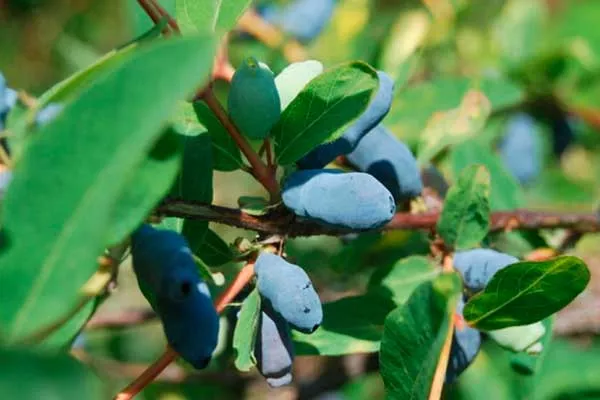
Features of application
The berries are eaten fresh, frozen, dried, cured, and ground with sugar. They are also preserved by making jam, preserves, or compotes. They can also be juiced to make alcoholic beverages such as wine, cordials, and liqueurs.
Ripening period, yield and fruiting
This is an early-ripening variety, with ripening time varying depending on the growing region. In central Russia, the harvest is usually in late June or mid-July. Volshebnitsa begins bearing fruit in its fourth, and sometimes even fifth, season, which is rare (early fruiting is typically characterized by an earlier period).
With minimal care, each Volshebnitsa bush can yield approximately 450-550 grams of fruit. With improved agricultural practices, the yield can increase to 1.5-3 kg per bush. This equates to an average of 40.5 centners of berries per hectare.
Pollination and pollinators
For successful fruiting, Volshebnitsa requires pollinating varieties such as Dlinnoplodnaya, Chelyabinka, Smolinka, Izyuminka, Chernichka, and Sineglazka.
Resistance to cold and drought
It tolerates frost well, able to withstand temperatures down to -35-40°C, but flower buds can be damaged at -5°C and below. Drought doesn't significantly affect growth or yield, but can cause bitterness and astringency in the berries, as well as premature shedding.
Growing regions and climate requirements
The variety is suitable for cultivation in the Chelyabinsk region, but it can also be cultivated in other regions, including the Northern, Northwestern, Far Eastern, East Siberian, and Central Russia.
Advantages and disadvantages
This variety has long been mastered by our gardeners, who have managed to appreciate all of its positive and negative qualities.
Difference from other varieties and hybrids
The "magic" honeysuckle is often compared to other varieties of honeysuckle. However, it has significant differences, which are reflected in the table:
| Variety/hybrid | Weight of one berry in grams (average) | Taste indicators | Fruit shape | Average yield in centners per 1 hectare |
| Sorceress | 1-1.2 | Sweet | elongated-stretched | 40.5 |
| Cinderella | 1.1-1.3 | Sweet with a slight sourness | Fusiform, elongated | 10.5 |
| Amazon | 1-1.1 | Sweet and sour | Pitcher-shaped | 45.0 |
| Berel | 0.40-0.5 | sweet and sour, but there is also a hint of bitterness | By type of jug | 75 |
All varieties are considered early ripening.
Propagation of edible honeysuckle Volchnitsa
Honeysuckle 'Wizard' can be successfully propagated in a variety of ways, but the following are considered the most effective:
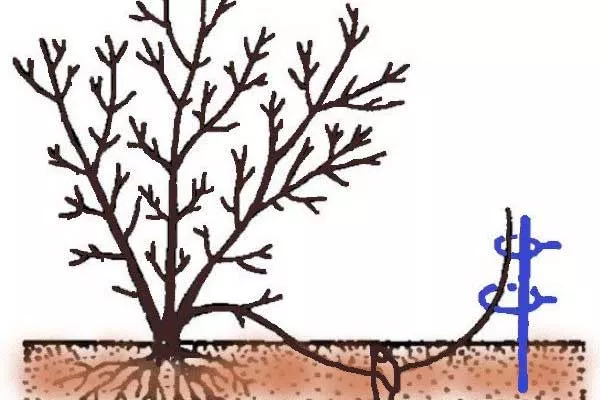
- By layering. For this method, select a strong shoot, place it in a pre-dug trench, and leave the top portion above ground. The shoot is covered with a nutritious soil mixture, thoroughly moistened, and mulched. After 10-12 months, separate the seedling from the mother plant and plant it in the chosen location.

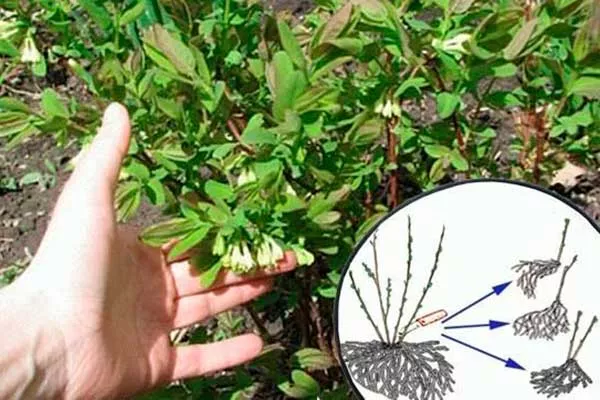
- By dividing the bush. This technique is suitable for mature plants, but only those under seven years old. The plant is carefully dug up, removed from the hole, and divided into several sections, each of which should have a fully developed root system and viable shoots. To stimulate root formation, the sections are soaked in a growth stimulator before planting.
Care and cultivation
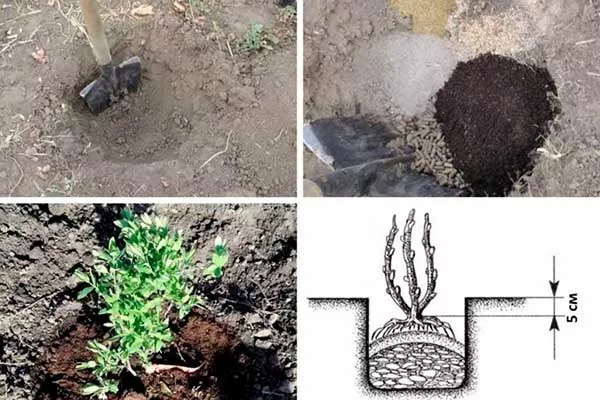
It's best to plant the sorceress in spring in regions with harsh climates, and in autumn in more favorable conditions. Before planting, soak the planting material in a growth stimulant for several hours.
- ✓ The optimal soil acidity for the Volchnitsa honeysuckle should be within the pH range of 5.5-6.5.
- ✓ The distance between bushes when planting to ensure good ventilation and access to light should be at least 1.5 m.
Growing features:
- Landing. Honeysuckle "Volnitsa" is often planted as a hedge, maintaining a distance of 150 cm between bushes. Avoid planting it where other berry bushes previously grew.
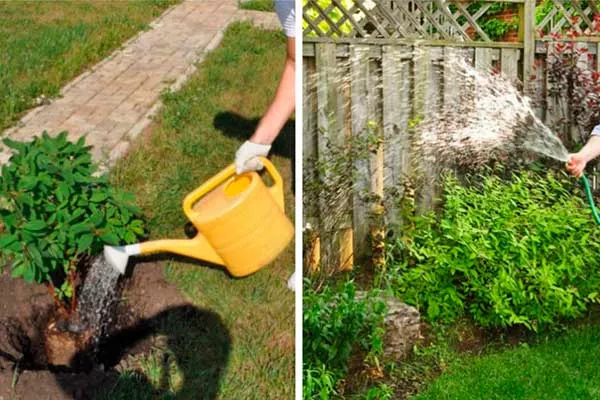
- Watering and fertilizing. In arid regions, watering depends on weather conditions, while in northern regions, three waterings per season, 15-20 liters per plant, are sufficient. Fertilizing is carried out according to the following schedule:
- in spring, urea is added;
- during the budding period – superphosphate and potassium sulfate;
- after harvesting – nitrophoska.
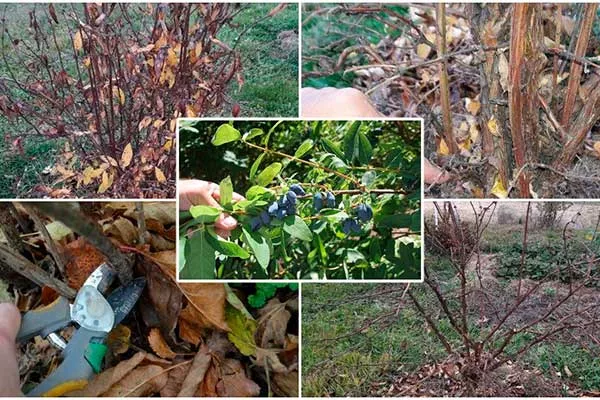
- Trimming. Sanitary and rejuvenating pruning is performed in spring or fall. Dry and diseased branches, as well as excess growth at the roots, are removed.
Preparing for winter
The Volshebnitsa is a frost-resistant variety, so it doesn't require special winter protection. Before the onset of cold weather, remove plant debris, water the bushes thoroughly, dig around the tree trunks to a depth of about 10-15 cm, apply organic fertilizer, and treat with copper sulfate to strengthen the plant's immune system.
Pest and disease control
Kamchatka honeysuckle, Volshebnitsa, is noted for its strong immunity to various diseases. However, to ensure successful growth and development, regular preventative measures are necessary. Key recommendations:
- Spring period. At the stage of bud swelling, the bushes should be sprayed with urea, Bordeaux mixture or copper sulfate.
- Prevention during budding. Treating the plant with Biotlin or Calypso.
- After flowering. When forming fruits, the use of chemicals is not recommended; instead, use biopreparations Gaupsin and Fitosporin.
- In early spring, before the buds open, treat the bushes with a 3% solution of Bordeaux mixture.
- During the budding period, treat with the biopreparation Fitosporin to prevent fungal diseases.
- After harvesting, spray the plants with a solution of copper sulfate to strengthen their immunity before winter.
Difficulties in growing
Sometimes, fall results don't quite meet expectations. There are reasons for this:
- Low productivity of bushes caused by the fact that they are in the shade.
- The pronounced bitterness of the berries' taste is due to a lack of moisture.
- Weakening of plants, wilting of leaves and shoots due to pest infestation.
Use multiple pollinator varieties to ensure pollination even in adverse weather conditions. Place bushes along fences or buildings to protect them from cool winds and drafts.
Harvesting
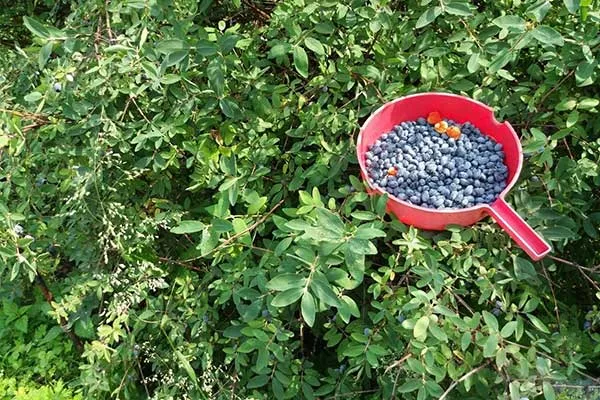
The "Volshebnitsa" honeysuckle bears fruit annually. Pick ripe berries within 5-8 days of ripening. Store the harvested berries in the refrigerator for no more than 2-3 days to prevent them from losing freshness and starting to release juice.
Reviews of the Sorceress
The edible honeysuckle variety Volshebnitsa is ideal for cultivation both in private plots and on a large scale for sale. Despite some pollinator requirements and a relatively low yield, this variety compensates for these shortcomings with its low maintenance, drought and frost resistance, large fruit size, resistance to fruit drop, and excellent immunity.