
Tundra honeysuckle is a compact plant characterized by high winter hardiness and abundant harvests. With proper care and minimal attention to growing conditions, it can become a valuable asset for any gardener, providing fresh and tasty berries for a long time. Even beginners can handle the planting techniques and cultivation methods.
The history of the Tundra variety
It was developed in Canada by scientists from the University of Saskatchewan. In 2006, this variety was selected from seedlings obtained through controlled crossbreeding conducted in 2001.
Appearance of the plant
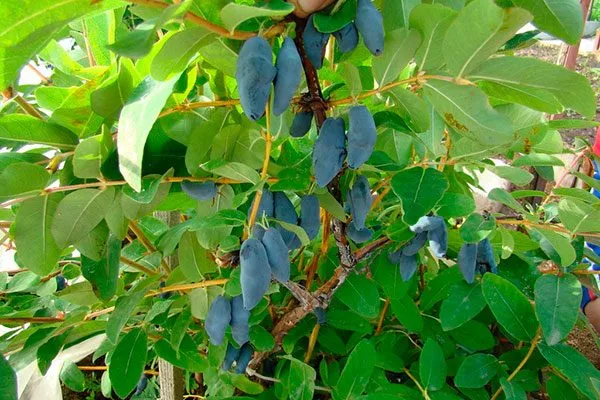
Tundra honeysuckle is a medium-sized shrub with a dense, rounded, and fairly dense crown. It reaches a height of up to 1.5 m and a diameter of approximately 1.2 m.
Berries and their taste qualities
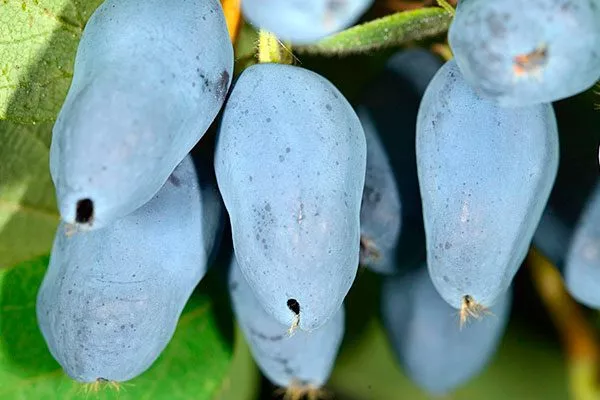
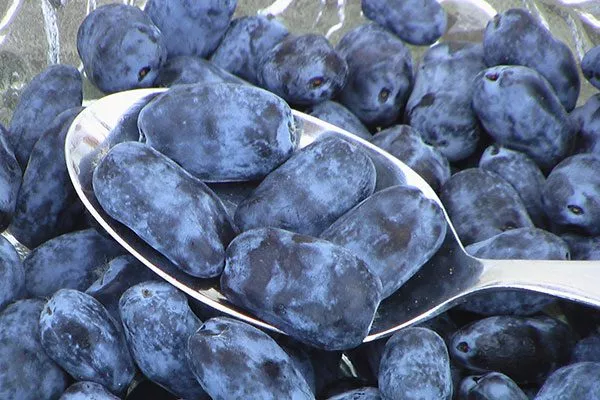
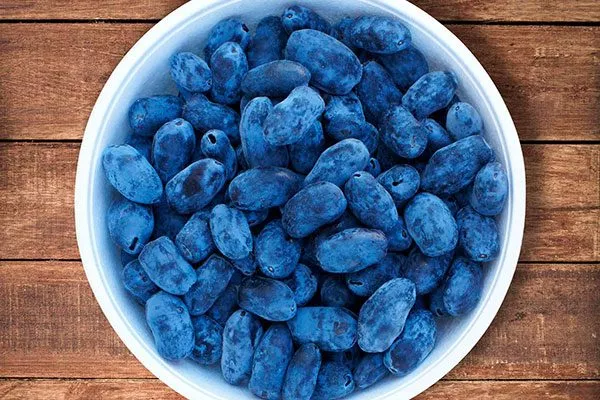
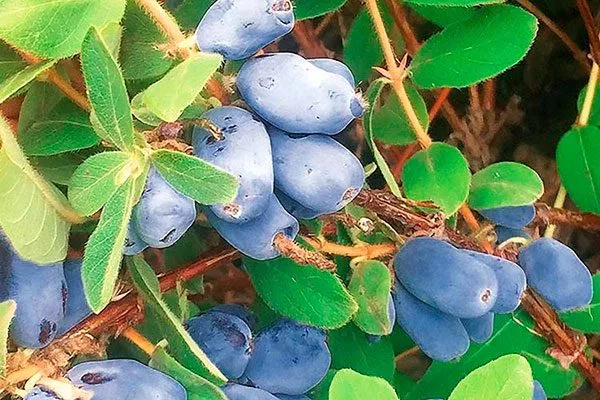
They are distinguished by their large size, reaching up to 3 grams in weight. The berries can be elongated-oval or barrel-shaped. The skin is purple with a distinct bluish tint. It is very durable, making the fruit suitable for transportation.
Beneficial properties
The fruits have high medicinal potential due to the unique combination of vitamins C and P. They are a rich source of vitamins A, B1, B2, B9 (folic acid), carotene, and contain calcium, potassium, magnesium, phosphorus, sodium, pectin, and tannins.
Honeysuckle is characterized by a high iodine content, almost as high as strawberries. This makes it a powerful preventative against atherosclerosis, heart attacks, blood cancer, and liver cancer.
Usage
Honeysuckle berries are versatile and suitable for a variety of cooking methods. They are delicious fresh and pair perfectly with desserts, compotes, and juices. They can also be used to make jam, jellies, and wine, adding a unique flavor and aroma to dishes and drinks.
Pollination type
It is self-fertile, making it easy to grow. To increase yields, it is recommended to plant pollinators near the main plant. Gardeners cite Northern Lights and Blue Banana as among the best pollinator trees.
Ripening, yield and fruiting
This late-ripening variety begins bearing fruit only in mid-summer. It is characterized by high yields. A single bush can yield up to 4 kg of fruit, provided proper farming practices are followed.
Growing regions
The Tundra variety is ideal for growing in regions with harsh climates. Its tolerance to low temperatures makes it an ideal choice for areas with cold winters and short summers. It can withstand temperatures down to -40°C.
- ✓ Resistance to temperatures down to -40°C makes it ideal for northern regions.
- ✓ The berries do not fall off in strong winds and rain, which is unique to many varieties of honeysuckle.
Such regions include northern areas and subarctic zones, where other crops may struggle due to cold temperatures. The crop exhibits a high degree of adaptation to harsh conditions and can provide a stable harvest in such regions.
Care and cultivation
To successfully grow honeysuckle, certain conditions must be met. The plant prefers sunny or semi-shaded locations, but can also grow in shade. The soil should be fertile, well-drained, and moderately moist.
- ✓ The optimal soil pH should be in the range of 5.5-6.5 to ensure better absorption of nutrients.
- ✓ The soil should contain a high level of organic matter (at least 4%) to maintain moisture and nutrition.
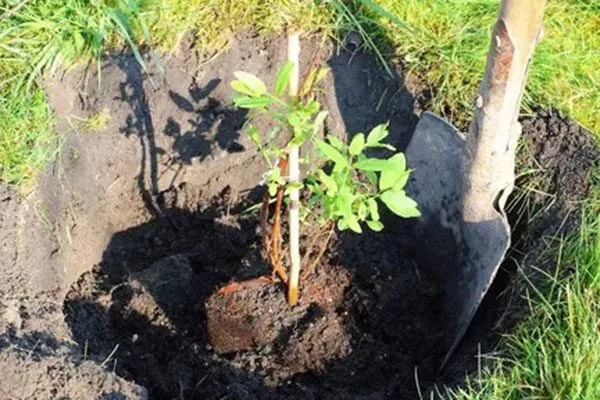
After choosing a location and preparing the soil, you can begin planting:
- Plant both annual and biennial plants. Before planting, dip the roots in a clay solution to ensure better soil bonding.
- Dig a hole measuring 50x50 cm.
- Form a mound of earth in the center and place the seedling there.
- Gently compact the soil. The root collar should be 3 cm above the ground.
- After planting, water the seedling well and generously cover the soil around the trunk with mulch to protect the roots from drying out and retain moisture.
Prune damaged and old shoots. Do this in the spring, before active growth begins.
Diseases and pests of honeysuckle
Tundra honeysuckle can be susceptible to the fungal disease Phyllactinia. This causes the foliage to become rough and develop spots ranging in color from gray to white. This disease often develops in high humidity conditions, which facilitates the spread of infection.
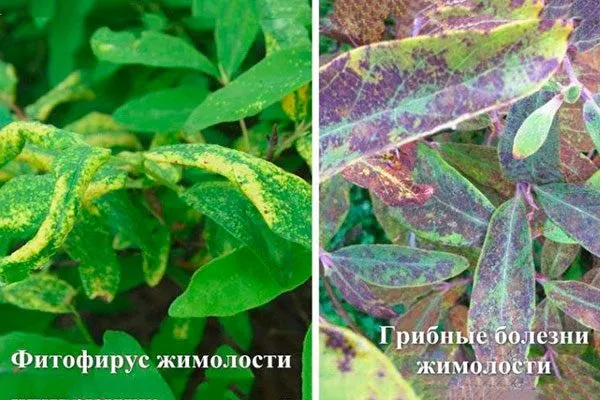
It's important to take precautions to prevent honeysuckle diseases. The following steps can help make the plant more resistant to pathogens:
- Provide adequate light, ventilation and soil drainage around the honeysuckle.
- Water the plant in the morning so that the leaves have time to dry before nightfall.
- Removing diseased and damaged leaves.
Mites are among the pests that can attack Tundra honeysuckle. They feed on the plant's sap, causing yellowing and the formation of net-like spots on the leaves. To control these pests, use insecticides.
Advantages and disadvantages of the variety
Before planting a new variety in your garden, be sure to research all its pros and cons. This crop has the following advantages:
Among the disadvantages of this variety, gardeners note its susceptibility to pest attacks and certain diseases.
Reviews
Tundra honeysuckle is a plant adapted to cold climates and boasts numerous positive varietal characteristics. Its high winter hardiness and ease of cultivation make it an attractive choice for gardeners. Proper care is crucial, ensuring good harvests and a rich fruiting season.