
Honeysuckle Souvenir is a reliable choice for gardeners. This variety boasts excellent winter hardiness and numerous positive qualities. Its medium-sized bushes grow well and produce abundant harvests. With proper care, it can strengthen the plant's immunity and increase the number of berries per shoot.
Who developed the variety and when?
In 2001, the Souvenir variety was developed at the Federal Research Center VIGRR, under the guidance of breeders Maria Nikolaevna Plekhanova and Alexandra Vasilyevna Kondrikova. It received approval for use in 2002.
Peculiarities
Honeysuckle Souvenir is a popular cultivar. It boasts an attractive appearance, large berries, and excellent flavor.
Appearance of the plant
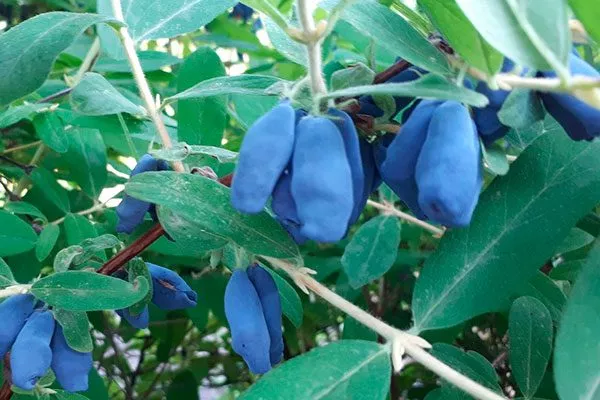
The shrub reaches up to 1.5 m in height and spreads up to 2.5 m in diameter. Its dense crown has an oval shape. It consists of upright shoots covered with small, dark green leaves. During flowering, it is covered with small flowers with white petals.
Berries and their taste qualities
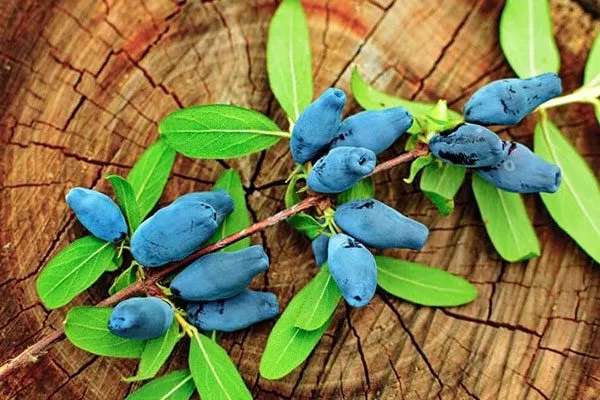
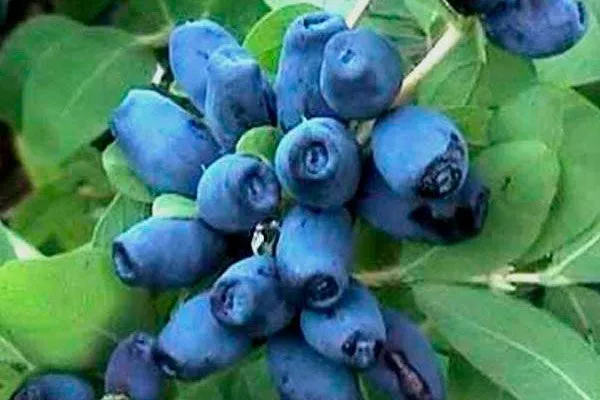
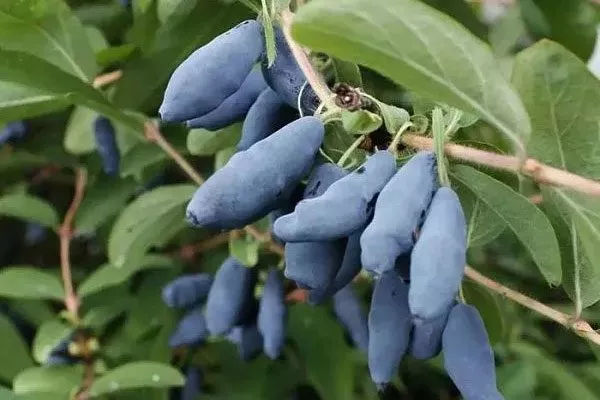
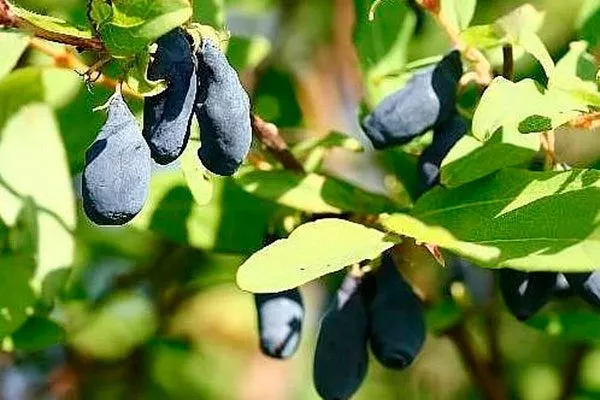
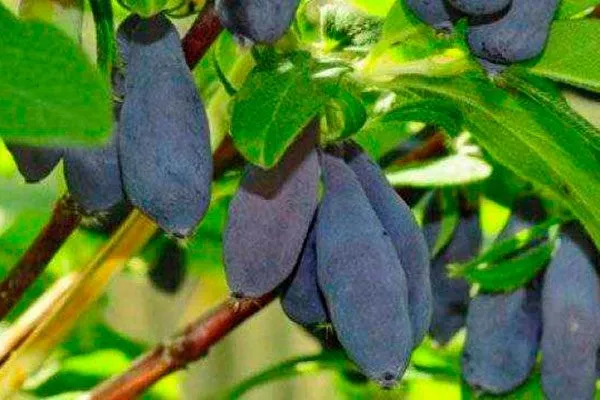
Large berries have an elongated oval shape and have the following distinctive features:
- They weigh about 0.96 g and reach 1.3 cm in length.
- The skin is dark blue in colour, has medium density and a weak anthocyanin tint.
- Characterized by a high sugar content – from 9% and an ascorbic acid level of around 2%.
- Shedding is weak.
- Based on the tasting results of the edible berries of this variety, it scored 4.7 points out of 5.
Beneficial properties
The fruits are rich in pectin, vitamins A, B1, B2, and a large amount of vitamin C. They are rich in biologically active components: pyrocatechin, flavonols, triterpene and chlorogenic acids.
Among the beneficial properties are the following:
- Source of antioxidants. Antioxidants play an important role in protecting the body from free radicals, which helps slow down the aging process, improve skin condition, reduce inflammation, and reduce the risk of developing various diseases.
- Benefits for the liver. Polyphenols found in honeysuckle have strong antioxidant properties and help protect the liver from non-alcoholic fatty liver disease.
- Good for the heart. Honeysuckle contains vitamin K, which helps the body absorb calcium, while potassium and magnesium are essential for maintaining a healthy heart rhythm.
Although honeysuckle berries are considered safe for consumption, there are certain groups of people who should consume them with caution. These include:
- Allergy sufferers.
- With digestive problems.
- With kidney disease.
- Pregnant and lactating women.
Before including honeysuckle in your diet, it is important to consider your individual characteristics and, if necessary, consult a doctor.
Ripening period and yield
This variety is mid-season. Fruiting begins in late June. Yields are high, averaging 42.2 centners per hectare, or approximately 2 kg of berries per fruiting plant.
Self-fertility and the need for pollinators
Despite its abundant flowering, it requires pollinators. Without pollination, the percentage of fruiting on the bush is only up to 20%. Suitable varieties include Morena, Nymph, and Blue Dessert.
Winter hardiness and need for shelter
Honeysuckle 'Suvenir' is adapted to a variety of climates. It is highly winter-hardy and can thrive even in Siberian climates, requiring no overwintering cover. The shrubs are rarely damaged by frost.
The variety is moderately drought-tolerant. It bears fruit only if sufficient moisture is available throughout the growing season.
Location and soil requirements
The plant prefers full sun but thrives in partial shade. Fruits ripened in full sun are generally sweeter. If the plot is located near a building, it is recommended to plant the shrubs on the east or south side.
- ✓ Soil pH should be between 5.5-6.5 for optimal nutrient absorption.
- ✓ The depth of the fertile layer is at least 40 cm for the development of the root system.
To ensure good air circulation, leave approximately 50 cm of space between the plant and the building. If the soil is dense, loosen it by adding sand or organic fertilizer. For better root development, plant the bushes in loamy soil.
Care and cultivation
This plant doesn't require a lot of care and can be successfully grown even by those just starting out in gardening. Regular watering isn't necessary; it's important to keep the soil moist and moist.
Recommendations for agricultural technology:
- Water once every 1-2 weeks, then thoroughly loosen the soil to provide the roots with sufficient moisture and air.
- Remove weeds periodically.
- Mulching the soil after planting will help prevent weed growth around the tree trunk, reduce the frequency of watering, and keep the soil loose. Use pine needles, sawdust, wood chips, and other organic materials.
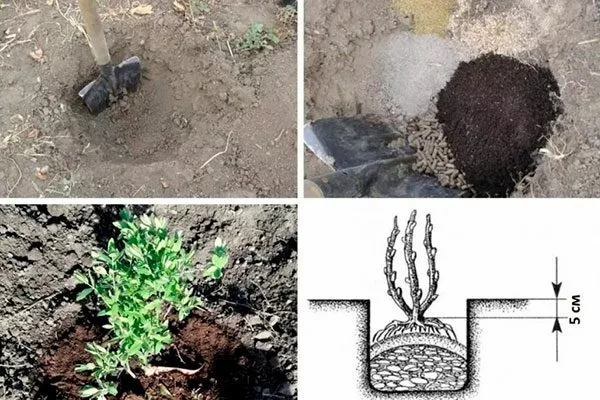
During the first 1-3 years, honeysuckle grows actively and requires nutrients. Nitrogen promotes shrub growth, phosphorus improves the root system and stimulates fruiting, and potassium is essential for intracellular metabolism.
Features of pruning
Regular pruning of the crown is necessary to prevent it from becoming dense. Make cuts at a 45-degree angle, leaving them above the buds. When shortening branches, the length of the cut should not exceed a third of the total length.
At the end of winter, remove dry and weak shoots. Forming a cup-shaped crown with an open center will ensure better light exposure. Prune shoots older than three years to stimulate the growth of new branches and maintain high yields.
Diseases and pests
It has a strong immune system, but under unfavorable conditions it can become infected with the Arabis mosaic virus. This disease manifests itself as yellow spots and wrinkling on the foliage, along with the growth of numerous lateral shoots. The leaf blades fail to develop, and the plant begins to wither and die.
The most dangerous pests and methods of control:
- Honeysuckle sawfly. It lays eggs in the foliage. The caterpillars feed on the leaves, leaving only the petioles.
To prevent damage to the bush, promptly remove caterpillars and treat the plant with Iskra, Fufanon, Actellik, or Kinmiks before and after flowering, repeating the treatment during the summer if necessary. - Honeysuckle gall midge. It lays eggs on leaf blades. The larvae feed on plant sap, causing the leaves to curl and yellow growths to form. To control this pest, use Inta-Vir, Fufanon, and Kinmiks.
- Leaf roller. When attacked by the insect, a web appears on the bush, enveloping the fruits, buds, and young shoots. To prevent this, treat the plant with the same products used for gall midge control before and after flowering.
- Moth. A small butterfly feeds on honeysuckle leaves, causing webbing to form on the foliage. To control the moth, treat the bush with specialized products in spring and late summer.
| Preparation | Effectiveness against sawfly | Efficiency against gall midges | Protection period |
|---|---|---|---|
| Spark | High | Average | 14 days |
| Fufanon | Very high | High | 21 days |
| Actellic | High | Very high | 28 days |
Bushes are often attacked by cutworms, which lay eggs on the underside of leaves. The caterpillars feed on foliage and buds, then move to the soil to pupate in late October. Treat the bush with Fufanon or similar products.
Harvesting and storage
Honeysuckle ripens in late June to early July. The berries should be fully ripe, but not overripe, to retain their freshness and flavor. Harvest in dry weather, preferably in the morning. Pick the berries carefully, avoiding damage to the skin and stems.
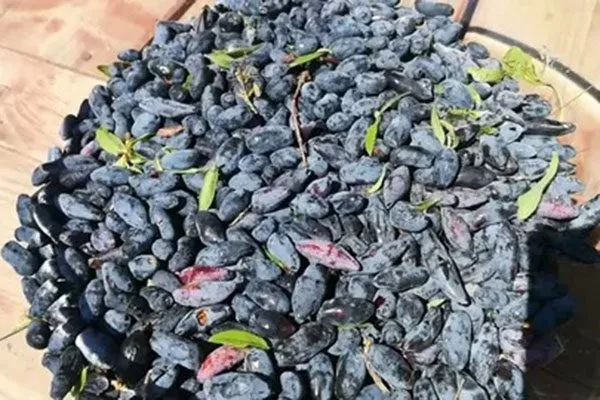
Freshly picked honeysuckle is best stored in containers or bags with ventilation holes to ensure air circulation. Before storing, ensure the berries are dry and undamaged. Remove any overripe or damaged specimens to prevent rotting.
Pros and cons
The main advantage of this variety is its high yield. The fruits are suitable for both fresh consumption and processing. The bush is medium-sized and requires little care. It produces large fruits with excellent flavor and does not fall off easily.
Among the undoubted advantages, gardeners note high winter hardiness and resistance to pests and diseases. No disadvantages have been identified.
Review of reviews
The 'Souvenir' honeysuckle is an excellent choice for gardeners due to its high yield, ease of cultivation, and resistance to adverse conditions. With proper care, this shrub can regularly produce high-quality fruit for fresh consumption or processing.