
Honeysuckle is a forest plant, so just 20 years ago, few people grew it in their gardens. However, today, cultivated varieties of honeysuckle bushes are found in almost every garden and are the pride of Russian breeders. We suggest learning more about the edible varieties of this vitamin-rich berry.
15 popular cultural figures
Honeysuckle is a self-sterile plant, so to produce fruit, it is necessary to plant several bushes of different varieties, the most popular of which we will discuss below.
| Variety | Bush height (m) | Yield (kg per bush) | Berry weight (g) | Taste | Disease resistance |
|---|---|---|---|---|---|
| Amphora | 1.3-1.5 | 2 | 1.3-3 | Sweet and sour with a slight bitterness | High |
| Blue Spindle | 1 | 1.5-2.5 | 1-1.5 | Sweet and sour, bitter in dry weather | Average |
| Bakcharsky giant | 2 | 1.5-4.5 | 1.5-2.5 | Sweet and sour | High |
| Cinderella | 0.7 | 5.5 | 0.5-1.3 | Sweet and sour with strawberry aroma | High |
| Siberian | 1.6 | 3.7 | — | Sweet | High |
| Moraine | 1.5-1.7 | 1.2-2.5 | — | Delicate, without bitterness | High |
| Kamchadalka | 1.5 | 1.2-1.8 | 0.7-1.4 | Sweet and sour | High |
| Azure | — | 5 | — | With blueberry aroma | High |
| Malvina | 1.5 | 1.6-3.2 | 1.1 | Sweet and sour | High |
| The Leningrad Giant | 2.5 | 3-5 | 1.4 | Sweet and sour | High |
| Blue Bird | 1.2-1.8 | 1-2 | 0.9-1.2 | Sweet and sour | High |
| Nymph | 1.5-1.7 | 1.3-2 | 1.16-3 | Sweet and sour | High |
| Long-fruited | — | 1.3-3 | 1-2 | Sweet and sour | High |
| Bazhovskaya | 2 | 2.5 | 1.4 | Sweet | High |
| Shahinya | — | 2.1 | 1.1 | Sweet and sour | High |
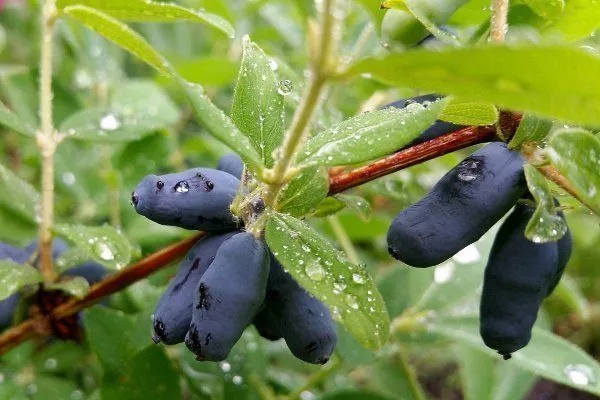
Amphora
A brainchild of the Pavlovsk Experimental Station of the N. I. Vavilov Military Medical Research Institute, the plant is a medium-sized bush (1.3-1.5 m) with a rounded shape and a dense crown, straight and pubescent shoots of a burgundy-crimson color, and elongated, oval, bright green leaves. The variety is also grown as an ornamental plant.
The ripening period is mid-season—the berries ripen in late June—but the yield is high, up to 2 kg per bush. The bushes begin to bear fruit in the third year. The berries are pitcher-shaped, long (up to 2 cm), weighing 1.3 to 3 g, and dark blue with a bluish bloom. The flesh is firm, sweet and sour with a slight bitterness. The berries are covered with a dense, thick skin, making them easy to transport.
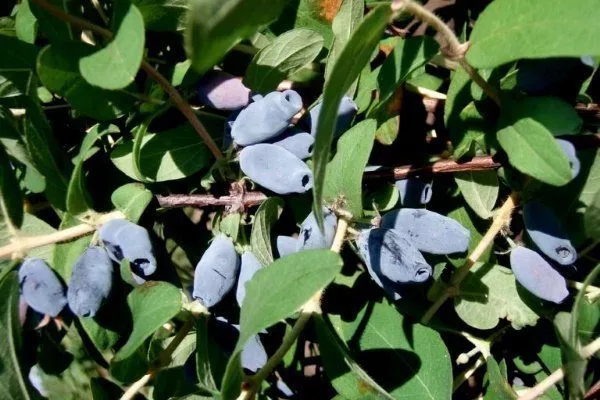
The variety is resistant to secondary flowering and low temperatures, and is rarely affected by diseases, but in some cases young shoots are attacked by aphids or honeysuckle mites.
The best pollinators for Amphora are:
- Altair;
- Bazhovskaya;
- Bakcharskaya;
- Viola;
- Gzhelka;
- Moraine;
- Nymph;
- Pavlovskaya.
Blue Spindle
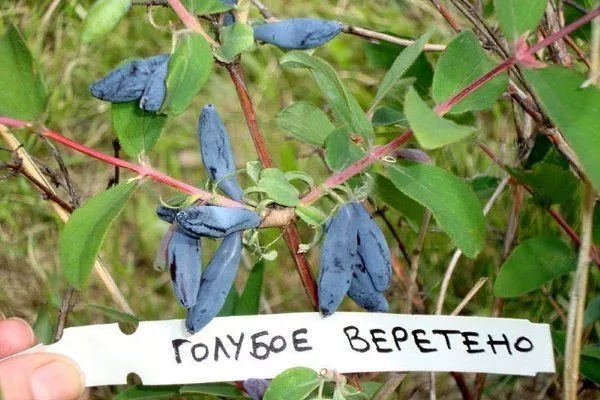
Developed by the M.A. Lisavenko Siberian Research Institute of Horticulture, this variety has been included in the State Register for all regions of the Russian Federation since 1989. The bush reaches 1 m in height, with a rounded and sparse crown. The skeletal branches grow upward at an oblique angle. The shoot coloration depends on the light—on the sunny side, they have an anthocyanin tint, while on other sides, they remain greenish. The leaves are large, elongated-oval, with pointed tips, and are dark green.
Ripening is early, but uneven. The first ripe fruits are harvested starting July 12th. The variety is susceptible to shedding, with yield loss potentially reaching up to 15%. Yields are high, ranging from 1.5 to 2.5 kg.
The size of the berries is unaffected by climate conditions. They are always large (2.5-2.7 cm long, weighing 1-1.5 g), spindle-shaped. Their color is blue-violet, almost black, and the skin is covered with a thick waxy coating. The surface of the berries is bumpy. The taste is sweet and sour, with a bitter note developing during dry periods.
Pollinators:
- Cinderella;
- Kamchadalka;
- Azure;
- Blue Bird;
- Tomsk woman;
- In memory of Gidzyuk.
Bakcharsky giant
Presented by the selection of the Federal State Unitary Enterprise "Bakcharskoye." The bush is vigorous (up to 2 m in height) with a spreading crown. The leaves are beautiful – large, hairy, and dark green.
This is a mid-early variety, and the dark blue berries appear on the bush after 2-3 years. They are very large – up to 5 cm long and weighing 1.5-2.5 g. Their elongated oval shape is asymmetrical, and the flesh is tasty, sweet and sour. The fruits are transportable.
Ripening is uneven, but the yield is one of the highest - under favorable conditions, up to 4.5 kg can be collected from one bush, but on average this figure is 1.5-2.5 kg.
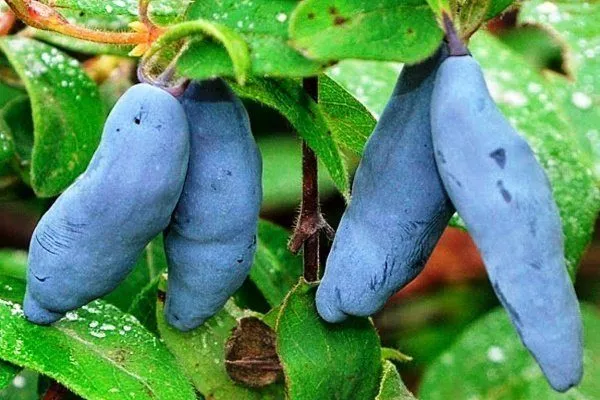
The Bakcharsky Giant is frost-resistant and virtually immune to pests and diseases. A drawback is the moderate shedding of ripe berries.
Pollinators:
- Amphora;
- Azure;
- In memory of Gidzyuk;
- Pride of Bakchar;
- Nymph.
Cinderella
It is presented by the M.A. Lisavenko Siberian Research Institute of Horticulture. This is a low-growing, compact variety, with bushes rarely exceeding 70 cm in height. The crown is dense. The shoots are thin, curved or straight, and light green. The leaves are large, elongated-oval, and light green.
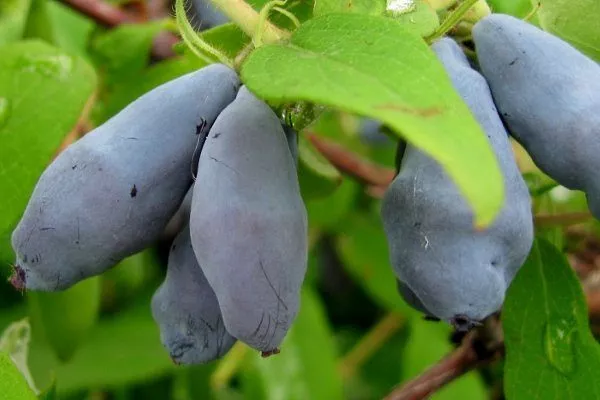
The fruit ripens mid-early, in early to mid-June, but not all at once. During the fruiting period, yields reach 5.5 kg per bush. The berries are small (1.2-1.7 cm long, weighing 0.5-1.3 g), elongated cylindrical, sometimes spindle-shaped, dark blue (almost black), and covered with a bluish bloom. The flavor is sweet and sour with a strawberry aroma.
The variety has high winter hardiness, tolerates sudden temperature changes, is rarely attacked by pests and is characterized by low fruit shedding.
Pollinators:
- Azure;
- Gerda;
- Amphora;
- Leningrad giant;
- Kamchadalka;
- Tomsk woman;
- In memory of Gidzyuk;
- Parabelskaya.
Siberian
An early-ripening variety bred by staff at the Bakchar Northern Horticulture Support Center. The bush is medium-sized, rarely exceeding 160 cm in height. The crown is rounded, and the bark tends to peel. The shoots are covered with a slight fuzz and have a curved shape. When young, they are red, but later turn light green.
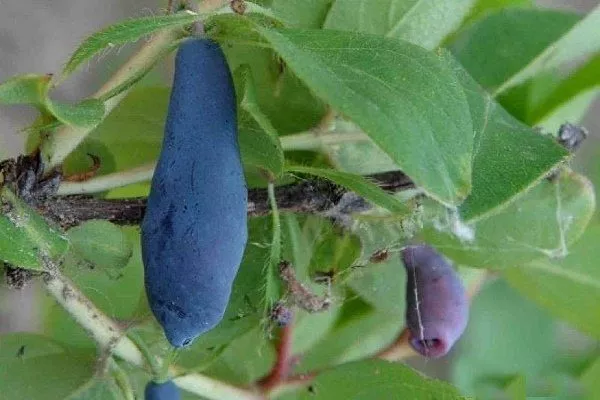
Fruiting begins in the second or third year. Under favorable conditions, the yield is up to 3.7 kg. The fruits are large and sweet. The skin is dark purple and covered with a waxy coating. They are elongated, spindle-shaped, with a slight curve. This variety is considered one of the frost-hardy, able to withstand winter temperatures down to -50°C.
Pollinators:
- In memory of Gidzyuk;
- Tomsk woman;
- Narymskaya.
Moraine
Formerly known as "Rusalochka," this variety was bred in St. Petersburg by the Vavilov All-Russian Institute of Plant Genetics (VIR) experimental station. It grows into a neat, compact bush (1.5-1.7 m tall) and is also used for ornamental purposes. The shoots are gently curved, slender, and olive-colored. When young, they are green, but later turn brown. The leaves are large and bright green.
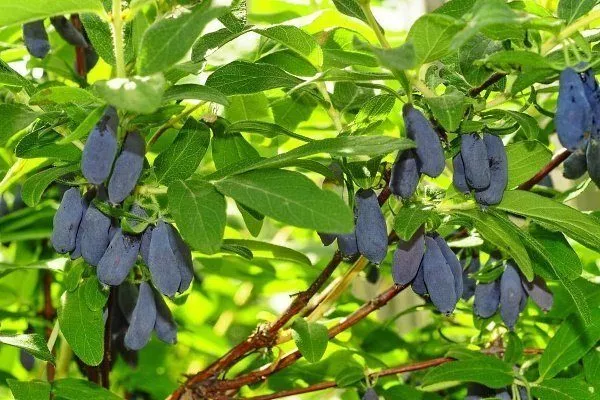
This early-ripening variety is characterized by low shedding. The berries reach 3 cm in length, are elongated, pitcher-shaped, and covered in blue-gray skin with a thick waxy coating. The flavor is delicate, without bitterness, and has a subtle aroma. A single bush yields 1.2 to 2.5 kg of berries.
For breeders, this variety is also of great importance as a donor of large fruits.
Pollinators:
- Amphora;
- Blue Spindle;
- Viola;
- Malvina;
- Kamchadalka;
- Blue Bird;
- Start;
- In memory of Kuminov;
- bushes of the same variety.
Kamchadalka
This cultivar is the brainchild of the Bakcharsky Northern Horticulture Support Center at the M.A. Lisavenko Siberian Horticulture Research Institute. The bushes are medium-sized and compact (up to 1.5 m tall). The crown is obliquely conical, narrow, and dense. The branches are short and thick. The leaves are elongated-oval and dull green.
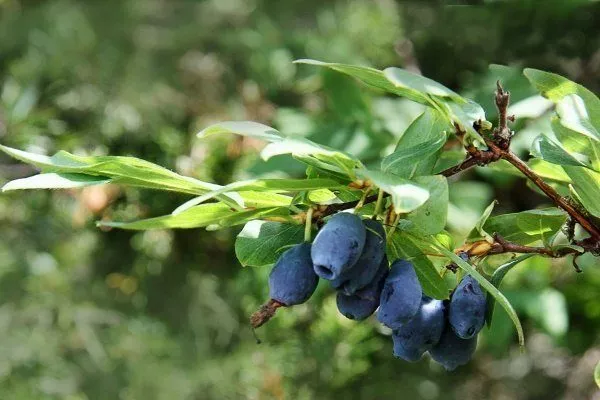
The variety ripens early, and yields average figures—1.2 to 1.8 kg per bush. The fruits are large (2-2.7 cm long, weighing 0.7-1.4 g), elongated, and blue-blue with a waxy coating. The pulp is fibrous, juicy, and sweet and sour.
The variety tolerates drought and low temperatures and is resistant to diseases and pests. Among its drawbacks, gardeners note difficulty in separating the berries from the stems; however, they do not fall off the bush and remain fresh for a long time.
Pollinators:
- Cinderella;
- Tomsk woman;
- Blue Spindle;
- Roxana;
- Parabelskaya;
- In memory of Gidzyuk;
- X.
Azure
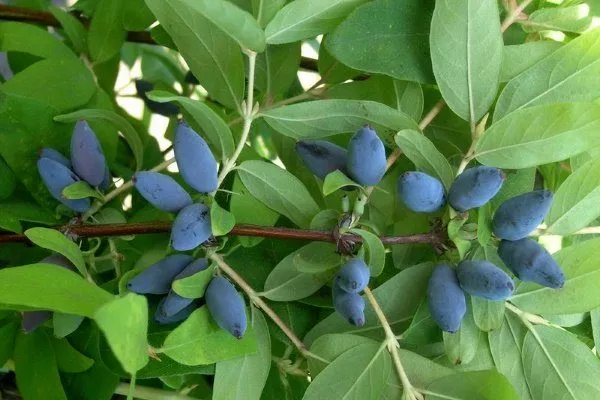
A mid-season variety bred by the Siberian Research Institute of Cultivation (NIISS) (Barnaul). The bushes are medium-sized with greenish shoots, but in full sun they take on a pinkish tint.
The fruits have a blueberry aroma. They are large, oval, and pointed at the tip. They do not fall off when ripe, and ripen by June 20th. Yield depends on the age of the plant: the older the bush, the more berries it produces, but the maximum yield does not exceed 5 kg. In warm autumns, the berries may bloom again, but then there will be no fruit set the following year.
How to care for honeysuckle in autumn is described in this article.
Pollinators:
- Nymph;
- Pavlovskaya;
- In memory of Gidzyuk;
- Amphora;
- Azure.
Malvina
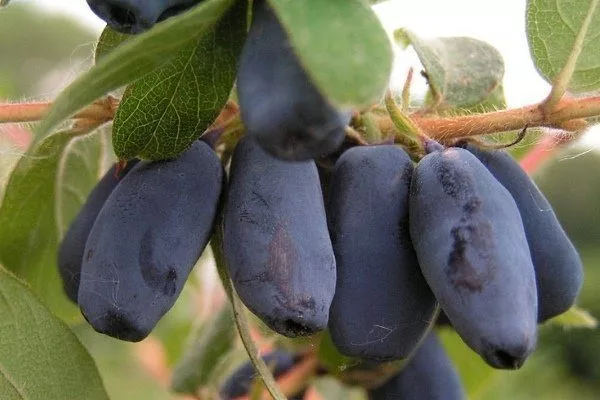
A mid-early honeysuckle cultivated at the Pavlovsk Experimental Station of the N.I. Vavilov All-Russian Institute of Plant Genetics in St. Petersburg. The bushes are medium-sized (over 1.5 m tall) with a squat, dense crown. The branches are dark, thin, and dark brown, covered with a fine fuzz. The leaves are dense, large, elongated-oval with a pointed tip, and dark green.
The bush bears fruit from June 12th to 16th. The yield is high, ranging from 1.6 to 3.2 kg per bush. The fruits are slightly bumpy, large (up to 2.9 cm long, weighing up to 1.1 g), elongated pear-shaped, and have a sweet and sour taste. The skin is dense, bluish-blue, and has a rich waxy coating.
Pollinators:
- Blue Spindle;
- Moraine;
- Kamchadalka;
- Blue Bird;
- Start;
- Blue Bird;
- In memory of Kuminov;
- Malvina herself.
The Leningrad Giant
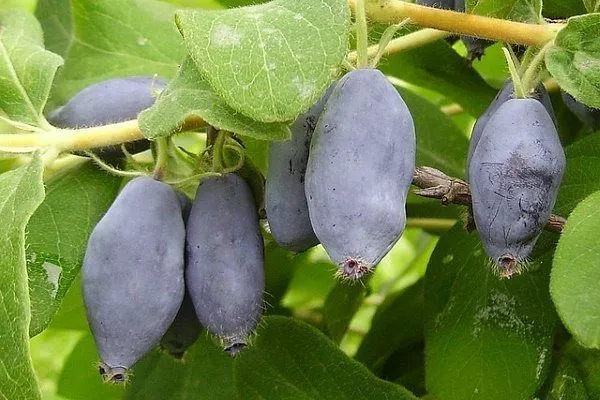
Like the previous variety, this one was bred by the Pavlovsk Experimental Station of the N. I. Vavilov All-Russian Institute of Plant Genetics. This honeysuckle grows vigorously and spreads, with individual specimens reaching up to 2.5 meters. The crown is compact and moderately dense.
Ripening is prolonged and uneven. The first ripe fruits are picked starting on June 20th and continue until the end of July. Fruiting begins in the second to fourth year. The advantage of this variety is the ease of picking, as the berries grow in large clusters at the tops of the shoots. The average yield is 3 kg, but can reach up to 5 kg.
The berries are large (up to 3.3 cm long, weighing up to 1.4 g), dark blue with a bluish bloom, and cylindrical in shape (flat at the top, rounded at the base). The skin is thin but firm. The pulp has a sweet and sour taste, but the sweetness is barely perceptible, with no bitterness.
Pollinators:
- Moraine;
- Blue Spindle;
- Start;
- Gzhelka;
- Malvina;
- In memory of Kuminov;
- Blue bird.
Blue Bird
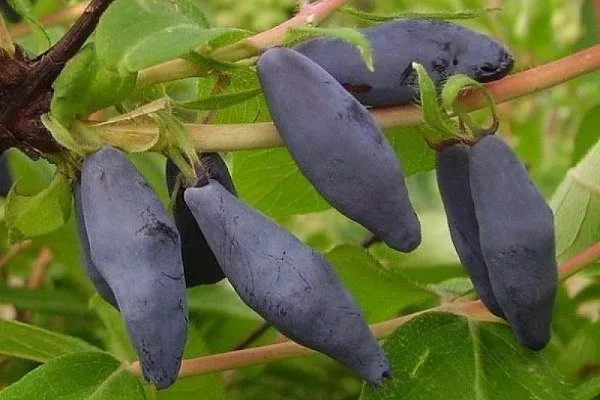
This variety was bred by the Siberian Research Institute of Horticulture. The bush is vigorous (1.2-1.8 m tall), with a massive, spreading, oval-shaped crown. The shoots are thin and straight.
Ripening is early, occurring between June 14 and 22. The yield is average, ranging from 1 to 2 kg. The berries are medium-sized (1.5-2 cm long, weighing 0.9-1.2 g) and elliptical in shape. They are almost black with a blue tint. The skin is thin and covered with a waxy coating. The flavor of this honeysuckle is somewhat reminiscent of blueberries: sweet with a subtle tartness.
The plant thrives in moisture, but will grow poorly if overwatered. It tolerates winter well and is highly resistant to diseases and pests.
Pollinators:
- Cinderella;
- Blue Spindle;
- Titmouse;
- Moraine;
- Kamchadalka;
- In memory of Kuminov;
- Start;
- Malvina.
Nymph
This variety was bred in St. Petersburg at the Pavlovsk Experimental Station of the N. I. Vavilov All-Russian Institute of Plant Genetics. It is a medium-sized bush (1.5-1.7 m tall) with a slightly spreading crown. The shoots are thick, long, and straight, brownish-green with a slight anthocyanin tint. The leaves are large, elongated oval with a pointed tip, and dark green.
The first fruits appear in the third or fourth year, and the bush continues to bear fruit for the next 20-25 years. Ripe berries are harvested in mid-June. Young bushes do not shed fruit, but shedding increases with age. Under favorable conditions, the yield is 1.3-2 kg.
The fruits are large (2.8-3 cm long, weighing 1.16-3 g), elongated-fusiform, sometimes curved, and with a heavily ridged surface. The skin is dense, thin, bluish-blue, and covered with a medium-thick waxy coating. The flesh is sweet but distinctly tart, slightly tart, with a strong aroma and a slight bitterness.
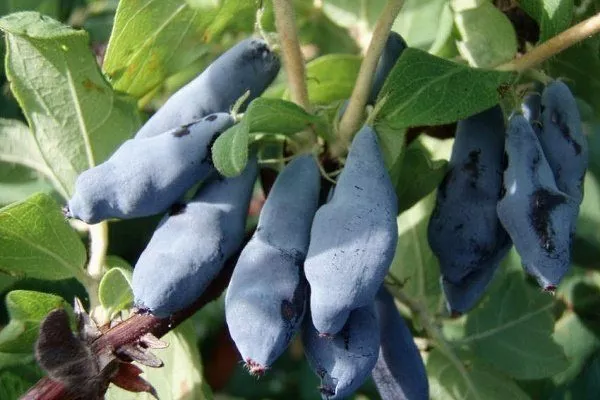
The variety is undemanding to soils, but feels more comfortable on loamy fertile soils.
Pollinators:
- Amphora;
- Azure;
- Pavlovskaya;
- The Chosen One;
- In memory of Gidzyuk.
Long-fruited
This early-ripening variety was bred by the South Ural Research Institute of Fruit and Vegetable Growing. The bush is medium-sized, with a spreading, rounded crown. The branches are slender, curved, and olive-green with anthocyanin tint. The leaves are small and dark green.
The harvest begins in mid-June, but in some years it can be even earlier—from June 5th to 10th. Yields range from 1.3 to 3 kg per bush. The plant begins bearing fruit in its third year. Ripe berries have an average shedding rate.
The fruits are long—up to 2.5-2.7 cm, weighing 1-2 g, cylindrical, with slightly compressed sides. The purple skin is bumpy and thin, covered with a whitish bloom. The flesh is sweet and sour, without bitterness.
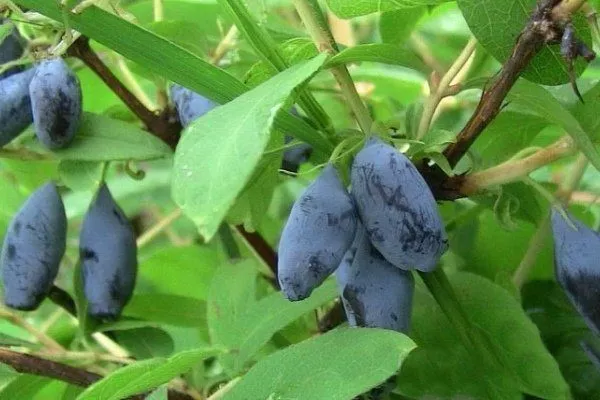
Pollinators:
- The highlight;
- Blueberry;
- Smolinskaya;
- Chelyabinsk;
- Blue-eyed;
- Moraine.
Bazhovskaya
This variety was presented by the South Ural Research Institute of Fruit, Vegetable, and Potato Growing. The bush is medium-sized (up to 2 m tall) with slightly pubescent and gently curved shoots.
The fruits ripen in late June – early July. Yields reach up to 2.5 kg. This variety is not only early maturing but also early fruiting, as it can produce a harvest within the year of planting. The full fruit-bearing period of honeysuckle is up to 30 years, and in some cases even 40.
The fruits are large, weighing an average of 1.4 g, dark blue in color, and oblong in shape. The flesh is sweet, without bitterness.
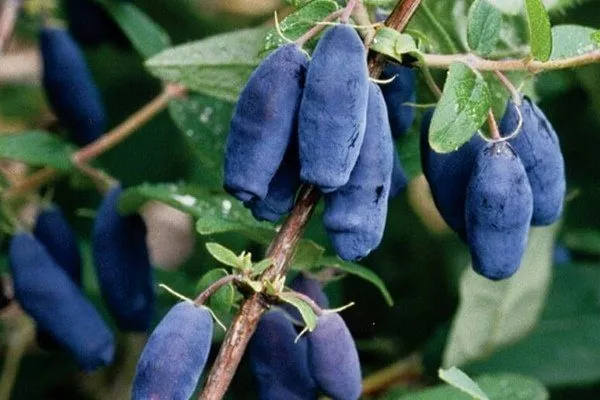
The variety can withstand severe frosts and low spring temperatures, and does not suffer from drought or heat.
Pollinators:
- Blue-eyed;
- Sorceress;
- Long-fruited;
- Blue Spindle;
- Amphora.
Shahinya
A mid-season dessert honeysuckle bred in Moscow. The shrub has a rounded or conical shape, thick, dark red shoots, and medium-sized, matte, dark green leaves.
Ripening period is June 17-22. The average yield over the past four years has reached 2.1 kg per bush. The fruits are large, cylindrical, with a truncated top, forming a wide "saucer." The average fruit weight is 1.1 g. The flesh is sweet and distinctly tart, but without bitterness.
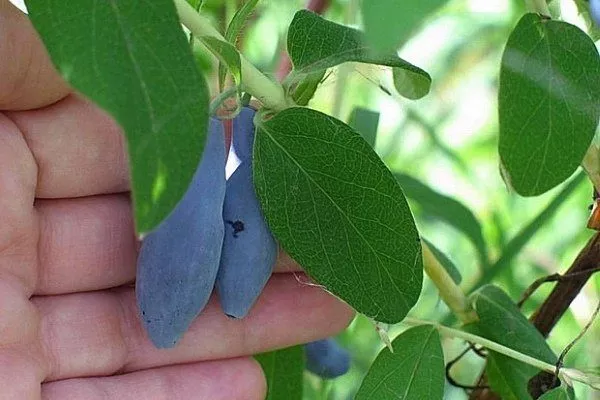
Pollinators:
- Moscow-23;
- Ramenskaya;
- Gzhelka;
- The pile is small.
The best varieties for different regions
When choosing a honeysuckle variety, experienced gardeners pay special attention to its suitability for the climate of a particular region, as plants that bear fruit in the north may not tolerate the hot weather of the south, and vice versa. Therefore, we will consider the best varieties for different regions separately.
Ural
All varieties with increased frost resistance, able to withstand spring temperatures down to -8°C, are suitable. These include:
- TurtledoveA representative of the tall varieties, the average ripening date is June 25th. The large, dark blue berries are pitcher-shaped and have very sweet flesh without bitterness. The fruits do not fall off. The yield reaches up to 1.5 kg per bush.
- DesiredA medium-sized bush that produces large berries with tender, sweet flesh. The variety is resistant to fruit drop.
- ZarechnayaLow-growing bushes, resistant to heat and drought. The berries are large and sweet. A single bush can yield up to 2.2 kg.
- ElizabethA tall bush with gently arching purple shoots. The fruits are medium to large, yielding no more than 1.8 kg. Ripe fruits are harvested after June 20.
- MariaAn early-ripening variety, the fruits ripen after June 15th and do not fall off. The berries are large, pleasant to the taste, and lack bitterness. They do not tolerate transportation. The plant begins bearing fruit in its third year. Under favorable weather conditions, a single bush can yield up to 1.7 kg.
- UralA tall bush with a dense crown. The fruits are large, with sweet, aromatic flesh. The yield is good – up to 2.5 kg.
- Chelyabinsk residentA late-ripening variety, the berries ripen in the first half of July. The fruits are small and tart. The yield is excellent – up to 3.5 kg. The bush is vigorous with a spreading crown. Drought-resistant, it produces a good harvest even with little watering.
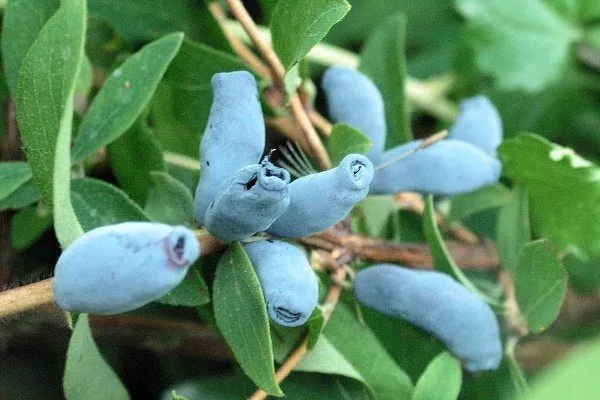
Gorlinka variety
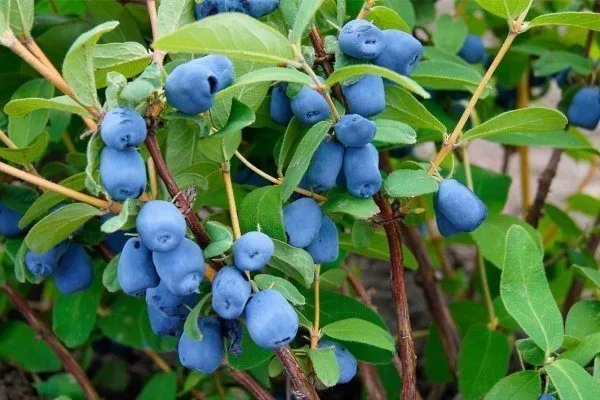
Zhelannaya variety
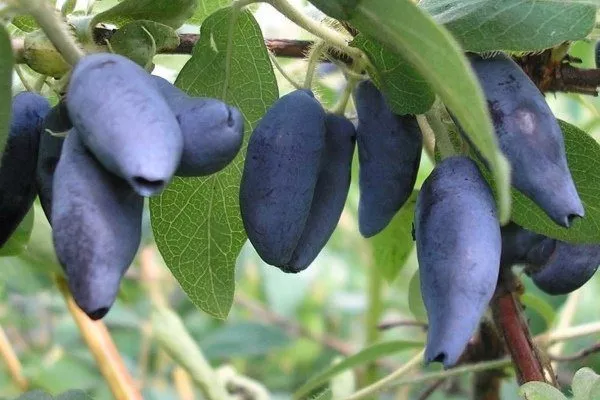
Zarechnaya variety
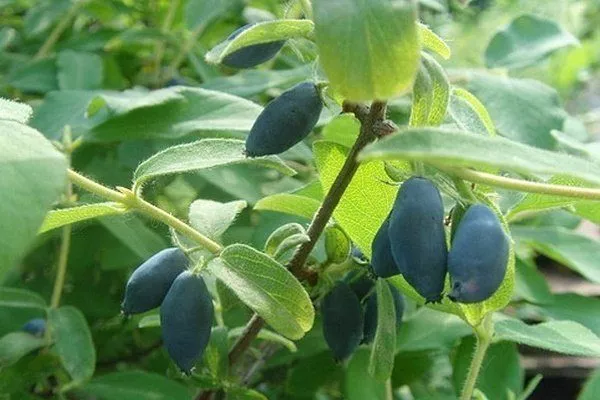
Elizabeth variety
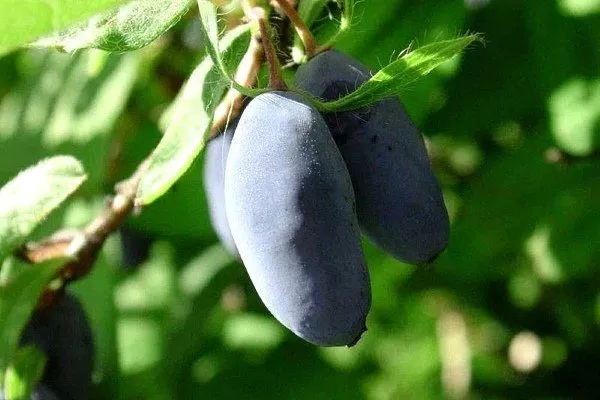
Maria variety
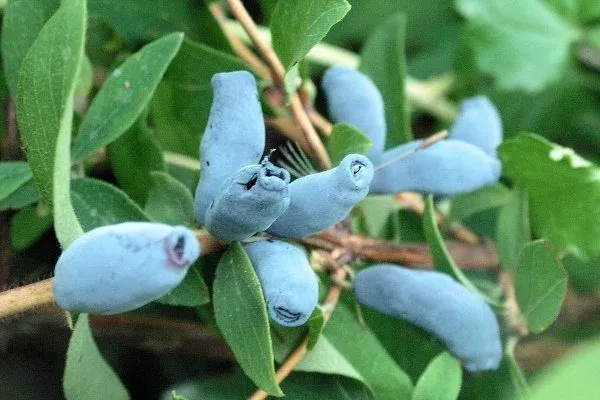
Ural variety
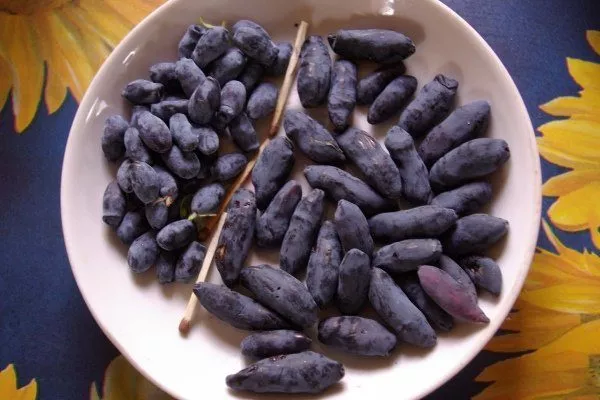
Chelyabinka variety
Primorye
Honeysuckle is very popular in Primorsky Krai, but you need to choose varieties whose bushes can withstand temperatures down to -40°C, and whose spring flowers can withstand temperatures down to -7°C. These varieties include:
- DawnA compact, medium-sized bush. The fruits are medium-sized, round-pear-shaped. The flesh is sweet and sour with a slight bitterness. Yield: 1.5 kg.
- GolubinkaA medium-sized bush with pink, curved shoots. The berries are teardrop-shaped and have a sweet-tart flavor with a slight bitterness. The fruit does not fall off and ripens early. A significant drawback is repeated flowering during warm autumns.
- DolphinA medium-sized bush with a spreading crown and drooping shoots. The berries are small, cylindrical, with an elongated tip reminiscent of a dolphin's smile. The pulp is sweet and sour with a mild aroma. Fruit fall is average. The yield is high—up to 3 kg can be harvested from a single bush.
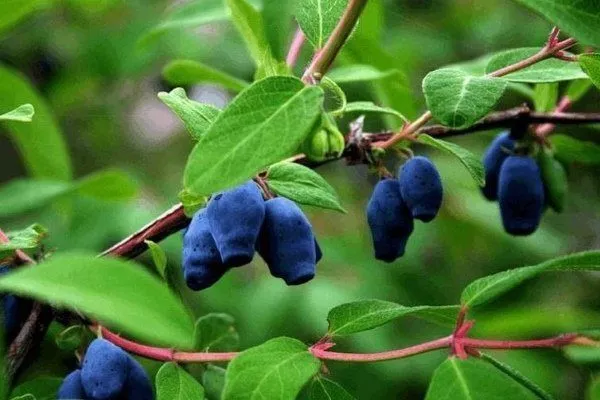
Rassvet variety
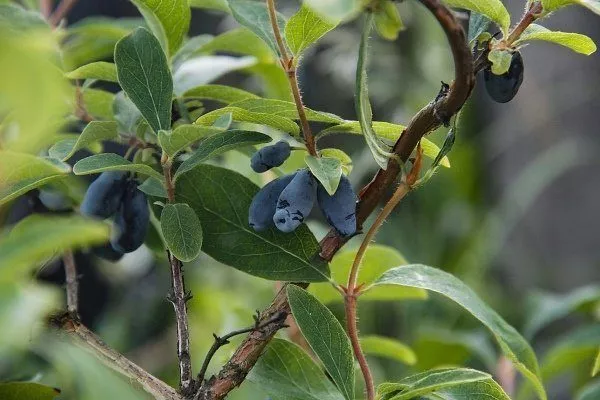
Golubinka variety
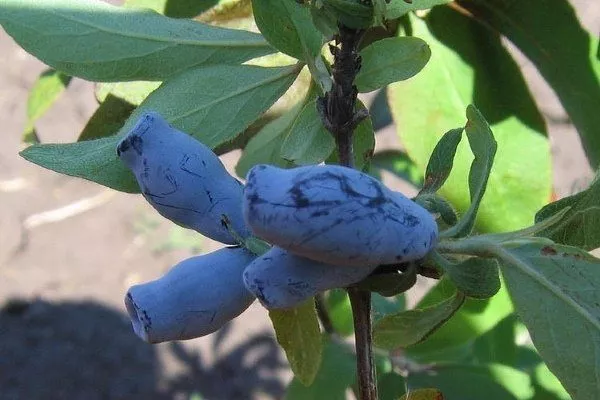
Dolphin variety
Moscow region
During a warm autumn in the Moscow region, honeysuckle bushes may produce not only buds but also flowers. However, repeated blooming is not beneficial: the plant weakens, meaning there's a risk that it won't survive the winter or produce abundant fruit the following year. Therefore, it's important to choose varieties that are resistant to repeated blooming. These include:
- Early GzhelThe bush is tall, compact, and has pubescent shoots. The berries are large, pear-shaped. The flesh is sweet, without bitterness. The yield from a four-year-old bush is 2.1 kg. The fruits practically do not fall off. This variety requires regular watering.
- RamenskayaA medium-sized bush with pink-green shoots. The berries are elongated, round, and slightly pubescent. The flesh is sweet and sour. The harvest does not fall off, and a single bush can yield up to 2.1 kg of berries.
- KingfisherA mid-late variety. The bush is compact and vigorous. Large, round-oval berries are dark blue with a bluish bloom. The berries are sweet in taste, without bitterness, and odorless. The average yield is 2.1 kg per bush.
- RoxanaLate ripening. The bush is medium-sized, compressed, and rounded. The fruits are large, elongated-oval, and have a sweet and sour taste, without bitterness.
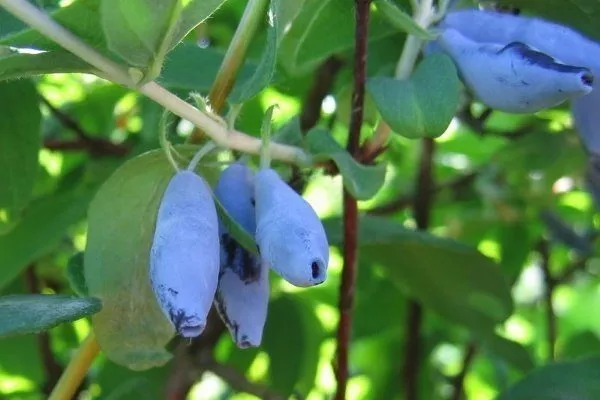
Gzhelskaya rannyaya variety
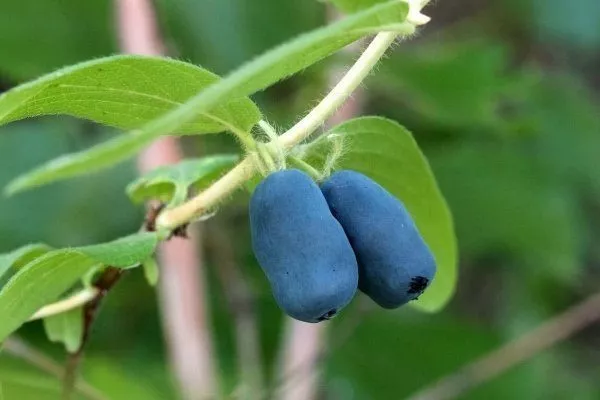
Ramenskaya variety
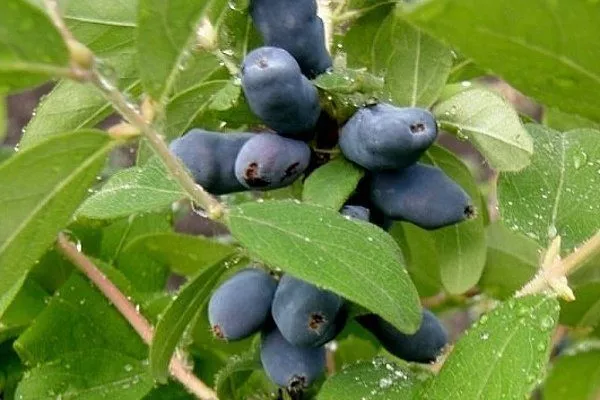
Kingfisher variety
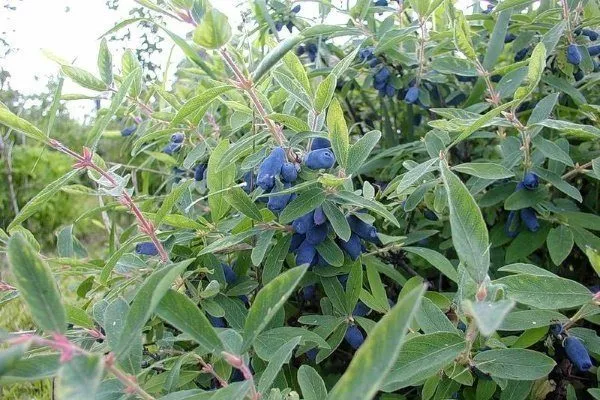
Roxana variety
Leningrad Oblast
Here, gardeners prefer varieties that can withstand sudden temperature fluctuations and thaws during the winter months. These include:
- DessertA mid-late variety. Compact, low-growing, and bushy. The berries are blue, oval, and have a thick waxy coating. The berries have a sweet and sour flavor with a distinctive aroma. Maximum yield is up to 2.5 kg per bush.
- PavlovskayaThis variety has a medium ripening time. The bush is sparse, producing dark-blue, elongated berries with a pointed tip and a waxy coating. The flavor is sweet and sour, with a subtle aroma. The maximum yield is up to 2 kg per bush.
- NymphThis variety has a medium ripening time. The bush is dense and compact. The fruits are bluish-blue, large, and elongated and spindle-shaped. The flavor is sweet, and the aroma is distinct. The maximum yield is 2 kg per bush.
- ViolaA vigorous, tall plant with an early ripening period. Ripe fruits do not fall off and are ready for harvest in the first ten days of June. They are large and barrel-shaped. The flesh is distinctly sour, with a hint of bitterness. Mature bushes yield up to 4 kg of berries.
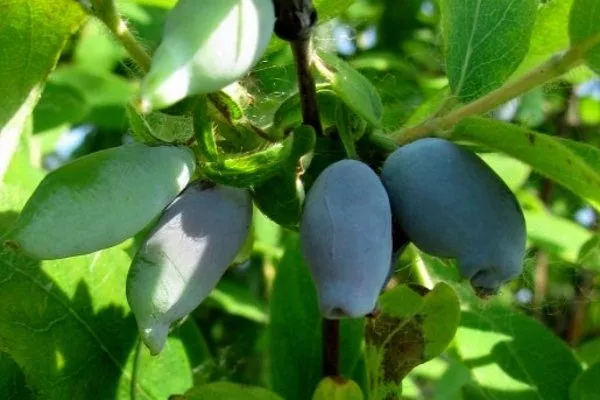
Dessert variety
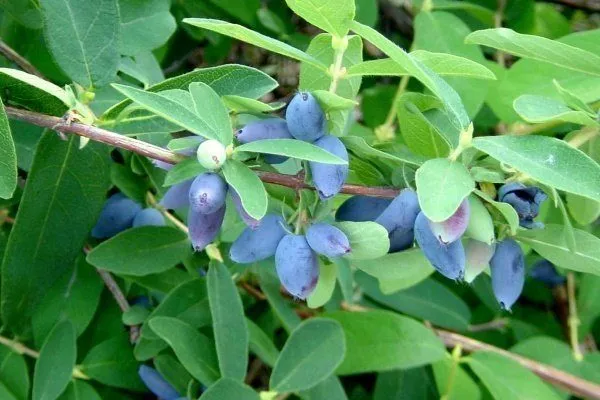
Pavlovskaya variety
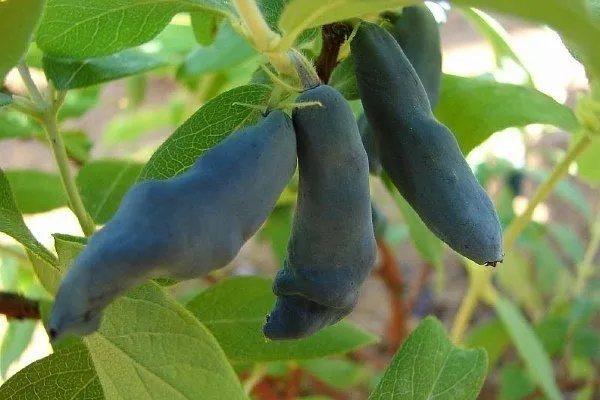
Nymph variety
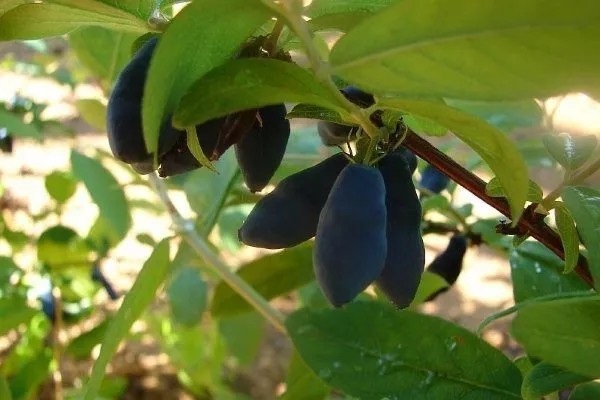
Viola variety
Siberia
Varieties for this region must be frost-resistant and able to withstand sudden temperature changes, especially during the budding stage. Siberia's harsh climate allows for the cultivation of many honeysuckle varieties, but the following are considered the best:
- Amphora;
- Leningrad giant;
- Blue Spindle;
- Bakcharsky giant;
- Cinderella;
- Altair;
- Long-fruited;
- Siberian;
- Moraine.
Selecting a variety based on bush height
Honeysuckle bushes can reach up to 5 meters in height, making them often used as hedges in landscape design. Therefore, choosing a bush should be based on your specific needs: if you need a fruit-bearing plant, it's best to choose tall varieties; if not, choose shorter ones.
Short stature
Honeysuckle that is no more than 1.5 m in height is considered to be such. These are the varieties:
- GerdaA spreading shrub that produces fruit in the second year, but the real harvest won't arrive until the third or fourth year. The berries are oval and blue-black. Ripening is prolonged. A single bush yields up to 2.3 kg of berries.
- Late GzhelA compact bush with pink shoots. The fruits are pear-shaped, large, with sweet-tart flesh, lacking bitterness. Yields up to 2 kg, with low shedding.
- LyuliaThe bushes grow up to 1.4 m and have a rounded shape. The berries are cylindrical with a pointed tip. They are used in desserts and home processing. The Lakomka variety has similar characteristics.
- VioletThe bushes grow to a height of no more than 1.3 m. They produce ripening berries with pointed, elongated tops. They are excellent for desserts.
- JuliaIt grows up to 1.1 m and has a rounded shape. The berries resemble a "barrel" with a flat top.
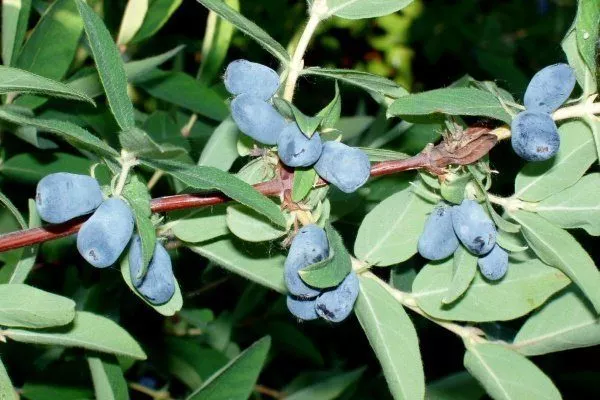
Gerda variety
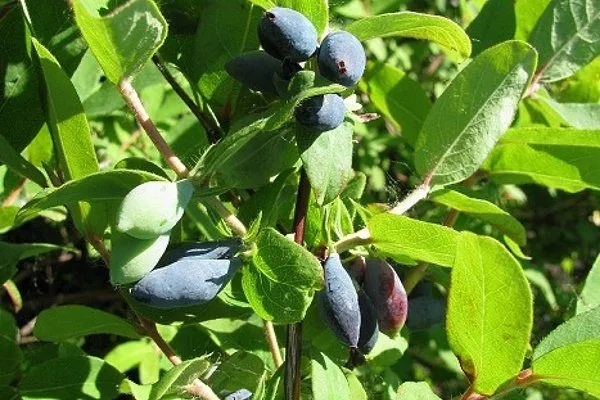
Gzhel late variety
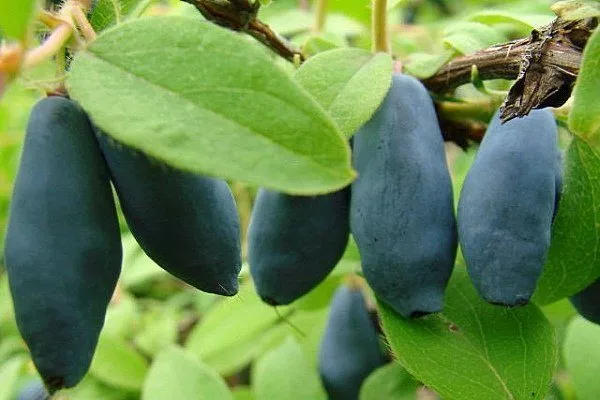
Lyulia variety
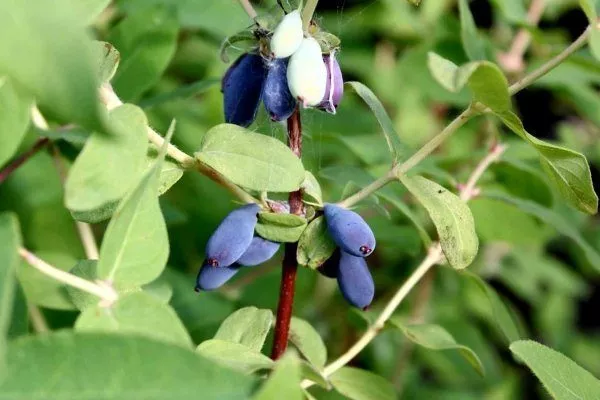
Violet variety
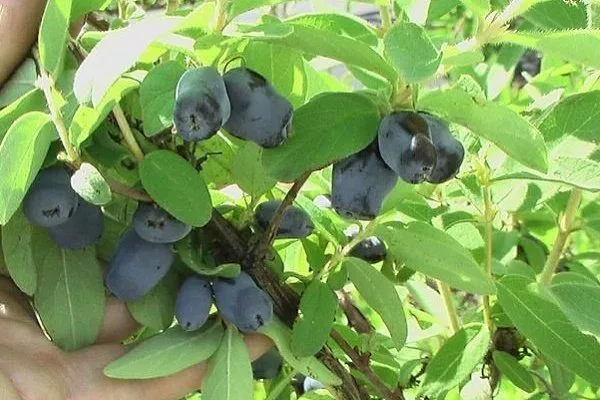
Julia variety
Among the previously presented varieties, low-growing varieties include Kamchadalka, Altair, Ramenskaya and Amphora.
Medium-sized
The height of bushes in this category varies from 1.5 m to 2 m. These varieties are:
- AmazonA bush with a small crown. This variety is distinguished by its extremely early ripening fruit – they are harvested in early June. The berries are dark blue, large, and bumpy, with a sweet and sour flesh, without bitterness. A single bush yields up to 1.5 kg. It can withstand temperatures down to -48°C.
- Tomsk residentThe bush is almost as tall as a person. The ends of the shoots bend toward the ground, giving the crown a characteristic spreading shape. The tops of the fruits are strongly flattened and slightly depressed. They are dark purple in color, covered with a smoky waxy coating, and have a pleasant sweet and sour taste. The first fruits usually appear on a four-year-old bush in mid-June and continue to bear fruit for about 30 years. The yield is up to 2.3 kg.
- KorchagaThe bushes reach 1.7 m in height, with a narrow crown. The fruits are pitcher-shaped and suitable for dietary use.
- Princess DianaThe bushes reach 1.9 m in height, with an oval crown. The fruits grow cylindrical and are used in desserts.
- A small pileGrows up to 1.8 m. The fruits ripen large and long, suitable for desserts and processing.
- My joyIt is slightly shorter than the previous varieties, reaching up to 1.6 m. The fruits are medium-sized and have a wide, flat top.
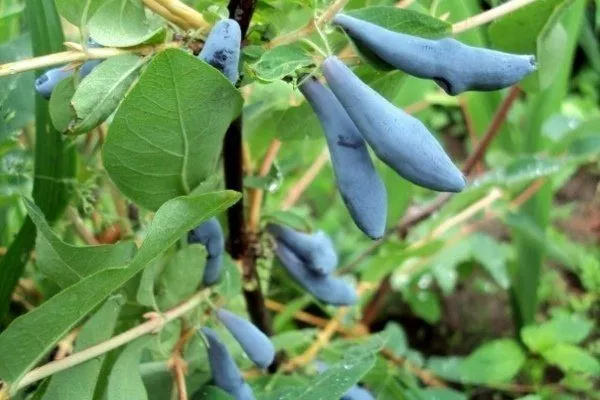
Amazon variety
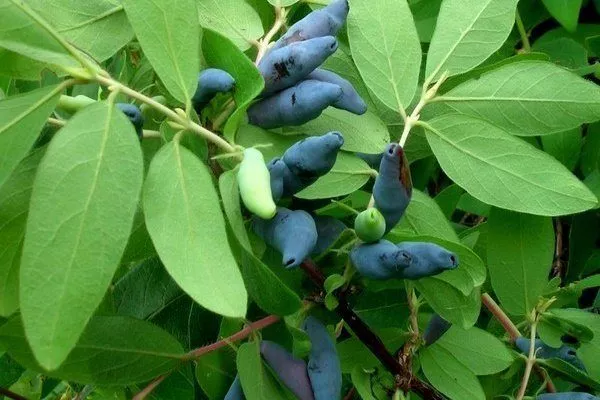
Tomichka variety
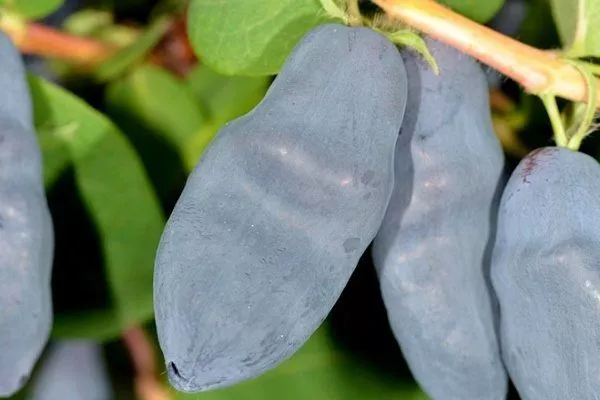
Korchaga variety
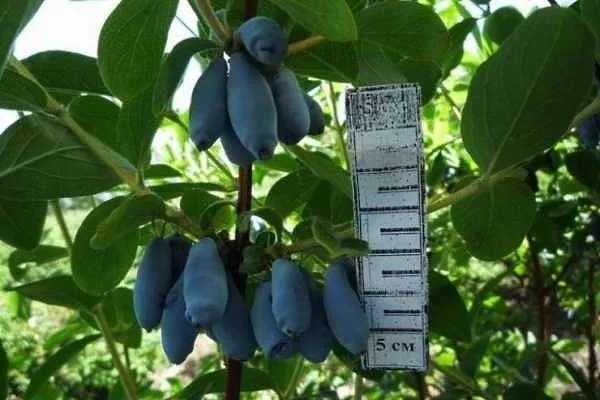
Princess Diana variety
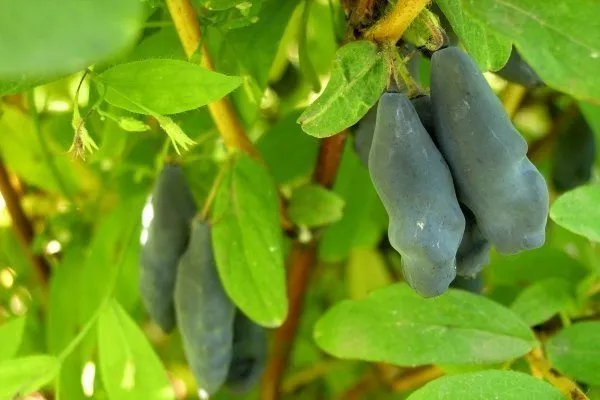
Kucha Mala variety
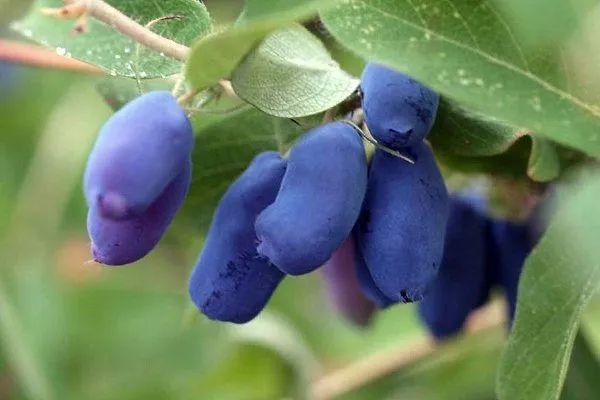
My Joy variety
Among the previously listed varieties, the mid-early varieties include:
- Tomsk woman;
- Bakcharsky giant;
- Kingfisher;
- Cinderella;
- Early Gzhel.
Tall
Tall honeysuckle is a vigorous plant growing over 2 m tall. Besides Nymph and Blue Spindle, these varieties include:
- VolkhovaA tall bush with a rounded, squat crown. The branches are thick, straight, and covered with bristles. The fruits have a blunt tip and are elongated. The flesh is sweet with strawberry notes. The harvest is in the third ten days of June. Insects rarely settle on young leaves. The yield is up to 3.5 kg.
- ViligaA tall bush that can withstand temperatures down to -50°C. The fruits are cylindrical and elongated, with a slightly tart, tart flesh. A single bush yields up to 2.5 kg.
- Moscow-23The bush is obliquely conical, reaching a height of up to 2.5 m. The branches are covered with sparse bristles. The berries are large, spindle-shaped, and almost black with a bluish bloom. The flavor is sweet and sour, with a tart edge. The berries spoil quickly, so they are immediately processed or eaten fresh. Transporting them is pointless, as they bruise and release juice. Yields up to 3.5 kg.
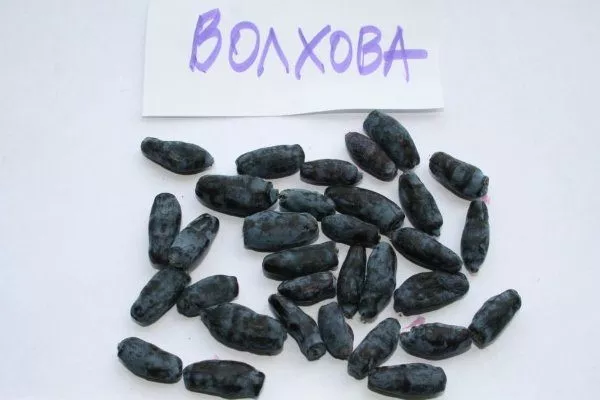
Volkhov variety
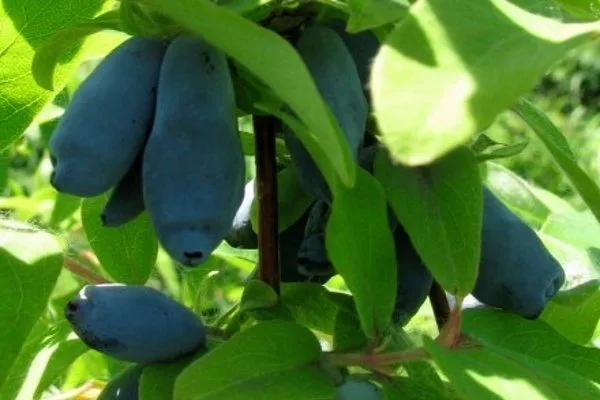
Viliga variety
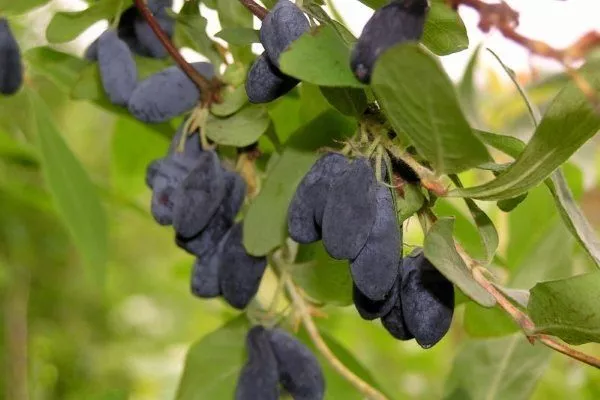
variety Moskovskaya-23
Early ripening varieties
Altair is a popular early-ripening variety. This honeysuckle forms a neat, compact, spherical bush. Its height does not exceed 140 cm, making it a low-growing variety. The first harvest appears in the fourth year. It is harvested in the third ten days of June.
The barrel-shaped fruits are a characteristic bluish-blue color typical of honeysuckle, covered with a waxy coating. The berries are not very large, and the flesh has a pleasant sweet and sour flavor. The yield is 2 kg per bush.
Those wishing to obtain an early harvest should also plant the following early ripening varieties:
- Gerda;
- Blue Spindle;
- Cinderella;
- Kamchadalka;
- Moraine;
- Blue bird.
Types of varieties by shedding
The berries of many honeysuckle varieties fall easily, so you can lose part of your harvest if you don't start harvesting them in time. To avoid losing your harvest, you can take the fall rate into account in advance.
Shatter-resistant varieties
If you can't be on site constantly to harvest on time, choose varieties that are resistant to berry drop. These include:
- SouvenirA medium-sized variety with a dense crown. One-year-old shoots are covered with a light fuzz. The berries are large and cylindrical. The flesh is sweet and sour, without aroma. The fruits ripen in late June. A single bush yields up to 2.2 kg.
- The highlightA medium-sized variety with a gently spreading crown. The yield is average – up to 1.5 kg. The fruits are elongated, oval, with a sweet and sour taste. The bushes may be infested with sucking insects.
- SwanThe variety is easily recognized by the characteristic shape of the fruit—they always have a pointed base. The fruits themselves are barrel-shaped and elongated. They ripen from June 15th. The fruits withstand long-distance transportation well thanks to their dense, thick skin. Separating the berry from the stalk is difficult. The yield is from 1.5 kg.
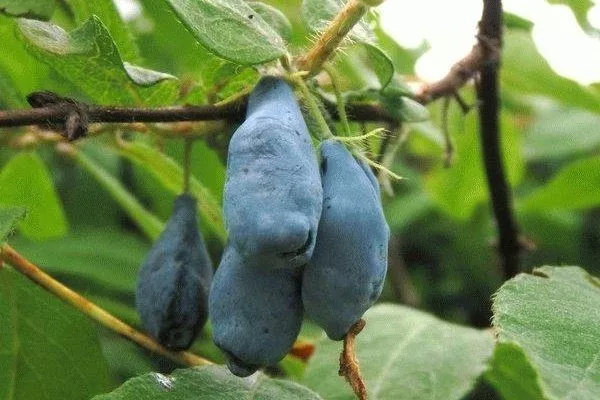
Souvenir variety
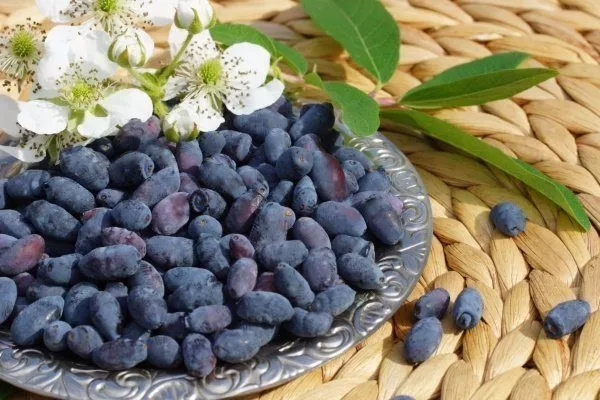
Izuminka variety
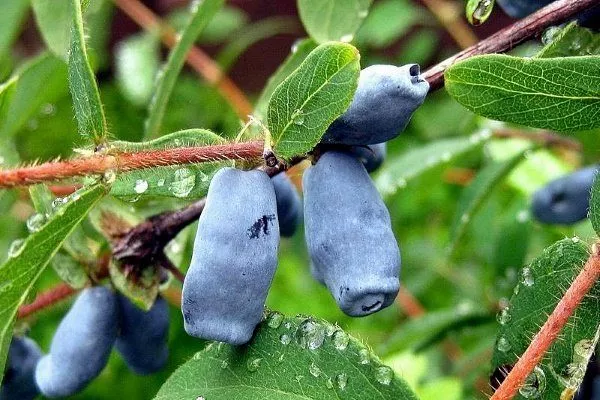
Lebedushka variety
Among the previously presented varieties, the following are resistant to shedding:
- Amphora;
- Malvina;
- Altair;
- Kingfisher;
- Kamchadalka;
- Moraine;
- Moscow-23;
- Leningrad giant;
- Blue Bird;
- Gerda;
- Volkhova.
Varieties with fruit that fall off
These varieties are prone to easy picking and falling fruits, so it's crucial to start harvesting on time. These varieties are:
- Blue Spindle;
- Roxana;
- Cinderella;
- Bakcharsky giant;
- Nymph;
- Long-fruited;
- Siberian;
- Tomsk resident.
The medium-sized Pavlovskaya variety also has a high shedding rate. The plant is resistant to secondary flowering and produces large berries with a pointed tip. The flavor is dessert-like, sweet and sour. Yield: 2 kg.
Varieties of modern selection
Among the varieties of modern selection, the most popular are:
- The Giant's DaughterThis variety is distinguished by its very large berries, surpassing even those of the Bakcharsky Giant. They reach 6 cm in length. However, they ripen unevenly: the first ripe berries are picked in late June, and the last ones are harvested in mid-July. The fruits are transportable. The flesh is sweet and sour. The variety is resistant to shattering. Yields up to 4 kg per mature bush. Pollinators: Vostorg and Bakcharsky Giant.
- Sweet toothThis new variety from Kamchatka breeders is a true gift for those with a sweet tooth, as the fruit contains a large proportion of sugars (13%), while the acid content is minimal (2%). The fruits are perfectly shaped, small in size, have a rich purple color, and a thick waxy coating. They ripen in the temperate zone by June 15. A ten-year-old bush can yield up to 6 kg. Pollinators are Violet and Amphora.
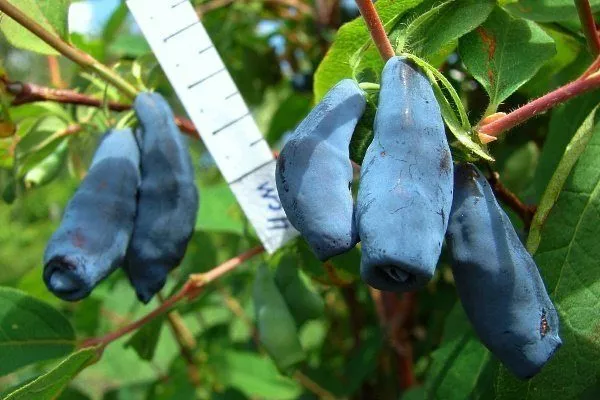
Giant's Daughter variety
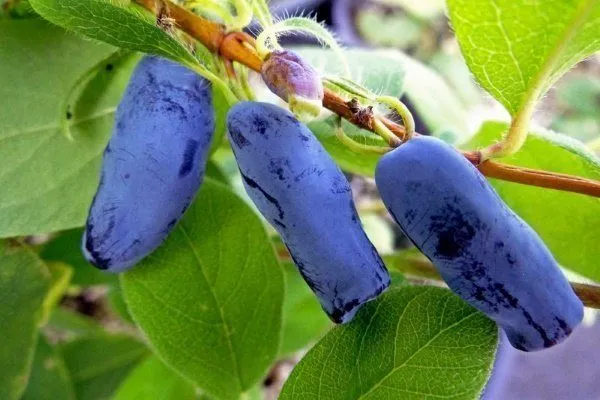
Slastena variety
Breeders continue to work on developing new varieties of edible honeysuckle that are characterized by high yields, large fruits, resistance to adverse climatic conditions, and lack of bitterness.
Select varieties to suit your taste
When choosing a honeysuckle variety, it's important to pay attention to the berry's flavor, as each plant has its own unique taste—from sweet and sour to slightly bitter. We'll look at the most popular varieties below.
Sweet
The sugar concentration in them is much higher than the acid concentration. These varieties are:
- Azure;
- Kingfisher;
- Ramenskaya;
- Dove.
Sweet with a subtle tartness
The fruit's flavor is sweet, but also slightly tart. These varieties include:
- Kamchadalka;
- Tomsk woman;
- Early Gzhel;
- Late Gzhel.
Sweet with a distinct sourness
The fruits have a pronounced sourness. These are the varieties:
- Souvenir;
- Blue Spindle;
- Nymph;
- Gerda;
- Moscow-23.
Sweet with strawberry flavor
The fruit's flavor has strawberry notes. These are the varieties:
- Cinderella;
- Roxalana;
- Volkhovka.
So, honeysuckle is a frost-hardy berry that's resistant to pests and diseases. It's not only healthy but also delicious. However, to get the maximum harvest, it's important to consider the characteristics of the berry variety, remembering that honeysuckle varieties with blue and black flowers are edible, while red and orange ones are inedible.