
The capped honeysuckle is a cultivar commonly known as the privet honeysuckle. It prefers high humidity and a cool climate and produces beautiful berries that are not used as food. Therefore, the shrub is considered purely ornamental, making it popular for landscaping.
Origin
The honeysuckle variety grows in western and central China, most often among mountain ranges and mountain rivers. The plant can be found in sparse forests and private plots.
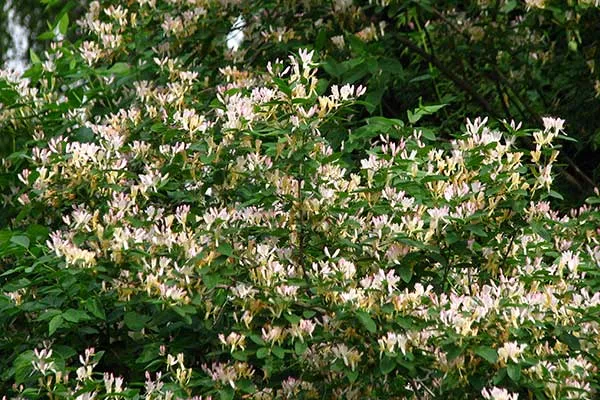
Features of honeysuckle
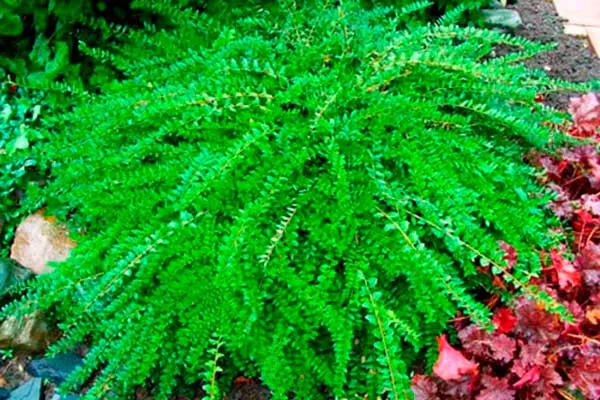
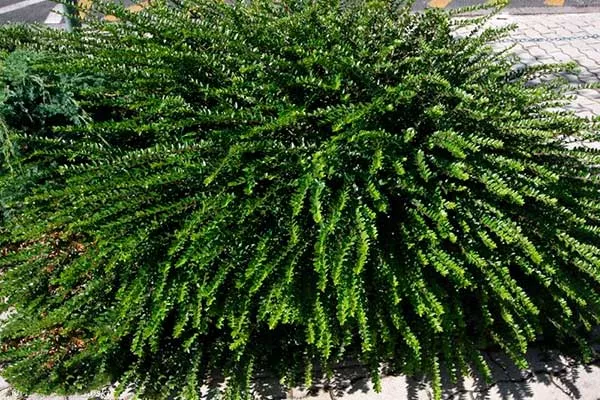
This variety appears as an evergreen, creeping shrub-like plant. It decorates garden plots three seasons a year: with flowers in spring, berries in summer, and foliage in autumn. If there are no severe frosts, the leaves remain through the winter. It's a groundcover plant, as the stems arch and spread across the ground.
General description of the shrub and fruits
The appearance of the bush and berries depends on the plant subspecies and the specific variety, but there are also general indicators:
- Bush. Its height varies from 50 to 150 cm, so it can even be grown as a houseplant. The crown is very lush and spreading, spreading along the ground.

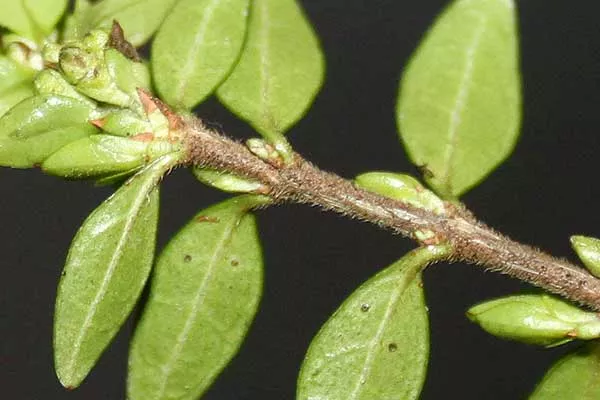
- Escapes. Always thin and flexible, their growth is directed in different directions. Foliage is abundant.
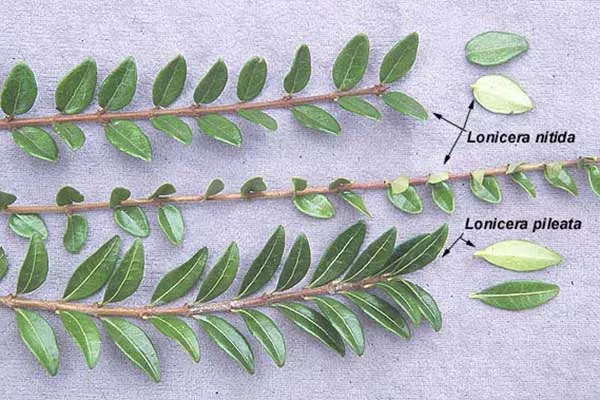
- Leaf blade. The leaves are very small, as are the buds. They are borne on shortened petioles and can be lanceolate or ovate, but their base is wedge-shaped. They range from 5 mm to 2 cm in length and from 2 mm to 1.5 cm in width.
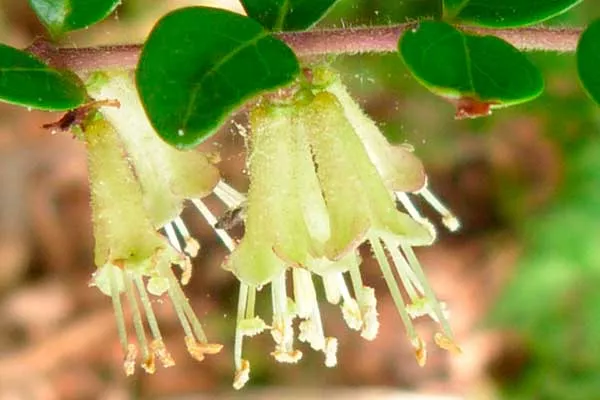
The leaf tips are blunt, the upper surface is glossy, and the underside is slightly pubescent. The leaflets are dark green above and light green below. Ciliation is weak, and the veins are clearly visible. - Flowers. Characterized by a pleasant, intense fragrance. The flower stalks are erect, 5 mm long. Petals come in white, yellow, orange, or pink. Other characteristics:
- corolla type – two-lipped, funnel-shaped-tubular, up to 6-8 mm long;
- the surface of the styles and stamens is pubescent;
- ovary type – free;
- bracts are awl-shaped.
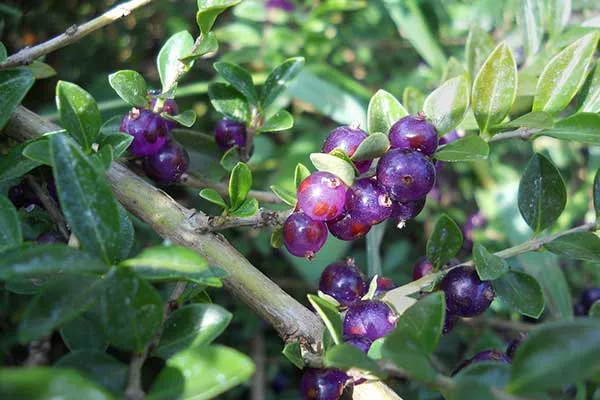
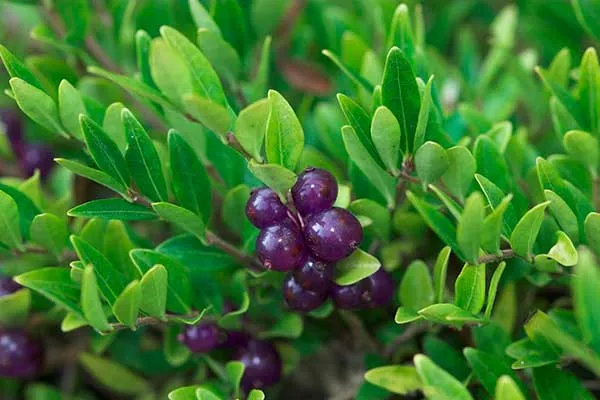
- Berries. Small in size, with a diameter of 5 mm, they are completely round and purple-violet or snow-white in color. Sometimes they have red tints. The fruits are poisonous, so eating them is strictly prohibited.
Characteristics
Evergreen shrubs offer excellent benefits for gardeners:
- Frost resistance. The plant's frost hardiness zone is 6a, meaning it can tolerate temperatures from -23 to -20 degrees Celsius, so in southern regions, no winter protection is required. Even if the tips of honeysuckle shoots freeze during severe frosts, they will recover on their own in the spring.
- Budding. The honeysuckle flowering period is May-June.
- Soil. It is undemanding of soil composition and thrives in conditions with a pH ranging from slightly acidic to alkaline. Light, permeable sandy soils are most favorable for its growth.
- Growth rate. It is about 15-20 cm per year, but this figure can be increased by regularly watering the plant and applying complete mineral fertilizer once in the spring.
- Resistance to other negative factors. Honeysuckle is disease and pest resistant and is resistant to heat, drought and air pollution, making it a suitable choice for urban conditions.
Intraspecific varieties
| Name | Bush height (cm) | Leaf color | Flower color | Color of berries |
|---|---|---|---|---|
| Lonicera pileata var. linearis Rehder | 50-150 | Dark green | White, yellow, orange, pink | White, purple |
| Lonicera pileata var. yunnanensis Franch | 50-150 | Dark green | White, yellow, orange, pink | Purple, reddish, violet |
| Moss Green | 50-150 | Bright green | White, yellow, orange, pink | Violet-purple |
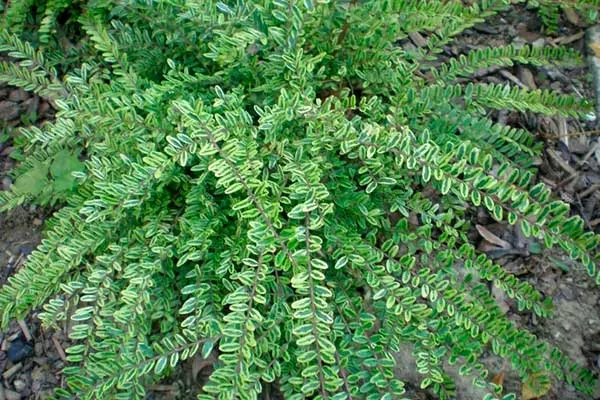
| Variegata | 50-150 | Rich green with cream edging | White, yellow, orange, pink | Violet-purple |
Honeysuckle is divided into two key subspecies:
- Lonicera pileata var. linearis Rehder. It differs in the color of the berries – it can be white or purple.
- Lonicera pileata var. yunnanensis Franch. It is a striking representative of honeysuckle with purple, reddish and violet berries.
Based on the etymology of the meaning "Lonicera," the word originates from the 16th-century German naturalist Adam Lonicer. The epithet "pileata" means "hat."
Popular varieties
Among the honeysuckle varieties, the most popular and widespread are the following:
- Moss green. Characterized by a very wide crown and classic bright green leaves.
- Variegata. The main difference of this variety is the light cream border on the rich green leaves.
Subtleties of planting
Honeysuckle is best planted outdoors in spring or fall. It's important to ensure the soil doesn't freeze after planting. The optimal time is late April and throughout May in spring, and from early September to early October in fall.
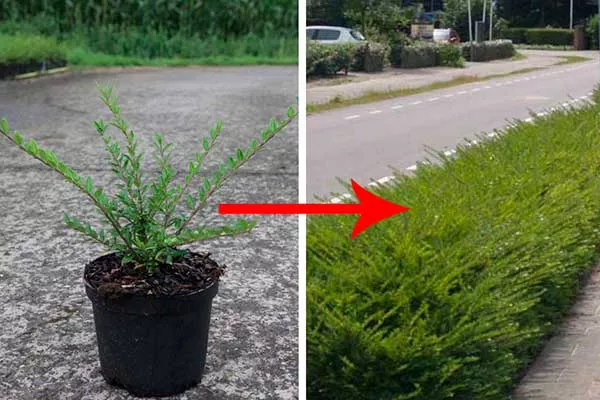
Since the honeysuckle bush is quite spreading, it is necessary to maintain a distance between the seedlings:
- When using slopes or embankments to create soil cover, it is recommended to plant 5 to 8 seedlings per 1 square meter.
- When creating a rock garden or hedge, the distance between plants should be at least 80 cm, which will allow you to quickly fill the space between them.
Step-by-step planting instructions:
- Prepare the planting area: dig the soil, add sand or gravel to improve drainage.
- Dig a planting hole, the size of which should be 2 times larger than the parameters of the root system in width and depth.
- If there is a risk of stagnant water in the area, create a drainage layer of gravel at the bottom of the hole.
- Place the seedling in the center of the hole.
- Cover with soil, compacting the soil around the seedling.
- Water the plant – about 20 liters of water per seedling.
Features of cultivation
Cultivation of honeysuckle in open ground involves a number of standard procedures.
- Watering. This honeysuckle species is very demanding when it comes to moisture. Seedlings require regular watering, while mature bushes can tolerate short periods of drought. During prolonged periods of dry weather, the plants should be watered daily.
Honeysuckle is an evergreen plant, so it's recommended to water it even during the cold season, especially on frost- and snow-free days. Winter watering prevents physiological drought, which can manifest itself as browning of the leaves in the spring. In summer, it's best to water the plants in the morning or evening, directing the water directly to the roots and avoiding wetting the leaves. - Fertilizer. This honeysuckle variety only requires compost applied to the roots in spring. In fertile soil, additional fertilizing may not be necessary. For potted plants, liquid fertilizers should be applied monthly. When using mineral fertilizers, choose those containing less nitrogen and more potassium and phosphorus.
- Formation. Honeysuckle is often planted as a hedge, so pruning is crucial. Large shoots require regular removal to control the shrub's size. The plant tolerates intensive pruning well, which promotes denser hedges and accelerates branching.
- Trimming. It requires compliance with the following rules:
- Spring – This is done between March and April, before shoot growth begins. The bush can be shortened by 8-9 cm, while preserving the middle shoots to ensure lush branching.
- Lightening – It is performed in winter to remove overly dense and weakened branches, providing more light to the central shoots.
- Forming – can be carried out at any time, but with moderate removal of branches so as not to weaken the plant.
- Rejuvenating – It is recommended after flowering to renew the bush; it is permissible to remove up to a quarter of the old branches.
- Wintering. To protect honeysuckle over the winter, it's recommended to apply a thick layer of mulch around the bushes and cover them with spruce branches or agrofibre. Honeysuckle can also be grown in containers, which should be moved to a bright, cool, frost-free area before the onset of cold weather.
- Stop applying nitrogen fertilizers 2 weeks before the first frost.
- Increase the mulch layer around the bush to 10 cm to protect the root system from frost.
- Before the onset of persistent frosts, wrap the bush with agrofibre or install a frame shelter.
Other aspects of honeysuckle care may vary depending on the site type. For example, staking may be necessary to maintain upright growth in single plantings. Given the plant's natural tendency to creep, it can be supported using bamboo stakes or trellises.
Methods of reproduction
Climbing honeysuckle is propagated in various ways, but the following are considered the most successful:
- Cuttings. Propagation is done in the spring by cutting woody shoots 10 to 20 cm long. No new growth should be present. The cuttings are placed in a container with soil and compacted to remove air pockets.
The container is placed in a warm, protected place under film or a cut plastic bottle and the substrate is kept moist until rooting occurs. - Layers. The procedure is simple and natural: hanging shoots are covered with soil, secured, and allowed to grow independently, after which they can be separated and planted in the desired location.
- ✓ The optimal length of the cuttings should be at least 15 cm to ensure sufficient nutrients.
- ✓ The substrate temperature should be maintained at 20-22°C to stimulate root formation.
Landscape design for honeysuckle
This plant is gradually gaining recognition among garden owners and landscape designers. This shrub is ideal for planting on slopes and embankments, and looks spectacular on flat surfaces. It can be used as a stand-alone plant in a lawn or near a pond, or as part of a formal hedge.
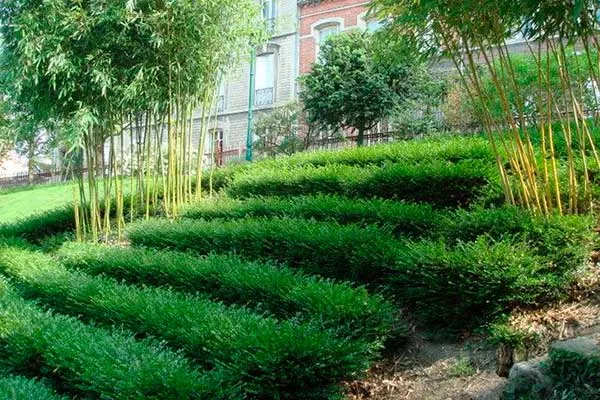
Thanks to its low crown, honeysuckle fits perfectly into large rock gardens in combination with other groundcover plants:
- creeping rose varieties;
- shiny golden honeysuckle;
- flowering vines.
Moderate winter hardiness makes honeysuckle suitable for year-round use in mild climates. This plant fits well into a variety of garden design styles, especially those with an oriental feel.
Reviews
The honeysuckle variety known as "Shapochnaya" is distinguished by its frost resistance, lush, spreading habit, and small, glossy green leaves. This easy-to-grow plant grows quickly, successfully forming a dense green carpet even in shady areas. The key is to follow proper cultivation practices.