
Honeysuckle berries are not only delicious, but they also have beneficial properties. But to ensure a bountiful harvest, don't forget to fertilize the plant throughout the year. Different types of fertilizer are required at different times of the year.
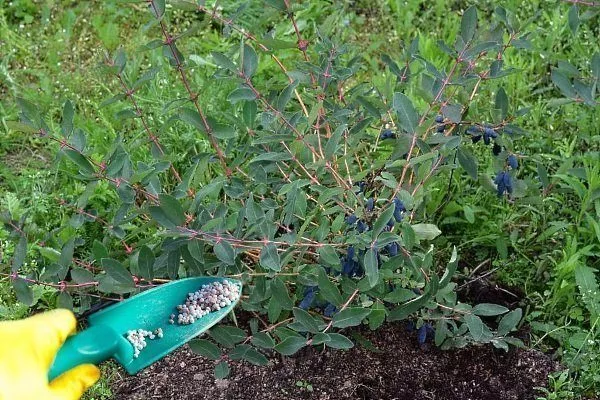
Timing of fertilizing
When planting, it's essential to fertilize the hole with organic matter. This will provide sufficient nutrients for the next three years, while the honeysuckle slowly begins to grow. The first full harvest is expected in the third or fourth year.
- ✓ Check the soil pH before applying fertilizer; the optimal level for honeysuckle is 6.0-6.5.
- ✓ Consider soil moisture; applying fertilizer to dry soil can cause root burns.
Fertilizing garden honeysuckle follows a strict schedule:
- In spring, in April, 20 g of urea or 30 g of ammonium nitrate are added to a depth of 25-30 cm under each bush.
- In summer, in July, 7-10 liters of liquid manure or 20 g of nitrophoska per 10 liters of water are useful.
- In autumn, at the end of September - beginning of October, it is important to apply double superphosphate or potassium salt at 15 g per bush.
We recommend reading the article about How to care for honeysuckle in autumn.
Depending on the region and its climatic norms, the timing of fertilizing may shift in one direction or another.
How to feed honeysuckle?
Mineral fertilizers, organic matter, and folk remedies are used to supplement honeysuckle. All of these can be used either alone or in combination with one another. It's important to follow the appropriate fertilizer rates and proportions, and consider the specific needs of the plant at each application period.
Mineral fertilizers
Mineral fertilizers are inorganic. They are produced chemically through reactions between substances and elements. This results in a high percentage of the required component: potassium, nitrogen, or phosphorus. They are quickly absorbed by plants, but their presence in the soil is short-lived.
Spring fertilization is used to accelerate honeysuckle growth, prevent bush deformation, and promote the formation of foliage and fruit set. All of these factors depend on the presence of sufficient nitrogen in the soil. Therefore, nitrogen fertilizers are used:
- Ammonium nitrateContains approximately 35% nitrogen, supplemented by chalk, phosphorus gypsum, or crushed limestone. It is highly water-soluble and can be applied dry or as an aqueous solution. Nitrate can be scattered over the soil surface; it will dissolve in moisture and be delivered to the honeysuckle's surface roots. The application rate is 10-20 g per square meter. For foliar feeding, dilute 5 g of nitrate in 10 liters of water.
- Urea(Urea nitrogen) consists of 45% nitrogen. It is applied dissolved in water or buried in the soil. When applied to the surface, the nitrogen evaporates as ammonia. The application rate is 10 to 20 g per square meter. Urea nitrogen is added to 20-30 g per 10 liters of water. Urea nitrogen does not combine with lime, chalk, or simple superphosphate.
- Ammonium sulfate Contains up to 22% nitrogen and 18% sulfur. It dissolves well in water. When applied dry, it absorbs well with irrigation or rain and remains in the fertile soil layer for a long time. To reduce the acidifying properties of ammonium sulfate, mix the fertilizer with chalk or limestone in a 1:1 ratio. The average rate per square meter is 25 g.
- Ammonium chloride(ammonia) consists of 25% nitrogen and 67% chlorine. The fertilizer strongly acidifies the soil, so it is mixed with lime in a 1:1.3 ratio, but is readily available to shrubs. It is highly soluble in water. It is best applied in the fall before tilling the soil, so that by spring the chlorine, which is harmful to plants, will sink to the lower soil layers.
Ammonia is not compatible with ash!
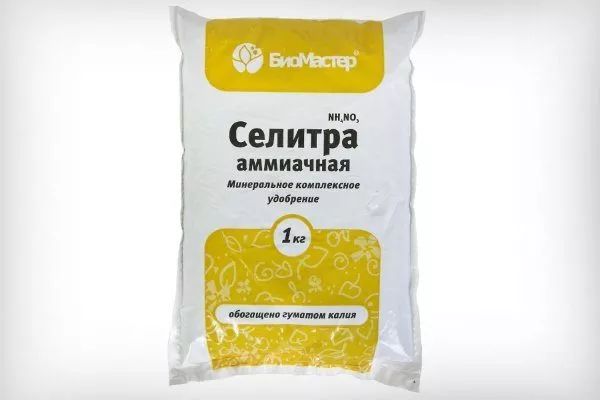
Ammonium nitrate
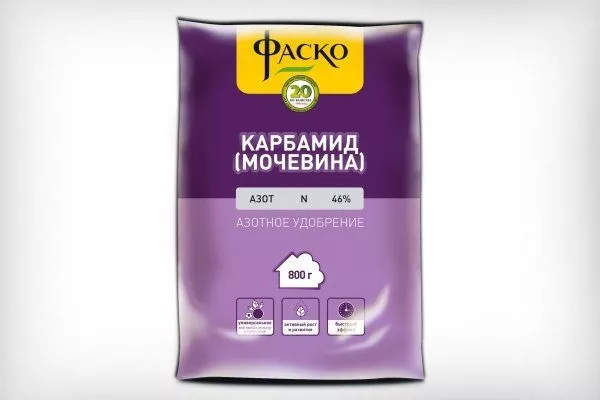
Urea (carbamide nitrogen)

Ammonium sulfate
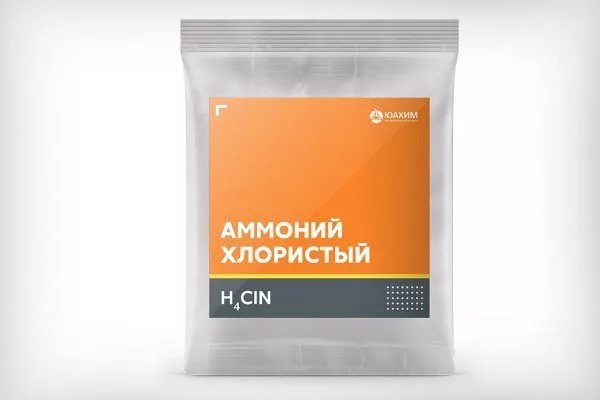
Ammonium chloride (ammonia)
Phosphorus fertilizers in spring for flowering
Phosphorus predominates in these mineral fertilizers. This element is responsible for maintaining soil moisture and maintaining the formation, juiciness, and flavor of honeysuckle berries. Ornamental varieties of this shrub do not require phosphorus, as their berries are not edible.
The following phosphorus-based fertilizers are used:
- Superphosphate Contains up to 20% phosphorus. Application is carried out using a continuous method at a rate of 50 g of fertilizer per 1 square meter of soil.
- Double superphosphate Contains 37-43% phosphorus. It's more economical than superphosphate and contains no unnecessary substances. It helps shrubs survive the winter.
- Phosphate rock flour Contains up to 20% phosphorus and 65% calcium. It is used in acidic soils. It enhances plant immunity to disease, prevents parasites, and increases winter hardiness of honeysuckle. Fertilizer consumption is 30 g per 1 sq. m.
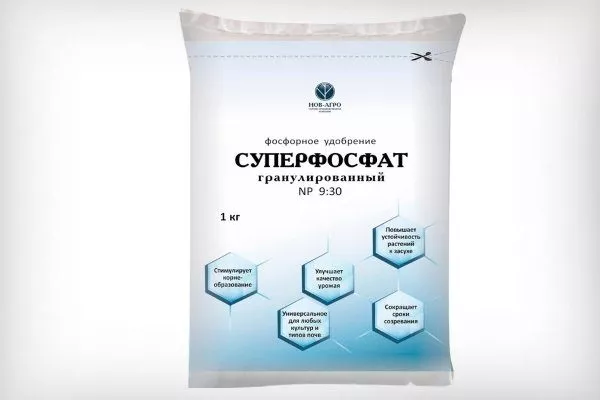
Superphosphate contains up to 20% phosphorus
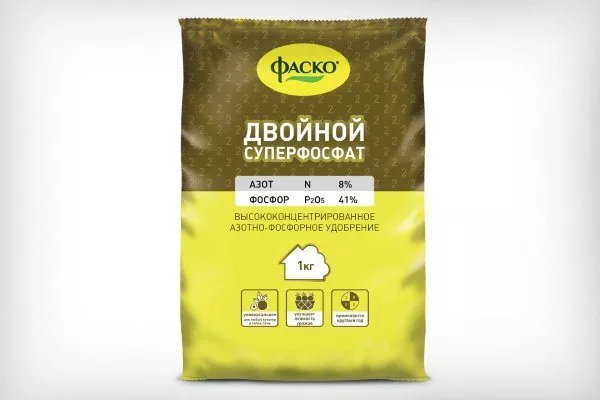
Double superphosphate contains 37-43% phosphorus.
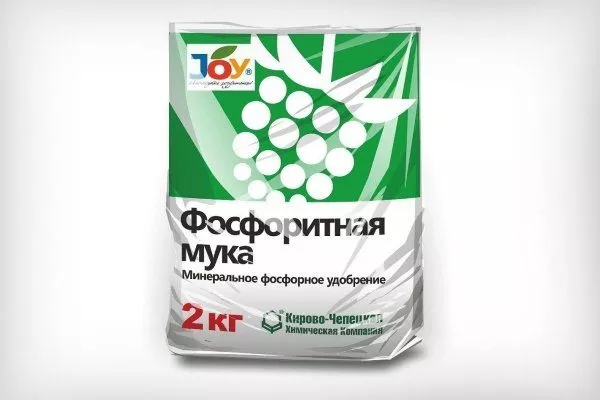
Phosphate rock contains up to 20% phosphorus and 65% calcium
Phosphorus fertilizers for root application are diluted with water to a 10% concentration. Allow at least 30 days between phosphorus and nitrogen applications.
Potassium for autumn
Potassium fertilizers are applied in the fall to prepare honeysuckle for the coming winter. Potassium strengthens the root system. Maintaining adequate levels reduces the risk of plant diseases and serves as a preventative measure against pests.
Kainit provides the most effective fertilizer. It has the lowest nitrate content of all potassium fertilizers. Apply after harvest. The application rate is 50 g per square meter.
Organic complex compounds
Organic fertilizers are equally beneficial for honeysuckle. While it takes time for the micronutrients and nutrients to be released, the positive effects on the plant are longer lasting than those from mineral fertilizers.
Organic fertilizers contain potassium, phosphorus, and nitrogen, supplemented with calcium, copper, sulfur, and other elements. Organic matter decomposes completely in the soil and requires minimal investment.
These fertilizers include:
- Humus (compost) Compost consists of rotted plant remains and organic household waste, sprinkled with peat or soil. It is collected in a special box or compost pit, periodically mixed, and moistened. It contains virtually all the nutrients a shrub needs.
Used when mulching and digging the soil, making it loose. This allows oxygen to reach the roots more easily, and the soil itself retains moisture longer. For liquid feeding of honeysuckle, dissolve the compost in water and let it steep for several days in a warm place. - Manure (cow dung)Well-rotted manure is used for top dressing. It is added when digging the area. It contains a large amount of nitrogen, which is slowly released and accumulated by the shrub. Therefore, manure is recommended for fall application. In the spring, the manure is diluted with water in a ratio of 1:6, infused, and watered through the depressions around the shrub. Using fresh manure is dangerous for plants, as it causes severe root burn.
- Ash -a source of calcium and potassium, used not only as a fertilizer, but also as a means of fighting honeysuckle diseases and to repel pests. The predominance of a particular element in wood ash depends on the type of wood ash. It is scattered over the area when loosening the soil, and an ash solution is prepared for root and foliar feeding. To do this, add 300 g of ash to 10 liters of water. Let it steep for 2-3 days, then strain. For watering, 5 liters is sufficient for each honeysuckle bush.
- Bird droppingsContains a large amount of nitrogen. It is used in the fall for top dressing and mulching the soil in its dry form. In winter, as it decomposes, it releases heat, thereby warming the honeysuckle roots. Its water infusion is an excellent liquid fertilizer for the spring. It is prepared from 1 part organic matter to 10 parts water.
- ✓ Use only fully rotted humus for mulching; fresh humus may contain weed seeds.
- ✓ When using ash, consider its origin; ash from coniferous trees contains less potassium than ash from deciduous trees.
Watch a video on how to fertilize honeysuckle with organic fertilizers:
An excess of organic matter is just as dangerous as excessive amounts of mineral fertilizers. They should be applied sparingly and in measured doses. Due to their complex composition, such fertilizers should be applied no more than twice per season.
When digging the soil with organic matter, be careful and cautious. Keep in mind that honeysuckle's root system is shallow and can be damaged or burned by contact with fertilizer.
Folk remedies for feeding after flowering and winter
Folk recipes for feeding honeysuckle:
- Used coffee grounds.It will help replenish the nitrogen content in the soil if you water the plant with a cooled coffee mixture every 2 days for 14 days, or dig the grounds near the roots and then water.
- Every 7-10 days, you can treat your honeysuckle with water drained from boiling potatoes. This provides the bush with starch, an additional source of nutrition. This is important for the bush after winter to speed up the growing process.
- Aquarium water contains biological waste from fish. Therefore, pouring this water under your honeysuckle bush provides additional nutrition.
For bait, you can use infusions of yeast, tea, banana peels, and nettles.
Foliar feeding of honeysuckle
Foliar fertilization is used in conjunction with root fertilization, or when a quick positive effect is needed to restore the plant, or help it overcome disease. Due to their combined surface area, leaf blades absorb fertilizing solutions very quickly, distributing beneficial elements and nutrients throughout the plant.
Spraying with urea
Spraying with a urea solution is used when young honeysuckle shoots are growing slowly, deformed, and the leaf blades have a pale green tint. This method accelerates the growth of young shoots and the formation of buds, which ultimately leads to increased yields.
If there is a risk of frosts coinciding with the shrub's flowering period, foliar feeding with urea will help delay the onset of flower appearance.
To spray honeysuckle, prepare a 10% aqueous fertilizer solution. Apply 1 liter of fertilizer per bush.
For a quick visible effect, prepare a solution according to this recipe:
- urea - 1 tbsp;
- superphosphate - 10 g;
- potassium sulfate - 5 g;
- water - 10 l.
Helpful tips
When caring for honeysuckle and applying fertilizer, use the following tips:
- Water the shrub before and after fertilizing. This ensures that the dry fertilizer dissolves and the nutrients reach the root system.
- Organic fertilizers are always covered with a layer of soil after application. This is because most organic fertilizers (humus, compost) need to decompose.
- Loosen the soil in the honeysuckle area more frequently. This will improve air circulation, which will benefit the plant.
- Maintain a regular watering schedule. The shrub does not tolerate drought or excessive moisture. The berries will fall off during fruiting. Stop watering in October; rainwater will be sufficient for the honeysuckle.
- Don't overdo it with fertilizers! Follow the gardener's golden rule: it's better to under-fertilize than to over-fertilize the soil with micronutrients and nutrients.
Honeysuckle is an easy-to-grow plant, but it still requires attention. Fruit-bearing varieties of the shrub require additional nutrition to ensure a bountiful harvest. Therefore, be sure to apply fertilizer regularly, taking into account the type of fertilizer. And in the fall, enjoy the berries, which contain a wealth of beneficial components and vitamins.