
Honeysuckle Indigo Gem is characterized by disease and frost resistance and good productivity. It is an excellent choice for both experienced and novice gardeners. With proper care and attention to detail, you can enjoy sweet berries, beautiful blooms, and a decorative bush year after year.
Description of the plant and fruits
The bush is vigorous and upright, reaching a height of up to 1.5 m, with a compact V-shaped crown approximately 1.2 m in diameter. Young shoots are grey-green, while older shoots are brick-brown with peeling bark.
- ✓ The optimal soil acidity for honeysuckle Indigo Gem should be within the pH range of 5.5-6.5.
- ✓ The distance between bushes when planting should be at least 1.5 m to ensure good ventilation and access to light.
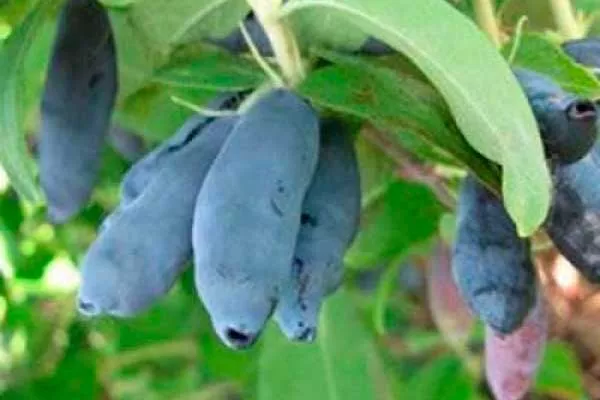
Other features:
- Leaves - large, oval, dark green.
- Flowering – abundant, begins in mid-May, flowers are white, resistant to recurrent frosts.
- Escapes – They are characterized by rapid growth. Propagation occurs by cuttings and division of the bush.
- Berries - large, weighing up to 3 g, elongated-oval in shape, resembling a plum, with dense aromatic pulp and purple skin.
The fruits tolerate transportation well and have high commercial qualities.
Taste qualities
The berries have a sweet, slightly tart flavor without bitterness. The sugar content is 5.9%, and the ascorbic acid content is 54.4%.
Characteristics
This useful shrub has several varieties. In Russia, gardeners are particularly familiar with the Indigo varieties Dzhem and Yam. They are deservedly popular due to their excellent characteristics.
Received in 1999 in Canada by breeder Robert Bors at the University of Saskatchewan.
Ripening and fruiting
| Name | Disease resistance | Frost resistance | Productivity |
|---|---|---|---|
| Indigo Jam | Moderate immunity | Up to -35°C | 4-5 kg per bush |
| Yam | High immunity | Up to -30°C | 3-4 kg per bush |
The bush begins bearing fruit in the second year after planting. It's a mid-season variety: the berries begin to ripen by the end of June, and the process is spread out over time. They hold firmly to the branches and do not fall off even when completely dry, allowing for mechanical harvesting.
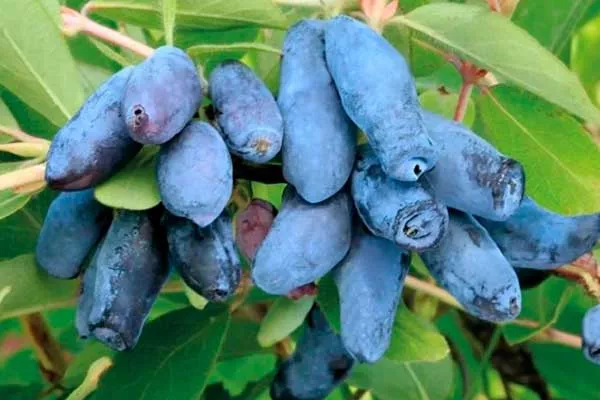
The variety is distinguished by its productivity: with good care, about 4-5 kg of berries can be harvested from one bush.
Growing regions
The variety has successfully passed variety testing in the Moscow region and is suitable for cultivation in Central Russia, the Urals, the Far East, and Siberia.
Resistance to diseases and pests
Indigo Gem has moderate immunity to major diseases. For prevention, spray the crown and soil around the bush with a 1% copper sulfate solution in spring and fall. In damp weather, sprinkle the leaves and soil with wood ash.
Winter hardiness and need for shelter
The plant is characterized by its winter hardiness: without cover, the bush can withstand temperatures down to -35°C. In harsh climates, cover young seedlings with agrofibre, and mulch mature plants with a 15 cm layer of dry grass or humus around the trunk.
Long winter thaws can cause honeysuckle to awaken, making it vulnerable to subsequent frosts. The variety tolerates drought well, but yields decrease with insufficient moisture.
Location and soil requirements
It prefers sunny locations, but also thrives in partial shade. The site should be protected from the wind, preferably on a south or southeast exposure.
Soil composition isn't critical, but it should be neutral or slightly acidic. Fertile loamy soil is ideal.
Self-fertility and the need for pollinators
Indigo Jam is a partially self-pollinating variety. For a high yield, plant nearby other varieties: Aurora, Honeybee, Altay, Bakcharskaya Yubileinaya, Bakcharsky Velikan, Goluboe Treasure, Dessertnaya, Strawberry Sensation, and Yugana.
Beneficial properties
Thanks to their unique combination of vitamins C and P, honeysuckle berries have medicinal properties and are particularly beneficial for anemia and hypertension. The fruits contain vitamins A, B1, B2, B9 (folic acid), carotene, and minerals such as calcium, potassium, magnesium, phosphorus, and sodium, as well as pectin and tannins.
In terms of iodine content, honeysuckle is second only to strawberries, making it a powerful preventative against serious diseases such as atherosclerosis, heart attacks, and blood and liver cancer.
Use in cooking and landscaping
The berries are edible, have a pleasant sweet and sour taste, and are rich in vitamins and minerals. They are perfect for eating fresh, making jam, compotes, and other preserves.
Indigo Gem is widely used in landscape design due to its ornamental qualities and healthy fruits. This shrub is ideal for creating hedges, single plantings, and group plantings. These plants are often used to delineate areas and create natural barriers.
Planting and caring for honeysuckle
Proper planting of Indigo Gem honeysuckle plays a key role in its successful development and fruiting. It's important to follow certain recommendations.
Planting dates
Plant the crop in the fall or spring. When choosing the optimal time, consider the region's climate and its impact on plant growth. Buds begin to emerge in mid-March, and it's important that the soil is well-warmed during this period.
These conditions can only be met in the southern regions of Russia, so plan spring planting in the south, while in other regions, postpone planting until early fall. The optimal time for planting is late August or early September.
Selecting and preparing a planting site
To ensure your Indigo honeysuckle yield meets the manufacturer's stated requirements, choose the ideal location for the plant. It should be well-lit and protected from winds—both artificial and natural, for example, by other shrubs or trees.
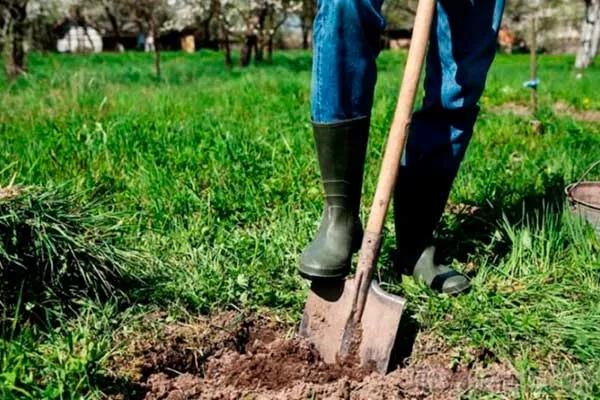
Follow these recommendations:
- Plant the shrub on the south or southeast side of the site, where it will be well protected from wind and drafts.
- Soil quality isn't particularly important, but it should be neutral or slightly acidic. Crop yields are significantly higher in fertile, loose, and light soil. Groundwater should be at least 1.5 meters deep.
- Begin preparing the planting site six months before planting. Dig the soil by hand or with a cultivator to a depth of 40 cm, then treat it with a 3% copper sulfate solution. Prepare the solution using 10 liters of water and 300 g of the solution, applying 100 ml per square meter.
After a week, add 20 kg of manure, 400 g of wood ash and 10 kg of sand per 1 sq. m, then dig again to a depth of 20 cm.
Three weeks before planting, prepare the planting holes. To ensure good pollination, arrange the holes in a circle, leaving a central spot for the pollinator. The holes should be 1.5 m apart, with a diameter of 40 cm and a depth of 40 cm. Cover the holes with plastic film.
Landing rules
Add fertile soil in advance or simply mix the soil with a complex fertilizer (150 g per hole). If the Indigo seedling is purchased in a container, its survival rate will be significantly higher, and the planting process will be easier:
- Remove the plant from the container along with the lump of soil.
- Place carefully into the hole.
- Fill with soil, compacting it slightly.
- Water generously.
For bare root Indigo seedlings, follow these instructions:
- Form a mound in the hole, place the plant and spread out the roots.
- Cover with soil, shaking the seedling periodically.
- Firm the soil and water well.
The root collar should remain level with the soil surface. Mulch the area around the trunk with compost to retain moisture and improve growing conditions.
Watering and fertilizing
Irrigation is a key part of caring for the Indigo Gem honeysuckle bush. Care recommendations:
- A mature plant requires 30 liters of water every 14 days. When the seedlings are still small, reduce the amount to 10 liters, but water more frequently – once a week.
- If you don't water enough, the berries may taste bitter. After each watering, be sure to loosen the soil and mulch it. Renew the mulch layer as soon as it reaches 5 cm.
- In early spring, apply nitrogen fertilizer (10 g urea per 1 m²) to stimulate growth.
- After flowering, feed the bushes with potassium-phosphorus fertilizers (20 g superphosphate and 15 g potassium salt per 1 m²) to improve fruiting.
- In autumn, apply organic fertilizers (5 kg of humus per bush) to prepare for winter.
Start fertilizing in the second year after planting. In the spring, before the buds open, add 10 kg of rotted manure under the bush. After flowering, add 500 g of wood ash. In mid-September, fertilize with superphosphate (50 g) and potassium salt (30 g).
Trimming
Pruning a plant requires following several rules. The procedure involves the following steps:
- Sanitary pruning. Involves removing dry, broken, damaged, thickening and creeping branches.
- Rejuvenating haircut. Suitable for bushes older than 10 years, it involves removing all non-fruit-bearing shoots.
Pruning should be done in the fall, and in the spring only if necessary for correction.
Wintering
This is a winter-hardy variety, so it doesn't require any additional winterization. However, in regions with harsh climates, cover young plants with agrofibre or mulch with sawdust.
Suitability for growing in pots
Choose containers with effective drainage to avoid waterlogging, which can lead to root rot. Follow these recommendations:
- Use good quality soil that is acid-resistant, drains well, and retains moisture.
- Water the plant regularly, but make sure the soil is not over-watered.
- Place the honeysuckle in an open or partially shaded location. The plant prefers partial shade, but can also grow in full sun if provided with adequate moisture. Avoid strong winds, which can damage the fragile branches.
- Indigo Gem can flower and fruit in a pot, provided you provide it with the necessary nutrients and proper care. Feed it regularly with a fertilizer for acid-loving plants.
- Remove faded flowers and dead branches to encourage new growth and ensure abundant flowering.
Growing honeysuckle in a pot allows you to enjoy its beautiful foliage and fragrant flowers on your balcony or garden. By following simple planting, care, and pruning guidelines, you can enjoy this plant for years to come.
Reproduction
There are several ways to increase the number of seedlings in your garden. Choose the best option for you:
- Green cuttingsCut the cuttings from the current year's shoots when the ovaries begin to form on the bushes. Select the strongest shoots, cutting them into 12 cm long sections with three buds.
Soak the cuttings in a Kornevin solution for 24 hours (according to the instructions), then plant them in soil, cover with bottles, and regularly moisten and ventilate. Remove the cover after a month.

- Lignified cuttingsPrepare planting material in late September or early October, after the leaves have fallen. Cut the current year's growth into pieces with 2-3 internodes. Wrap them in paper or burlap and bury them to a depth of 10 cm, covering them with leaves.
In spring, plant at a 45° angle, leaving 1 internode above the ground.
- By dividing the bushDig up the plant in the spring before bud break or in the fall after the leaves have fallen. A bush aged 3-5 years is suitable. Divide it into several sections and replant them in separate holes.
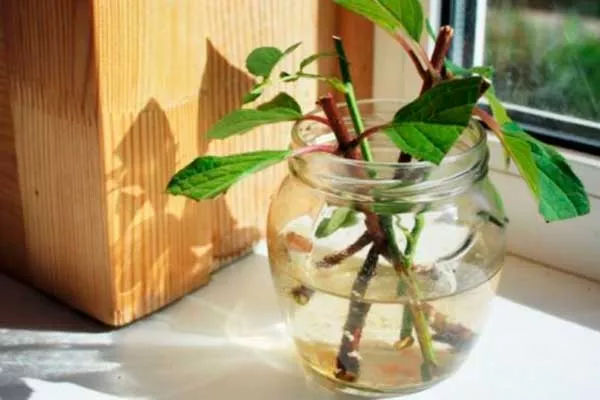
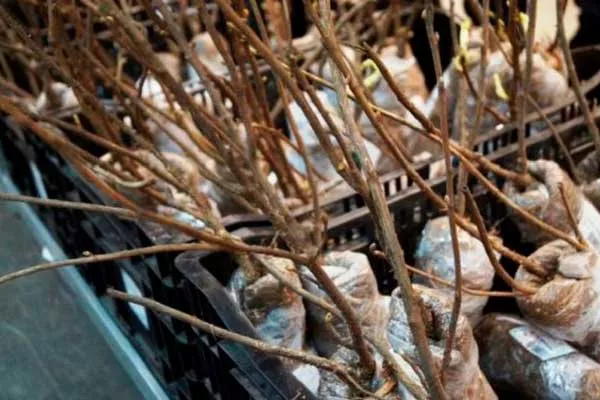
With any of these methods, the varietal characteristics of this variety are preserved.
Positive and negative qualities
Before planting a crop on your plot, carefully read its advantages and disadvantages.
Reviews
Honeysuckle Indigo Gem possesses unique properties, making it a favorite choice for both experienced and inexperienced gardeners. This variety attracts attention with its decorative leaves and vibrant berries, producing a bountiful harvest of sweet, aromatic fruit. It's important to learn the specifics of planting and caring for this plant to ensure a bountiful harvest.