
Honeysuckle Berel is a popular winter-hardy variety with many positive characteristics. Its unique ability to retain berries on the bush even after overripe makes it attractive to gardeners. It requires little effort to grow, but proper care is essential for achieving high yields.
Origin
Created by crossing the genetic material of the honeysuckle varieties Lazurnaya, Sinyaya Ptitsa, Goluboe Vereteno, and Sirius, the hybrid was developed by breeders I. P. Kalinin and Z. P. Zholobova at the M. A. Lisavenko Research Institute of Strawberries and Vegetables. In 1996, it was introduced to the general public and has since become popular among gardeners in our country.
Characteristics
This crop boasts excellent varietal characteristics, making it a favorite choice for both novice and experienced gardeners. The hybrid's positive qualities make it an excellent choice for gardening.
Appearance of the plant
| Name | Bush height | Size of berries | The taste of berries |
|---|---|---|---|
| Honeysuckle Berel | 1.7 m | Large | Sweet and sour with a slight bitterness |
| Siberian | 1.5 m | Average | Sweet |
| Fire Opal | 1.2 m | Small ones | Sour |
| Moraine | 1.8 m | Large | Sweet and sour |
| Narymskaya | 1.6 m | Average | Sweet |
| Sorceress | 1.4 m | Large | Sweet with a hint of bitterness |
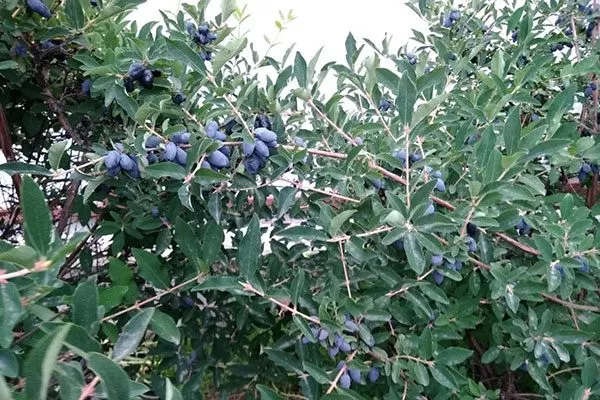
The bushes have a compact crown composed of strong, straight, and stable shoots. They reach up to 1.7 m in height. The branches are covered with large, slightly curved leaves. The foliage is elongated and oval in shape and dark green.
Berries and their taste qualities
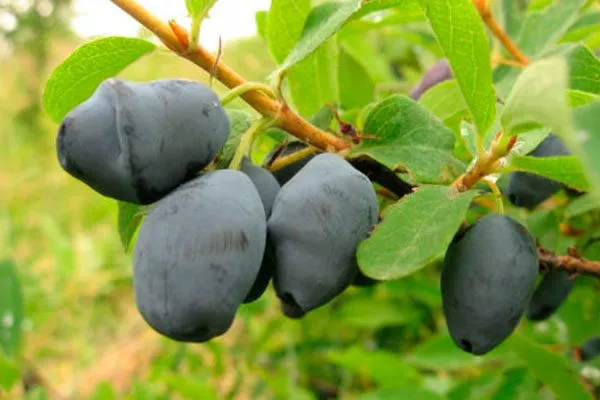
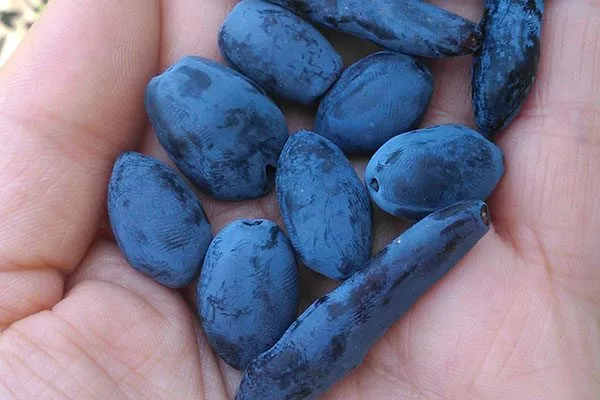
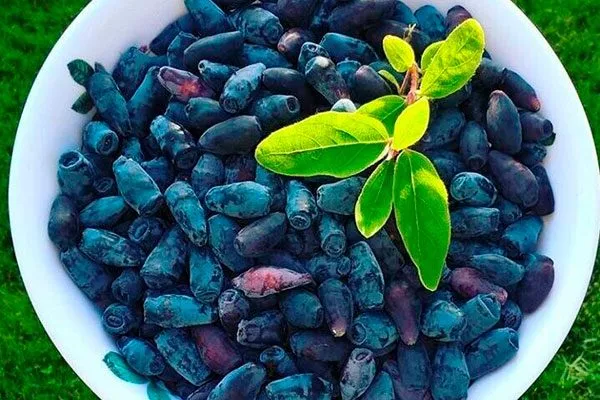
The fruits are striking in their unusual appearance: large, elongated, and bluish-black, with a beautiful waxy coating and a blue tint. Resembling stones, they adorn the green foliage. The skin is thin but firm. The flesh is tender and juicy, with a sweet and sour flavor and a slight bitterness.
Features of using this variety
Landscape architects are actively incorporating Berel honeysuckle into urban parks and squares. Thanks to its tall, straight stems, the plant is often used to create striking hedge compositions or as a standalone accent in landscape design.
It is grown on private plots as an alternative to traditional berry crops. The fruits are suitable for fresh consumption and are widely used for winter preservation, drying, and freezing.
Productivity and fruiting
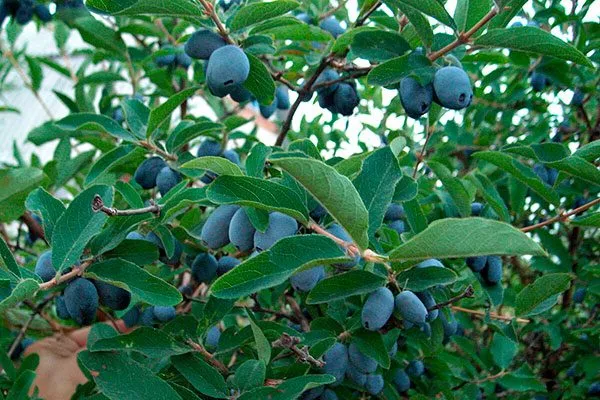
The hybrid begins bearing fruit within 2-3 years after planting. The Berel honeysuckle produces a bountiful harvest, reaching approximately 3 kg per bush. Due to its lightness and weightlessness, it produces a large number of fruits.
Ripening period
In Central Russia, this crop begins to bear fruit in the third ten days of June, while in the Urals, the Far East, and Eastern Siberia, harvesting begins in the first half of July.
Resistance to diseases and pests
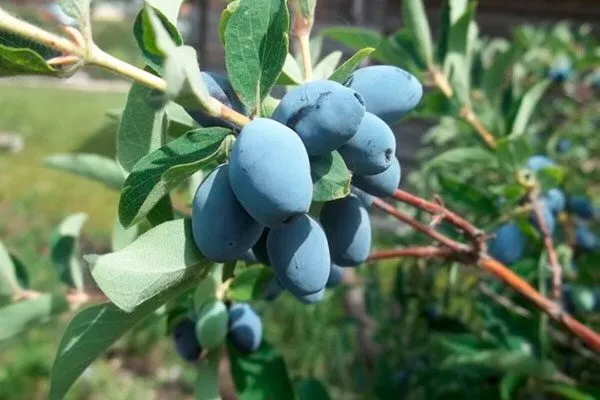
It has a strong immune system and is resistant to bacterial and viral infections. However, it can be susceptible to pest attacks, especially aphids, which can pose a serious threat to its dense crown.
Resistance to cold and drought
It exhibits resistance to spring frosts and requires no additional winter cover. It tolerates short-term drought, but prolonged drought can negatively impact yield. Regular, abundant watering is essential to ensure a high-quality harvest in hot weather.
Pollinators
It is a self-sterile crop, so to ensure a productive harvest, pollinator bushes must be planted in the area. Kamchadalka and other Kamchatka-origin varieties are considered among the most suitable and effective for pollination.
Which regions is it best suited for and what are the climate requirements?
The hybrid is recognized as suitable for regions with harsh climates. This undemanding and cold-hardy plant tolerates frosts of -30-35°C better than summer heat and prolonged drought.
The main advantages and disadvantages of the variety
The Berel honeysuckle has been bred using the original varieties to achieve its best characteristics. It boasts the following advantages:
- ease of care;
- strong immunity;
- pest resistance;
- early flowering and fruiting;
- frost resistance.
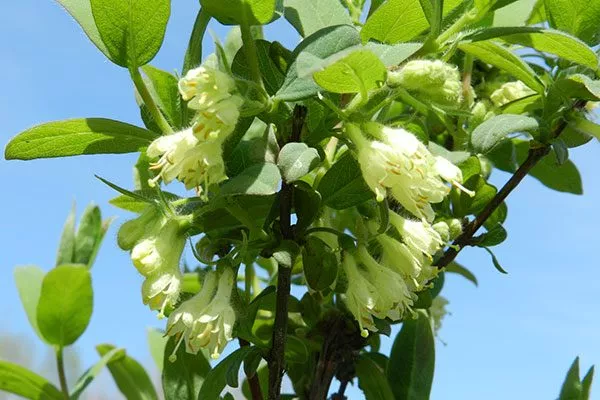
This plant is highly decorative thanks to its luxurious, bright green crown, fragrant inflorescences, and large berries. It is an excellent honey plant, providing a sufficient number of pollinating insects during the flowering period.
What is the difference from other varieties and hybrids?
There are many varieties of honeysuckle suitable for regions with harsh climates. Each has its own characteristics and advantages:
- Siberian. An early-ripening crop with a spherical crown. Yields up to 2.5 kg per bush.
- Fire Opal. A low-growing shrub, resistant to temperature fluctuations. Yields approximately 6 kg.
- Moraine. Produces large, sweet and sour fruits. Yields do not exceed 2 kg per bush.
- Narymskaya. It begins to yield crops in the second year after planting.
- Sorceress. Resistant to heat and drought, but may shed.
Agricultural technology
Planting time is early spring, but fall planting is considered preferable. The optimal time is the second half of September or early October. It's important to consider the region's climate and allow the seedlings at least 30 days before the onset of frost.
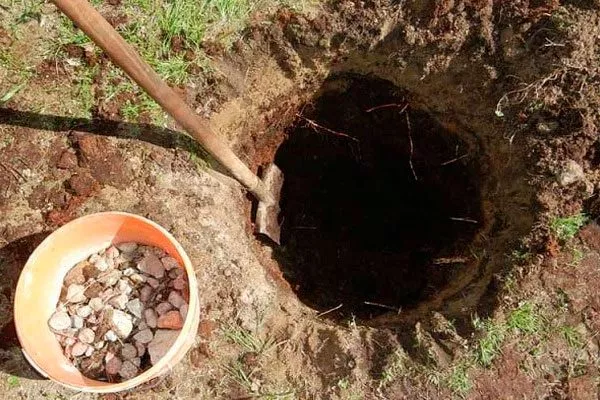
To ensure successful growth and fruiting, choose a suitable planting location, considering the following factors:
- Orientation to the south or south-east side, protected from the north winds.
- Availability of an open space or light partial shade.
- Fertile soil with good air permeability and a groundwater level no closer than 1 m to the surface.
- ✓ Soil pH should be between 5.5-6.5 for optimal growth.
- ✓ The soil must have good drainage to avoid water stagnation at the roots.
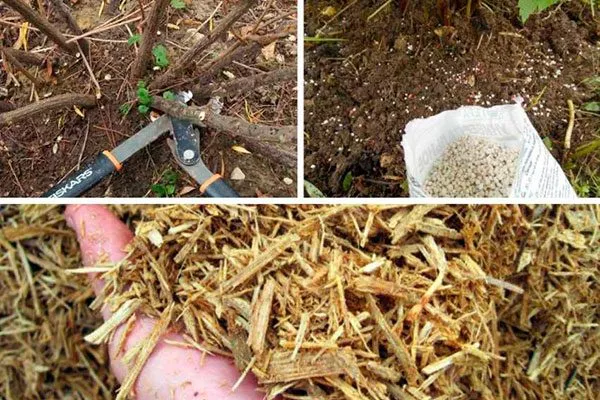
Prepare planting holes in advance, ensuring optimal soil composition and adequate spacing between seedlings. When planting, ensure the root collar remains level with the soil surface. After planting, water the trees thoroughly and apply mulch.
Care nuances
Although the hybrid thrives on moisture, it does not tolerate excess. Therefore, watering should be regular but moderate. Insufficient moisture during the ripening and filling stages of the berries negatively impacts their flavor, adding bitterness.
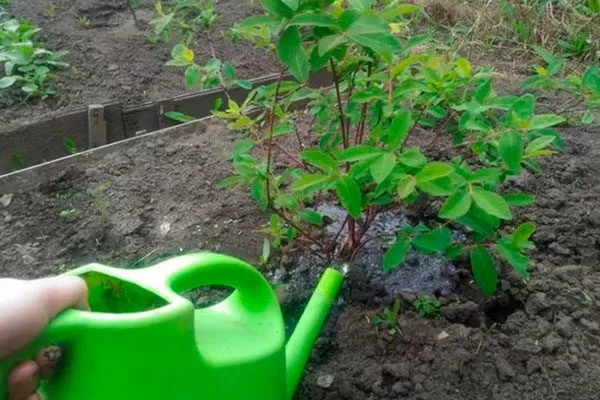
Infrequent watering can lead to premature fruit drop and other problems. Water approximately once a week, applying at least 10 liters of water to the roots. During dry periods, double the watering frequency, especially during fruiting.
There's no need for additional fertilizing for the first two years after planting. From the third year onward, the shrub begins to bear fruit more intensively. Apply fertilizer according to the season:
- Early spring, before the growing season begins. Use ammonium nitrate – 15 g per 1 square meter of the tree trunk circle. For foliar application, use urea (carbamide) – 20 g per 10 liters of water.
- After flowering. Add organic fertilizers (rotted manure, humus) – 10 kg per bush.
- Autumn, after fruiting. Apply superphosphate (20-30 g) and potassium sulfate (10-20 g) per 1 sq. m of the root zone.
Pruning plays an important role in care. Perform several types of pruning, including sanitary, thinning, rejuvenation, and shaping. Each type has its own goals and specifics, but in general, they are aimed at ensuring the health and good fruiting of the shrub.
Pest and disease control
The main threat to the plant is aphids, which can cause significant damage by sucking the sap from leaves and young shoots. If aphids infest the honeysuckle, it becomes overwhelmed, leading to the drying of leaves and shoots and premature fruit drop.
Preparing for winter
It tolerates winter cold well and usually doesn't require any additional winterization measures. In northern regions, it's recommended to provide additional protection for the shrub's root zone. To do this, use a thick layer of peat or humus, which will help insulate the roots and protect them from freezing.
Reproduction
The plant is easily propagated by both seeds and cuttings, but the fastest and most effective method is propagation using green shoots. To do this, pick young shoots from the mother plant, treat them with a growth stimulant, and plant them in moist soil.
| Method | Rooting time | Success rate |
|---|---|---|
| Green cuttings | 3-4 weeks | 70-80% |
| Seeds | 4-6 weeks | 50-60% |
Remove all the leaves at the bottom of the cutting and trim any remaining leaves at the top. This helps reduce moisture evaporation and speed up the rooting process.
Harvesting
In temperate climates, harvesting takes place in late June, while in regions with harsher climates, the harvesting period extends by 2-3 weeks. Berries are picked by hand, although in some cases, especially when grown commercially, specialized harvesters are used.
What difficulties might arise when growing?
This unpretentious plant poses no problems for garden owners. It develops slowly during the first three years as it undergoes an adaptation phase, during which its powerful root system develops.
If the bush is already older than three years and is not actively growing or has not yet begun to bear fruit, pay attention to the composition and structure of the soil, including the watering regime and fertilization.
Reviews
Honeysuckle Berel is an ornamental plant with delicious fruits. This variety is characterized by high yields, good frost resistance, and ease of cultivation. It is rarely susceptible to diseases and most insects. To boost immunity and ensure annual fruiting, it is important to provide proper care and follow certain guidelines.