
Grapes, as a heat-loving crop, require a warm climate to thrive. Thanks to the work of breeders, many varieties have been created that thrive and produce fruit in central Russia and even in the north. One worthy option for growing in Russia's harsh climate is Zilga.
History of selection
Created by Latvian breeder Pauls Sukatnieks in the early 1960s, the hybrid was developed by crossing three different varieties: the Moldovan Smuglyanka, the Russian Yubileyny Novgorod, and the Latvian Dvietes Zilas.
Description and photo of the Zilga grape variety
It's a technical grape variety, but its berries are used for wine production. The plant grows rapidly, with approximately 90% of shoots reaching maturity. No crop management is required. The leaves are large, three-lobed, dark green with a slight grayish tint on the underside.
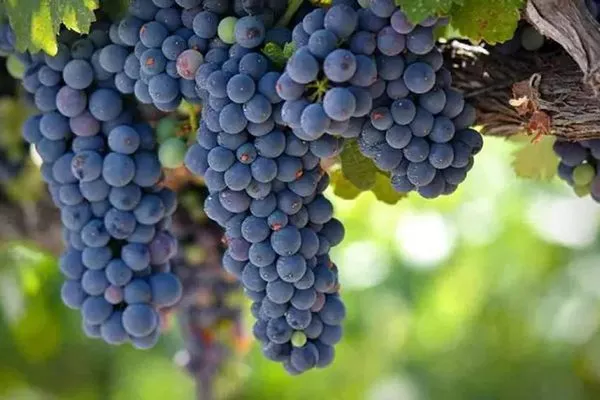
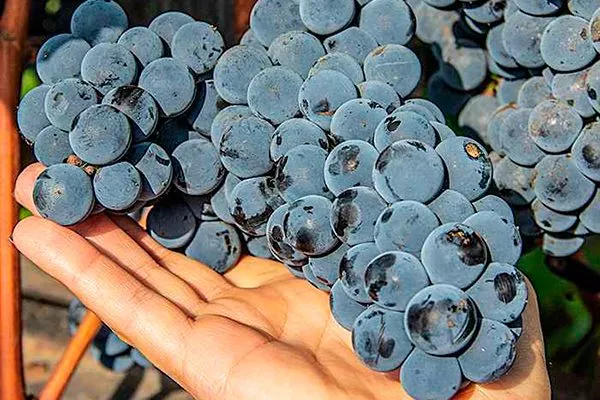
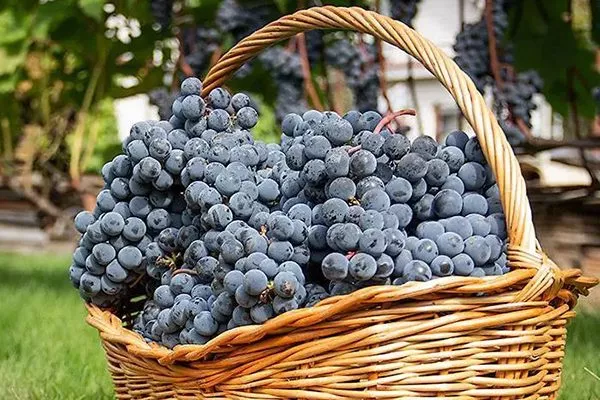
The clusters are small, averaging 90-110 g, cylindrical or conical in shape, sometimes with small wings. The fruits are round, dark blue, and each berry weighs approximately 2-3 g. The pulp is slimy and juicy, with a sweet taste, a slight tartness, and a distinct, refined aroma.
Characteristics
It has excellent varietal characteristics, making it widely popular. It can be found in both commercial fields and private gardens. Thanks to its frost resistance and low maintenance, even a novice can grow it.
Drought resistance, frost resistance
This frost-resistant variety requires no additional winter cover. In snowy winters, the vines can withstand temperatures down to -25-32°C without additional insulation.
In different regions, protection methods vary: in the southern regions (+ southern Ukraine and the Baltics), vines are left on trellises, while in colder areas (Leningrad region, Moscow region and other cities in the central zone) spruce branches are used for cover.
In harsher conditions (in Siberia and the Urals), more careful insulation is required. The crop tolerates short periods of drought well. In the early years and during important growing seasons, artificial irrigation is necessary, especially if natural precipitation is insufficient.
Resistance to diseases and pests
It has good resistance to many diseases, but under unfavorable conditions it can be susceptible to various fungal diseases such as mildew, oidium and gray mold.
Regularly treat your bushes with fungicides (to combat fungal diseases) and insecticides (to protect against insects). Monitor the condition of your plants, implement preventative measures, and respond to the first signs of disease.
Pollination, flowering period and ripening time
In spring, the shoots are covered with bisexual flowers, making the hybrid self-pollinating and requiring no other pollinators. To improve pollination, plant several bushes of the same variety close to each other.
- ✓ Self-pollination, which eliminates the need for additional pollinators.
- ✓ Early ripening period (110-120 days from flowering).
Productivity, fruiting
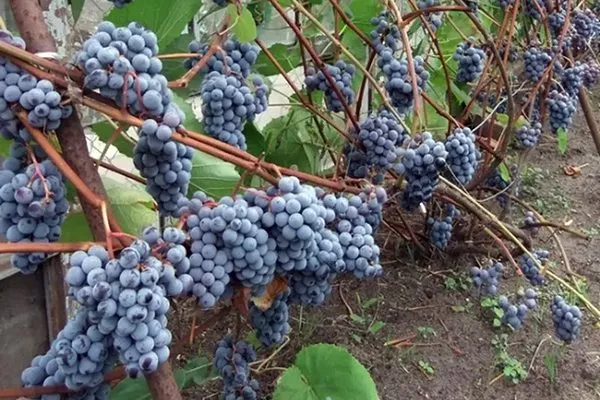
With proper care, a single plant can yield up to 12-14 kg of fruit. To ensure the grapes are sweeter and more flavorful, leave them on the vines for as long as possible. In dry, warm weather, don't delay harvesting, as the grapes may turn into raisins.
Application of fruits
This is a technical grape variety and is widely used in commercial orchards to produce delicious wine. It has a wide range of uses. The berries can be eaten fresh, used for fillings, and used to make juices, jams, preserves, and raisins. Zilga is an ideal raw material for home canning.
Chemical composition of fruits
They have a sweet and sour taste with a light muscat aroma and a hint of strawberry in the aftertaste. Sugar content is 18-22%, and acidity is 4.5-5 g/l.
Pros and cons of the Zilga grape variety
Before purchasing seedlings, it is important to study all the positive and negative aspects of the crop in order to be prepared for possible difficulties and avoid disappointment at the end of the season.
Features of planting seedlings
Zilga has some specific planting and growing considerations. Keep these in mind for maximum productivity:
- Recommended timeframes. Plant seedlings in the fall or spring. Early in the season, begin planting only after frost has passed and return frosts are no longer a threat. Soil temperatures should be at least 10°C.
In the fall, timing is more difficult due to the uncertainty of when frosts will arrive. When purchasing seedlings with a closed root system, timing is less critical, as these plants take root more easily. - Choosing a suitable location. Choose the optimal location and create favorable growing conditions. Grapes prefer warm, well-lit spots. Plant them sheltered from cold north winds. When decorating an arbor, position the vines on the south side.
- Neighborhood with other cultures. Only light-loving, low-growing plants that will not create shade or interfere with the flow of air and light can be placed next to the hybrid.
Grapes thrive alongside certain fruit bushes and berries. They develop a pleasant flavor alongside strawberries. They also thrive alongside certain vegetables, flowers, and green plants.
Unfriendly neighbors include some types of weeds and medicinal herbs, which can negatively affect its growth. - Selection and preparation of planting material. Buy seedlings from trusted suppliers. Container-rooted plants thrive and adapt better to local conditions. Pay attention to the development of the root system, the condition of the shoots, and the overall health of the plants.
- Site preparation. If you have heavy soil, improve it by adding sand. When planting a single bush, dig a hole of a specific size. If you plan to plant several seedlings, maintain a distance between them.
- Features of planting young seedlings. Prepare the nutrient substrate in advance by adding sand, manure, potassium chloride, and superphosphate to the garden soil. Then plant the seedling according to the standard procedure, ensuring good moisture and fertilization.
- ✓ Soil temperature should be at least +10°C for spring planting.
- ✓ Autumn planting requires accurate forecasting of the onset of frost.
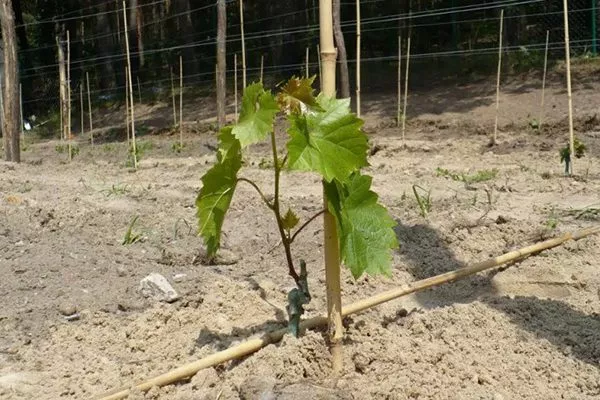
After planting, trim and mulch the soil around the stem to retain moisture.
Rules for caring for a vineyard
To ensure a successful grape harvest, ensure proper care. Follow these agricultural practices:
- Prevention and protection from pests and diseases. Weed, loosen the soil, prune, thin out foliage and side shoots, and treat plants with special preparations: Fundazol, Abiga-Peak, Maxim, Horus, Topaz, or Bordeaux mixture.
- Watering. Provide the plant with regular watering, but do not overwater, as excessive moisture can lead to root rot.
- Feeding schemes. In the first years, the nutrients added at planting are sufficient, but in subsequent years, regular application of nitrogen, phosphorus and potassium-based fertilizers is required.
- Pruning and shaping the bush. Carry out the procedure in the fall. For industrial varieties, including Zilga, use a multi-shoot fan pruning method, removing all immature and diseased shoots and shortening the remaining ones to 6-7 buds.
- Preparing for winter. It depends on the regional climate. In most cases, the plant does not require winter protection, but in colder regions, it is recommended to remove the vines from the trellises and cover them with spruce branches or straw for additional frost protection.
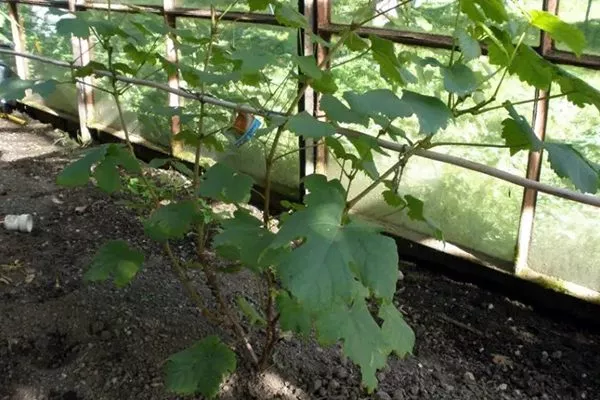
Follow the recommendations to ensure the hybrid develops strong immunity and produces a bountiful harvest.
Harvesting and storage
For fresh consumption or canning, pick the bunches as they ripen. Plan to harvest on a dry day, after the dew has cleared, as damp berries don't store well. Cut each bunch with a knife or pruning shears. This crop tolerates transportation well, even over long distances.
Reviews
Zilga grapes produce round, dark-blue berries, borne in large clusters on sturdy branches. One of the variety's key advantages, in addition to its pleasant flavor, is its ability to bear fruit in temperate climates. Gardeners successfully grow the crop in open ground and greenhouses.