
Valentina, a female grape variety, is a promising choice for gardening. Its large, delicious clusters, easy care, and disease resistance make it a popular choice. It doesn't require complex care, making it easy to plant even for novice winegrowers.
Breeding history and regions of development
The hybrid was created by breeders S. I. Krasokhin, V. A. Ganich, and L. A. Maistrenko. To develop the new variety, the scientists used the Muscat d'Annua and Demetra cultivars. The selection was conducted in Novocherkassk at the Ya. I. Potapenko All-Russian Research Institute of Viticulture and Winemaking.
Description of the variety
Classified as a table grape, it is renowned for its large clusters and delicious berries. The fruits are an excellent source material for making delicious juice and high-quality wine.
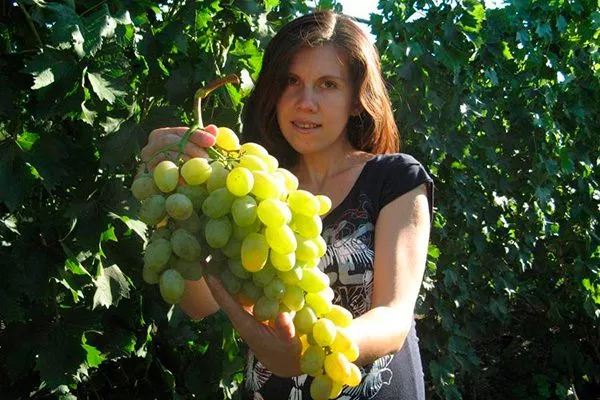
Appearance of grapes
The bushes are vigorous and spreading. They are distinguished by strong shoots and resistance to damage under the weight of the clusters. Other characteristics of the hybrid:
- The clusters can reach impressive sizes: 40 cm in length and 1.5 kg in weight. The shape is slightly loose, cylindrical, with an elongated base.
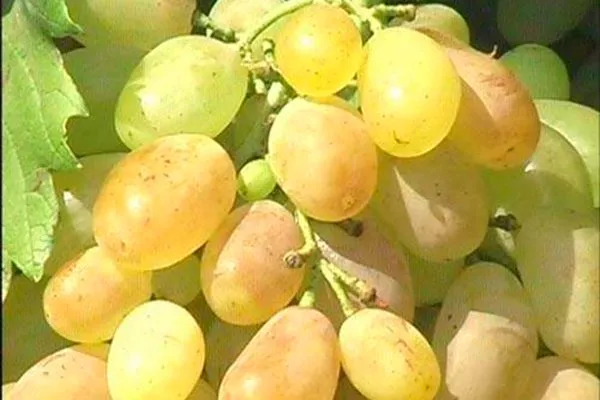
- The fruits are large and attractive, weighing up to 14-16 g. They are up to 24-26 mm wide and up to 42-44 mm long. Their shape is elongated and slightly curved. The color is golden-yellow or amber-yellow when exposed to sunlight.
- The skin may be freckled. Intense sun can cause a slight brown tan on the berries.
- The flesh is tender, juicy, and melting. The sage flavor and subtle nutmeg aroma are the hybrid's main advantages.
- They ripen simultaneously, with virtually no peas. The fruits contain 1 to 2 seeds.
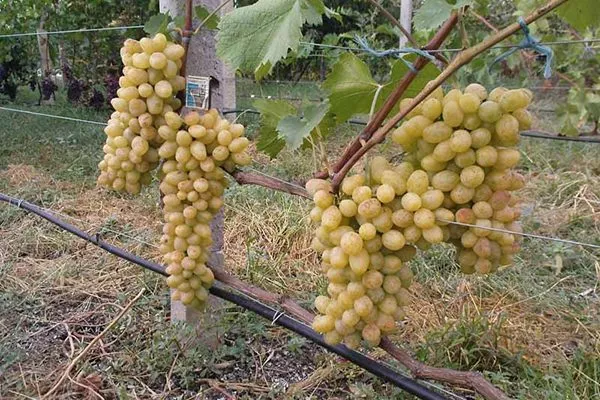
Acidity ranges from 5 to 6 g/l, sugar content from 16 to 19%. The tasting score is 8.6 points out of 10.
Characteristics
The hybrid demonstrates consistent and high yields annually, starting in its second year. Detailed characteristics:
- Ripening periods. The process takes approximately 140 days from bud break, or even slightly earlier. Although the first harvest may not be as abundant, a 1.5-2-fold increase can be expected the following year.
Fruiting efficiency is estimated at 60% to 75%, with three-quarters of shoots successfully reaching maturity. When pruning, 8 to 12 buds are left on the vine. - Pollination. The flowers are bisexual, which eliminates the need for a pollinator.
- Productivity. It achieves impressive yields: 136 centners per hectare. Despite modest profits in the first year, subsequent seasons will yield bountiful harvests.
- Frost resistance. It easily tolerates temperatures down to -22°C. In severe frosts, some buds may freeze, which can significantly reduce future yields.
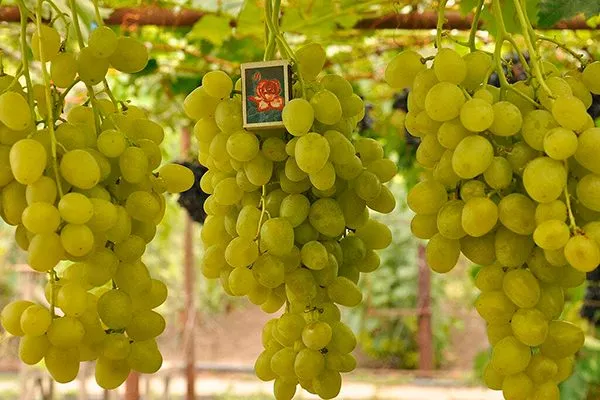
Gardeners value the hybrid for its excellent characteristics and ability to survive in different climatic conditions.
Uses of grapes
Suitable for fresh consumption and for wine and juice production, it boasts a high tasting score, and its delicate flesh is accompanied by a pleasant aroma. Its thin skin is practically imperceptible when eaten, making it an ideal choice for gourmets.
Positive and negative traits
Before planting a new variety in your garden, it's important to consider its pros and cons. Valentina has many advantages:
Planting seedlings: basic rules
Shows a high survival rate for seedlings. Follow these guidelines when planting:
- Spreading and tall bushes require sufficient space, and the most suitable planting pattern is 4x6 m.
- Light, fertile black soil is preferred. Regular organic fertilization is required to ensure the formation of large clusters.
- Planting can be done in spring or fall. Gardeners report better survival rates when planted in October.
- Dig a hole for the planting material to a depth of 75-80 cm with a diameter of 45-60 cm. Place a drainage layer of crushed stone on the bottom, and add a mixture of black soil, humus, and sand on top to ensure looseness.
- Place the plant in the hole, tilt it slightly, and carefully cover it with loose soil. After watering with 30 liters of water and applying a root stimulator, compact the soil around it and, if necessary, add more soil.
- Form a mound of nutritious soil mixture and place the seedling on it. Mulch the area around the hole with sawdust or peat, and install a support stake next to it.
- ✓ The optimal soil acidity for Valentina grapes should be within 6.0-7.0 pH.
- ✓ The depth of groundwater should not exceed 2.5 meters to prevent root rot.
Tie the grape seedling and leave it in this state until it is fully rooted.
Reproduction
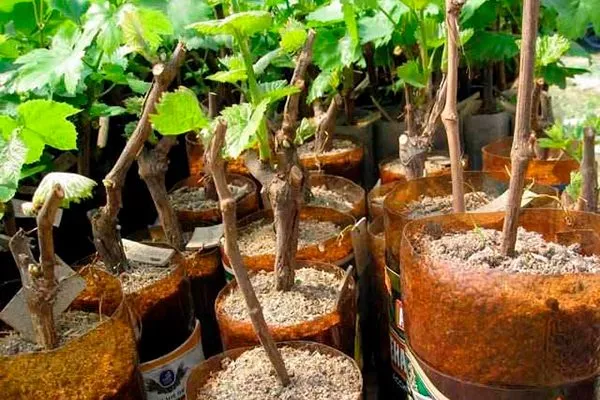
Propagation is primarily accomplished through cuttings, although other methods exist. Most gardeners and summer residents prefer this method. The procedure consists of several steps:
- The autumn period, when the crop is preparing for winter, is considered the best time for cuttings.
- Choose mature, strong vines that haven't yet begun to woody. Each vine should have 2-3 healthy, strong buds.
- Wrap the prepared cuttings in a damp cloth and place them in a cool place, such as a basement or a refrigerator vegetable drawer.
- Check the planting element regularly and moisten the fabric to prevent it from drying out.
- At the end of December or the beginning of January, remove the cuttings from storage, inspect them and dry them.
- Treat each specimen in a manganese solution for disinfection, then rinse and soak in clean room water for 24-48 hours.
- After checking for suitability, cut the cuttings ready for rooting at an angle from the bottom to the lowest bud. Carefully remove the upper part of the bud.
- Make shallow scratches at the bottom to stimulate root growth.
- Leave the cuttings in the stimulating solution for 15-20 hours.
- Wrap the bottom in a damp cloth and plastic to retain moisture.
- Place the cuttings on the windowsill with the roots facing the radiator and the tops facing the window.
- Check the fabric's moisture content regularly. Treat the top edge with paraffin to reduce moisture evaporation.
Caring for plantings
It doesn't require complex measures, but includes standard procedures. Provide the crop with comprehensive care:
- Apply organic and mineral fertilizers throughout the growing season. Regular watering is essential, but avoid overwatering during fruit ripening to prevent cracking.
- After each watering, loosen the soil around the bush and cover it with sawdust or peat mulch. Additional weeding is necessary if weeds grow intensively.
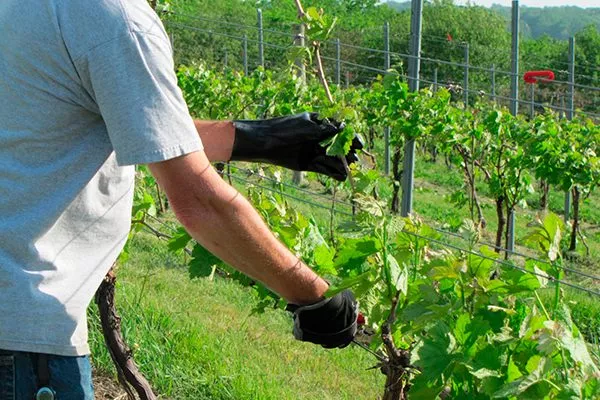
- Perform medium and short pruning of vines.
- In the fall, after pruning, cover the bushes. In warmer climates where temperatures don't drop below the critical minimum, this step can be skipped.
Features of watering
Moisture is essential for a good harvest. After planting young seedlings in the soil, water them with warm water. It's a good idea to use a fertilizer containing organic and mineral fertilizers during this process.
Frequent watering
Water once every two weeks. To optimize water use and reduce the need for watering, extend the intervals between waterings by mulching the soil with straw.
Rare watering
Infrequent watering involves thoroughly moistening the soil three times during the season: before flowering, immediately after, and at the beginning of berry growth. Excessive moisture can cause flower loss and cracking, so maintain a balance and prevent overwatering.
Protection from cold
The hybrid can withstand frost, but its buds are less resilient to low temperatures. Before winter sets in, take the following steps:
- Treat the vines.
- Apply water to the roots.
- Mulch the soil.
- Bend the shoots to the ground.
- Cover with agrofibre or spruce branches.
- Cover with soil.
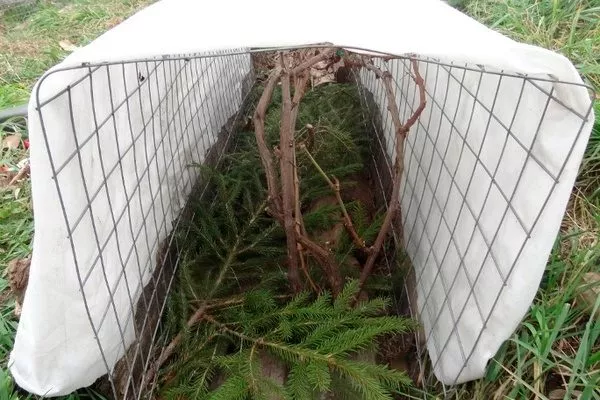
These actions will help provide additional protection from adverse winter conditions and maintain its health.
Pest and disease control
When caring for grapes, it's crucial to be aware of potential diseases and pests that may affect the crop. If it's attacked by insects or infected by diseases, it immediately affects its appearance.
- In early spring, before the buds open, treat the vines with a 3% solution of Bordeaux mixture.
- Before flowering, apply broad-spectrum fungicides such as Topaz or Strobi.
- After harvesting, carry out a final treatment with a 1% solution of Bordeaux mixture.
Mildew
This fungal disease affects all parts of the plant. High humidity and warm temperatures facilitate its spread. The disease manifests itself as yellow or rusty spots on the leaves, wilting of the inflorescences, and curling of the grapes. Remove and destroy all infected parts. Use Acrobat or Ridomil Gold before flowering, and Topaz or Vectra after flowering.
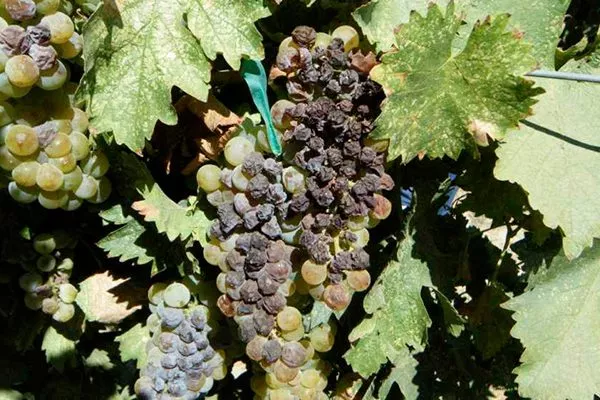
During the final stage in August, apply Quadris. One effective treatment for this disease is Ditan Neotec. In the fall, after the leaves have fallen, treat the plantings with a 1% Bordeaux mixture.
Oidium
It poses the greatest threat to the variety, affecting all parts of the plant. The appearance of gray-green spots with a matte surface, a powdery coating, and cracking of the berries indicate infection.
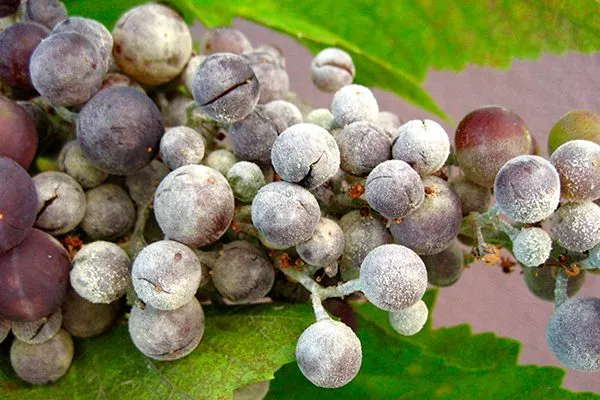
For treatment, use fungicides such as Strobi and Topaz. For preventative measures, apply a fertilizer containing phosphorus, potassium, and colloidal sulfur. DNOC is used every three years (100 g per 10 liters of water).
Anthracnose
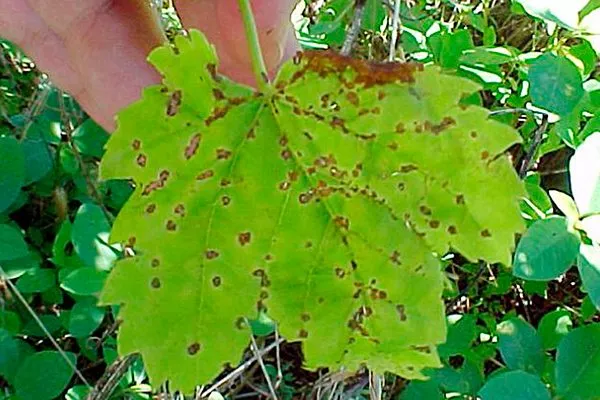
Gray spots with a brown border and the formation of holes at the site of the infection indicate a fungal disease. Berries and green parts of the plant are most affected. For treatment, use strong fungicides. Remove and destroy affected parts to prevent spread. These measures will help maintain the health of the plant and prevent further development of the disease.
Storage
It's easy to store in a cellar or refrigerator. Under the right conditions, it can stay fresh for up to three months.
Reviews
Valentina grapes are very popular among most gardeners, which is understandable given their numerous advantages. The variety is renowned for its resistance to frost and drought, producing consistent and abundant harvests. This requires thorough and timely care.