
In the world of gardening and winemaking, each grape variety has unique characteristics that influence flavor and yield. One of the most successful varieties is Magarach Citron. It stands out for its unpretentiousness and excellent taste.
Authors and history of appearance
Development was carried out at the Crimean National Institute of Viticulture and Winemaking "Magarach" in the 1970s. Generative hybridization was used to create the variety, including Madeleine Angevin, Magarach (No. 124-66-26), and Novoukrainsky Ranniy. P. Ya. Golodriga was responsible for the selection.
Description and characteristics of the variety
It attracts attention with its flavor and large clusters. It has many distinctive features. This is a complex hybrid subspecies of white grape with a mid-early ripening period.
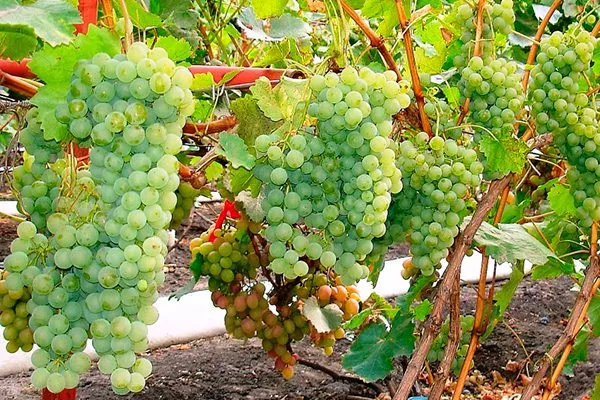
Bushes
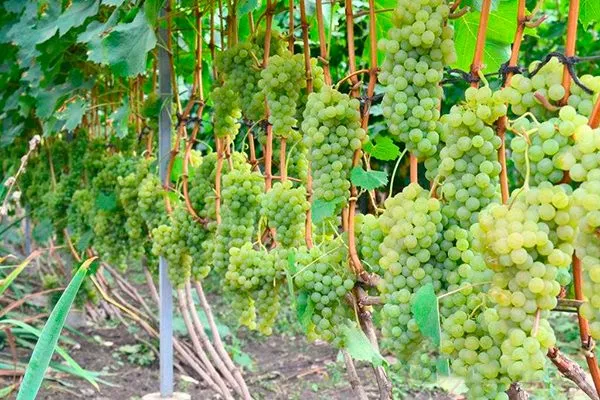
Characterized by vigorous growth and robust vines exceeding 4 meters in length, this grape variety boasts rapid shoot growth in the spring, with vigorous annual growth. The leaves are large and light green, noticeably lighter than those of other grape varieties.
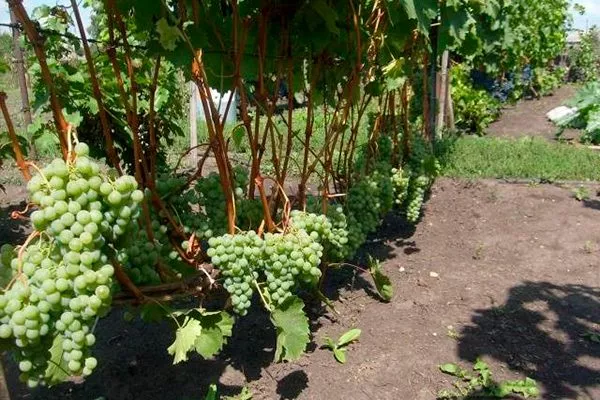
Berries
They are spherical in shape and weigh between 3 and 3.5 grams. The skin is firm but finely textured, greenish-yellow in color, and covered with a delicate waxy coating. The pulp contains 3-4 small seeds.
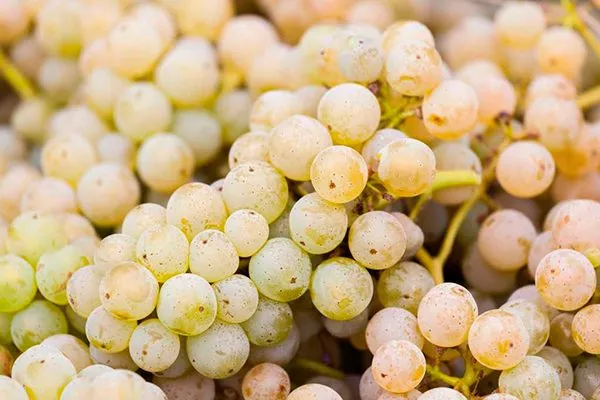
Clusters
The cluster shape is cylindrical-conical, with a winged structure. The density is medium. The weight of a fully ripened cluster ranges from 350 to 400 g. In favorable years, individual clusters can reach a weight of up to 900 g.
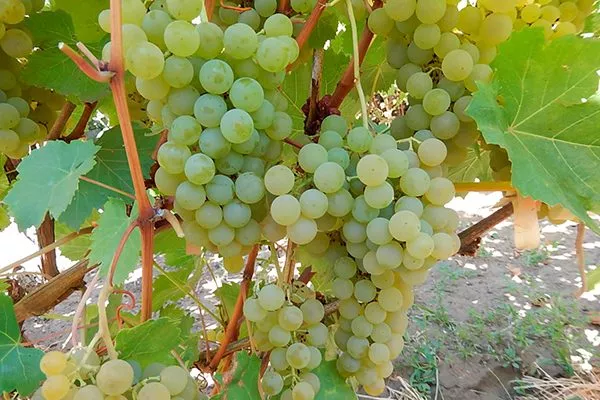
Taste
The ripe berries have a pleasant, sweet, and refreshing flavor, with delicate muscat notes and citrus aromas. The aftertaste is slightly bitter. It is widely used to make juice and various white wines, including liqueurs, table wines, and dessert wines.
Chemical composition of Citron fruits
The dense pulp contains up to 27% sugar, and its acidity is 5-7 g/l. These values are approximate and may vary depending on weather conditions, soil characteristics, and other factors affecting growing conditions.
Characteristics
Magarach's citron variety is characterized by high resistance to various weather conditions and temperature fluctuations. Winegrowers value it for its many qualities.
Drought resistance, frost resistance
The plant has a high degree of frost resistance, withstanding temperatures down to -25°C. It is successfully grown commercially throughout Ukraine and in various regions of Russia, including Crimea, the Rostov and Astrakhan regions, and the North Caucasus.
It adapts well to home gardens and can thrive even in the Central Russian region, provided it is properly insulated during the winter. It doesn't require much watering and tolerates short periods of drought.
Resistance to diseases and pests
Many are attracted by the variety's low maintenance and robust immunity. It exhibits excellent resistance to powdery mildew, gray mold, and mildew. It has average resistance to phylloxera, rarely exposing the vines to wasp attacks.
Pollination, flowering period and ripening time
It is characterized by a medium ripening period (125-135 days from awakening to harvest). In the southern regions, harvesting takes place in August, in the central zone – in mid- to late September, and in warm autumns, the bunches are left on the vine until October.
Productivity, fruiting
It is distinguished by its high yield. In industrial conditions, a mature plant can produce up to 200 centners of fruit per hectare. In home cultivation, a single bush yields over 15-20 kg of ripe bunches.
Application of fruits
The flavor profile is excellent. When ripe, the berries have a sweet, distinctive flavor with a refreshing undertone. Light citrus and refreshing notes are noticeable, giving the taste a rich, full-bodied character.
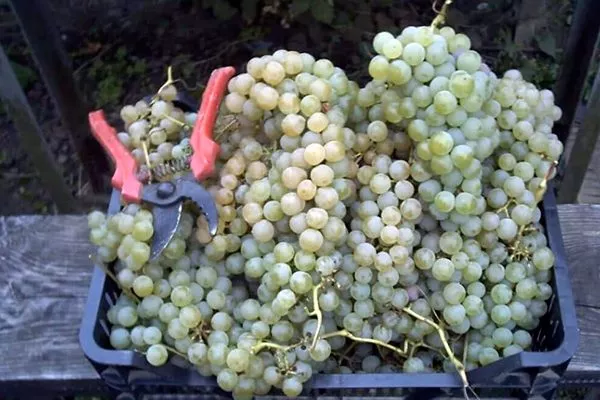
The berries are used in the production of juices and white wines. The result is a tart and aromatic product with distinct Muscat notes. Magarach is popularly blended with other white grape varieties to create unique blends.
Advantages and disadvantages
This variety successfully embodies the best characteristics of its parents. It has numerous advantages:
Features of planting seedlings
Success in subsequent cultivation directly depends on proper planting procedures. Follow these guidelines:
- Recommended timeframes. Plant in the spring. Continue planting in the fall, 3-4 weeks before the expected frost. This time interval is necessary to allow the root system time to establish and adapt.
- Selecting a suitable location and proximity to other cultures. Areas with good ventilation and access to sunlight throughout the day are preferred. Choose loose, well-drained soil for planting. The soil should be nutritious.
Suitable neighbors include any plants that don't create shade or interfere with normal fruiting. Create flowerbeds between or alongside bushes, planting fragrant flowers and pest-repellent crops. Maintain a minimum distance of 1.5 meters from other plants. - Preparation of planting material and site. Before purchasing, carefully inspect the seedling from all sides, checking for damage, signs of disease, and pests. A bush approximately 40 cm long should have at least one woody branch with live fruiting buds.
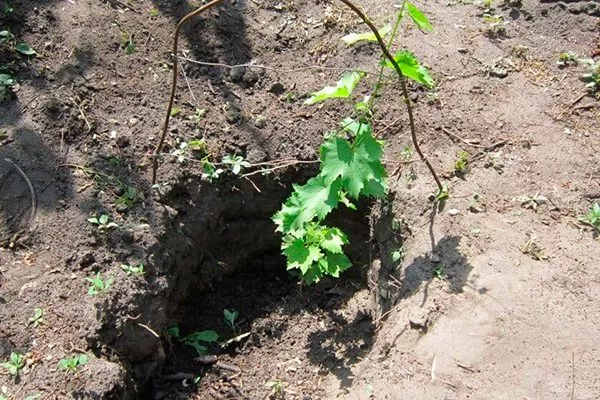
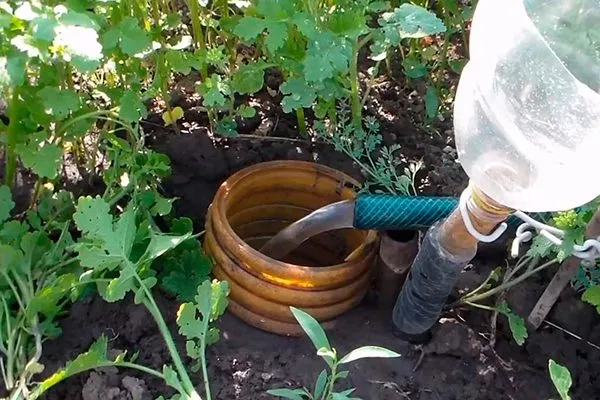
Before planting, dig a hole at least 50 x 50 cm in size. Place a drainage layer at the bottom of the hole, fill it with nutritious soil, and leave it for a while to allow beneficial microflora to develop. Install a perforated metal tube in the center of the hole to facilitate watering. - The process of planting young seedlings. Fill the hole with half a mixture of humus, sand, and turf soil, adding 200 g of superphosphate and 2 cups of ash. You can also use a granular mineral complex fertilizer. Place the seedling in the hole and bury it.
- ✓ The seedling planting depth should be at least 50 cm to ensure stability and proper development of the root system.
- ✓ The distance between seedlings should be at least 2 m to ensure sufficient space for the growth and development of the bushes.
Rules for caring for grapes
Normal growth and fruiting are only possible with proper care. This involves following minimal agricultural procedures:
- Watering. There are no significant watering requirements, and in the Central Russian region, natural rainfall is sufficient for growing. In hot climates, if there is prolonged drought, provide additional moisture.
- Loosening, weed control. Regularly loosen the soil around the plants, preferably after rainfall or watering, to prevent a crust from forming on the surface.
Mulching is an effective method for weed control. Covering the tree trunk with a layer of hay, grass, or leaves during the summer helps retain soil moisture and prevent weed growth. - Top dressing. Apply fertilizers throughout the season: in May – nitrogen substances (slurry, urea and vermicompost extract), during the flowering period – a complex of nutrients (Plantafol, Bona Forte, Izyuminka and Humate 7+), in September – potassium-phosphorus fertilizers (Superphosphate, potassium sulfate and wood ash).
Before flowering, treat the plants with a solution of boric acid (10 g) and zinc chelate (5 g) per 10 liters of water. This fertilizer has a positive effect on the number of flowers and the size of future clusters. - Pest and disease control. To control scale insects, spider mites, leaf rollers, and May beetles, use insecticides such as Actellic, BI-58, Aktara, and Fufanon. Apply before flowering and after harvest. Bitoxibacillin can be used at any stage of plant development.
- Green operations. To allow the plant to prepare for its productive period, leave the first fruit clusters on the shoot only in its 3rd or 4th year. A single cluster is sufficient on a strong shoot; in subsequent years, increase the number of clusters to 2-3.
- Trimming. This process is carried out annually during the dormant period, usually in the fall or winter, before the growing season begins. Old and diseased branches are removed to prevent the spread of disease and to provide space for the development of new, healthier branches.
- Preparing for winter. In areas where winter temperatures can be extremely low, cover is required, especially in regions outside the southern regions. Remove the vines from the trellises and cover them with available materials.
Follow the care recommendations to grow a plant with strong immunity.
Reproduction
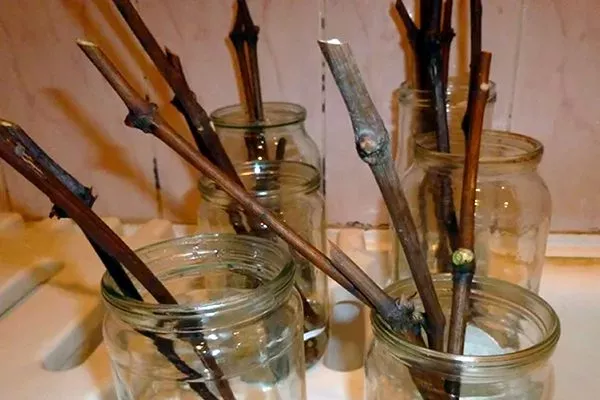
For propagation at home, use cuttings. Prepare the planting material in the fall when pruning the grape vines. Select healthy, one-year-old shoots at least 6 mm thick and cut them into 25-30 cm long pieces.
- ✓ Cuttings must have at least 3 living buds for successful rooting and growth.
- ✓ The cutting diameter should be at least 6 mm to ensure sufficient supply of nutrients.
Helpful tips:
- Store cuttings in the refrigerator or cellar, wrapping them in a damp cloth or immersing them in sawdust (sand).
- Start the rooting process of cuttings in February or March (in the middle zone) and in April (in the south).
- Dip the cuttings in a solution of Fitosporin or potassium permanganate, then immerse them in jars of water to a depth of 1-1.5 cm.
Storage
Harvest in stages, depending on the ripeness of the crop. Pick the berries in the warm autumn, as they are less prone to falling and cracking. Grapes don't have a very long shelf life, but they can last longer in cool, well-ventilated areas. Refrigeration is also acceptable.
Reviews
The Magaracha Citron grape is a popular variety suitable for both commercial and home growing. Its low maintenance requirements make it an excellent choice even for novice gardeners who are capable of managing the necessary care. The vines quickly expand and begin to bear fruit.