
The Tsimus grape is a new hybrid variety that combines all the best characteristics of its parent varieties. It is considered a sultana variety, but in reality, this is not entirely true. In terms of seedlessness, the hybrid is classified as class III-IV, as it contains no seeds.
Botanical description of the grape variety Tsimus
Cimus has a versatile use—the berries are used not only for fresh consumption but also for making juices, compotes, jams, candied fruits, raisins, and dessert wine. Because the pulp is rich in pectin, the berries make excellent jelly.
- ✓ The optimal soil acidity for Tsimus grapes should be within 6.0-7.0 pH.
- ✓ To prevent fungal diseases, it is necessary to ensure good air circulation around the bushes.
Characteristics of bushes
Characterized by early ripening, good yields, and a unique flavor, the bush is quite robust, with a robust root system that extends deep and wide. The brown shoots are distinguished by very rapid growth.
Characteristics of fruits
Berries are what grapes are grown for, so their characteristics deserve special attention:
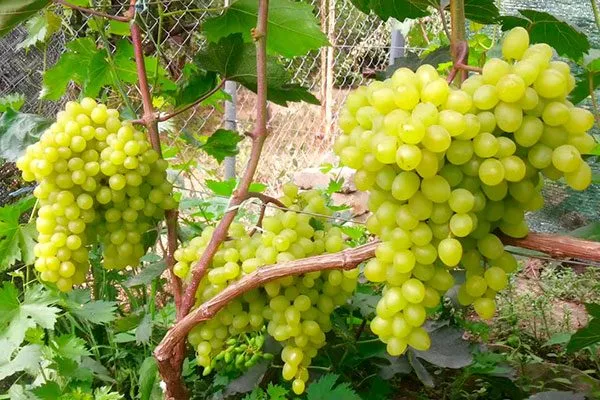
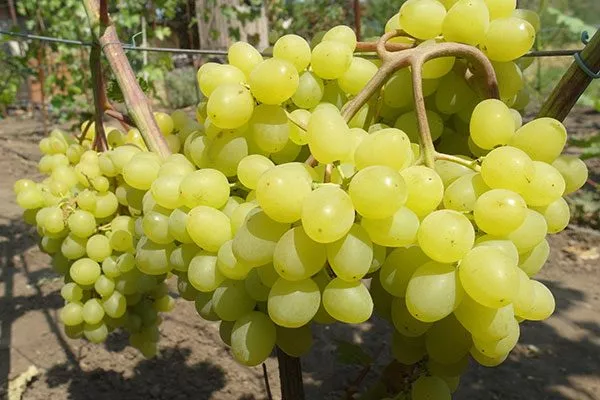
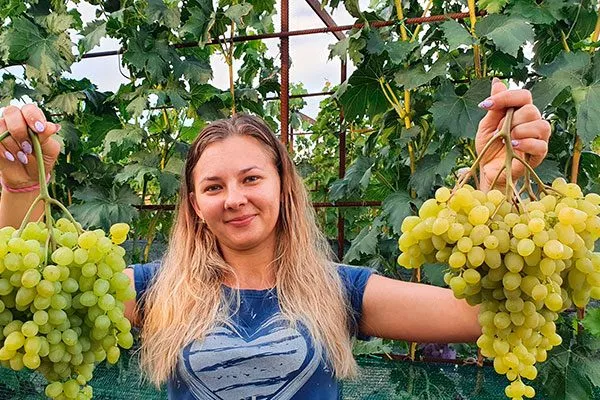
- Clusters. They are quite large, weighing between 600 and 1,500 grams, but some weighing up to 2 kg. They are broadly conical in shape, and the berries are medium-dense.
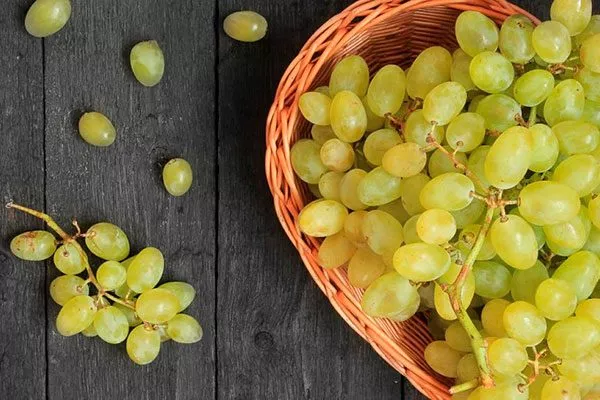
- Berries. Medium-sized fruits weigh between 4 and 8 grams and are approximately 2-2.5 cm long. The flesh is particularly juicy. The skin is thin and easy to chew. The fruit is oval in shape.
- Color. The berries are initially green, but as they ripen, they acquire a lighter hue and a certain transparency. Exposure to sunlight results in a golden tan.
- Bones. The variety is considered seedless, but the largest berries contain 1-2 seeds. The seeds are soft and completely flavorless.
- Taste and aroma. The fruit not only has a grape flavor, but also hints of citrus, nutmeg, and other fruits. The acidity is moderate, and the sugar content is high.
- ✓ Berries may contain 1-2 soft seeds, despite being classified as a seedless variety.
- ✓ The taste of the berries combines notes of citrus, muscat and honey, which is rare among other grape varieties.
Advantages and disadvantages of the variety
This is one of the few hybrids that is characterized by a large range of positive qualities, but it also has its drawbacks.
History of selection and authors
The hybrid was developed in Ukraine and was introduced to the world only in 2015. Oleg Mikhailovich Pysanka worked on the selection process, using the raisin genotype as the paternal line for the cross, and the raisin genotype as the maternal line. These are the Veles and Podarok Zaporizhzhya varieties.
Characteristics
The plant's characteristic properties can help you understand in advance how difficult or easy it will be to grow grapes, as well as what challenges you might encounter. Pay special attention to these.
Drought and frost resistance
Cymus is a heat-loving plant, but it doesn't tolerate extreme heat or drought well. It should be planted in areas with at least partial shade in the afternoon. Timely watering is also important.
Its frost resistance is quite good, making it suitable for planting in central Russia. The maximum temperature at which shoots and roots will not freeze is -23°C.
Resistance to diseases and pests
The hybrid has good resistance to most diseases and pests, but the plant is susceptible to fungal infections. This is due to high soil and air humidity.
Pests that pose a threat include leaf rollers, spider mites, and cockchafers. The berries' high sugar content attracts wasps and birds.
Pollination and ripening time
The ripening period for the fruit depends directly on the growing region and current weather conditions. In the south, grapes ripen in 90 days, in the central part of the country 95 days are sufficient, and in the central part of the country 100 days are required. The hybrid is self-fertile and does not require additional pollinators.
Productivity and fruiting
Each shoot produces 2 to 3 or more clusters. The number of shoots is determined solely by the winegrower during shaping and pruning. Exact yield figures vary from person to person, especially considering that a bunch can weigh anywhere from 700 g to 2 kg.
Chemical composition of berries
Kishmish Tsemus is rich in vitamins, minerals, and other microelements. Doctors recommend it for overall health. Its average sugar content is 18 g/dm3, and its acidity is only 7 g/dm3.
Features of planting seedlings
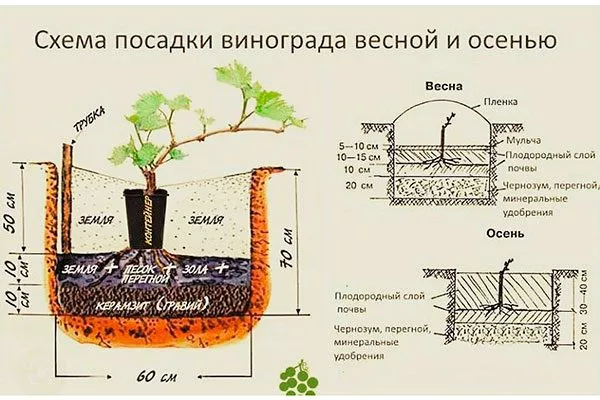
Cymus seedlings are planted according to the standard algorithm, but some nuances must be taken into account:
- Place. There should be maximum sun before lunch, otherwise the fruits will not have time to reach biological maturity. The groundwater table should be at least 4-5 meters below the soil surface, otherwise the root system will be constantly very wet. Prefer elevated locations.
- Period. This could be either fall or spring. In the former case, planting should be done 1.5-2 months before the first frost. In the latter case, the weather should reach 13-15 degrees Celsius. The exact month depends on the region, but keep in mind that there should be no recurrent frosts – young shoots and roots are very sensitive to cold.
- Features of autumn planting. Immediately after planting, be sure to cover the seedlings with cut-off plastic bottles with holes for ventilation. Be sure to insulate them well for the winter.
- Soil. The best options are fertile black soil, loam, and sandy loam. A month before planting, dig the soil and add organic matter—at least 10 kg per square meter.
- Planting diagram. The distance from the fence or building is at least 85-100 cm, the size of the hole is 60x60x60 cm.
- Good and bad neighbors. Cereals and legumes are best suited for the Cimus grape. Onions and garlic, cabbage, strawberries, and various greens can be planted nearby.
Care instructions
The hybrid has special characteristics that are important to consider when growing:
- Watering rules. The frequency and rate of watering depend on the soil type. If the soil is sandier than clayey, almost twice as much water will be needed. With normal soil structure, mature bushes are watered once every 7-9 days with approximately 30 liters of warm water.
Water the roots. Stop watering completely 15-20 days before harvest. - How to feed correctly. Early spring is considered the ideal time to begin fertilizing. Nitrogen fertilizers (urea, ammonium nitrate) are used to promote growth above ground. Plantafol, as directed, is also helpful.
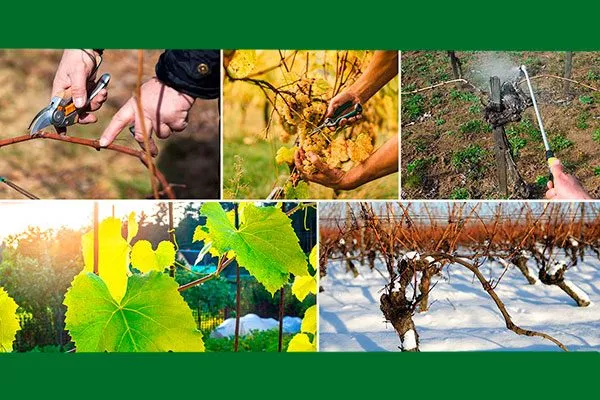
During the rest of the season, apply magnesium sulfate, potassium sulfate, and potassium monophosphate. Fertilize twice in the summer and once in the fall. - How to trim and shape bushes. Ideally, leave 10 to 12 strong shoots up to 100 cm tall on the bushes. This will allow each vine to form 1 or 2 clusters, which is enough for a good harvest. If there are more clusters, they will become smaller, as will the berries.
There are other reasons why over-exerting a plant is undesirable, including potassium deficiency, slow berry ripening, and reduced flavor. Regular sanitary pruning is also essential. - Pre-winter preparation. To do this, water the plants a month before covering them with approximately 60-70 liters of water. Afterward, fertilize the plants, trim the stems, and mound the root zone with soil. Apply peat mulch on top.
In the middle zone, tie the vines with non-woven material or build a covering structure over the bush.
Prevention and protection from pests and diseases
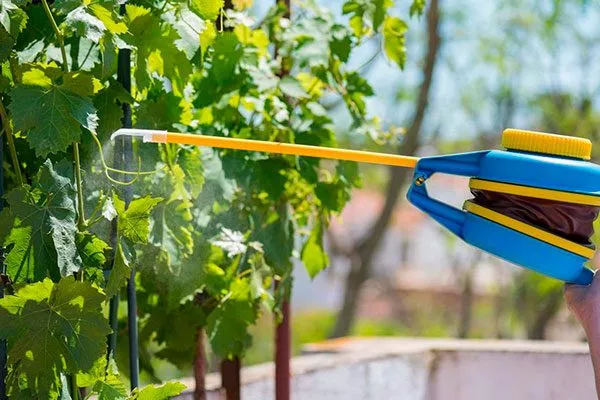
To prevent fungal diseases, it's crucial to regulate air humidity. In early spring, you can spray with fungicides or Bordeaux mixture three times, every 15 days. However, other pests pose the greatest threat:
- Spider mite. It can be recognized by the formation of dark spots on the leaves and a web-like trail. Specialized insecticides are used for prevention.
- May beetle. The most dangerous are its larvae, which live in the root system and feed on it. To prevent this problem, loosen the soil in the spring and remove the future beetles by hand.
- Leaf roller. It damages both fruits and leaves, which then curl. Only complex insecticides are used for protection.
- Wasps and birds. To protect sweet berries from them, gardeners place mesh bags over the bunches. Portable repellents or bait traps can be installed nearby. To quickly kill wasps, fumigation of the bush with hot smoke is used.
Harvesting and storage
Cimus has excellent shelf life, but to ensure long-term preservation, the bunches are harvested from the bushes at technical, rather than biological, maturity. Here's how to and should store the berries:
- in a refrigerator or cellar in a wooden container at a temperature of 0 to +2 degrees;
- freezing in the freezer;
- in dry form (afterwards you can cook compotes);
- in the form of jam, juice, etc.
Reviews
The Tsimus grape is a young hybrid with excellent characteristics and a unique citron-muscat flavor. Some consumers also note hints of honey. Caring for the bushes is easy; the main thing is to water them regularly and avoid overwatering the soil.