
Tempranillo is a popular grape variety worldwide. Although its berries have long been used to produce high-quality wines with rich flavor and aroma, winemakers from Spain and Portugal continue to work tirelessly. They continually refine their wines, making them even more refined, especially after aging in wooden barrels.
History of origin
There are various opinions regarding the origin of this grape. One hypothesis holds that this variety is a descendant of Pinot Noir.
Other sources claim that the cuttings were brought by pilgrims from Burgundy to the province of Rioja in northern Spain, which is considered the birthplace of this variety.
Description of the Tempranillo grape
Its main advantages are its excellent environmental adaptability and rapid ripening. Gardeners appreciate its large clusters and juicy berries.
Bush
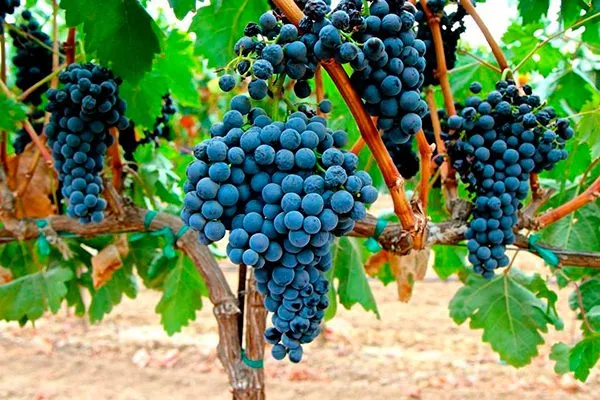
The bushes are characterized by rapid and vigorous growth, capable of supporting up to 20 fruiting shoots. The vine branches reach lengths of up to 7 m. The foliage is small, slightly wrinkled, and moderately fluffier. The flowers, which are bisexual, do not fall off.
Clusters
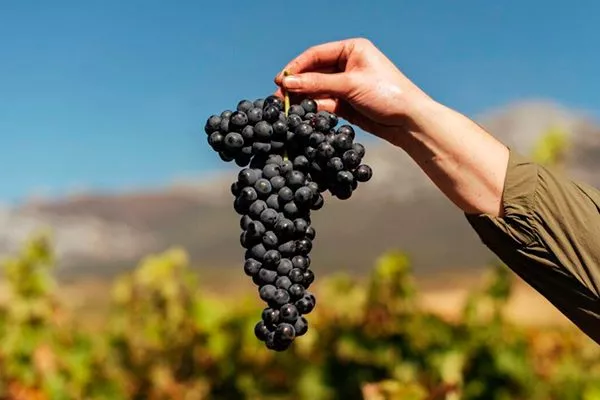
The clusters are compact structures of a conical or cylindrical-conical shape, weighing around 600 g. The fullness of the clusters is average and may vary depending on the growing conditions and climatic features of the region.
Fruit characteristics
Due to their unique characteristics, winemakers in various wine-producing countries enjoy incorporating the berries into their drinks, imparting a deep, rich hue to the liquid's color.
Characteristic features of fruits:
- Caloric content. Contains 64 kcal per 100 g.
- Taste characteristics. Rarely used for fresh consumption due to its high acidity. For this purpose, the largest and ripest bunches are typically selected, leaving them on the vine longer to accumulate sugar. The average sugar content is approximately 16%.
- Useful properties and not so useful ones. It contains a wide range of beneficial micro- and macronutrients, as well as vitamins, essential for maintaining health. Eating the fruit helps strengthen the immune system, improve the condition of hair and skin, and normalize psycho-emotional states.
Due to their high acidity, they are not recommended for those with stomach conditions or gastritis with high acidity. People with diabetes and food allergies should exercise caution when consuming these berries. - Application. In Spain, Tempranillo produces high-quality wine, characterized by high tannin content, rich color, and suitability for long aging.
Characteristics of the Tempranillo grape variety
The most favorable ripening conditions are found in high mountain areas. A record berry harvest was recorded on a plantation located at an altitude of 700 meters above sea level.
Frost resistance
Fruit crops do not tolerate severe frosts or prolonged dry periods. Plants can tolerate temperatures as low as -18°C, and are at risk of freezing at further temperature drops.
When growing in moderate climates, it is necessary to take additional measures to insulate the bushes before the onset of winter.
Drought resistance
This berry crop has low drought tolerance. To ensure high quality and a bountiful harvest, a strict irrigation schedule is essential.
Productivity and fruiting
Fruiting begins after 3-4 years of outdoor cultivation. Fruit ripening is influenced by the climate and weather conditions of the growing region. In Spain, this variety is considered early ripening, while in the temperate climate, ripening occurs later.
With proper and timely care, you can get up to 5 kg of fruit per bush. On an industrial scale, the maximum yield is 10 tons per hectare.
| Method | Efficiency | Period of application |
|---|---|---|
| Contact fungicides | High | Before flowering |
| Systemic fungicides | Very high | After flowering |
| Biological drugs | Average | During the growing season |
Resistance to diseases and pests
The crop requires additional protection from fungal diseases and pests. Bushes are treated with chemical and biological preparations both in early spring and before the onset of winter dormancy.
Pollination, flowering period and ripening time
Grape flowers are bisexual, so spontaneous pollination occurs independently of insects and wind. Flowering occurs in late May or early June and lasts from 8 to 15 days.
Budding begins at the base and gradually spreads throughout the inflorescence. If flowering is weak, gardeners use Bud or Ovary to support the process.
Advantages and disadvantages
Modern consumers highly value wines made from this variety, and this is its main advantage. Other notable features include:
Similar varieties
| Name | Ripening period | Disease resistance | Adaptability to climate |
|---|---|---|---|
| Tempranillo | Early | Average | High |
| Grenache | Average | High | Average |
| Pinot Noir | Late | Low | Low |
| Cabernet Franc | Average | High | High |
| Malbec | Late | Average | Average |
| Krasnostop | Early | High | High |
| Codryanka | Average | Low | Average |
Tempranillo is an indigenous (local) grape variety. It shares characteristics with other red wine grape varieties: Grenache (Garnacha), Pinot Noir, Cabernet Franc, Malbec, Krasnostop, and Codryanka.
Tempranillo wine
| Name | Type of wine | Exposure period | Features of taste |
|---|---|---|---|
| Vin Joven | Without endurance | Short | Simple, fruity |
| Crianza | With endurance | 2 years | Complex, with oaky notes |
| Reserva | With endurance | 3 years | Exquisite, full |
| Gran Reserva | With endurance | 5 years | Rich, tannic |
Below are popular wine categories offering a variety of choices. A brief description of popular drinks:
- Vin Joven. Without barrel aging and with a short shelf life. Common, primarily in Spain.
- Crianza. Aged for two years, including six months in American oak barrels, it has a more complex flavor and aroma.
- Reserva. Aged for three years, including one year in oak barrels, it boasts a refined, full-bodied flavor and is more mature than Crianza.
- Gran Reserva: Aged for five years, including 1.5 years in oak barrels, it boasts rich tannins and a deeper, more complex character.
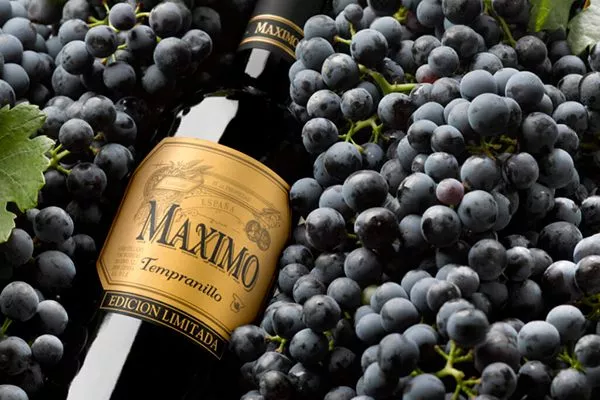
Major producers of Tempranillo wine include Portugal, Spain, Argentina, the United States and Australia.
Planting seedlings
High-quality growth and development depend on proper preparation, planting, and subsequent care of seedlings. Important stages of cultivation include:
- Recommendations for planting seedlings. Plant 1.5-2 months before the first frost to ensure rooting and enrichment of the plant with nutrients. In temperate climates, plant seedlings in early spring, before the growing season begins.
- Choosing a suitable location. Choose south- or west-facing slopes with good sunlight, avoiding drafts and strong winds. Loose, fertile soil with limestone is preferred for planting.
- Neighborhood with other cultures. Good neighbors include lettuce, spinach, sorrel, beets, peas, onions, and cauliflower. These crops help strengthen the vines, promote growth, and protect against infections. Their proximity also positively affects the flavor of the berries.
- Selection and preparation of planting material. Purchase seedlings from reputable suppliers. When choosing, pay attention to their health, absence of damage, and signs of disease. Suitable seedlings should have a straight trunk, a developed root system, and be two to three years old.
- Site preparation. Before planting, dig up the area, clear away weeds and debris, and add the necessary fertilizers depending on the soil characteristics.
- Landing algorithm. Dig holes, create a drainage layer, add fertile soil, and drive in support stakes. Place the seedlings, cover with soil, and compact them.
- ✓ The optimal planting depth for seedlings should be 40-50 cm to ensure sufficient aeration of the root system.
- ✓ The distance between seedlings should be at least 1.5 m to prevent competition for nutrients.
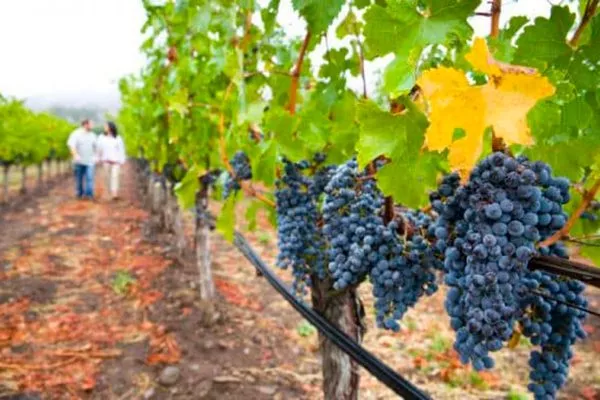
Planting is completed by abundantly watering the young plants.
Subtleties of care
Proper agricultural practices positively influence the fruiting process and determine the grapes' flavor. Take care of your crop:
- Watering. In early spring, immediately after removing the covering, water the plant generously. At the beginning of flowering, add sufficient water. This is necessary to maintain vigorous flowering, which promotes fruit formation. Be sure to water the bushes when fruit buds are forming, and then as needed.
- Feeding scheme. In the fall, use organic fertilizer: dig a trench on one side of the root zone, up to 50 cm deep and 80 cm wide. This should hold 3-4 buckets of compost. The organic fertilizer should be fully rotted.
After placing the fertilizer in the trench, compact it and cover it with soil. This supply of fertilizer is enough for three years. Next time, dig the trench for organic matter on the other side. - Trimming. The bushes require regular medium pruning, shortening them by 6-8 buds, as the variety cannot withstand excessive weight. Leave 20 fruiting shoots or 30 buds to avoid overloading. During the growing season, remove weak, damaged, and fruitless shoots.
- Disease and pest control. Tempranillo is susceptible to fungal diseases (gray mold, mildew, and powdery mildew). Regular preventative treatment helps reduce the risk of infection.
For control, use contact fungicides such as Thanos, Horus, Topaz, Thiovit Jet, Ridomil, Bordeaux mixture, and colloidal sulfur. At low temperatures, use Switch, Strobi, and Kumulus DF.
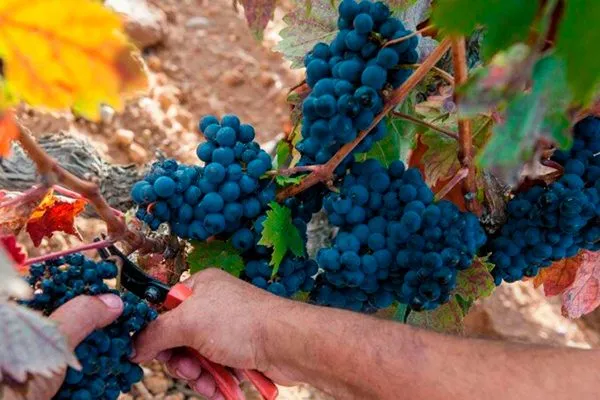
The most dangerous pest for grapevines is phylloxera (grape aphid), which lives on the roots. This pest spreads quickly and can lead to the complete destruction of the bushes. To control it, use pyrethroids: cypermethrin and deltamethrin. - Harvesting and storage of crops. Trim the bunches with a sharp tool in dry weather and send them for processing. Industrial grape varieties have a limited shelf life and are used for wine production.
- Preparing for winter. When grown in continental climates, there is a risk of frost damage to the vines due to low temperatures. Covering the vines for the winter is essential.
One way to provide frost protection is to train the vines using a slanted cardon or multi-arm fan. This allows the vines to be easily removed from their supporting structures for subsequent covering.
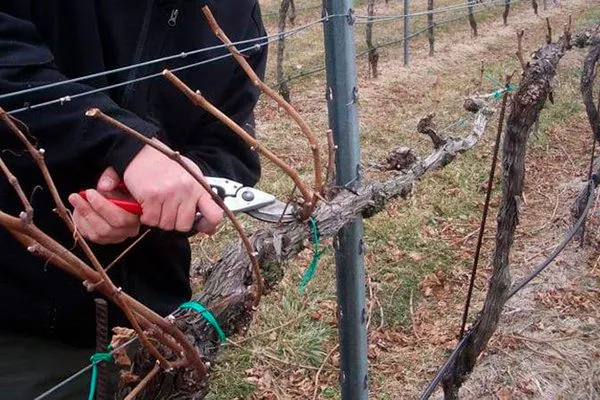
Agrotechnical measures will ensure the crop's resistance to various weather changes and other unfavorable factors.
Interesting facts
Tempranillo deservedly holds fifth place in terms of planted area worldwide. In Spain, the red variety is considered the most sought-after and popular. These are the figures provided by the International Organization of Vine and Wine (OIV) for 2017.
Other interesting facts:
- The name comes from the Spanish word "temprano", which translates as "early", and refers to the early ripening period.
- It is famous for its many synonyms, and its names may vary in different parts of Spain and Portugal. It is often called Tinta Roriz, Aragones, Tinto del Toro, Tinto Fino, Ull de Llebre, and Cencibel.
Reviews
Tempranillo grapes are widely sought after in the wine industry. Their unique characteristics and high quality have made them a preferred choice for cultivation in various regions. Despite their low resistance to frost, drought, disease, and pests, timely and proper care can strengthen their immunity.