
Table grapes are grape varieties that are eaten fresh; their clusters and berries have an attractive appearance and excellent flavor. These qualities are preserved during storage and transportation. The most popular table grape varieties are discussed in this article.
Whites
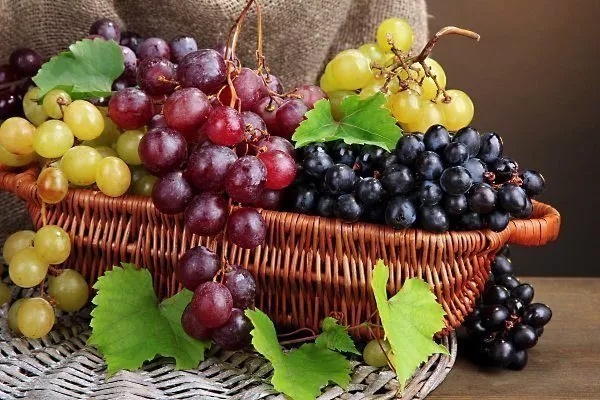
White grapes are very popular among consumers and winegrowers. Their distinctive feature is the white, yellow, or green color of their berries. They also differ from other varieties in their chemical composition – they contain more vitamins (A, B, C, E, K, PP) and minerals (magnesium, phosphorus, iron, selenium).
- ✓ Optimum soil pH for grapes: 6.0-6.5.
- ✓ The distance between bushes should be at least 1.5 m to ensure sufficient aeration.
Table of characteristics of white grape varieties:
| Variety | Growing season, days | Weight of bunch, g | Berry weight, g | Frost resistance | Sugar, % | Acidity, g/l | Transportability |
| Augustine | 117-120 | 400-50 | up to 5 | high | 17-18 | 6-7 | high |
| Alyosha | 110-118 | 400-600 | 4-5 | increased | 18-20 | 3-5 | high |
| Arcadia | 115-125 | 500-700 | 7-15 | high | 15-16 | 4-6 | high |
| Victor | 100-110 | 500-1000 | 12-18 | high | 16-18 | 7-8 | high |
| Delight | 110-120 | 500-600 | 6-7 | high | 19-26 | 5-9 | high |
| Lady fingers | 126-138 | 300-400 | 7-10 | low | 17-18 | 4-5 | high |
| Kesha | 100-130 | 600-900 | 10-12 | high | 18-24 | 5-8 | high |
| White raisins | 160-170 | 180-230 | up to 5 | average | 10:30 PM | 5-6 | average |
| Laura | 110-115 | up to 1000 | 6-9 | high | 18-20 | 5-8 | high |
| Monarch | 120-130 | 500-600 | up to 15 | not studied | 16-18 | 4-5 | high |
| Pink Haze | 115-120 | 600-1500 | 10-12 | high | 16-19 | 5-7 | high |
| Super Extra | 90-100 | 480-800 | 7-8 | high | 16-19 | 5-6 | high |
| Timur | 105-115 | 400-600 | 6-8 | high | 17-22 | 6-9 | high |
Augustine
Developed from the Pleven and Villard Blanc varieties in Bulgaria, this early-ripening grape variety ripens by mid-August.
The bushes are vigorous and used as hedges and awnings. The clusters are conical and medium-dense. The berries are white, translucent in the sun. The flavor is simple yet harmonious.
The following advantages of the variety are highlighted:
- ease of care;
- average or increased frost resistance;
- disease resistance;
- consistently high yields;
- Ripe fruits can be stored on branches for up to 2-3 weeks.
Cons:
- demanding soil composition;
- sensitivity to humidity.
Alyosha
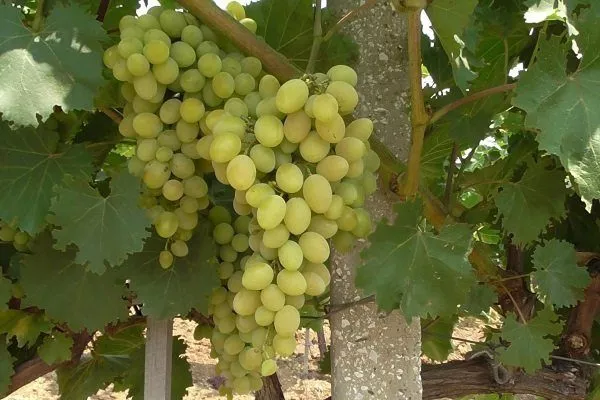
This very early-ripening variety was developed by breeders at the Volgograd Experimental Station from Madeleine Angevine and a pollen mixture of table grapes.
The bushes are vigorous. The leaves are medium-sized and five-lobed. The clusters are large and conical. The berries are medium to large, amber-colored with a white bloom, and round. The flesh is juicy, sweet, and crisp.
Main advantages:
- high taste characteristics;
- frost resistance;
- good ripening even in unfavorable years.
Cons:
- susceptibility to diseases;
- It is necessary to standardize the number of ovaries.
Arcadia
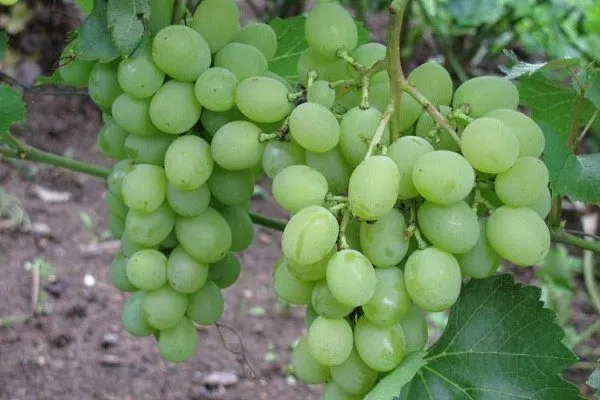
This variety was artificially bred by breeders at the V. E. Tairov Institute. It boasts high yields and is early maturing.
The bushes are vigorous. The clusters are large, cylindrical-conical. The berries are large, round, and dense. They are white and have a muscat aroma.
The advantages of Arcadia include:
- disease resistance;
- undemanding in terms of care.
The disadvantages of the variety include:
- at high humidity the berries crack;
- the need to standardize inflorescences.
Victor
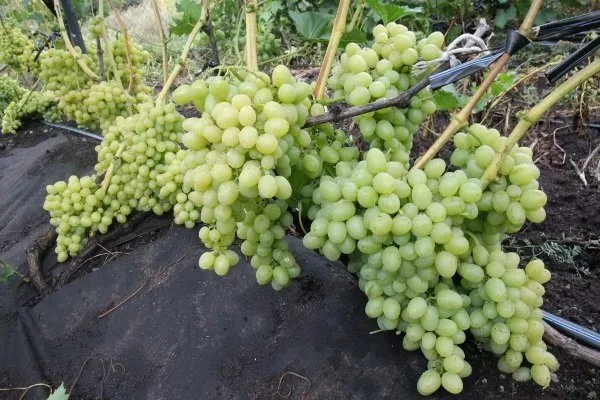
This hybrid was developed by amateur breeders. It ripens early or very early. The harvest can be picked from late August.
The bushes are very vigorous. The clusters are large and medium-dense. The berries are large, elongated, with a pointed tip, and pinkish when ripe. The flesh is juicy.
There is a Hungarian-bred variety called Victor, which is a wine grape variety.
The advantages include good shoot maturation.
The disadvantages include resistance to fungal diseases and frost resistance that have not been studied.
Delight
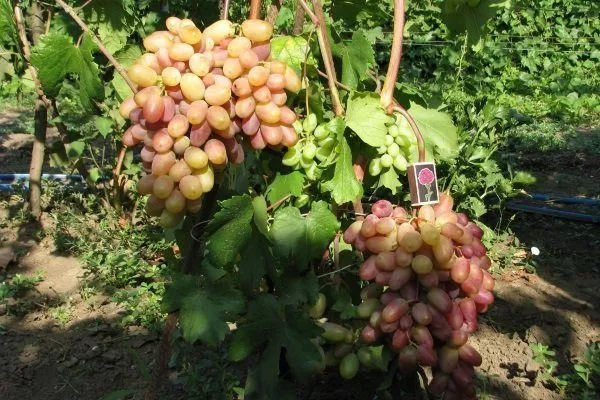
This very early-ripening variety was developed by breeders at the Ya. I. Potapenko All-Russian Research Institute of Viticulture and Winemaking, Russia. It was developed from the Zarya Severa, Dolores, and Russkiy Ranniy varieties.
The bush is of medium vigor. The clusters are conical, sometimes shapeless, large, and moderately dense. The berries are large and oval. The skin is moderately dense, white, with a tanned tint on the sunny side. The flesh is crisp, with a sweet, harmonious flavor.
Main advantages:
- can be stored on the bushes for up to a month without losing its taste;
- frost-resistant;
- resistant to mildew, gray mold;
- tolerates transportation well.
There are also disadvantages, these are:
- not resistant to phylloxera;
- average yield;
- A good harvest can be obtained with moderate pressure on the bush and well-developed perennial wood.
Lady fingers
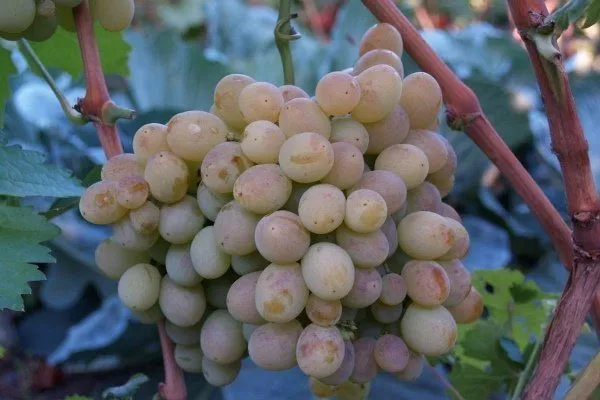
The variety originates from Asia. The plant ripens mid-season.
The bushes are vigorous, with medium-sized, five-lobed leaves. The clusters are large, conical, loose, and branched. The berries are large, elongated, and cylindrical-conical. The skin is thin, yellow with a pinkish or greenish tint. The flesh is juicy and slightly crunchy.
The real name of the variety, which can be found in literature on viticulture, is Husayne White.
Main advantages:
- good taste;
- crop yield.
Some disadvantages:
- affected by oidium;
- low frost resistance.
Kesha
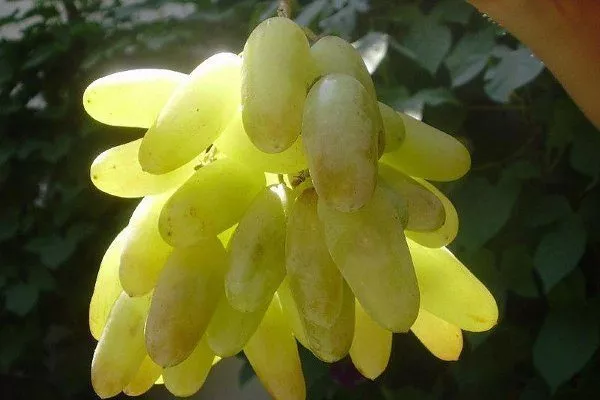
The hybrid was developed from the Frumoasa Albă and Vostorg varieties. It is an early-ripening variety.
The bushes are vigorous. The clusters are cylindrical, sometimes shapeless, and moderately dense, with a long stalk. The berries are very large and oval. The skin is white. The flesh is firm, with a harmonious, sweet flavor.
Advantages of Kesha:
- high yield;
- frost resistance;
- good taste characteristics.
Flaws:
- susceptibility to disease;
- A stable harvest is collected from perennial bushes with good wood.
White raisins (oval)
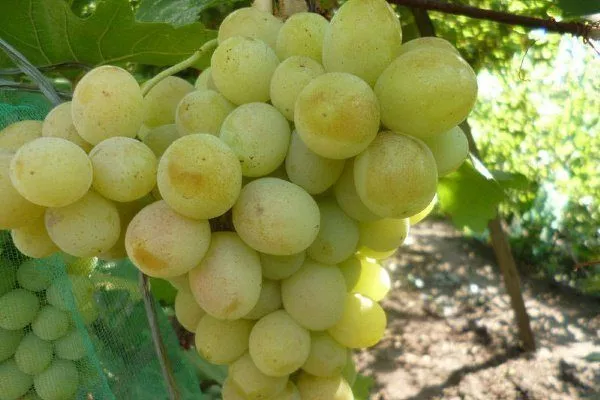
A mid-season, ancient grape variety distinguished by its seedlessness. Originating in Central Asia and the Middle East.
The bushes are vigorous. The leaves are medium-sized, rounded, with upturned edges. The clusters are cylindrical or conical, medium-sized and dense, and winged. The berries are small, oval, and yellow-green. The flesh has a pleasant flavor and is fleshy.
White round Kishmish is distinguished by its round, slightly flattened berries.
The variety has the following advantages:
- seedlessness, which allows for the production of high-quality raisins;
- good taste indicators.
White Kishmish has the following disadvantages:
- average frost resistance;
- not resistant to diseases.
Laura
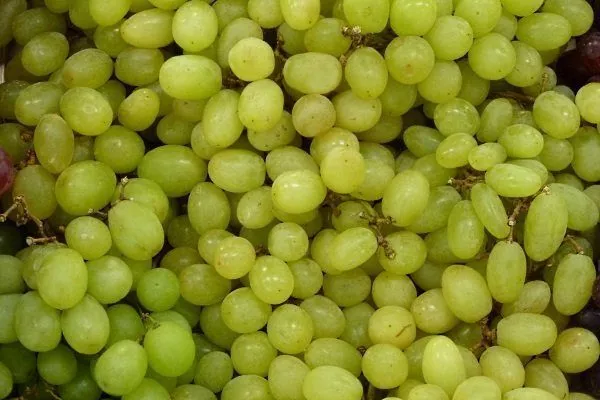
The grape varieties include Muscat de Saint-Vallier, Muscat Hamburg, Khusaine, and Queen Tairovskaya. Developed at the Odessa Institute of Winemaking, the grape ripens very early.
The bushes are vigorous. The clusters are conical, loose, and large. The berries are white with a light green tint, covered in purine, and may tan in the sun. The flesh is firm, pleasantly flavored, and accumulates sugar well.
By using gibberellin, it is possible to increase the length of berries and obtain seedless grapes.
Pros:
- good transportability;
- disease resistance;
- berries rarely crack;
- can be stored on the bushes for a long time.
Monarch
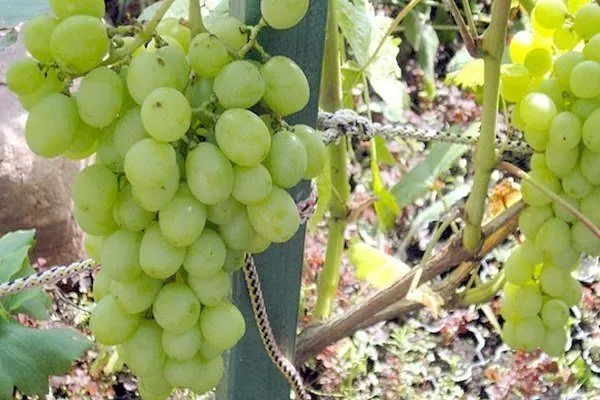
This early-to-mid-season variety was developed by amateur breeders based on Talisman and Cardinal.
The bushes are very vigorous. The clusters are large and dense. The berries are round and yellow, developing a reddish tan in the sun. The flesh is firm, and the skin is easy to eat. The flavor is harmonious, with a muscat aroma.
The advantages of the Monarch are as follows:
- shoots are developing well;
- the harvest is stored on the bushes for a long time without losing its taste;
- is not taken aback.
Some disadvantages:
- resistance to diseases and frost has not been studied;
- not suitable for cultivation on an industrial scale.
Pink Haze
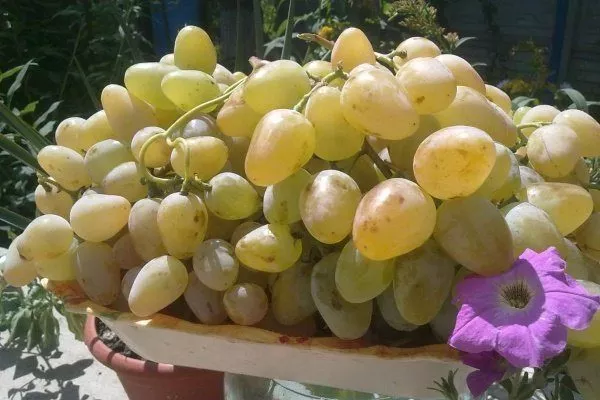
A hybrid obtained from varieties Mascot and Kishmish Radiant. Early ripening.
The bushes are vigorous. The clusters are large, cylindrical-conical, and moderately dense. The berries are large, oval, and white with a pink blush. The flesh is firm, the skin is imperceptible when eating, and the flavor is described as harmonious.
Among the advantages of the variety:
- high transportability;
- frost resistance.
Disadvantages: average resistance to diseases.
Super Extra
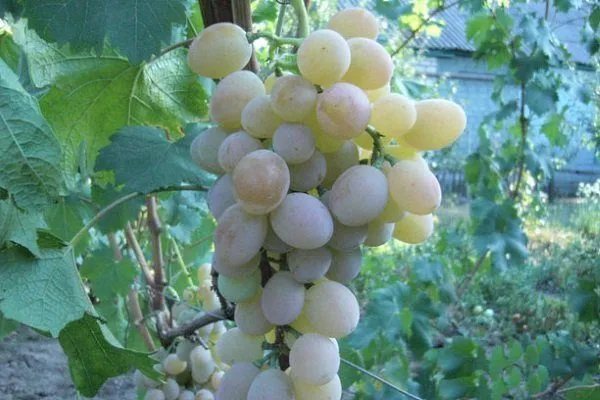
A variety bred by amateur Russian winegrowers. Very early ripening.
The bush is vigorous. The cluster is large, conical, and wide, with a medium to loose density. The berries are large, ovoid, and white. The skin is thin, medium-dense. The flesh is juicy and fleshy, with a harmonious flavor.
Main advantages:
- high yield;
- high transportability;
- resistant to mildew and oidium.
Some disadvantages:
- winter shelter is required;
- the berries are stunned;
- not resistant to gray mold.
Timur
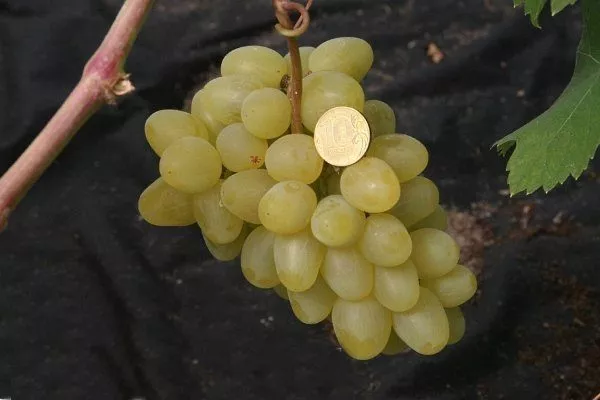
Bred in Russia from the varieties Frumoasa Alba and DelightRipening period: very early.
The bushes are of medium to weak growth vigor. The clusters are conical, moderately loose. The berries are large, oval or nipple-shaped, with a pointed tip. The skin is white, tanned yellow by the sun, and thin. The flesh is crisp, dense, and has a muscat aroma.
The advantages are:
- frost resistance;
- disease resistance.
The following disadvantages are highlighted:
- demanding to soil composition;
- a tart taste of the skin may appear.
Pink
Pink grapes are those varieties whose berries range in color from pale to bright pink. They are highly prized by buyers for their attractive appearance. These grapes produce a high sugar content but can fade in the sun, so to preserve their appearance, the bunches should be shaded.
| Variety | Growing season, days | Weight of bunch, g | Berry weight, g | Frost resistance | Sugar, % | Acidity, g/l | Transportability |
| Angelica | 115-125 | 800-1500 | 10-12 | not studied | 17-20 | 6-8 | high |
| Anyuta | 130-140 | 700-1200 | 13-15 | low | 18:50 | 5-7 | high |
| Libya | 105-110 | 600-1000 | 10-13 | average | 20 or more | 5-7 | high |
| Transfiguration | 110-115 | 700-1500 | 13-14 | low | 17-19 | 6-7 | increased |
Angelica
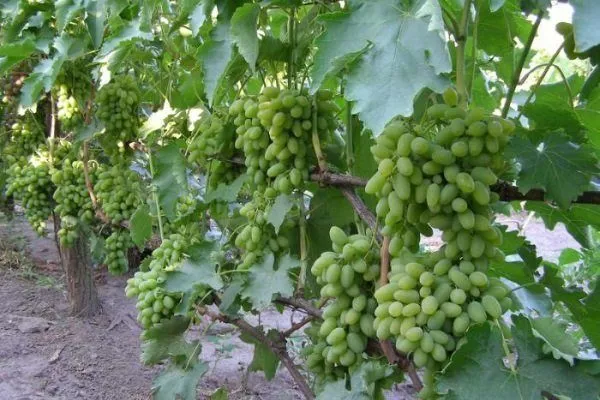
It is considered an early variety in terms of ripening time and is grown in southern regions.
The bushes are vigorous. The clusters are large, conical, elongated, and loose. The berries are large, elongated, pointed at the tip, white with a pink tint. The flesh is dense and crisp, with a harmonious flavor, and the skin is medium thick.
The variety is also called Ksenia.
The advantage of this variety is its good transportability.
Cons:
- tendency to stun berries;
- Frost resistance and disease resistance are being studied.
Anyuta
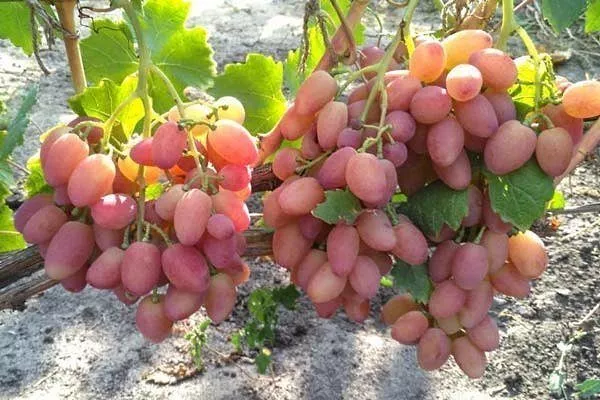
A home-grown variety. The harvest ripens in early September.
The bushes are very vigorous. The clusters are large, loose, sometimes branched, conical or cylindrical. The berries are very large and oval. The skin is bright pink and medium-thick. The flesh is juicy, fleshy, with a muscat aroma.
The following advantages are highlighted:
- high yield;
- good ripening of shoots;
- resistance to major diseases.
The disadvantages include:
- requires crop yield regulation;
- Shelter is needed for the winter.
Libya
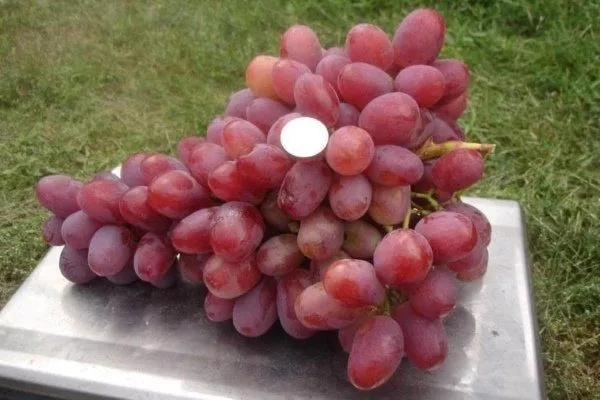
Developed from the Flamingo and Arcadia varieties, very early.
The bushes grow vigorously. The clusters are large, cylindrical, and not very dense. The berries are large and oval. The skin is pink and undetectable when eaten. The flesh is meaty, juicy, and has a muscat aroma.
Among the advantages:
- bunches can be stored on the bush for up to a month after ripening;
- It is practically not susceptible to oidium and mildew.
Disadvantages:
- average frost resistance;
- It is necessary to treat with fungicides for prevention.
Transfiguration
A very early ripening hybrid, bred by amateurs.
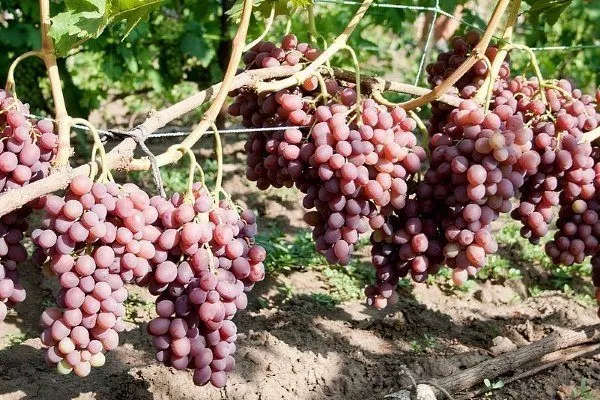
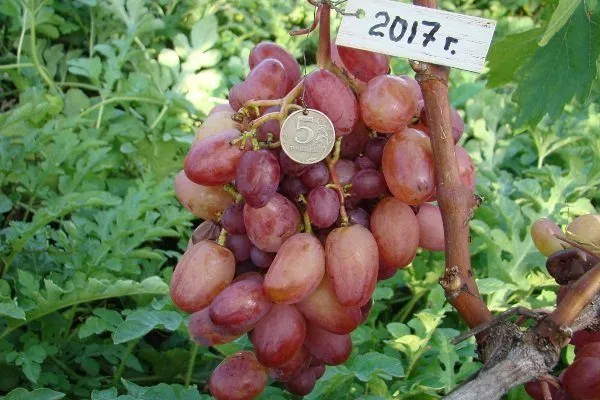
The bushes are distinguished by very vigorous growth. The clusters are shapeless, sometimes conical, and of medium density. The berries are large, oval-elongated, and pink. The flesh is fleshy and juicy, and the skin is medium thick.
Positive characteristics:
- high transportability and marketable appearance;
- the ability to produce fruit on stepsons.
Flaws:
- low frost resistance, requires shelter for the winter;
- not resistant to diseases.
Blacks
A distinctive characteristic is the dark blue, purple, almost black color of the berries. This grape variety contains a high level of antioxidants. It is recommended for disorders of the nervous, cardiovascular, and endocrine systems, as well as for cancer.
| Variety | Growing season, days | Weight of bunch, g | Berry weight, g | Frost resistance | Sugar, % | Acidity, g/l | Transportability |
| Athos | 95-100 | 500-700 | 10-11 | high | 18-19 | 4-5 | high |
| Cardinal | 120-125 | 340-510 | 6-7 | low | 15-18 | 7-9 | high |
| Kuban | 120-125 | 700-900 | 10-12 | high | 18-20 | 5-6 | high |
| Moldova | 155-160 | 400-600 | 5-6 | average | 17-18 | 7-10 | high |
| In memory of Negrul | 145-160 | 500-1500 | 5-7 | increased | 16-18 | 5-8 | high |
| Early Magarach | 120-125 | 200-500 | 3-5 | low | 16-17 | 5-6 | high |
| Rochefort | 110-120 | 500-1000 | 8-13 | not studied | 14-18 | 4-7 | high |
| Strashensky | 100-145 | 600-1000 | 7-12 | low | 18-19 | 7-8 | low |
| Name | Growing season, days | Weight of bunch, g | Berry weight, g | Frost resistance | Sugar, % | Acidity, g/l | Transportability |
|---|---|---|---|---|---|---|---|
| Athos | 95-100 | 500-700 | 10-11 | high | 18-19 | 4-5 | high |
| Cardinal | 120-125 | 340-510 | 6-7 | low | 15-18 | 7-9 | high |
| Kuban | 120-125 | 700-900 | 10-12 | high | 18-20 | 5-6 | high |
| Moldova | 155-160 | 400-600 | 5-6 | average | 17-18 | 7-10 | high |
| In memory of Negrul | 145-160 | 500-1500 | 5-7 | increased | 16-18 | 5-8 | high |
| Early Magarach | 120-125 | 200-500 | 3-5 | low | 16-17 | 5-6 | high |
| Rochefort | 110-120 | 500-1000 | 8-13 | not studied | 14-18 | 4-7 | high |
| Strashensky | 100-145 | 600-1000 | 7-12 | low | 18-19 | 7-8 | low |
Athos
A very early ripening variety, harvesting begins at the end of August, bred from the Talisman and Kodryanka varieties.
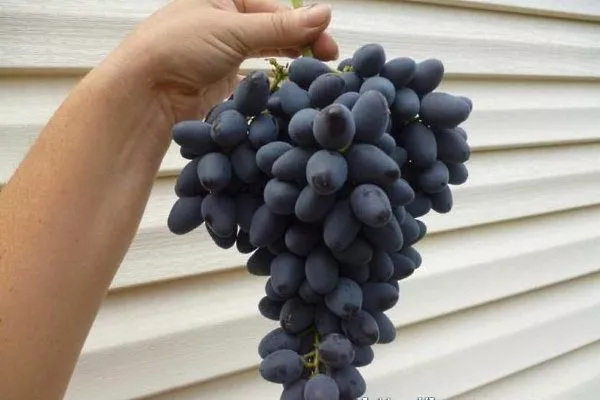
The bushes are of medium to high vigor. The clusters are conical and large. The fruits are elongated and large. The skin is dark blue and medium thick. The flesh is crisp with a delicately tart flavor.
There are several advantages of this variety:
- high yield;
- resistance to fungal diseases;
- high transportability.
Cons: requires winter cover.
Cardinal
An American grape variety based on the Queen of the Vineyards and Alphonse Lavallee. It is considered a very early ripening grape.
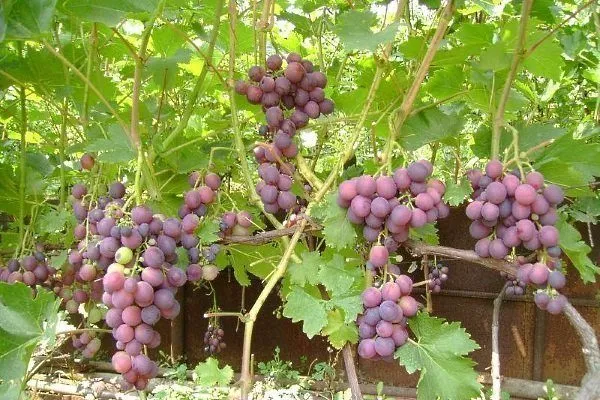
The bushes grow at a medium rate. The leaves are large, glossy, and sometimes wavy. The clusters are large, cylindrical or conical, loosely or very loosely structured. The berries are large, oval or round, with a beveled top. The skin is firm but easily torn, purple with a red tint. The flesh is juicy, greenish-white. The grapes have a pleasant taste, with a light muscat aroma.
The variety has the following advantages:
- high yield;
- tolerates transportation well;
- good shelf life, without loss of marketable appearance;
- excellent taste qualities of fresh grapes and processed products.
The variety also has its disadvantages:
- capricious to growing conditions;
- not resistant to diseases;
- not frost resistant;
- The berries ripen unevenly and the yield is unstable.
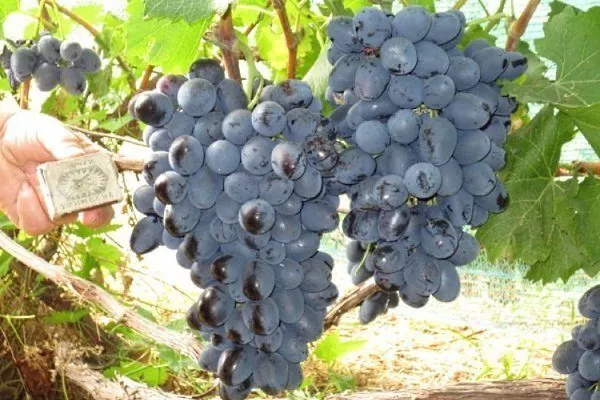
Kuban
The grapes are based on Moldova and Cardinal. These are early-ripening grapes.
The bushes are rated for above-average vigor. The clusters are very large, cylindrical-conical, and of medium density. The berries are large, oval, and black, covered with a thick bloom. The flesh is juicy, meaty, and has a harmonious flavor.
Positive qualities:
- high yield;
- ripe grapes can be stored on the bushes;
- not damaged by wasps;
- high transportability;
- resistant to diseases.
Moldova
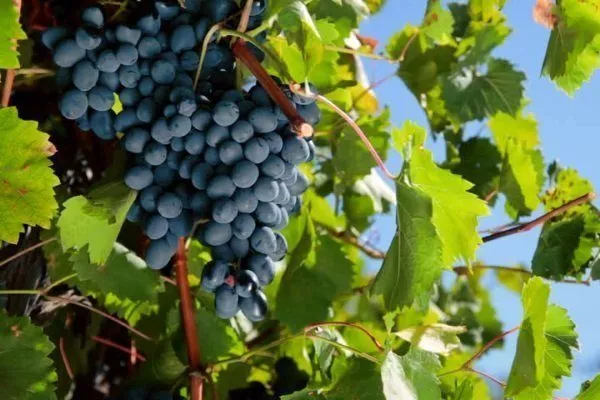
The grape variety is bred from the Guzal Kara and Villard Blanc varieties. It ripens late.
The bushes grow vigorously, with large, round leaves. The clusters are cylindrical or conical, medium-dense. The berries are large, oval, and dark purple with a thick bloom. The flesh is meaty, and the flavor can be described as simple.
Among the advantages:
- can be grown as a horizontal living cover for arbors;
- disease resistant;
- remains on the bushes for a long time;
- high transportability and shelf life.
Disadvantages:
- thickening of bushes leads to smaller berries;
- requires pruning by a skilled winegrower, as it does not tolerate overloading or underloading with crops.
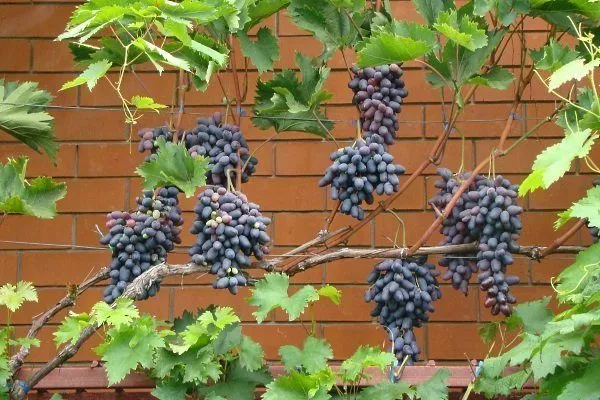
In memory of Negrul
Developed in Moldova from the Corna Neagra and Datier de Saint-Vallier varieties, this mid-season variety is a classic.
The bushes grow vigorously. The clusters are loose and large. The berries are elongated, black with a thick bloom, firm inside, and have no distinctive flavors.
Main advantages of the variety:
- high commodity grades of bunches and berries;
- increased winter hardiness;
- disease resistance;
- can be stored in the refrigerator for a long time.
Disadvantages of the variety:
- requires increased bud load when pruning;
- average yield.
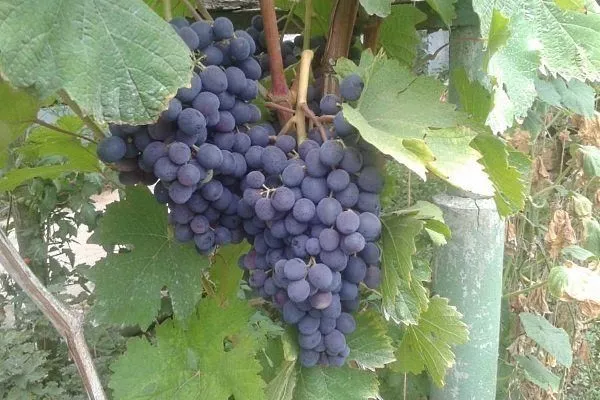
Early Magarach
Developed by Ukrainian breeders from the Madeleine Angevin and Kishmish Black varieties, this variety is very early, with harvesting starting in the third ten days of August.
The bushes are tall. The leaves are large, heart-shaped, and vesicular. The clusters are medium to large, moderately dense, conical, wide, and winged. The berries are large, round or oval. The skin is firm but easily torn, dark blue with a thick waxy coating. The interior is juicy and fleshy, with a simple flavor.
Among the advantages are:
- high and stable yield;
- not affected by gray mold.
The disadvantages include:
- susceptibility to mildew and phylloxera;
- low frost resistance;
- For growing, light, well-warmed soils are needed.
Rochefort
An amateur hybrid with the Talisman and Cardinal varieties, early in ripening.
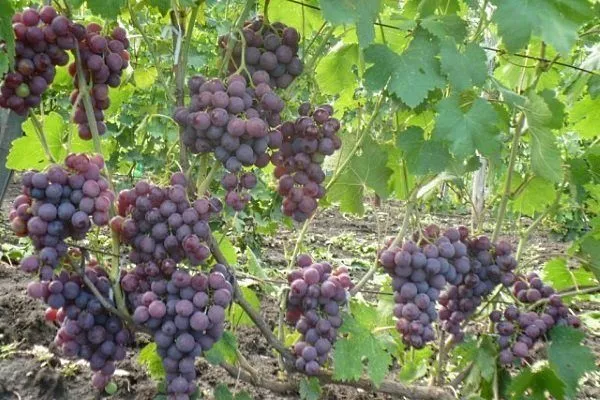
The bushes are vigorous. The clusters are medium-sized and heavy, conical. The berries are round and dark blue. The pulp is meaty and tasty, and the skin is easily edible.
Pros: high maturity of shoots.
Disadvantages: susceptibility to diseases, frost resistance and yield stability have not been studied.
Strashensky
Developed by Moldovan breeders from the Druzhba, Katta-Kurgan, Dodrelabi, and Muscat de Saint-Vallier varieties. An early to mid-early variety.
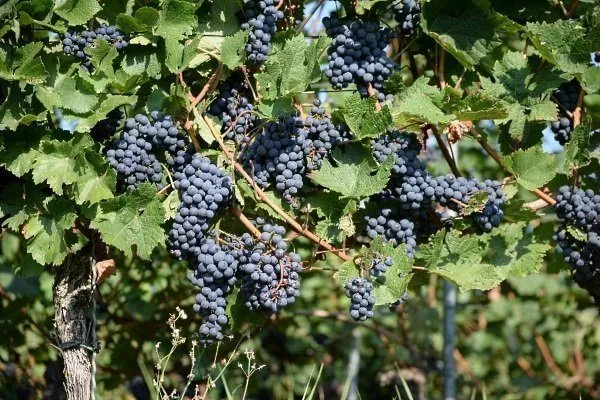
The bushes are of medium vigor. The clusters are of medium density and weight, loosely arranged. The berries are large, black, and have excellent flavor.
Main advantages:
- resistance to most diseases;
- good presentation.
Main disadvantages:
- low frost resistance;
- berries can be affected by gray mold and powdery mildew if the ripened crop is left on the bushes for too long;
- poor shelf life.
Table grape varieties are divided into white, pink, and black. They share common characteristics: excellent marketability and excellent flavor. To determine which variety is best for growing, consider its growing conditions, disease susceptibility, shelf life, and transportability.