
Sauvignon Blanc, renowned for its pleasant aroma and vibrant flavor, holds a place of honor among wine enthusiasts. It boasts excellent characteristics and boasts numerous advantages and unique features. Proper and timely care is essential for a bountiful harvest.
History and distribution
The names of the breeders who developed it are unknown. It was created in France and later spread worldwide. The Traminer variety and an unknown species were used in its development. The cultivar is known by various names: Genetin, Muscat Sylvaner, and others.
It belongs to the Western European varieties and is now widely grown on all continents, ranking second among white grape varieties. Chardonnay is the leader. Its homeland is considered to be the Loire Valley in France. It is successfully grown not only in France, but also in Italy, Austria, the Czech Republic, and other countries.
Description of Sauvignon Blanc grapes
Sauvignon Blanc is a technical grape variety used to produce white wine. It attracts the attention of both novice and experienced gardeners.
- ✓ Characteristic aroma of berries with notes of nightshade and citrus.
- ✓ Specific leaf shape: deeply cut, three-lobed or five-lobed.
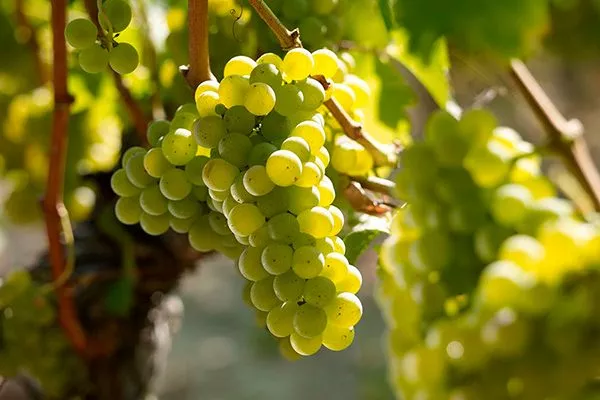
Vine and bush
The bushes are medium-sized and produce flowers of both sexes. The number of fruiting shoots per plant ranges from 37 to 80. Each fruiting shoot produces approximately 0.6 clusters, and each fruiting shoot produces 1 to 1.2 clusters.
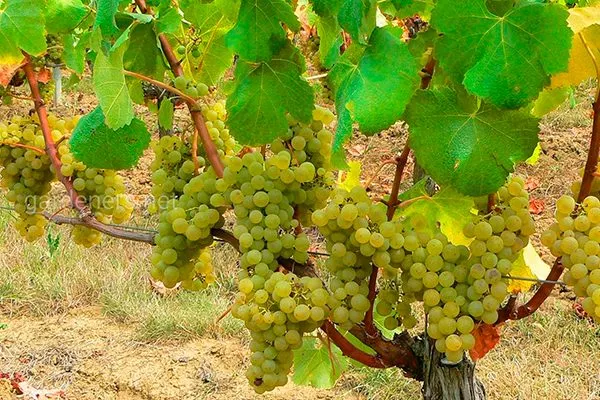
The vines are covered with funnel-shaped leaves, deeply dissected, and can be three- or five-lobed. The undersides of the leaves are densely covered with bristly, cobwebby hairs.
Bunch
They are distinguished by their small size. On average, they weigh between 75 and 120 grams. They are cylindrical in shape and have a high density. The length of the clusters varies from 10 to 13 cm, and the width reaches 6 to 10 cm.
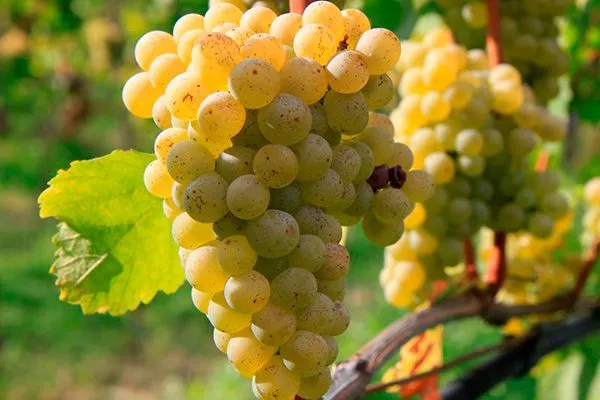
Berries and their taste
They have a white-greenish color that changes to a pinkish-yellow hue when exposed to sunlight. They contain small seeds. The flesh is juicy, and the skin is quite firm. They are slightly oval and round in shape, and range in size from 14 to 17 mm, making them relatively small.
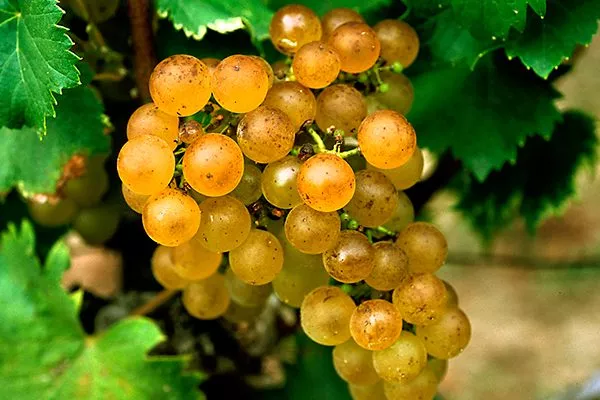
The flavor of ripe bunches is harmonious, with notes of nightshade. The fruits contain significant amounts of vitamin C and sugar.
Drought resistance, frost resistance
It has moderate drought tolerance, so it's important to monitor moisture levels. The bushes' roots are not very developed, making it difficult to find water in dry soils. The plant can withstand temperatures down to -25°C. The shoots are frost-resistant, but the roots need to be insulated in the fall.
Resistance to diseases and pests
It has good resistance to fungal infections. With proper care, it is rarely attacked by pests. However, preventative treatments are recommended to preserve the harvest.
Pollination, flowering period and ripening time
The inflorescences are collected in clusters. Since this variety is mid-season, the first flowers appear in early May. The plant produces bisexual buds, so there is no need to plant pollinators nearby. Harvesting begins in late September. The timing largely depends on weather conditions.
Productivity and fruiting
Yield is not particularly high. It is possible to increase yields without the risk of overloading the bushes by increasing the number of fruiting shoots.
Chemical composition of berries
The nutritional value per 100 g is 69 kcal. The berries contain the following components:
- proteins: 0.7 g;
- fats: 0.2 g;
- carbohydrates: 17.2 g.
The fruits are also rich in dietary fiber – 0.9 g and water – 80.5 g.
Benefits and harms
This healthy delicacy was used in ancient times to treat colds and combat fatigue. The berries are rich in macro- and microelements, fructose, and vitamins. They contain various amino acids that synthesize vitamins and hormones, regulate lipid metabolism, and produce urea.
Its use is not recommended for people with stomach ulcers, obesity, diabetes, diarrhea, or chronic lung inflammation. It is contraindicated in those with high stomach acidity, indigestion, diabetes, or high blood pressure. It may damage tooth enamel.
Application in winemaking
Known for its excellent characteristics, it is widely used to produce high-quality white wines. Sauvignon Blanc uses:
- Wine production. It is one of the most popular varieties for white wine production. Its good acidity, expressive fruity aromas, and freshness make it ideal for creating a variety of wine styles, from light and refreshing to rich and full-bodied.
- Blends. It is often used in blends with other varieties to impart additional aromas, structure, and complexity to the wine. For example, it is often paired with Semillon and Muscat grapes.
- Fresh consumption. The berries are eaten fresh. They have a refreshing taste with notes of citrus and herbs.
- Tastings and events. Used for wine tastings or other events where quality white wine is appreciated.
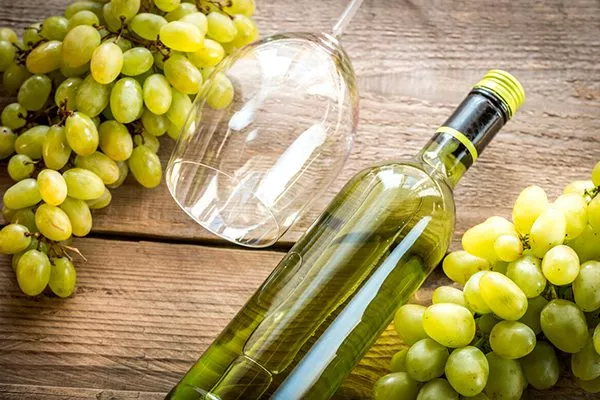
Some chefs use the fruits to create various dishes and sauces, adding a special aroma and flavor.
Pros and cons of the variety
It has a number of significant advantages that make it popular among producers and culture lovers.
Landing rules
The ideal planting location is a south-facing site with consistent sunlight. Elevated sites are ideal, as they will help protect the plant roots from excessive waterlogging during periods of heavy rainfall.
- ✓ Soil pH should be between 6.0-7.0 for optimal nutrient absorption.
- ✓ The depth of groundwater is at least 1.5 m to prevent root rot.
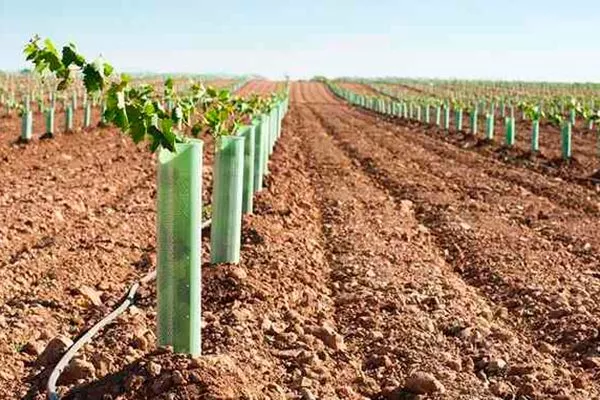
Follow these recommendations:
- Landing site. Choose sites with light to medium soil; fertile, humus-carbonate soil is ideal. It's recommended to choose a site on a slope where vines thrive. The planting site should be as far away from groundwater as possible.
- Selecting a seedling. Buy planting material from specialized nurseries and reputable suppliers. Pay attention to its appearance: it should be strong, healthy, and undamaged. The root system should be moist, with long, undamaged roots, and the buds should not fall off when pressed.
- Planting in open ground. Prepare the planting site by digging a hole to the desired depth. Add fertilizer, peat, and compost to create a fertile soil layer. Place the seedling in the hole, fill with soil, fertilize, and compact it. Install stakes for staking.
By following proper planting and care practices, you will ensure healthy growth and development, which will guarantee high-quality berries.
Care methods
Care plays a key role in the health, growth, and quality of your crop. Follow these basic agricultural practices:
- Watering. The plant prefers moderate watering and does not tolerate excess moisture. Water the plant only when there is insufficient rainfall, providing approximately 10 liters of water per plant. Afterward, loosen the soil to improve root aeration.
- Top dressing. Every three years in the fall, apply approximately 6-8 kg of manure per square meter. Use phosphorus and potassium fertilizers (50-60 g per square meter) for top dressing. Each spring, apply 3-4 g of nitrogen fertilizer per square meter.
- Trimming. Begin pruning two weeks after the leaves fall. With standard pruning, leave about 5-8 buds per bush.
- Preparing for winter. The plant is frost-resistant down to -22°C, but at lower temperatures, protection is required. For this, use multi-arm fans or a diagonal cordon. Covering the vines with straw, reeds, or wood shavings will help protect the plant from frost. Cover the shelter with roofing felt or plastic to keep it dry.
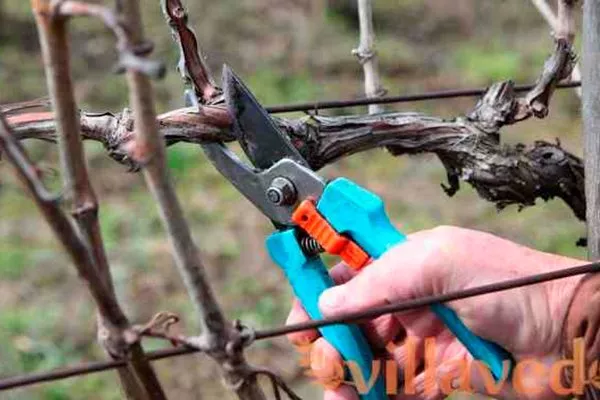
By following these care recommendations, you will ensure healthy plant growth, a good harvest, and quality wine.
Diseases and pests
Disease and pest control are an important part of care. It's important to follow basic preventative measures.
Mildew
Mildew is a dangerous fungal disease affecting grapes, causing leaves to dry out and fall off. To combat the disease, use chemicals such as Cuproxat, Hom, Oxyhom, Bordeaux mixture, Horus, and Ridomil Gold.
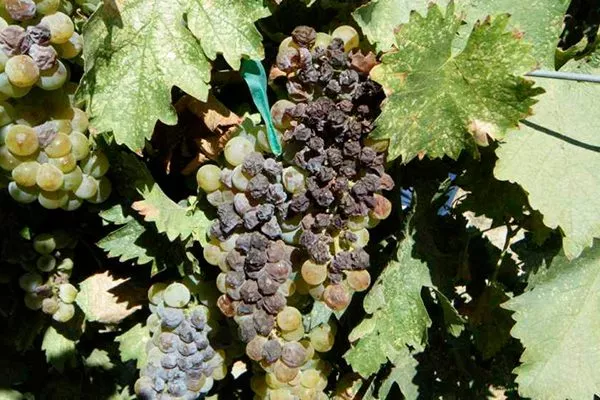
Folk methods include solutions of potassium permanganate, soda, iodine, infusions of rotted hay and an extract of wood ash.
Oidium
Oidium is a dangerous disease that manifests itself as spots with an ash or white coating on leaves, fruits, and cobwebs on grapes.
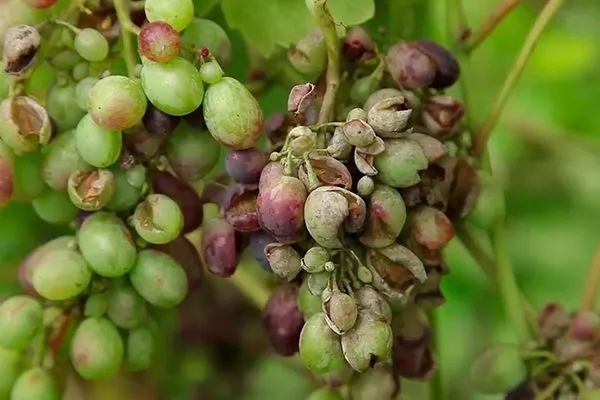
To treat the disease, use a sulfur solution and chemical preparations: Skor, Fitosporin, CM, Topaz, Vitaros, Aktara.
Gray mold
Gray mold is caused by botrytis and thrives in high humidity. Symptoms include brown spots with a gray coating, withering foliage, darkening of flowers, and rotting of berries.
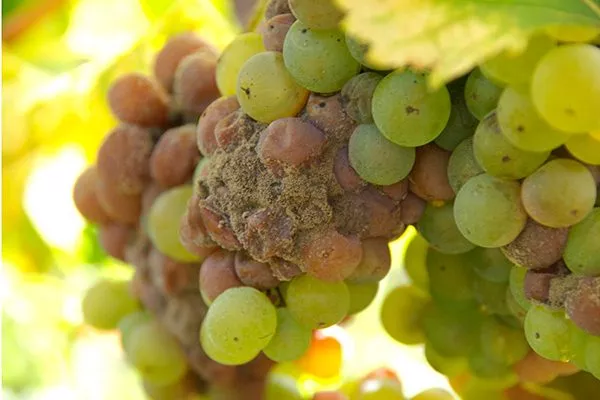
To treat, remove all damaged areas and apply fungicides such as Ronilan, Sumilex, Euparen, copper sulfate, Bordeaux mixture, and potassium iodide. Folk remedies include baking soda and a potassium permanganate solution.
Harvesting and storage
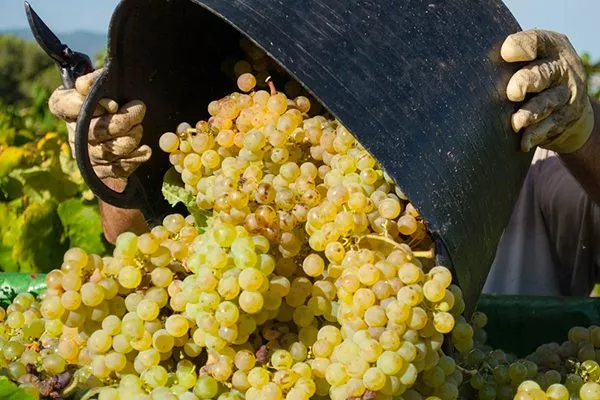
Sauvignon Blanc ripens in late autumn, around the end of the year. It is not suitable for long-term storage, so it is consumed immediately or used in production. Wine made from the fruit has a shelf life of approximately three years. Transportation can negatively affect the appearance of the bunches.
Reviews
Sauvignon Blanc is renowned for its exceptional characteristics, making it one of the most popular and sought-after varieties among wine connoisseurs and culture enthusiasts. To maintain its health and the quality of its harvest, special attention must be paid to disease prevention and protection, as well as proper care.