
There are a huge number of grape varieties, and their breeding continues to evolve. Their characteristics can vary depending on the region and climate in which they were developed. Breeders strive to produce varieties that can withstand harsh environmental conditions while still boasting exquisite flavor. Below, we'll list the best grape varieties in alphabetical order, from A to Z.
Alyoshkin
This grape was bred in 1956 by agronomist P.E. Tsekhmistrenko. Alyoshenkin grapes ripen early, taking 110-118 days. The variety is considered vigorous and high-yielding—with proper planting and care, it can yield up to 25 kg per vine.
Alyoshkin has the following characteristics:
- the leaves are medium-sized, dark green, five-lobed and moderately dissected;
- the clusters are large;
- the shape of the bunches is conical, but there are also branched ones;
- medium-sized bunches weighing 500 grams, large ones – up to 2 kg;
- the berry is of medium size – 4.5 grams;
- the color of the berry is amber, with a white coating;
- the shape is slightly oval;
- 25-40% of berries are seedless, the rest have 1-2 seeds;
- the taste is sweet, sugar content up to 20%;
- the flesh is crispy.
The variety's advantages include its undemanding nature, as it can produce a harvest even in the most unfavorable conditions. However, its disadvantages include its susceptibility to fungal diseases.
Victoria
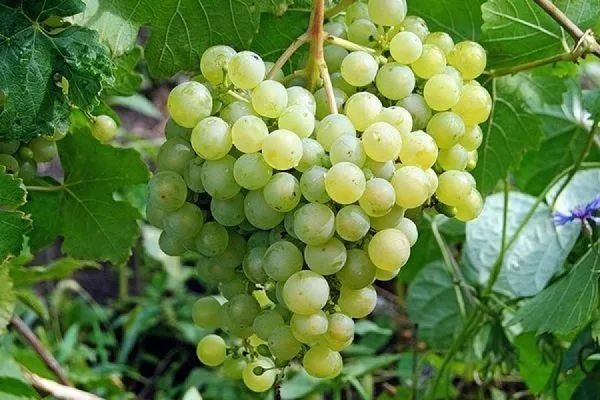
The description of this table grape variety comes from Russian breeders. It has an early ripening period of 115-120 days.
Victoria has the following characteristics:
- the leaves are medium-sized, dark green;
- large bunches – 500-700 grams;
- the shape of the bunches is conical;
- medium berries – 6 to 7.5 grams;
- the shape of the berries is oval-ovoid;
- the color of the berries is red-raspberry;
- When fully ripe, the fruits have a muscat flavor;
- sugar content 17-19%;
Among the variety's advantages are its exceptional frost resistance—it doesn't freeze down to -27 degrees Celsius—and its resistance to diseases. Its disadvantages include a tendency to pea-shaped grapes, which is when the berries grow very small. To prevent this, each bunch should be brushed with a paintbrush to shake off the small grapes.
Harold
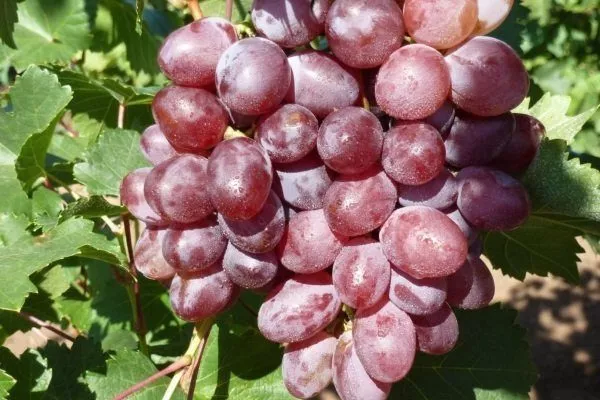
The variety was developed by Novocherkassk breeders, who had been trying for quite some time to develop a frost-resistant variety. This was achieved by crossing varieties. Delight and Arcadia. Harold is a table grape variety that fully ripens in 100 days.
Characteristics of the Harold variety:
- the clusters are large;
- the shape of the bunches is cylindrical-conical, weighing 400-500 grams;
- the leaves are a rich dark green color and heart-shaped;
- the shape of the berries is oval, the tip is pointed, weight 5-6 grams;
- berry color – amber-yellow;
- the variety is hermaphrodite and can self-pollinate;
- harmonious taste with a light muscat aroma;
- On average, one bush can yield up to 15 kg of harvest.
The variety's advantages include its undemanding growing and maintenance conditions, frost hardiness (it can withstand temperatures as low as -25-26°C), and resistance to diseases and pests. Its disadvantages include its vigorous growth, which leads to fruit overload. To avoid this, remove excess side shoots and shoots.
Demeter
A table variety with an early ripening period of 120-125 days. It was developed through the collaboration of Ukrainian and Russian breeders. The variety was created to be suitable for planting in the Far East, as well as in the central, northwestern, and southern regions of Russia.
Fruit characteristics:
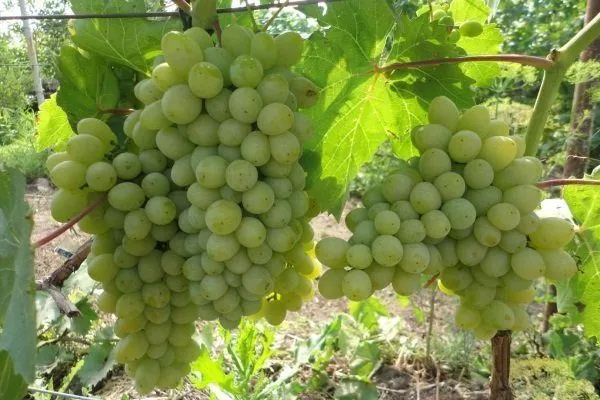
- the clusters are large, the density is medium, loose;
- the shape of the bunches is cylindrical, descending into a cone;
- the bunches are large, weighing from 800 to 1100 grams;
- large berries – 10-15 grams each;
- berry shape – elongated-oval or diamond-shaped;
- the color of the berries can change depending on the stage of development - green or greenish-yellow at an early age and white or yellowish with an amber tint at a mature age;
- sugar content is 17-23%;
- Demeter has a simple taste with a slight hint of nutmeg.
Its advantages include frost resistance and moderate resistance to diseases and pests. Its disadvantages include its fussiness; for example, if it doesn't like the soil it's growing in, it will require additional fertilization.
Yesenin
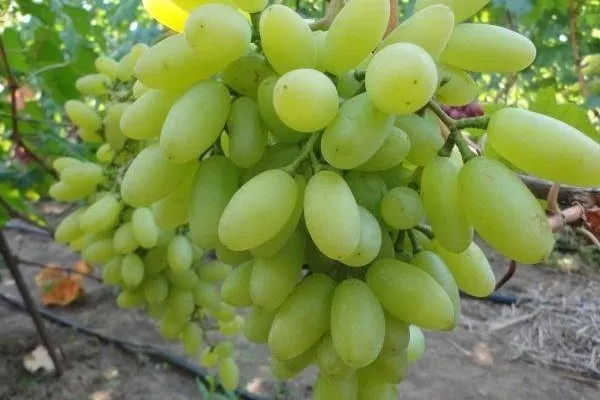
A table grape variety that fully ripens in 130 days. It was developed by amateur breeders by crossing two varieties, Talisman and Charrel. It begins bearing fruit two years after planting.
Characteristics of the variety:
- the bunches are large, weighing 500-800 grams, but specimens weighing up to 1.5 kg are also possible;
- leaf color – dark green;
- the shape of the bunches is cylindrical;
- the berries are medium-sized, weighing 6-8 grams;
- the color of the berries is yellow-amber, with a pink tint;
- the taste is juicy and sweet;
- sugar content 18%;
They are fairly frost-hardy and have moderate resistance to diseases and pests.
Pearl of Saba
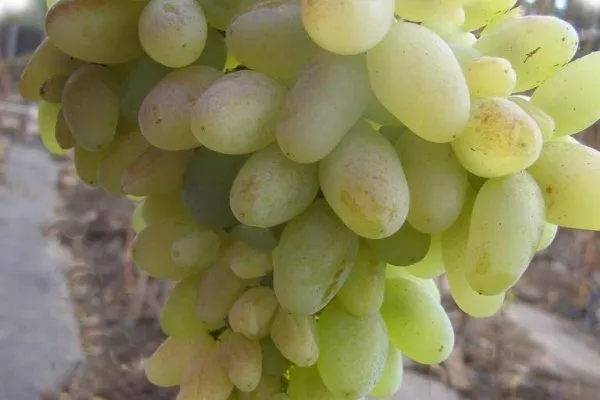
The variety was developed by Hungarian breeder Stark in 1904 by crossing Muscat Ottonel and Muscat Hungarian. Full maturity takes 115 days.
Characteristics of the variety:
- the variety is considered medium-sized;
- the shape of the bunches is cylindrical;
- the weight of the bunches reaches 120 grams;
- the shape of the berries is round;
- the color of the berries is golden-green;
- the weight of one berry is just over 1 gram;
- the taste is pleasant, with a nutmeg aroma;
- sugar content – 14-18%.
Among the advantages – frost-resistant varietyAmong the disadvantages, the berries attract the attention of birds and insects and without proper protection can be damaged and lose their consumer properties.
Fun
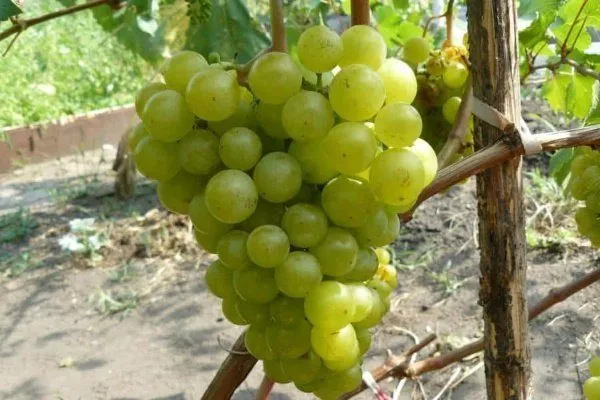
This variety was developed by a Ukrainian amateur breeder by crossing Flora and Kodryanka. Zabava is not an officially registered, zoned variety. This table variety ripens in 100-110 days, which is considered very early.
Characteristics of the variety:
- refers to vigorous plants, for normal fruiting and development, they must be at least 2 meters apart;
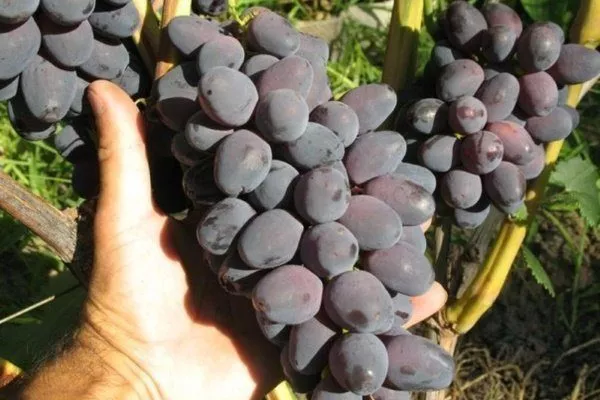
- large bunches weighing 700-900 grams;
- the shape of the berries is oval-elongated;
- the color of the berries is dark blue with a rich waxy coating;
- berry weight – 10 grams;
- the variety is bisexual and does not require planting additional pollinator trees;
- the taste is juicy and sweet.
This variety's disadvantages include extremely low frost resistance—at temperatures of -20°C, Zabava freezes completely. Its advantages include high yields, a good marketable appearance, and good transportability.
Isabel
The variety originated in America, where breeder William Prince spent decades monitoring its development and perfecting it. It is distinguished by its late ripening period—up to 180 days.
Characteristics of the variety:
- the size of the bunches is small – 140 grams;
- the shape of the bunches is cylindrical, sometimes cylindroconical;
- the berries are small in size;
- berry shape – round or oval;
- the color of the berries is black with a bluish tint and a dense white coating;
- the pulp is pleasant, with a well-defined strawberry flavor;
- sugar content – 16-18%.
The advantages of the variety include their good tolerance to high humidity, while the disadvantages include low tolerance to drought, and if the plant is very dense, uneven ripening of the berries and decreased resistance to mildew are possible.
Cardinal
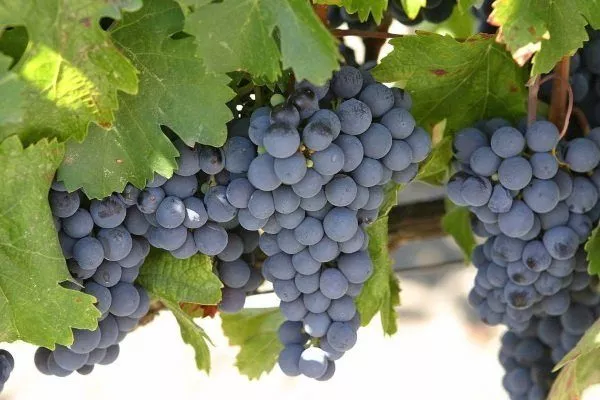
This table grape variety was developed by American breeders in 1939. Cardinal arrived in Russia during the Soviet era, brought from France. It thrived and is now grown in many regions of the country. It is an early-ripening variety, ripening in up to 105 days.
Characteristics of the variety:
- the bunches are large in size, weighing 400-900 grams;
- the shape of the bunches is cylindrical-conical
- tall bushes, their height can reach 3 m;
- the berries are quite large and juicy, weighing 10-12 grams;
- berry shape – oval;
- the color when ripe is deep red-violet;
- taste – juicy, with a soft, light muscat tint;
- sugar content – 17-18%.
The variety's advantages include early ripening, long shelf life, and transportability. Its disadvantages include low frost resistance, uneven ripening of the berries, and susceptibility to fungal diseases.
Lydia
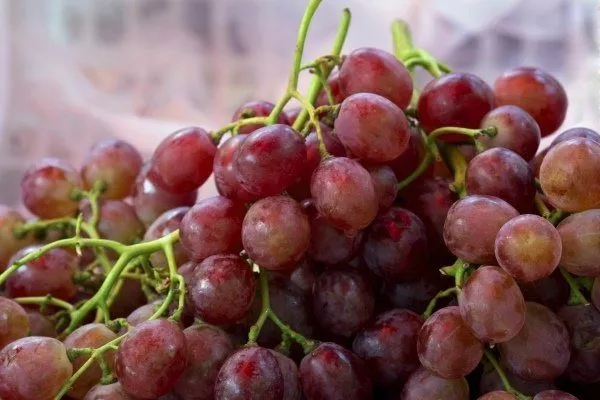
This grape variety was developed by breeders by crossing the wild Labrusca grape variety and the fungus-resistant Vinifera variety. Lydia mid-season variety and ripens in approximately 155-158 days.
Characteristics of the variety:
- small bunches – 100-110 grams;
- the shape of the bunch is cylindrical, the density is loose;
- berry is oval-round in shape;
- berry weight – 3-4 grams;
- the color of the berries is pinkish-purple;
- strawberry taste, sweet;
- sugar content – 18-19%.
Lydia's advantages include high yields, disease immunity, frost resistance, and suitability for transportation. Disadvantages include lack of immunity to phylloxera, susceptibility to leaf drop, and the development of chlorosis in soils with low iron levels.
Muromets
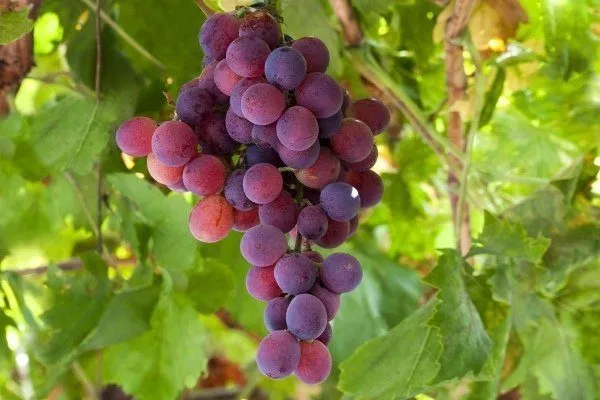
Muromets was developed in 1962 by crossing the Pobeda and Severny varieties. It is a table variety and received its name for its strong, rapid growth and high fertility. It is distinguished by its early ripening period—up to 120 days.
Characteristics of the variety:
- leaves are five-fingered, grey-green;
- the size of the bunches is average - about 400 grams, but there are also some weighing 1 kg;
- berry shape – oval;
- the color of the berries is pinkish-purple;
- the flesh is crisp and meaty;
- The taste is pleasant, with a nutmeg aftertaste.
This variety has a long shelf life, tolerates transportation well, and can withstand temperatures down to -25-26°C. It has moderate resistance to pests and diseases, for example, being resistant to mildew but susceptible to powdery mildew.
New Russian
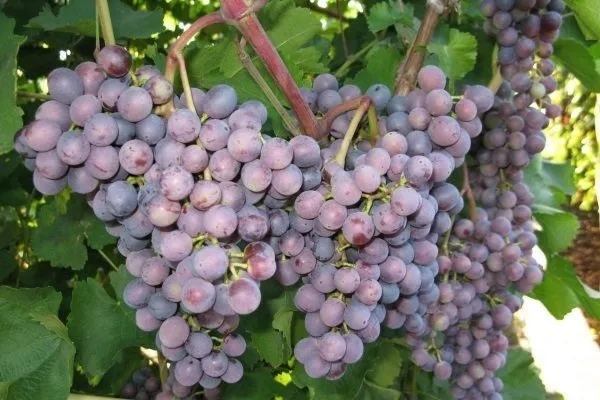
This variety was created by crossing the Russkiy Ranniy and Amurskiy varieties. It was developed by breeder A.I. Potapenko. The Novyi Russkiy variety ripens early, maturing in 110-115 days.
Characteristic:
- the size of the bunches is average, weighing 300-500 grams;
- the shape of the bunches is conical, of medium density and looseness;
- the berries are also medium-sized, weighing 3-4 grams;
- the shape of the berries is round or slightly oval;
- berry color – pink;
- taste – delicate and soft;
- sugar content – 22%.
It's frost-resistant, but before winter, it's best to cover the soil around the roots and fruit-bearing branches. The New Russian is also disease-resistant.
Original
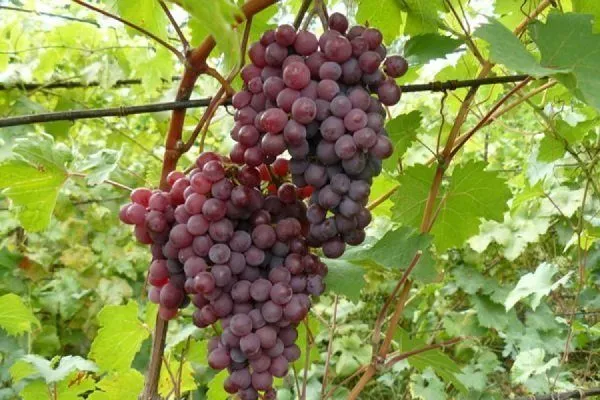
This variety was developed by Odessa breeders and has a mid-late ripening period of 135 days. It is considered vigorous and resistant to various diseases and pests.
Characteristics of the variety:
- medium-sized bunches – 400-600 grams;
- the shape of the bunches is conical;
- berries can be large or very large;
- the shape of the berries is elongated-ovoid and nipple-shaped with pointed tips;
- berry color – white-pink and pink;
- The taste is simple, the skin is strong.
Platovsky
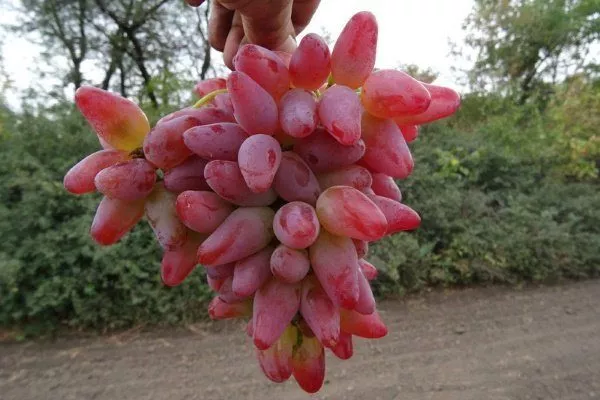
Is white? technical gradeIt was bred at the Ya. I. Potapenko Russian Research Institute of Viticulture and Winemaking by crossing the Zalalende and Podarok Magarach varieties. It fully ripens in 110-115 days. Amateurs also call this variety "Rannyaya Zorka."
Characteristics of the variety:
- the bunches are medium-sized, their weight is 220 grams;
- the shape of the bunches is cylindrical-conical;
- the weight of the berries is about 2.5 grams;
- the shape of the berries is round;
- color: white with a slight pink tint;
- the pulp is juicy, with a harmonious taste and strong skin;
- sugar content – about 20%.
Its advantages include unpretentiousness, frost resistance, stable fruiting even in unfavorable weather conditions, and resistance to many diseases.
Rusbol nutmeg
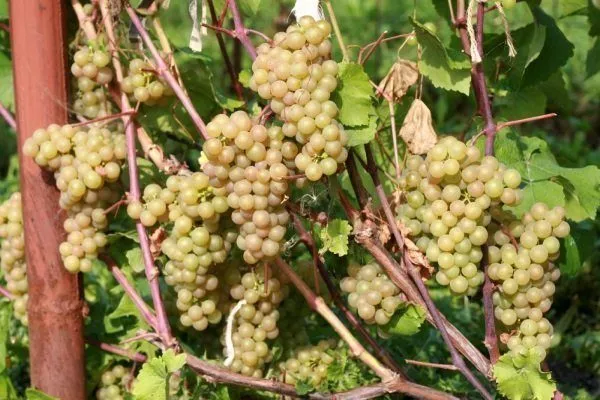
It is considered one of the most popular Siberian varieties and belongs to nutmeg groupIt was developed in 1972 using two varieties as a basis: Villard Blanc and Super Early Seedless. Since then, it has gained great popularity due to its ease of cultivation and care. It is considered an early-ripening variety, maturing in 120 days.
Characteristics of the variety:
- the clusters are large, of medium looseness;
- the shape of the bunches is oval;
- the weight of one bunch ranges from 600 to 1000 grams, but there are cases when the brushes grow smaller in size - 400-500 grams;
- the berries are small, weighing about 3 grams;
- berry color – white-yellow;
- the taste is sweetish.
The variety's advantages include high immunity, frost resistance, and productivity. Its drawbacks include its overly congested branches, requiring constant monitoring.
Super Extra
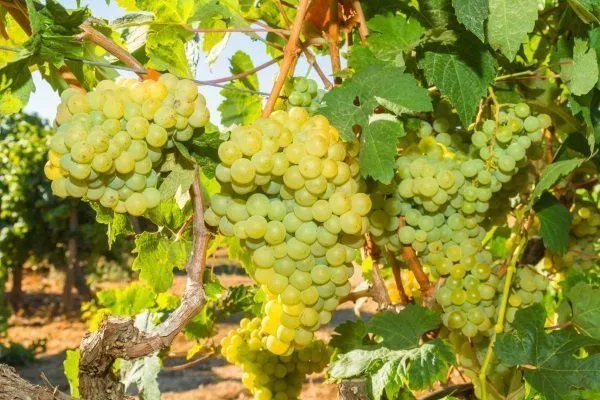
The variety was developed by Novocherkassk breeder E. G. Pavlovsky by crossing two varieties: Talisman and Cardinal. It ripens early, in 95-105 days. A single vine can yield up to 25 kg of grapes.
Characteristics of the variety:
- leaves are dark green, five-fingered;
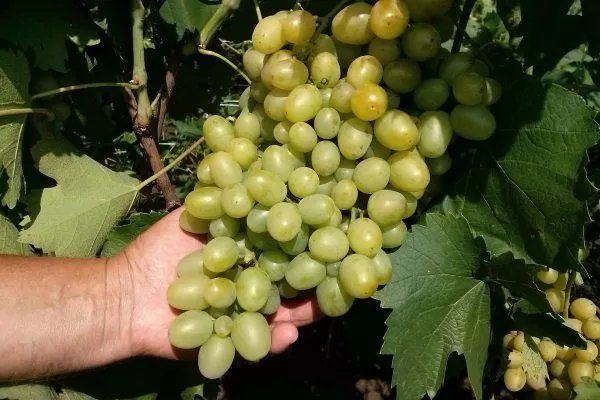
- the bunches are large, weighing 500-1500 grams, moderately loose;
- the berries are medium-sized and can weigh between 2 and 12 grams;
- the berry is egg-shaped, slightly elongated;
- the color is light, with an amber tint when fully ripe;
- The grapes have a simple taste with a pleasant aftertaste.
The advantages of Super Extra include high yields and frost resistance, allowing it to be grown across 80% of the country's territory. This grape is resistant to fungal diseases, has an attractive appearance, and tolerates transportation well.
This variety has a rather tough skin, which grape lovers consider a disadvantage. Other disadvantages include the fact that the berries grow in a wide variety of sizes and weak resistance to phylloxera.
Tason
The Tason variety is a hybrid of the Italia and Zarevoy varieties. Tason is a Muscat variety, suitable for ripening in the Moscow and Leningrad regions. It ripens early, in 110 days.
Characteristics of the variety:
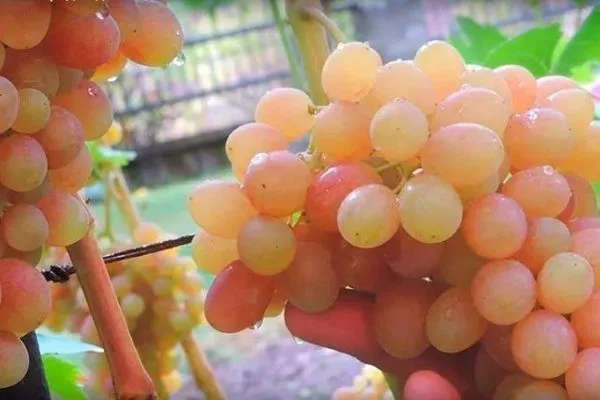
- the size of the bunches is large, weight is 800 grams, and with proper care, it can reach 1 kilogram;
- the shape of the bunch is conical;
- leaves are round, dark green;
- medium-sized berries – 6 grams;
- the shape of the berries is oval, the color is light pink;
- the grape pulp is sweet, crisp and juicy;
- sugar content about 20%.
The advantages include a high level of transportation, resistance to both hot, dry conditions and sub-zero temperatures (down to -20).
Among the disadvantages, grape lovers note its thick skin, as well as its tendency to suffer from various fungal diseases, which is why preventative measures are necessary.
Ukrainian
Table variety It was bred by crossing the Nimrang and Zhemchug Saba varieties. Its other name, Lesya Ukrainka, is named after the famous Ukrainian writer. Ukrainka ripens early, reaching maturity in 115-125 days.
Characteristic:
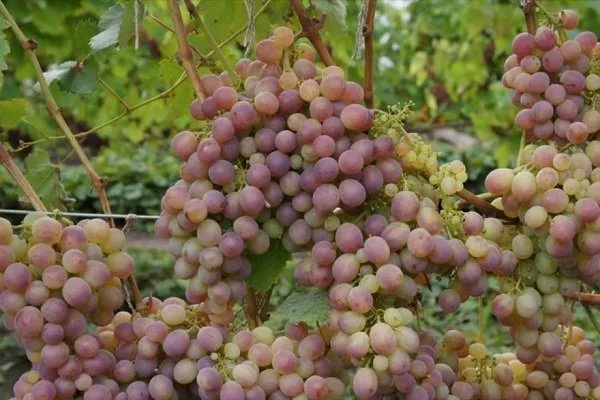
- the size of the bunches is average, weight – 200-300 grams;
- the shape of the bunches is conical or cylindrical-conical;
- leaves are three-lobed, medium-sized, rounded;
- the berries are small – 2.5-3 grams;
- color – pink with a purple tint and a waxy coating;
- the pulp is fleshy and juicy with a nutmeg flavor;
- sugar content – 15-18%.
It's a frost-hardy variety, but still requires careful winter cover. Ukrainka is very transportable, and its yield is high and consistent. It's also disease-resistant.
Favor
Favor was bred by the breeder Kraynov as a result of crossing Kishmish radiant and TalismanIt reaches full maturity in 125-135 days, and the yield from one bush is 6 kg.
Characteristics of the variety:
- leaves are three-lobed, dark green;
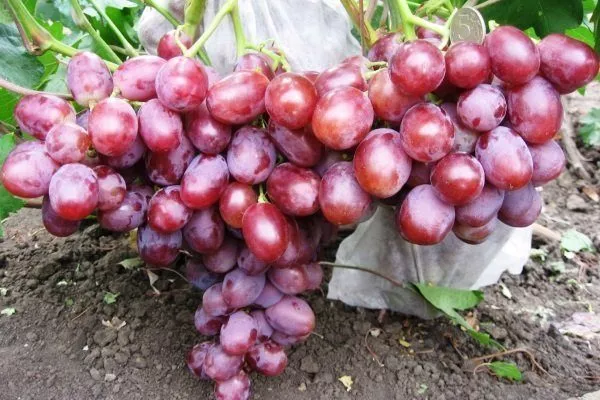
- the bunches are large, their weight can vary from 600 grams to 1 kg;
- the clusters have a conical shape;
- average density;
- the berries are large in size – there are specimens weighing up to 18 grams;
- berries are oval or slightly elongated;
- the color of the berries is dark red, which becomes simply red when fully ripe;
- The berry pulp is of medium density with a refined and harmonious taste.
Favor's advantages include high yields, disease resistance, excellent marketability, and transportability. Its disadvantages include a lack of research, as the variety was recently developed, and the risk of cracking from heavy rainfall.
Husayne Kelin Barmak
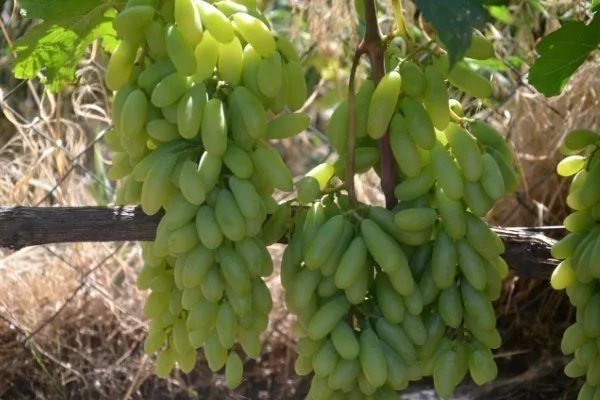
It is the result of the work of unknown breeders in Uzbekistan. Its name translates as "bride's finger," or, as it is also known, "lady fingers"The grapes are of medium ripening period – 150-160 days.
Characteristics of the variety:
- leaves are five-lobed, large;
- leaf shape – transverse-oval;
- the bunch is medium-sized, the weight can vary, but it was possible to grow up to 2 kg;
- bunch shape – cylindrical-conical;
- the berries are large, up to 10-12 grams;
- the shape of the berries is long with a saber-like bend and a pointed tip;
- the color of the berry is yellowish-green with an amber tint on the sunny side, and when fully ripe the berry becomes light green with a waxy coating;
- the pulp is melting, tender and juicy;
- the taste qualities are considered to be among the best among Asian grape varieties;
- sugar content – 18%;
- The tasting score of the variety is 9.2 points.
The variety is characterized by an average level of yield and transportability, which can rather be considered a disadvantage, as well as low resistance to powdery mildew and frost.
Tsimus
Tsimus is a seedless hybrid grape of the Kishmish group. It was developed by breeder O.M. Pysanka in 2015. The variety was a mutation of the Podarok Zaporozhye variety, which was pollinated with Veles pollen.
This selection contributed to the variety's acquisition of the paternal Kishmish genotype and the stability of the Vostorgova group. The name itself derives from words that describe the grape's flavor: citron and muscat. It is considered an extremely early variety, ripening in 85-90 days.
Characteristics of the variety:
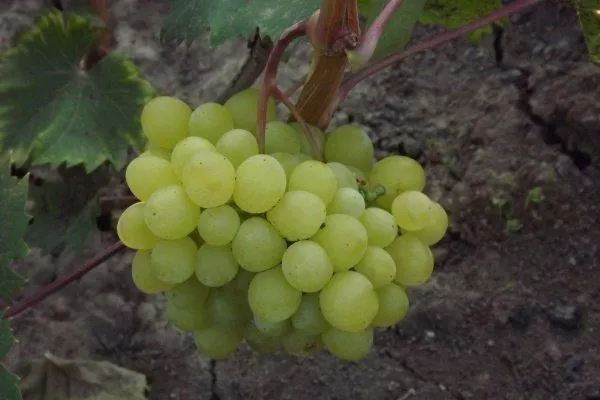
- large bunches weighing from 0.6 to 1.5 kg;
- the shape of the bunches is conical, the density is medium-loose;
- medium-sized berries, about 7-8 grams;
- the berries are oval in shape;
- color - white-green in the shade, and yellowish in good light;
- the skin is thin and easy to eat;
- the pulp is juicy.
Charlie
This table grape variety is one of the most undemanding of those grown in Russia. Amateur breeder E. G. Pavlovsky once again developed this variety by crossing Victoria and Nadezhda AZOS, resulting in Charlie. The variety ripens early, in 105-115 days.
Characteristics of the variety:
- the bunches are large – about 800 grams;
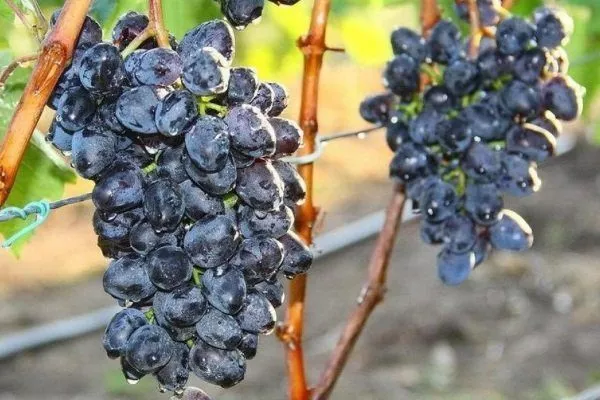
- the shape of the bunches is cylindrical;
- the size of the berries is medium, they weigh about 7-10 grams;
- berry shape – oval;
- the color of the berries is dark, almost black;
- the pulp is dense, with a pleasant taste with notes of nightshade, when the crop is fully ripened, the taste disappears;
- sugar content – 17-19%.
Charlie's advantages include its low maintenance, high frost resistance, and resistance to fungal diseases. The variety has a long shelf life without rot.
There are some drawbacks, too. Despite its high frost resistance, the variety still requires winter cover, and Charlie also requires crop rationing.
Chardonnay
It is a wine grape variety. It is grown in large quantities in the Champagne and Burgundy regions, but is also widely cultivated throughout the world, including in Russia.
It is believed that this variety arose from a cross between Pinot Noir and Gouais Blanc (which is now extinct). Its ripening time is average – 135-140 days. As a wine grape, Chardonnay is three-quarters juice.
Characteristics of the variety:
- the leaves are light green, five-lobed, round in shape;
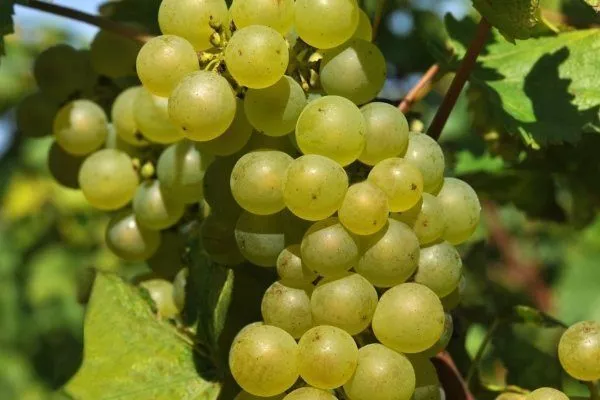
- the bunches are small, average weight is about 100 grams;
- the shape of the bunches is conical or cylindrical-conical;
- the density of the bunch is average;
- the berries are round, slightly elongated;
- they are quite large in size, the weight of one berry reaches 12-15 grams;
- the color of the berries is white-green, with a white waxy coating;
- the pulp is tasty and juicy.
Its advantages include drought tolerance, excellent winemaking quality, and moderate frost resistance. Its disadvantages include low yields, berry susceptibility to rot and cracking, and sensitivity to soil fertility.
Goldfinch
Schegol is a new hybrid grape variety developed by Luhansk breeder S.I. Kriulya by crossing Cardinal and Talisman. It ripens early, in 115-125 days.
Characteristics of the variety:
- the bunches are large – about 700 grams;
- the shape of the bunches is conical;
- medium-loose density;
- large berries – 16-18 grams;
- the shape of the berries is oval and ovoid;
- the color of the berries is dark red;
- pulp – fleshy, juicy;
- The taste is pleasant, there is a nutmeg aroma.
The variety is fairly resistant to various fungi and diseases, but its frost resistance is average.
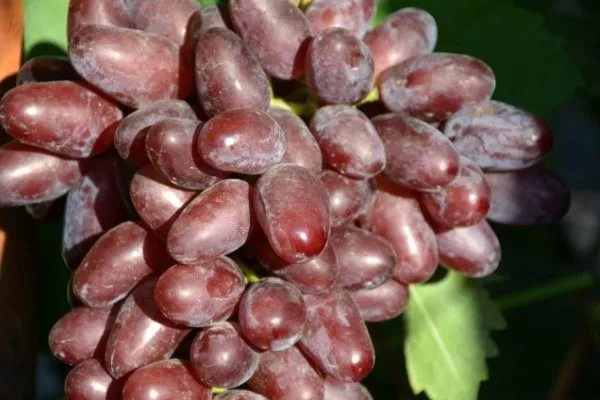
Esther
The variety originates in Hungary, and a common synonym for Esther is R65. It was developed by crossing Gloria, Queen of the Vineyards, and Muscat vinifera. Ripening time is 115 days.
Characteristics of the variety:
- the size of the bunches is average – 400-500 grams;
- the shape of the bunches is conical;
- medium density, slightly loose;
- berry shape – oval;
- the color of the berries is blue, almost black with a rich waxy coating;
- the pulp is juicy and fleshy;
- sugar content – 19%.
Its advantages include being virtually immune to diseases and parasites that grapes can encounter, resistance to frost and drought, and fungus, and being easy to care for.
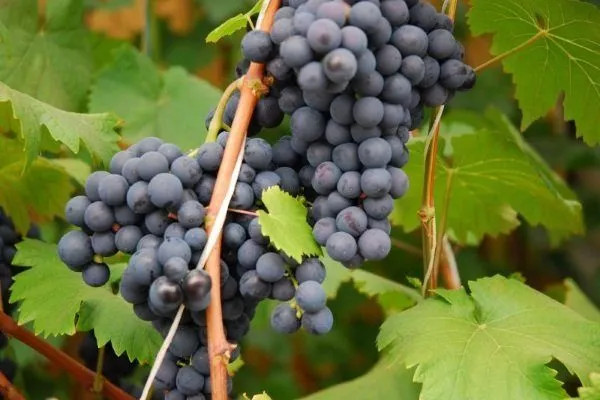
Julian
This variety was developed by an amateur breeder using two cultivars: Kesha and Rizamat. It is an early-ripening variety, fully ripening in just 95-105 days.
Characteristics of the variety:
- the bunches are large, loose – weight 700-1000 grams, but there are also those weighing up to 14.4-2 kg;
- the shape of the bunch is cylindrical-conical, sometimes shapeless;
- the berries are also quite large – the weight of one can reach 15-20 grams;
- the color of the berries is pink with a yellow tint, sometimes a lilac color is found;
- the flesh is crispy, the skin is thin;
- The taste is pleasant, there is a nutmeg aroma.
The variety is quite frost-hardy, surviving temperatures as low as -24-25 degrees Celsius. Also, thanks to its parent variety, Kesh, it has good immunity to certain diseases.
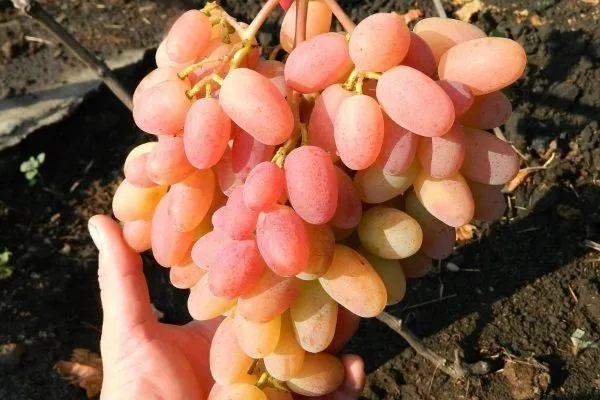
Yasya
This is a new hybrid form with an early ripening period, which was bred by crossing Rusven and Ogonyok Tairovsky.
Characteristics of the variety:
- the size of the bunches is average – 400-600 grams, sometimes up to 1 kg;
- the shape of the bunches is cylindrical, medium density or loose depending on pollination;
- the berries are small – 4-6 grams;
- the color of the berries is dark purple;
- the pulp is juicy and fleshy;
- harmonious taste.
The variety is frost-resistant, but requires shelter during the winter, and is also highly resistant to fungal diseases.
Summary table
| Variety | Term
maturation | Weight of bunches, kg | Weight of berries, g | Color of berries | Frost resistance | Resistance to diseases and parasites |
| Alyoshenkin | 110-118 | 0.5-2 | 4.5 | amber with a white coating | low | low |
| Victoria | 115-120 | 0.5-0.7 | 6-7.5 | red-crimson | high | high |
| Harold | 100 | 0.4-0.5 | 5-6 | amber-yellow | high | high |
| Demeter | 120-125 | 0.8-1.1 | 10-15 | green, white, yellowish | average | average |
| Yesenin | up to 130 | 0.5-0.8 | 6-8 | yellow-amber, with a pink tint | average | average |
| Pearl of Saba | 115 | 0.12 | 1 | golden green | low | low |
| Fun | 100-110 | 0.7-0.9 | 10 | dark blue | average | average |
| Isabel | 180 | 0.14 | 2-3 | black with a blue tint | average | low |
| Cardinal | up to 105 | 0.4-0.9 | 10-12 | red-violet | low | low |
| Lydia | 155-158 | 0.1-0.11 | 3-4 | pink-purple | high | average |
| Muromets | up to 120 | 0.4-1 | 5 | pinkish-purple | high | average |
| New Russian | 110-115 | 0.3-0.5 | 3-4 | pink | high | high |
| Original | 135 | 0.4-0.6 | 10-12 | white and pink, pink | high | high |
| Platovsky | 110-115 | 0.22 | 2.5 | white with a pink tint | high | high |
| Rusbol nutmeg | 120 | 0.6-1 | 3 | white and yellow | high | high |
| Super Extra | 95-105 | 0.5-1.5 | 2-12 | light with an amber tint | high | high |
| Tason | 110 | 0.8-1 | 6 | light pink | high | average |
| Ukrainian | 115-125 | 0.2-0.3 | 2.5-3 | pink with purple | average | high |
| Favor | 125-135 | 0.6-1 | up to 18 | dark red | not fully studied | high |
| Husayne Kelin Barmak | 150-160 | 0.5-2 | 10-12 | yellowish-green | low | low |
| Tsimus | 85-90 | 0.6-1.5 | 7-8 | white and green | high | high |
| Charlie | 105-115 | 0.8 | 7-10 | almost black | high | high |
| Chardonnay | 135-140 | 0.1 | 12-15 | white and green | average | average |
| Goldfinch | 115-125 | 0.7 | 16-18 | dark red | average | high |
| Esther | 115 | 0.4-0.5 | up to 5 | blue | high | high |
| Julian | 95-105 | 0.7-1 | 15-20 | pink with yellow | high | average |
| Yasya | 85-105 | 0.4-0.6 | 4-6 | dark purple | average | high |
- ✓ Consider the climatic conditions of your region when choosing a variety.
- ✓ Pay attention to the variety’s resistance to diseases and parasites.
- ✓ Consider the purpose of growing grapes (for wine, juice, fresh consumption).
The diversity of varieties (there are over 30,000 of them) and their characteristics allow a gardener or viticulturist to grow what best suits their needs and abilities. Grapes are a versatile berry that can be used for wine making, juices, compotes, jams – everyone will find something to suit their taste.