
Somerset Seedless grapes are a popular choice among gardeners due to their frost hardiness, disease resistance, and excellent flavor. This variety produces abundant yields, with clusters ideal for both fresh consumption and winemaking. Growing them requires little effort, as long as simple care guidelines are followed.
History of selection
It was developed through careful selection and crossing of various garden plant species by an American specialist named Elmer Swanson. He combined the best characteristics of its parents, resulting in a variety with high aesthetic and culinary qualities.
Description of the variety
It grows as a medium-sized bush that requires little care. The vine is characterized by thin, long shoots with good ripening potential.
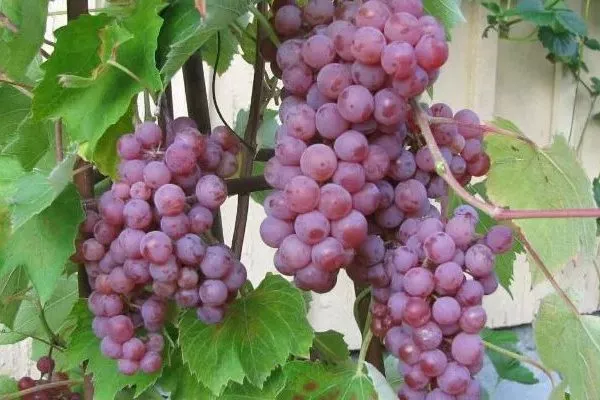
Fruit characteristics:
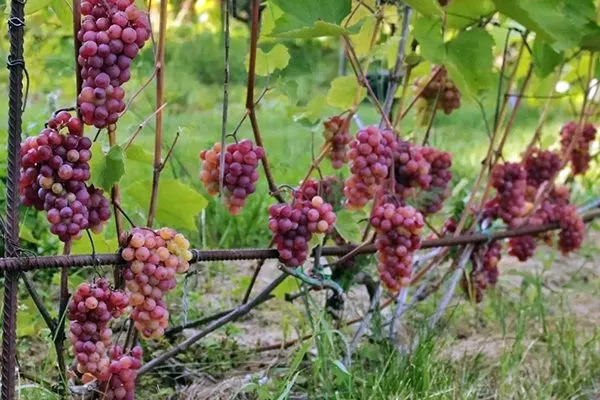
- The bunches are small, weighing from 150 g to 250 g on average, but in warm southern regions under favorable conditions they can reach a weight of up to 450 g.
- The berries are small, round, weighing only 2 g, with a thin but strong skin that does not crack.
- They have a rich pink color with a slight bluish tint.
- The aroma is strong, bright and fruity.
- The pulp is tender, juicy, with pronounced notes of strawberry.
- The taste is harmonious, reminiscent of dessert.
The sugar content reaches 21%. The brushes attract wasps, bees, and birds.
Characteristics
It has become widespread not only in its native United States but also in many other countries. In Russia, it is often grown in northern regions, where it thrives and produces fruit even without additional shelter.
Drought resistance, frost resistance
It responds favorably to regular watering but does not tolerate prolonged droughts. It is not susceptible to cold and can survive winter without additional shelter at temperatures down to -34°C.
Resistance to diseases and pests
It has strong immunity to major diseases. It is not affected by mildew, oidium, or gray mold. Even if the fungus gets on the vine, it does not spread, and the damaged berries simply dry up and fall off, without harming the rest of the crop.
Ripe grapes can be vulnerable to attack from wasps, birds, and grape budworms. While grape budworms can be controlled with preventative insecticide treatments, controlling wasps and birds can be more challenging.
Pollination, flowering period and ripening time
It has bisexual flowers and requires no additional pollination. It is an early-ripening variety, with harvesting beginning as early as early August. Early flowering helps protect the berries from potential frosts. The bunches ripen unevenly, allowing ripe grapes to be harvested well into autumn.
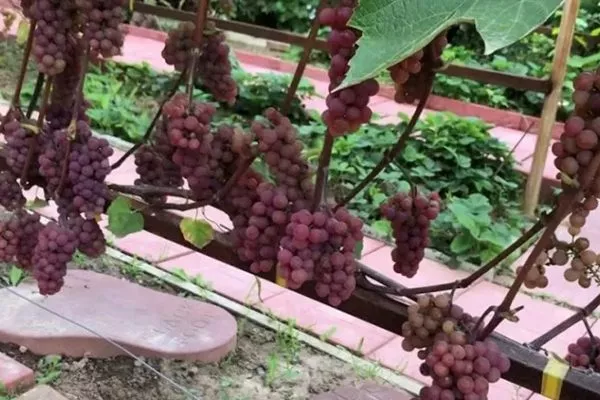
Productivity, fruiting
It has a medium yield, but with proper care, a single bush can yield 10 to 15 kg, sometimes even more. This depends on the age of the plant: the older the vine, the more abundant the harvest. For example, some gardeners have reported harvesting around 16-18 kg from a 5-year-old vine.
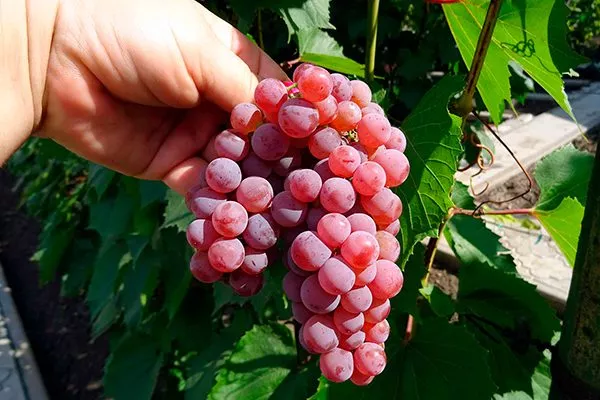
Application of fruits
They are seedless, making them ideal for raisin production. Their dessert-like caramel flavor makes them ideal for eating fresh. They are excellent for making preserves, compotes, jams, homemade rosé wine, and juice. Their firm, durable skin significantly increases the shelf life of fresh berries.
Chemical composition of fruits
Pink grapes are recommended for those with hypertension and migraines. Moderate consumption of fresh grapes can help cleanse the liver and lower blood cholesterol.
The chemical composition per 100 g looks like this:
- Proteins: 0.75 g.
- Ascorbic acid: 0.10 g.
- Mono- and disaccharides: 15.5 g.
- Carbohydrates: 17.6 g.
- Vitamin B4: 0.56 g.
- Fiber: 1.6 g
- Fat: 0.16 g.
- Water: 81 g.
- Ash: 0.5 g.
- Potassium: 1.9 g.
- Sodium: 0.2 g.
- Choline: 0.56 g
- Magnesium: 0.7 g.
Other minerals and vitamins are present in small quantities. The caloric value of fresh berries is 68 kcal/100 g.
Advantages and disadvantages of the variety
This easy-to-grow variety has earned recognition from experienced gardeners. It boasts numerous advantages:
Growing rules
The hybrid thrives in a variety of soils, but fertile, light soils are preferred. Follow the recommendations.
- ✓ Soil pH should be between 5.5-7.0 for optimal growth.
- ✓ The depth of the fertile layer is at least 60 cm for the development of the root system.
Timing and seasonality
In warmer regions, planting is done in the fall, and in colder climates, the procedure is postponed until spring. The soil should warm to 10°C, before the sap begins to flow. Fall planting is best done in late September. This will ensure better establishment of the seedlings.
Choosing a suitable location
Choose a sunny, sunlit location, protected from wind and drafts. Groundwater levels should be low. Gentle, south-facing slopes are ideal.
Neighborhood with other cultures
It grows well next to cherries, apples, currants, roses, beets, spinach, and lemongrass. It should not be planted next to cucumbers, cabbage, carrots, corn, potatoes, tomatoes, gooseberries, and raspberries.
- ✓ The presence of at least three well-developed roots at least 15 cm long.
- ✓ No signs of disease on the bark and leaves.
Preparatory activities for the seedling
Choose healthy, high-quality seedlings from reputable suppliers or nurseries. They should have a well-developed root system and be free of visible damage. Both ready-made seedlings and cuttings for propagation are suitable.
When using cuttings, ensure they are taken from healthy plants. Before planting, inspect the planting material for diseases, damage, or infections. Remove any damaged or diseased parts, trim the roots back to healthy tissue, and discard any dead roots.
Site preparation and planting
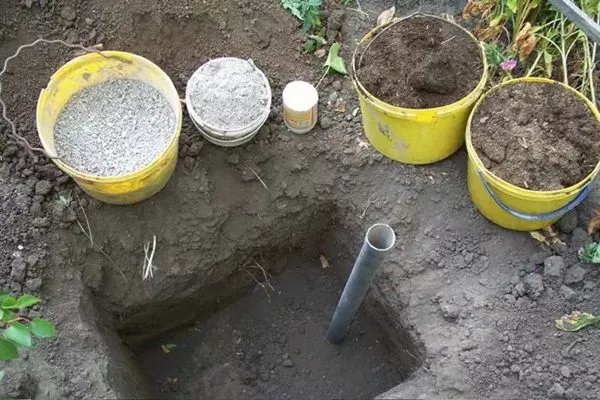
Prepare the planting site in advance, a month before planting. Fill a hole 80 cm deep and the same width with a mixture of soil, potassium salt, superphosphate, and ash. After the soil warms in the spring, place the seedling's roots on a small mound of earth, ensuring the root collar is level with the soil.
Watering
Watering plays a crucial role in the successful growth of plants. Maintain a regular watering schedule, especially during dry or hot periods. Monitor weather conditions and the needs of the plants. Water in the morning to allow the plants time to dry by evening.
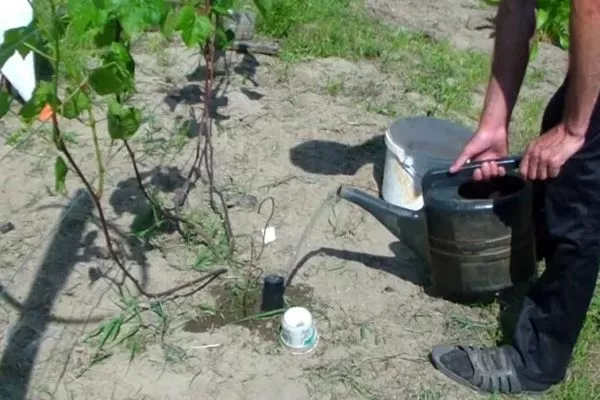
Avoid overwatering the soil, as this can lead to root rot. Maintain a moderate moisture level. Ensure even distribution of moisture throughout the plant's root zone using drip irrigation or a sprinkler hose.
Mulching the soil will help retain moisture, preventing rapid evaporation and reducing the need for frequent watering. During the fruiting period, it's especially important to ensure sufficient moisture to ensure a high-quality harvest.
- In spring: apply 50 g of nitrogen fertilizer per bush.
- In summer: 30 g of potassium fertilizer to maintain fruiting.
- In autumn: 40 g of phosphorus fertilizers to prepare for winter.
Feeding scheme
To ensure successful growth and development of Somerset Seedless grapes, fertilize them with essential nutrients. At the beginning of the growing season in spring, apply organic fertilizers such as humus or compost to enrich the soil.
During the period of active growth and berry formation, use mineral fertilizers containing nitrogen, phosphorus, and potassium. This will help support healthy plant growth and fruit development. After harvesting in the fall, apply a phosphorus-potassium fertilizer to prepare for winter.
Pruning and shaping the bush
Pruning and shaping grapevines are key to ensuring healthy growth and fruitful harvests. Pruning is typically done in the spring before the growing season begins or in the fall after harvest. Remove old, diseased, or damaged shoots to encourage new growth and improve air circulation within the vine.
Choose suitable support, such as a trellis or arches, to ensure proper plant distribution and ease of maintenance. Gradually shape the bush, guiding shoots in the desired direction and pruning excess branches to maintain order.
Preparing for winter
The hybrid is highly frost-resistant, allowing it to be grown outdoors without additional winter cover. However, in colder regions, young plants may be susceptible to frost. Use burlap, spruce branches, and slate to cover the seedlings.
Prevention and protection from pests and diseases
Take important preventative measures. Follow these recommendations:
- Inspect your plants regularly for signs of disease or pests.
- If you find any affected leaves, branches or trusses, remove them immediately to prevent the spread of infection.
- Use special preparations against diseases and pests.
- Provide regular soil care to maintain soil fertility and drainage, which promotes healthy plants.
- Proper fertilization will help strengthen plants' immunity and make them more resistant to disease.
Taking these steps will help prevent disease and protect Somerset Seedless from pests, ensuring healthy growth and a good harvest.
Harvesting and storage
Harvest ripe clusters in dry weather. After harvesting, carefully remove leaves and other debris from the clusters. Store in a cool, humid location, where the temperature remains between 0 and 4°C.
Store the harvest in plastic containers or bags with holes for air circulation. Depending on storage conditions, shelf life can range from a few days to several weeks. Monitor the condition of the berries and remove any damaged or overripe ones to prevent spoilage.
Gardeners' reviews
Somerset Seedless has gained widespread popularity among amateur gardeners and experienced winegrowers. Its popularity is due to its high frost resistance and excellent flavor. Growing grapes in your own garden requires little effort if you follow simple guidelines.