
Senator grapes are one of the most delicious Muscat varieties. This table grape has a pleasant flavor and is easy to grow, making it suitable for both gardens and large plantations.
Description of the Senator variety
The Senator variety is an early-to-mid-season variety with vigorous growth. It features bisexual flowers, lush green leaves, and a strong, fast-ripening vine.
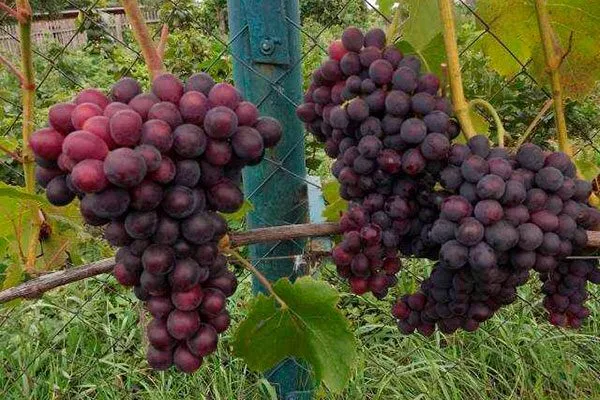
Berries
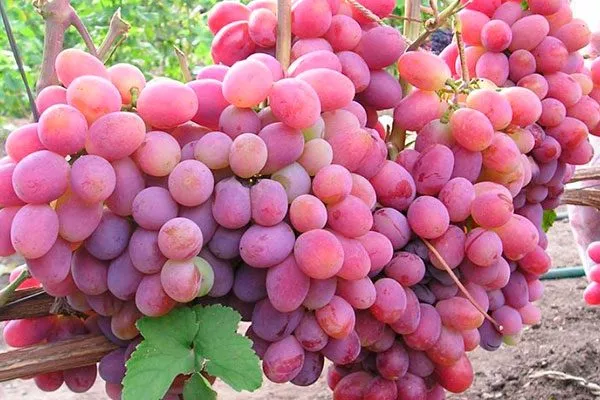
The fruits are large, with dense skin and fleshy, juicy pulp. The berries are dark red or reddish-brown-purple in color. The fruit is oval in shape. The average weight is 12 g. Each berry contains 2-3 seeds.
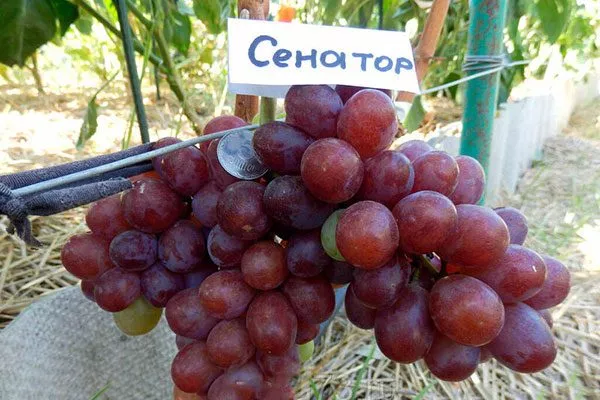
Clusters
The Senator grapes have very large, dense, conical clusters. The clusters are medium-dense, weighing 700-750 g on average.
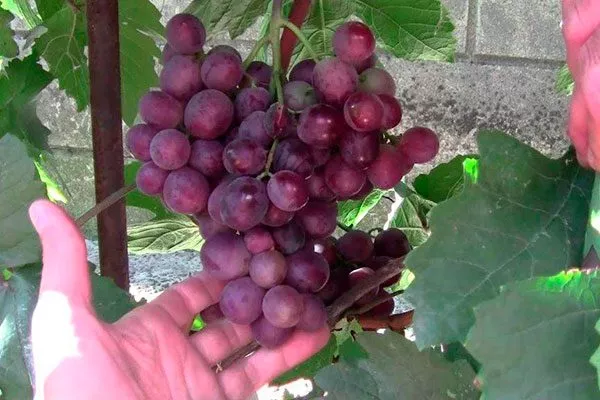
Taste
Ripe fruits have a harmonious flavor with a muscat flavor. Sugar levels in ripe berries reach 17-19%, with an acidity of 6-7 g/dm3. Even when ripe, the fruits do not fall off, maintaining their flavor and marketability for a long time.
How was the variety developed?
The Senator variety is a hybrid and is considered relatively new. It was bred in Novoshakhtinsk. The author is E. G. Pavlovsky. The belief that the variety was developed in Moldova is erroneous. Two varieties were used for breeding: Podarok Zaporozhye and Shokoladny (PG-12).
There's another grape variety with a similar name—Senator (from Burdak). It has larger berries, a beige color, and a subtle muscat flavor.
Characteristics
The Senator grape variety has fairly good agronomic characteristics, allowing it to be successfully grown both in amateur gardening and on an industrial scale.
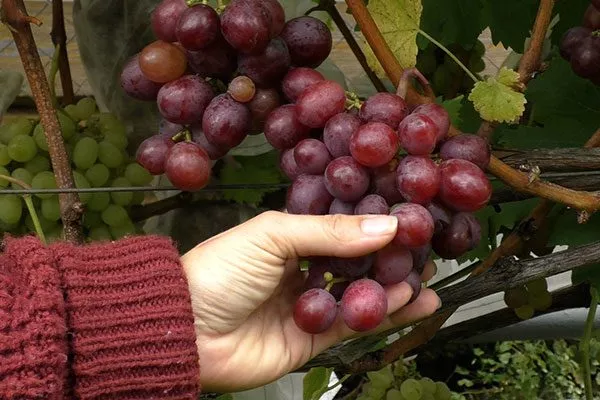
Frost and drought resistance
The Senator variety tolerates frost fairly well, but requires shelter in regions with harsh winters. Without insulation, this grape can withstand temperatures down to -23 to -24°C.
Productivity
The Senator variety produces high yields. Under favorable conditions, a single vine can yield 8-10 kg of grapes. An average of 8-10 tons is harvested per hectare. Birds prey on the ripe fruit. To prevent loss of some of the harvest, a rigid fence is installed. In the south of the country, the fruit ripens in late August or early September.
Disease resistance
The variety is resistant to mildew and oidium. There is a small risk of developing bacterial canker, which can destroy the entire vineyard. There is no cure for this disease; only prevention can help.
It's important to feed the vines regularly and use disinfected tools. It's also important to ensure good ventilation—there shouldn't be any stagnant air.
Pros and cons
The Senator grape from Pavlovsky was developed relatively recently, but has already become a favorite among gardeners. This variety has many advantages, but it is not without its drawbacks, which it is advisable to be aware of before planting it in your garden.
Landing features
To ensure the Senator grapevine takes root, grows, and develops well, it's important to plant it correctly.
- ✓ The presence of at least three well-developed roots at least 10 cm long.
- ✓ No signs of fungal diseases on the bark and leaves.
- ✓ The water temperature for rooting should be no lower than +20°C and no higher than +25°C.
- ✓ The lighting for the cuttings should be diffused, without direct sunlight.
Landing features:
- Selection of planting material. When purchasing cuttings and seedlings, pay attention to the quality of the bark and roots. They should be free of swellings, growths, spots, and other signs of disease.
- Rooting cuttings. The work begins in February and continues until March. Healthy, green cuttings are used, with the first bud located approximately 2 cm from the bottom cut. A cross-shaped cut is made at the base, from which the roots will later grow.
The cuttings are placed in a jar with damp cotton wool at the bottom. Water is added as needed, making sure not to let the cuttings dry out. Rooting takes about two weeks. - Planting cuttings in pots. When the roots reach 0.5 cm in length, they are transplanted from the jar into planting pots, which are filled with a soil mixture prepared from humus and sand (2:1).
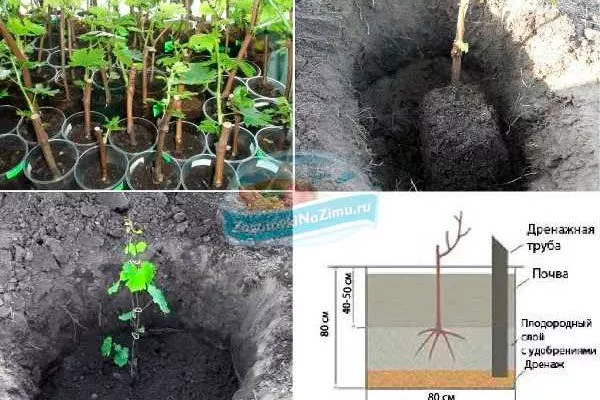
- Transplantation into open ground. Trenches or holes are dug for seedlings. The dimensions of the pits are 60 x 60 cm, and the depth of the trenches is 60 cm. The holes are prepared in the fall if planting is planned for spring. The minimum preparation time is two weeks before planting.
- Arrangement of the pit. In areas with high groundwater levels, a drainage layer is essential. This is made from expanded clay, crushed stone, or broken brick. Sand is added on top of the drainage layer, followed by fertile soil mixed with organic matter (compost, humus) or mineral fertilizers.
- Preparing seedlings. Before planting, soak the roots in water for 24 hours. A small amount of potassium permanganate can be added. You can also soak the root system in a growth stimulant (Kornevin or Epin). Just before planting, trim the roots slightly, removing any damaged shoots.
- The landing process. The seedling is placed in the center of the hole and the roots are covered with soil layer by layer, compacting it periodically. The soil is carefully compacted, and then the planted grapes are watered with warm, settled water.
Features of cultivation
Senator grapes aren't particularly demanding or fussy, and they require standard care. However, there are a few things to pay special attention to.
Features of caring for Senator grapes:
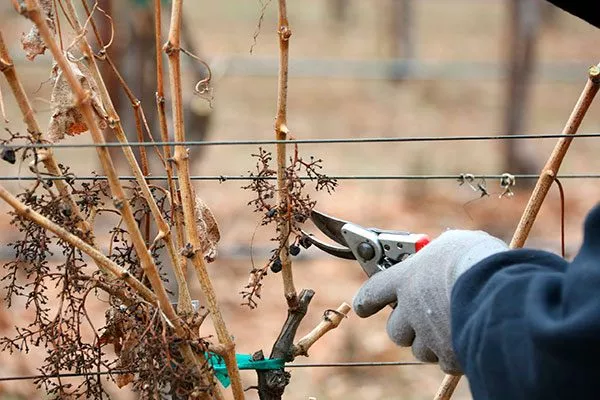
- Trimming. Vigorous Senator bushes require this type of pruning. It is recommended to use long pruning, removing 8-20 buds, or medium pruning, removing 5-6 buds. Excess branches are trimmed in the spring when the buds open.
At the end of summer, the vines are pruned to promote shoot maturation. Pruning is done from the top, at a depth of 20-30 cm. Two full-grown vines are sufficient to form a bush; all other shoots are removed.

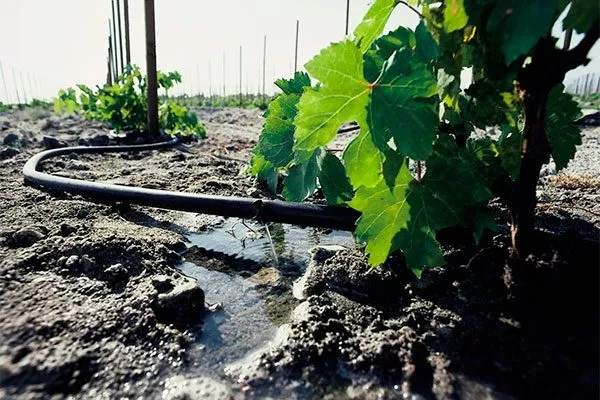
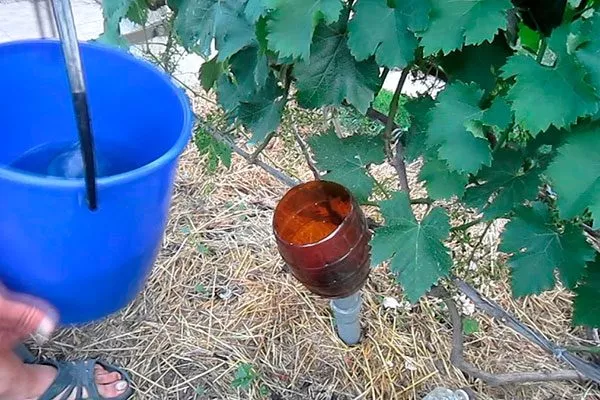
- Watering. The recommended watering frequency is once a week. In hot weather, water twice as often. The soil should remain moist. Water at the roots, being careful not to splash onto the leaves, as this can cause sunburn.
- Top dressing. Organic matter, such as rotted manure or chicken manure, is recommended for these plants. Fertilizers are applied three times a year, simultaneously with watering. The first application is in the spring, immediately after removing the covering materials, the second before flowering, and the third during the initial stage of cluster formation. In addition to organic matter, mineral fertilizers can also be used.
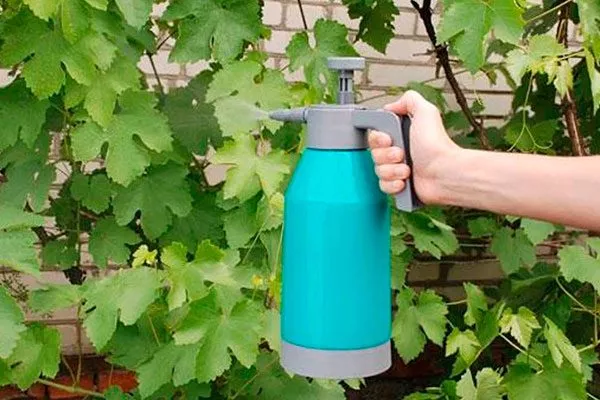
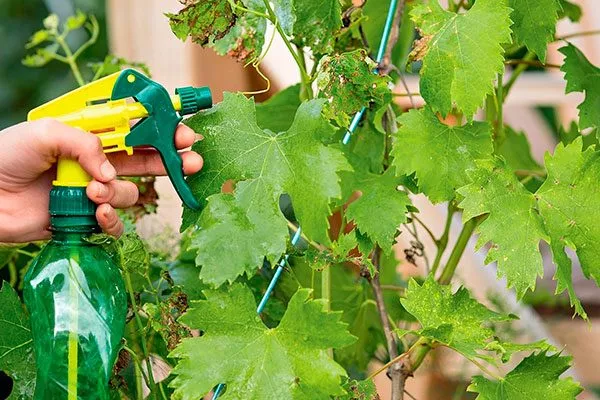
- Prevention. Despite its high resistance to disease, Senator grapes require treatment several times per season. It is recommended to use Bordeaux mixture for spraying, as well as fungicides such as Topaz, Ridomil Gold, or similar products.
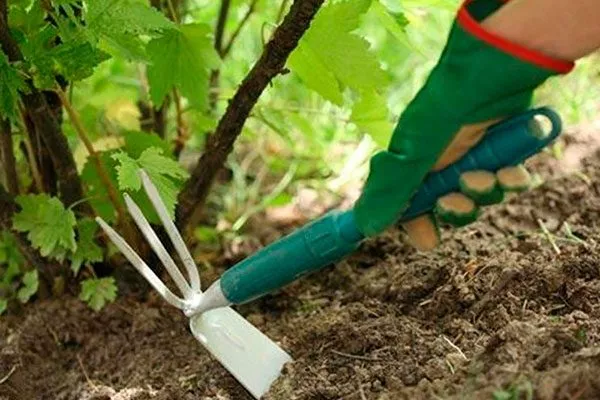
- Loosening. The soil is regularly loosened, while simultaneously controlling weeds. This is done after watering and rain to ensure the roots always receive sufficient oxygen. The optimal loosening depth is 5-6 cm. In spring, the depth is increased to 20 cm—it is necessary to deeply loosen the compacted soil after wintering. Mulching helps reduce the amount of loosening and weeding.
- Arrangement of a shelter. When the temperature drops to -5°C, the vines are removed from the trellises, tied, and laid on the ground, previously covered with straw or boards. The laid vines are covered with a mixture of sand and sawdust, spruce branches, and burlap. Covering material can also be stretched over the arches. The most economical option is to bury the vines in the ground.
The Senator grape, bred by Pavlovsky, may not look as attractive as its competitors, but it boasts an excellent muscat flavor and excellent immunity. Growing it is not difficult if you follow all the proper agricultural practices regularly and on time.