
Ruslan grapes are very popular among gardeners with both minimal and extensive experience. Their frost resistance, drought tolerance, large clusters, and aromatic, harmonious flavor make them an excellent choice for cultivation. Proper care is essential for a regular and abundant harvest.
History of selection
It was developed by amateur breeder V. V. Zagorulko from Zaporizhzhia, Ukraine. It was created by crossing the Kuban and Podarok Zaporizhzhia varieties. The new hybrid has received recognition and won prizes at numerous exhibitions both domestically and internationally.
Description of the variety
It belongs to the table grape category and is characterized by an early ripening period. It possesses many positive characteristics, which makes it popular.
| Name | Disease resistance | Frost resistance | Ripening period |
|---|---|---|---|
| Ruslan | High | Up to -24°C | 110-115 days |
| White Miracle | Above average | Up to -25°C | 105-110 days |
| Pharaoh | Average | Up to -23°C | 120-130 days |
Bush formation
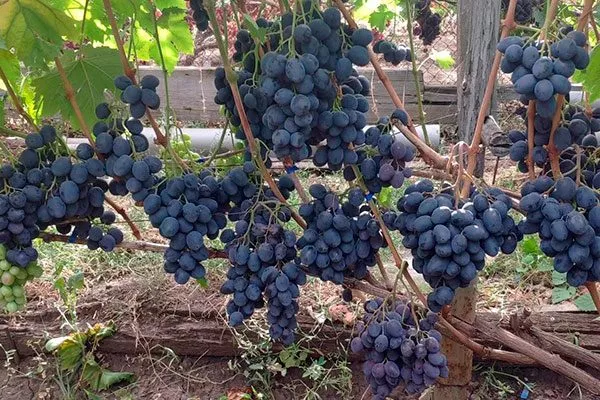
It stands out for its vigorous, tall, and fast-growing vines. By the end of the season, they acquire a chocolate hue with dark red nodes. The shoots are strong and require constant support. The leaves are large and abundant, bright green, and rounded.
Clusters and berries
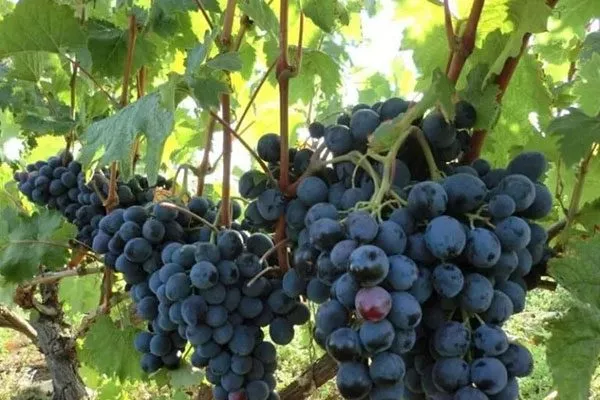
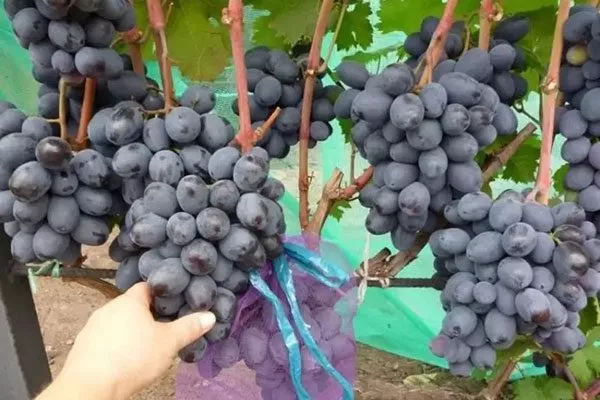
The clusters are distinguished by their perfect conical shape and impressive weight. The average weight is around 700 g, but can sometimes reach 1.2 kg. A distinctive feature is the absence of small fruits. When ripe, they acquire a black-blue color with a matte finish.
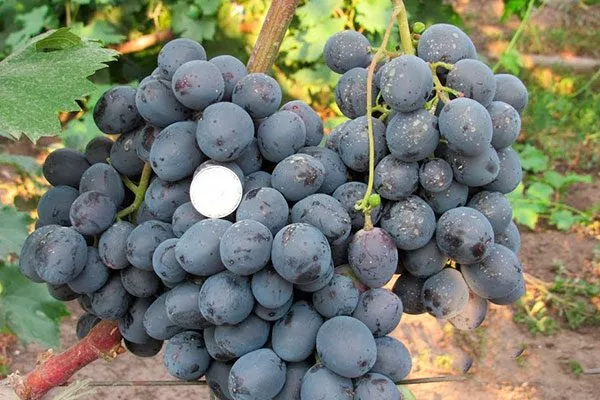
Individual grapes can weigh up to 20 grams, while the average weight ranges from 14 to 16 grams. Each grape contains up to two seeds. The grape is oval in shape and covered with a dense but thin skin.
Taste indicators
A fruity, plummy aftertaste is a characteristic feature of this variety. It lends the fruit a special charm and makes them memorable.
Hybrid characteristics
Popular among many gardeners, its ease of care, excellent flavor, and large size make it a preferred choice.
Commercial qualities
This cultivar is of interest to fruit growers. Its large fruits, which always increase in size when crossing white and blue varieties, attract buyers. The fruits are highly resistant to mechanical damage and easily travel long distances.
Drought resistance
It prefers moderate moisture, so it's important to consider the soil conditions when planting and watering. It's not recommended to choose sites with a high water table, as excess moisture will negatively impact growth and fruiting.
Frost resistance
It is frost-resistant to -25°C. It overwinters successfully without additional insulation, but in areas with harsher winters, where temperatures can drop below -23-25°C, it is necessary to provide adequate shelter, especially in the first few years after planting.
Resistance to diseases and pests
It is characterized by strong immunity to most diseases common to the crop, particularly powdery mildew and mildew. It is rarely attacked by pests. This is only possible if all agricultural practices and measures are followed.
Pollination, flowering period and ripening time
This self-pollinating variety ensures consistent annual fruiting of the vines, regardless of weather conditions. Technical maturity occurs around mid-August, and the time from budding to harvest ranges from 105 to 120 days. In warmer southern regions, the clusters ripen earlier.
Productivity, fruiting
It is distinguished by its high yield. A single shoot can produce up to three clusters of good size and weight. Berry ripening is approximately 75-80%.
Application of fruits
Suitable for fresh consumption, various desserts, baked goods, and beverages. Various uses are possible:
- Preparation of jam, jellies and compotes.
- Add to salads and fruit desserts.
- Use as a filling for pies, pastries and other baked goods.
- Preparation of wine and other alcoholic beverages.
The fruits are often used to garnish dishes and drinks. They look stunning on a festive table and add a sophisticated touch to dishes.
Composition and beneficial properties of fruits
It has soft flesh and a small number of seeds, so the flavor lacks the bitterness associated with other varieties. The pulp is rich in nutrients: vitamins B, C, K, and P; and various micronutrients and minerals (chromium, cobalt, magnesium, zinc, manganese, and cobalt).
The bunches contain organic acids, hormones, and protein in small quantities. The sugar content is 18%, and the acidity is 6.5 g/l.
It is used in the treatment and prevention of various diseases, including urinary tract disorders, anemia, and digestive disorders. It helps speed up metabolic processes.
Positive and negative qualities of the variety
Before planting a crop on your plot, evaluate its positive and negative qualities.
Planting and care features
This easy-to-grow hybrid requires no special planting or care skills. Following a few guidelines will ensure a bountiful harvest of delicious and nutritious fruits. Follow these recommendations:
- Selecting a site. Sunny, well-ventilated areas with fertile soil are preferred. Avoid planting seedlings near groundwater or in marshy areas.
- Site preparation. Before planting, dig up the soil and add mineral and organic fertilizers. Wood ash is especially beneficial.
- Planting seedlings. Plant the plants in late April or early May (or October in southern regions). The planting holes should be 80-90 cm deep and 80 cm in diameter. Place a drainage layer at the bottom, then fill with a mixture of fertile soil, humus, and mineral fertilizer.
The roots should only be in contact with clean, fertile soil. - Watering and care. Provide regular watering, especially during the ripening period. Periodically loosen the soil around the bushes and remove weeds.
- Trimming. Prune in the fall and spring. Fall pruning involves removing old and damaged shoots, while spring pruning involves shortening the vines by 6-8 buds.
- Shelter for the winter. In regions with cold winters, cover plants for the winter. To do this, bend the bushes to the ground and cover them with straw, spruce branches, or special covering material.
- Crop yield regulation. To obtain large and sweet clusters, regulate the yield by rationing the inflorescences and berries.
- ✓ The optimal planting depth for seedlings should take into account the soil type: for sandy soil – 90-100 cm, for clay soil – 70-80 cm.
- ✓ The distance between bushes should be at least 2.5-3 meters to ensure sufficient ventilation and lighting.
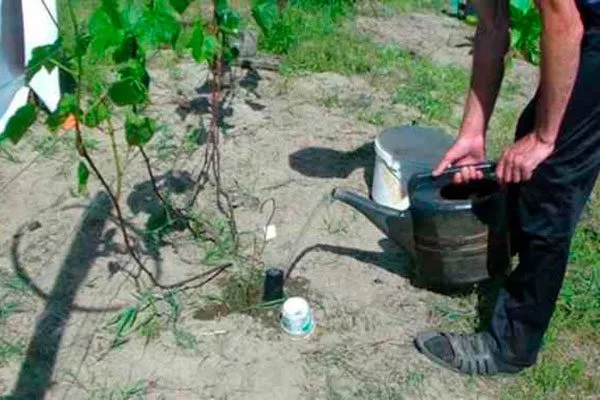
Following these simple rules will allow you to grow a healthy and productive bush.
Methods of reproduction
Propagation involves a variety of methods, each with its own characteristics and advantages. Cuttings, layering, and seedling propagation are the most common. Seed propagation is less common, as it is labor-intensive and less effective, especially for hybrid varieties.
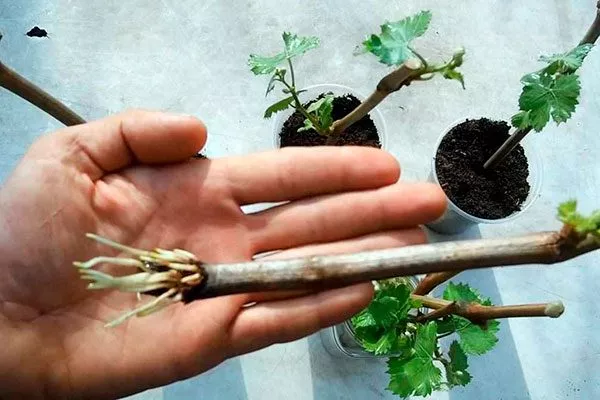
Methods for increasing the number of bushes:
- Cuttings. Prepare planting material in the fall from healthy branches no more than 0.75-1 cm thick, remaining after fall pruning. Cut a 6-15 cm long cutting with 3-4 buds. Disinfect the prepared branches in a solution of potassium permanganate or copper sulfate, then soak and store.
In the spring, renew the cuttings, soak them, treat them with a growth stimulant, and root them in nutritious soil. Then transplant them to their permanent location. - Seedlings. This method involves purchasing young, two-year-old plants from reputable nurseries or stores. Buy them in the fall and store them in a cellar until spring. This is a simple and reliable method, especially for those who don't want to propagate themselves.
Propagating grapes by layering is a common and effective method for producing new plants. Here's a step-by-step guide:
- Select healthy and strong shoots. One-year-old cuttings with 2-3 buds are best.
- Cut off the layers about 15-20 cm long. Remove excess leaves from the bottom, leaving only the top ones.
- Prepare the soil for planting. It should be fertile, well-drained, and moist.
- Plant the cuttings vertically into the soil to a depth of about 5-10 cm.
After a few weeks, the cuttings should root. You can check this by gently tugging on the cutting—if it holds firmly, it's rooted. After this, they can be transplanted to their permanent location.
Diseases and pests
It has a high level of resistance to most dangerous fungal diseases. It is rarely affected by powdery mildew and downy mildew, and is virtually immune to gray mold. It is important to take proper care of the crop to avoid serious problems.
Black rot
Overwatering and cold temperatures can lead to black rot, which appears as dark brown, rotting spots on the leaves. For treatment, use fungicides such as Bayzafon or Strobitek at 7-10 day intervals. For prevention, use Meteor or a copper sulfate solution.
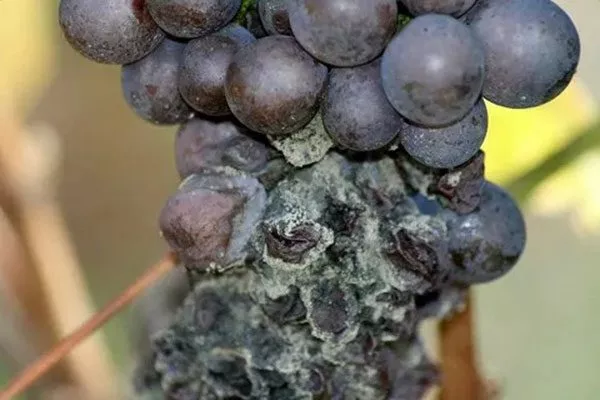
Wasps
Insects typically attack crops during the grape ripening period. To control wasps, dig up, destroy, and completely burn their nests. Treat the nest site with Reid or Fumitox.
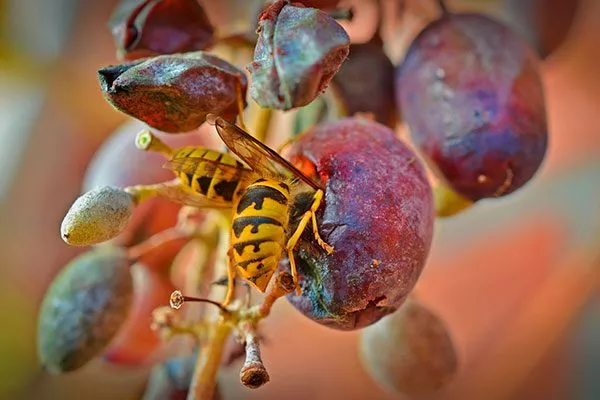
To repel pests, plant strong-smelling plants such as oregano, pepper, garlic, or lavender around the perimeter of your garden beds. These steps will help minimize the risk of insect attacks and provide additional protection.
Felt mite
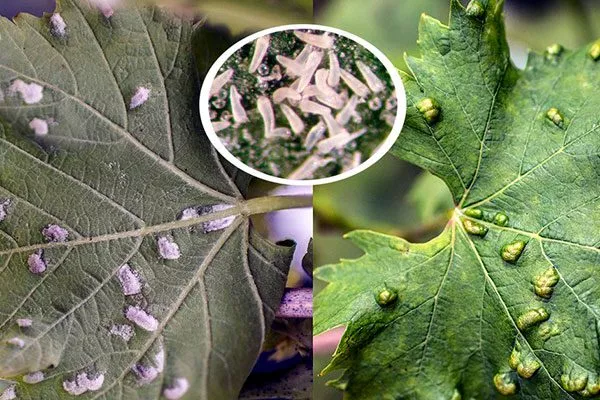
Microscopic reddish-brown spider mites are often found on plantings, especially in overcrowded areas and during hot summers. Their presence can be identified by brownish-beige swellings on the leaves. For treatment, use strong acaricides such as Antikleshch or Fufanon. Preventative spraying should be performed before flowering using products such as Actellic or Neoron.
Bacterial cancer
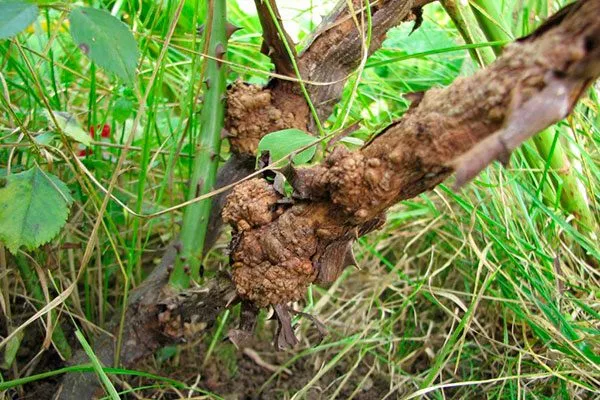
It manifests itself only on damaged shoots. When growths form, indicating the presence of bacterial canker, plant productivity declines, and the bushes develop poorly. The bacteria not only progress on the plants but also enter the soil, where they remain viable for a long time.
Mildew
It poses a serious threat to grapevines, but effective preventative measures can help prevent its development. Avoid overwatering the soil. Regularly loosen the soil and ensure adequate drainage and aeration in the area.
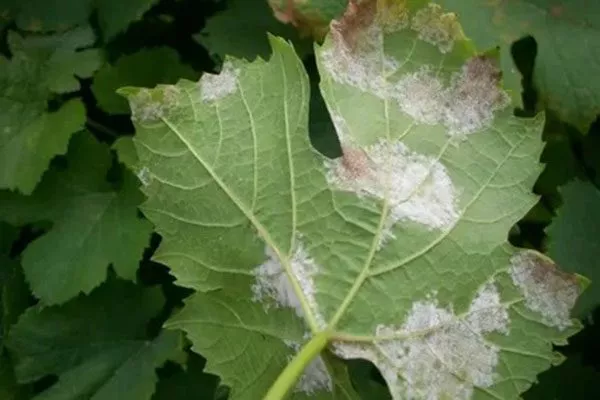
Mulch the trunk area from above. Prevent young planting material from becoming too cold. Tie young shoots to supports. Remove excess seedlings promptly. Twice a season, treat the plants with copper, iron, and sulfur-based products such as Bordeaux mixture or colloidal sulfur.
When the first signs of disease appear, treat with fungicides such as Abiga Pak, Quadris, Champion, Ridomil Gold.
Oidium
Affected bushes are noticeably stunted compared to healthy specimens. The disease affects all parts of the plant: leaves become smaller, become covered with a gray coating, and fruit set is reduced. Berries are susceptible to plaque.
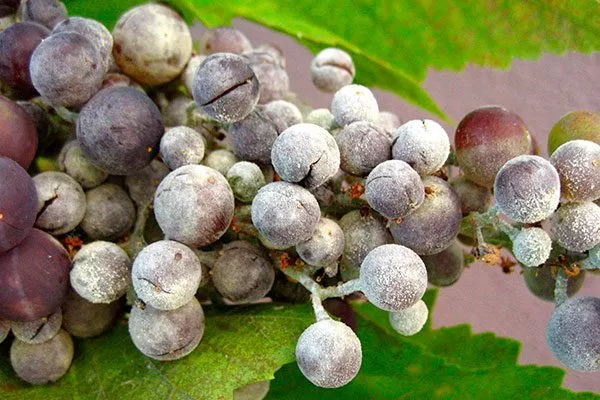
Use Topaz or Thiovit. These products help combat the disease and restore the health of the vines.
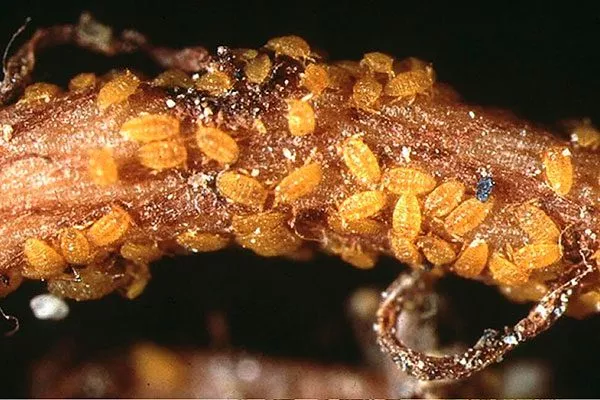
Phylloxera
They pose a serious threat to vineyards, as the tiny pests feed on the sap of shoots, leaves, and roots. Cut off and destroy affected areas to prevent further spread. For control, use strong chemicals such as Dichloroethane Kinmix, Fufanol, Actellic, and Fozanol. These effectively control the pests and prevent their proliferation.
Protection from birds and insects
Feathered guests can pose a threat to tasty and juicy fruits. Birds can cause crop damage. To protect crops, use fine-mesh netting, set up a scarecrow, or use various deterrents, such as sound or light traps.
Harvesting, storage and use of crops
Harvesting doesn't necessarily have to begin immediately after the berries turn blue. The clusters can remain on the plant without compromising their marketability or flavor. Over the next 1-2 weeks, they will accumulate additional sugar, making their flavor richer and more enjoyable.
To harvest, use sharp pruning shears or scissors, starting from the bottom tiers and gradually working your way up. Store the bunches in well-ventilated wooden or plastic boxes. Only those with no signs of rot or cracks should be stored.
Comparison with similar varieties
The Ruslan grape belongs to the category of early-ripening hybrids, surpassing many of its peers in various characteristics. The comparative table presents the key parameters of similar varieties:
| Parameter | Ruslan | White Miracle | Pharaoh |
| Variety type | dining room | dining room | dining room |
| Ripening period | 110-115 days | 105-110 days | 120-130 days |
| Weight of bunch | 500-1200 g | 600-900 g | 700-1000 g |
| Weight of berries | 10-20 g | 6-8 g | 10-15 g |
| Color of berries | dark blue | white | black |
| Taste characteristics | harmonious | harmonious | simple, harmonious |
| Frost resistance | up to -24°C | up to -25°C | up to -23°C |
| Sugar content | 17-19% | 18-19% | 16-17% |
| Acidity | 6-7 g/l | 6-7 g/l | 5-6 g/l |
| Disease resistance | high | above average | average |
Reviews
Grapes hold a special place in the agricultural world, representing not only a valuable raw material for wine production but also health benefits. Among the many varieties, the Ruslan hybrid stands out, gaining popularity thanks to its unique qualities and characteristics.