
Rodina is the name of a mid-season, dark-colored grape variety. Gardeners prize it for its high yield and harmonious flavor. It is grown for preserves (juice, jam, compote) and fresh consumption. It is popular despite its high care requirements and susceptibility to fungal diseases.
History of selection
This table grape variety was developed thanks to the efforts of Russian scientists from the Ya. I. Potapenko All-Russian Research Institute of Viticulture and Winemaking. To create it, they crossed the Severny grape with the Muscat of Alexandria. They succeeded in grafting the new variety with high yields and excellent flavor.

Where can it be grown?
The brainchild of domestic breeders, this variety is intended for cultivation in the Russian Federation, in the following regions of the country:
- southern;
- central.
Winegrowers successfully cultivate it in the climatic conditions of the Far East.
Bush
Rodina plants are medium-sized. They have the appearance of loose bushes with the following external characteristics:
- shoots: thin, characterized by an articulated structure, growing in length to 3-5 m;

- leaves: formed at each node, alternately arranged, characterized by medium size, five-lobed, finely cut, matte and wrinkled on the outside, devoid of pubescence on the back side, with small bristles near the veins.
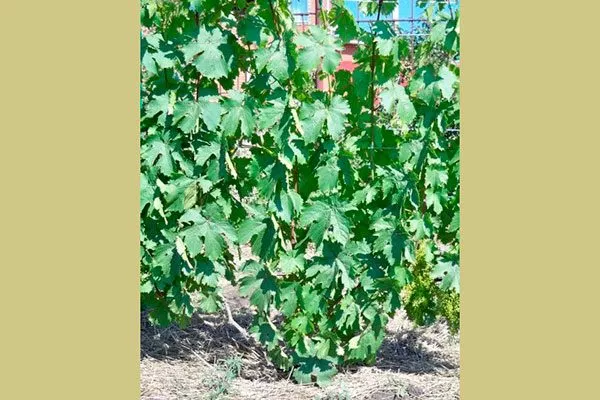
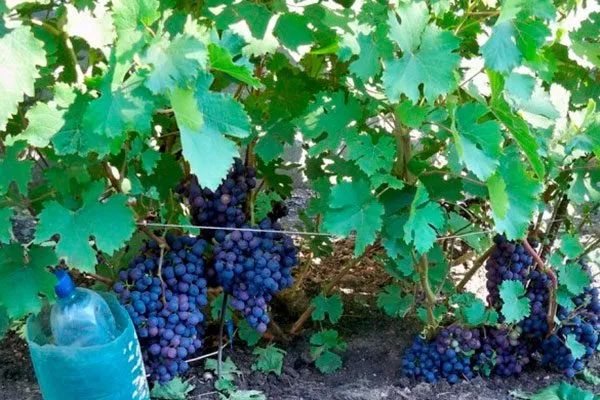
Inflorescences typically appear on stems at the lower nodes, while tendrils form at the upper nodes. These tendrils are used to attach the vine to a support (stake, trellis, or tree).
Clusters and berries
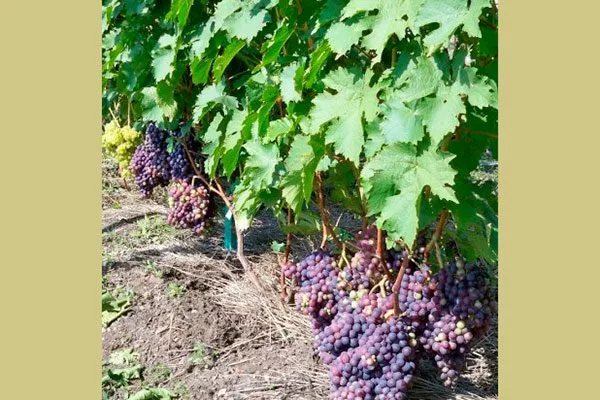
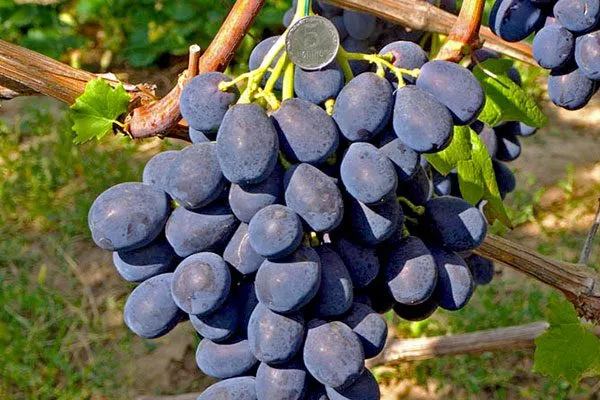
This table grape variety is prone to overproduction. During the fruiting season, its vines are literally laden with clusters, the description of which includes the following characteristics:
- form - narrow conical;
- size - medium or large;
- mass — 190-380 g;
- length — 18.9 cm;
- width — 11.5 cm;
- structure - medium-dense.
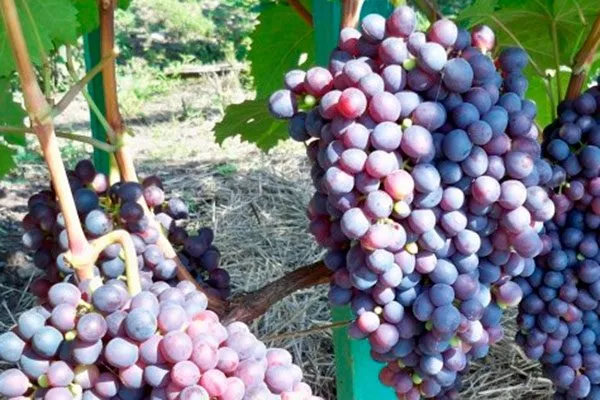
The Rodina grape variety is prone to pea-shaped fruit. This occurs when the shoots are overloaded with fruit or as a result of temperature imbalances during the flowering phase.
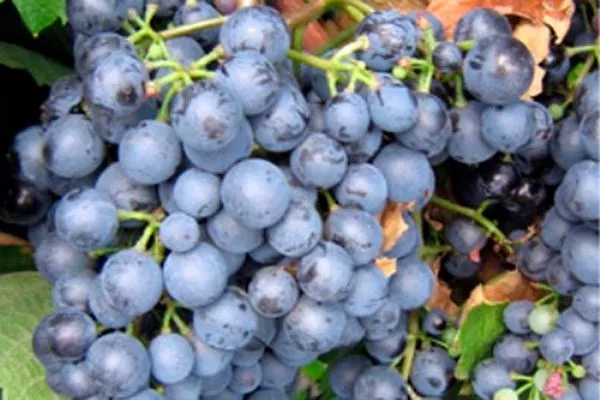
The berries are medium-sized and dark in color. Their appearance is as follows:
- weight — from 2.8 g to 5 g;
- color - reddish-purple or black;
- form - rounded;
- skin: thin, not very strong, with a waxy coating, not felt when eaten;
- pulp: juicy, devoid of muscat aroma, with 2-3 seeds inside, containing up to 18% sugars, 0.8-1% acids, 18.7% dry matter.
The tasting quality of the fruits of the Motherland is good. They have a harmonious yet simple flavor, sweet and tart. It scores 8 points.
Characteristics of the variety
This creation of Russian breeders has both positive and negative characteristics. Be aware of them before you begin growing it in your garden.
Pollination, flowering period and fruiting
This garden plant enters the budding phase in the middle of the first month of summer. It produces bisexual flowers at the following times:
- beginning of flowering — after June 10;
- completion — until June 18-20.
The period from bud break to fruit ripening is 117-125 days. The fruiting coefficient is 0.7-0.8.
Productivity and ripening time
Rodina is a mid-season grape variety. Its bud break occurs during the same timeframe as Aligote and Pearl of Saba. It yields its fruit in the first half of September (8-10 days earlier than Chasselas). The ripe grapes are harvested between the 5th and 14th of September.
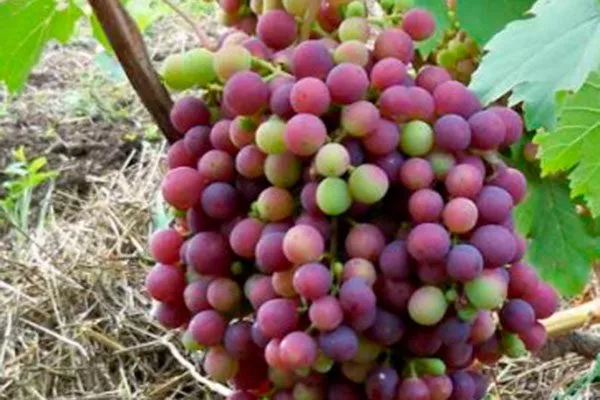
The crop is considered high-yielding, but it cannot boast of consistent productivity. This indicator drops sharply due to unfavorable weather conditions. Its values are as follows:
- 2.0 kg is the minimum amount of fruit that 1 bush produces (observed in lean years);
- 7 kg/bush is the maximum yield;
- up to 22,000 kg per 1 hectare of grape planting is the upper limit of the variety’s productivity during its industrial cultivation (achieved with good care and favorable weather conditions).
Drought and frost resistance
The plant is not particularly hardy. It doesn't tolerate drought or low temperatures well. Its frost resistance is down to -18°C. Even when grown in its homeland with a moderate climate, the vine requires adequate winter insulation and protection from waterlogging during thaws.
Overloading the bushes with berry clusters and late harvesting, factors that reduce the vitality of the shoots, have a negative impact on their cold resistance.
Application area and shelf life
Due to the poor transportability and storage properties of the Rodina variety of berries, winegrowers strive to process the harvested fruit as quickly as possible. It is also delicious fresh, as it offers numerous health benefits.
Nutritional value
Dark grapes are a valuable food product. Their caloric value is 65 kcal/100 g. They are rich in antioxidants, which have a rejuvenating effect on the body and protect cells from free radical damage.
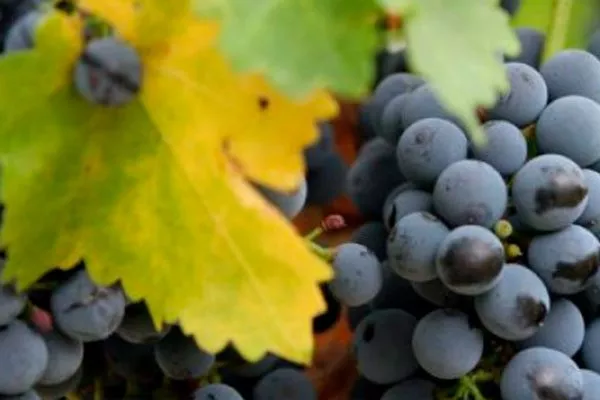
Juicy berries contain many useful substances:
- vitamins, in particular C (16.4-20.3 mg/100 g), group B, K, carotene;
- natural sugars (up to 18%);
- organic acids, in particular tartaric and malic;
- pectins;
- essential oils;
- enzymes;
- minerals (grapes contain especially a lot of potassium, iron, manganese, and copper).
Culinary uses
The Rodina grape variety's primary purpose is for table grapes. It is grown for fresh consumption, processing, and canning. The juicy, sweet-and-tart berries are considered a wonderful dessert in their own right. They can be served whole bunches.
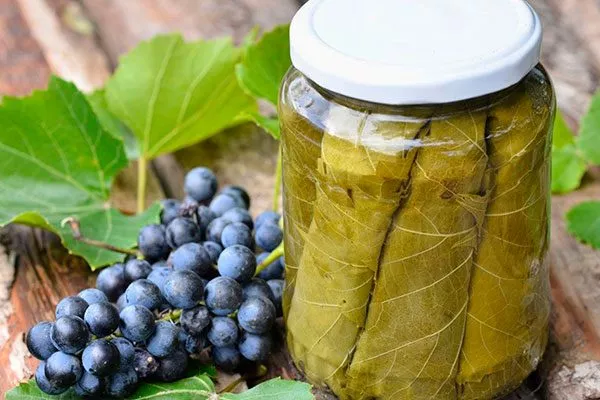
They go well with many foods:
- gifts of the garden (as an ingredient in fruit salad or in a common vase with peaches and pears);
- cheese;
- vegetables;
- meat (grape clusters can be used to make an excellent sauce for meat dishes).
Housewives prepare various delicacies from ripe berries: jam, marmalade, jelly, and syrup. They are pickled, preserved for the winter as compote, processed into juice, dried, and frozen. They are also used in winemaking.
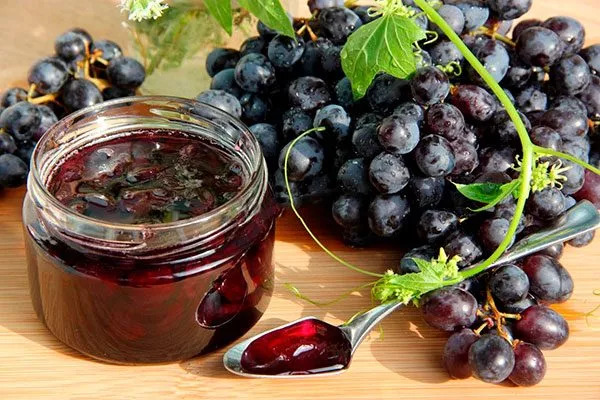
Dark grapes make excellent raisins—a delicious and healthy treat. They're eaten plain or added to baked goods and porridge. They're also used to make a delicious spread with honey, nuts, prunes, and dried apricots.
Application in medicine and cosmetology
Eating the Motherland's harvest fresh is especially beneficial. Heat treatment destroys the lion's share of the vitamins and other valuable nutrients found in the berries. If you want to reap the healing benefits of this natural delicacy, eat it immediately after picking it from the vine.
Including dark grapes in your autumn diet promotes overall health. They offer the following beneficial properties:
- tonic;
- strengthening the immune system;
- normalizing the course of metabolic processes;
- antioxidant;
- ensuring the elimination of toxins;
- anti-inflammatory;
- dilates blood vessels and normalizes blood pressure;
- preventing the formation of blood clots;
- reducing the level of bad cholesterol in the blood;
- stabilizing the nervous system;
- stimulating the production of gastric juice;
- improving the functioning of the gastrointestinal tract;
- promoting hematopoiesis.
Eating ripe berries is beneficial for those suffering from exhaustion, chronic fatigue, stress, and depression. They improve the condition of patients with anemia, tuberculosis, bronchitis, asthma, tachycardia, hypertension, and migraines. They also help with sluggish bowels and constipation.
Rich in antioxidants, this product has found application in cosmetology. Grapes can be used to make rejuvenating, moisturizing, and nourishing masks for the face and décolleté. Juice squeezed from the grapes stimulates collagen production, helping combat wrinkles, freckles, and age spots.
Contraindications
Despite its many healing properties, dark grapes are not suitable for everyone. There are a number of contraindications for eating them fresh. People suffering from the following conditions should avoid this sweet treat:
- diabetes mellitus;
- enterocolitis;
- liver cirrhosis;
- peptic ulcer, other acute and chronic gastrointestinal diseases (for example, hyperacid gastritis);
- obesity;
- stomatitis;
- allergies to this product.
Storage Features
The Rodina variety doesn't boast good shelf life or transportability due to the thin skin covering the juicy flesh. If you plan to save some of your harvest for storage, select whole, firm berries free of cracks and other defects. Try to preserve the waxy coating that covers them.
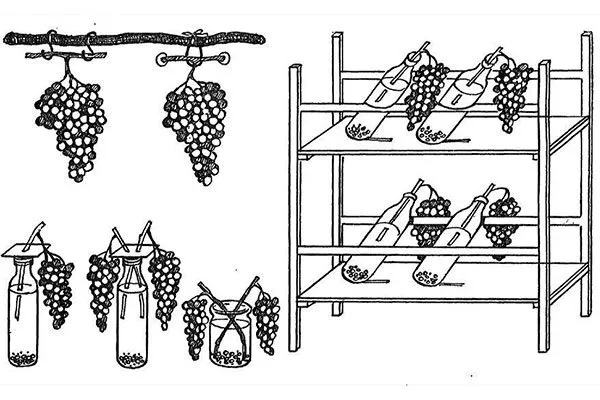
In a specially equipped refrigeration chamber, grape bunches can remain fresh for 2-4 weeks.
Landing
Rodina grapes require careful cultivation practices to ensure a bountiful harvest and healthy vines. Pay particular attention to proper planting, which determines the plant's survival and subsequent development.
Recommended timeframes
Plant in spring or early summer. The exact timing depends on the characteristics of the seedling itself:
- from mid-April to May 15 - for woody plants (they are grown during the summer season, and in the fall they are dug up and stored in the cellar until spring);
- after May 20 until June 10-15 — for vegetative planting material (it was planted in the spring, is sold in containers, is characterized by green shoots, and is afraid of frost).
Choosing a suitable location
Select a suitable area in your garden for the Rodina grapevine. Choose a location that meets the following requirements:
- protected from wind and drafts;
- sunny;
- located on an elevation;
- without stagnant moisture and close groundwater levels;
- located on the southern or southwestern slope;
- well drained (to eliminate the risk of root rot).
The Rodina grape variety isn't particularly demanding when it comes to soil. It grows best in light, loose, well-drained soil (sandy loam, loamy clay). Heavy, very dense, acidic soil with a pH below 5 is unsuitable for this variety.
Neighborhood and crop rotation
The development and fruiting of grapevines is influenced by the garden crops grown nearby. Consider this when planning your planting. The following garden crops have a positive effect on the health and productivity of the plant:
- beetroot;
- onions;
- garlic;
- mustard;
- dill;
- radish;
- spinach;
- legumes (peas, soybeans, beans).
It's acceptable to grow Rodina in a flowerbed or against the wall of a country house. You can plant flowers nearby: asters, phlox, pansies, forget-me-nots, hyacinths, and poppies.
To avoid problems when growing table grapes, do not plant them near crops such as:
- pepper;
- potato;
- celery;
- corn;
- eggplants.
Follow crop rotation guidelines in your garden to minimize the risk of grapevine diseases. Avoid cultivating grapevines in areas previously planted with plants that severely deplete the soil (such as sunflowers).
Legumes are considered the best precursors for the Motherland. They improve the soil structure and enrich it with nutrients.
Selection and preparation of planting material
Purchase table-quality seedlings from a specialized nursery, not from an untrustworthy seller at the market. Cuttings don't take root very well (50-72%). Choose a seedling with leaves (this is a sure sign that it's alive).
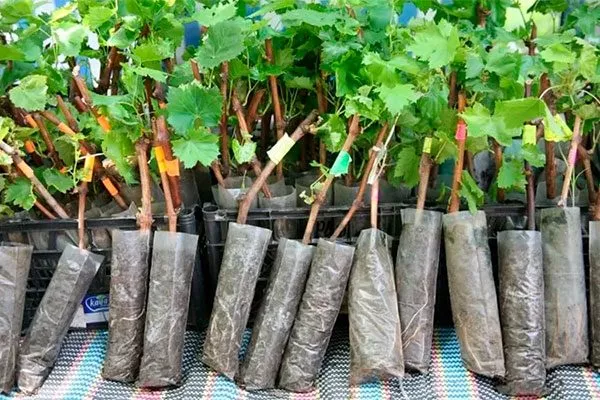
Plant your grapes immediately after purchasing them to prevent their fragile roots from drying out. For woody plants, perform preparatory work, including the following:
- pruning to 2-3 buds;
- shortening root shoots to 15 cm.
If you have purchased vegetative material, keep the root ball intact, which contains the still weak underground part of the plant.
Landing algorithm
The planting pattern for your crop is determined by the type of trellis you'll be using. The optimal option, considered the simplest and most convenient, is using flat vertical supports. Follow the pattern:
- distance between rows - 2 m;
- between bushes - 3 m.
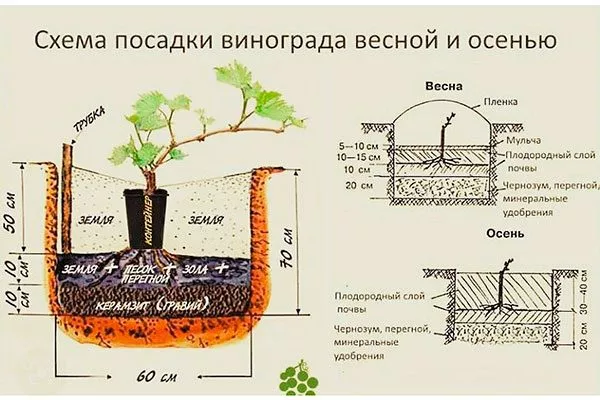
Plant the grapes in a pre-prepared hole (80 x 80 x 80 cm). Follow these steps:
- Line the bottom of the hole with a drainage layer: expanded clay, pebbles, broken brick.
- Install a support in its central part.
- Add fertilizers: humus or rotted manure, superphosphate, potassium salt, wood ash.
- Sprinkle garden soil on top.
- Water the planting hole.
- Place the seedling in it and spread out its root system.
- Fill the hole with soil. Make sure the grafting site is 2 cm above ground level.
- Compact the soil around the trunk.
- Mulch the tree trunk circle with hay or sawdust.
Aftercare of grapes
Provide Rodina grapevines with good growing conditions in your garden. Care for them especially carefully in the first few years after planting. Pay attention to watering, fertilizing, pruning, and protecting against fungal diseases, which this table grape is susceptible to.
Top dressing
To ensure a bountiful and high-quality harvest, don't neglect the use of nutrient solutions. Choose organic fertilizers, starting in the plant's second year. Feed your garden crop annually in the fall with the following natural fertilizers:
- humus (the norm is 6-8 kg/sq. m);
- wood ash (use 100 g of dry matter per 1 sq. m of grape planting).
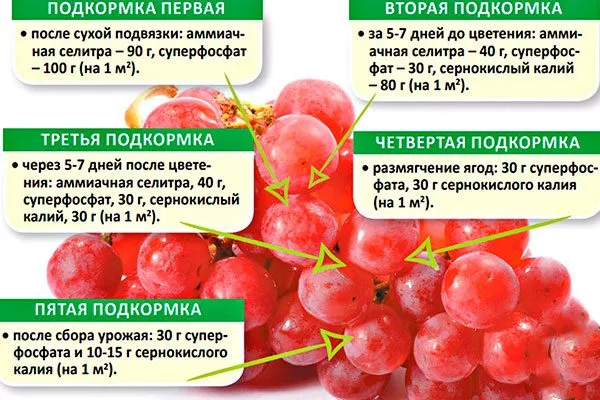
Spread the nutrient mixture evenly under the bushes and then work it into the soil.
Watering
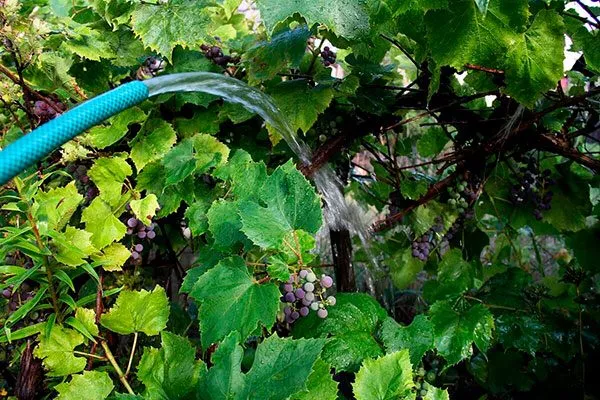
The varietal variety of the crop requires regular irrigation, carried out no more than 4 times during the growing season according to the following scheme:
- first time water the plants in early spring (the beginning of sap flow);
- second - 7 days before flowering;
- third - 1 week after the vine has finished flowering;
- fourth — during the ripening period of berries.
Weeding, loosening
The vineyard's trunk area also requires care. The plant's robust health and productivity depend on it. This includes the following procedures:
- weed removal, which take away nutrition and water from the vine and are a favorable habitat for pests and pathogenic microorganisms;
- loosening (the technique increases the air and water permeability of the soil).
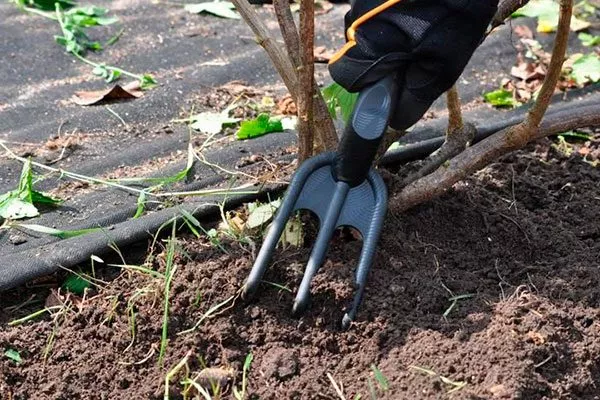
To save time and effort, combine weeding and loosening the soil. Perform both maintenance tasks carefully. Work the soil to a depth of 10 cm. Avoid damaging the grape roots.
Trimming
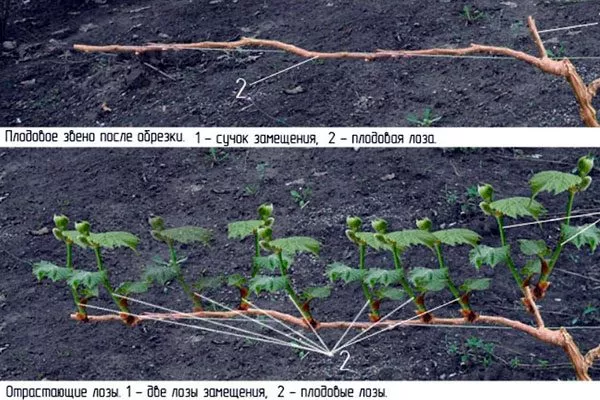
The main task of a winegrower in the first year after planting is to determine the crop's growth pattern through this procedure. To form two strong shoots, prune the seedling to two buds. Remove everything else.
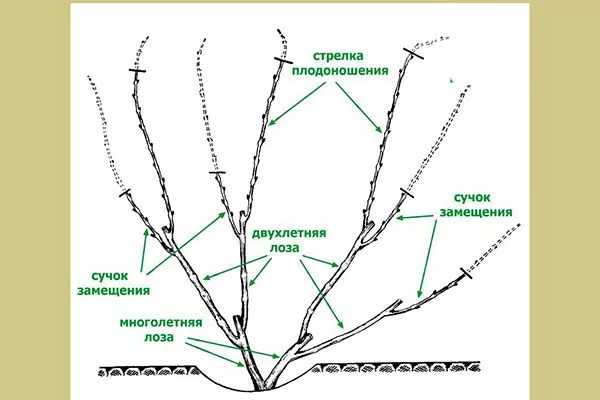
Every year in the spring, carry out a sanitary procedure, and in the fall, thin the vines (removing excess shoots, which ensures an optimal load on the bush and increases its yield).
Preparing for winter
Its native land isn't known for its excellent cold tolerance. This variety can withstand temperatures as low as -15-18°C. When growing it in a temperate climate, ensure adequate frost protection. Use soil, plastic, or roofing felt for insulation.
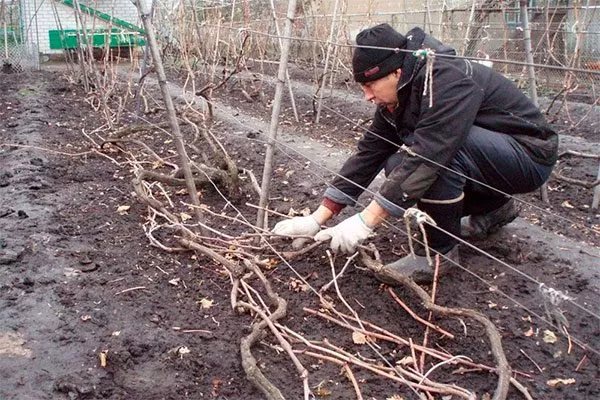
Prepare for winter:
- fertilize the bushes before the frost sets in;
- prune damaged branches;
- bend the vine (to do this, remove it from the support, tie it, lay it on the ground and fix it in this position);
- insulate the culture.
Diseases and pests
This table variety doesn't boast a strong immune system. Its plantings are susceptible to wasp attacks and fungal infections:
- true and false powdery mildew (oidium, mildew);
- anthracnose;
- gray rot.
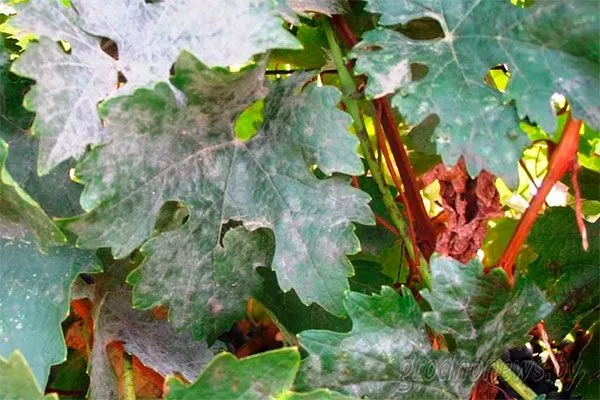
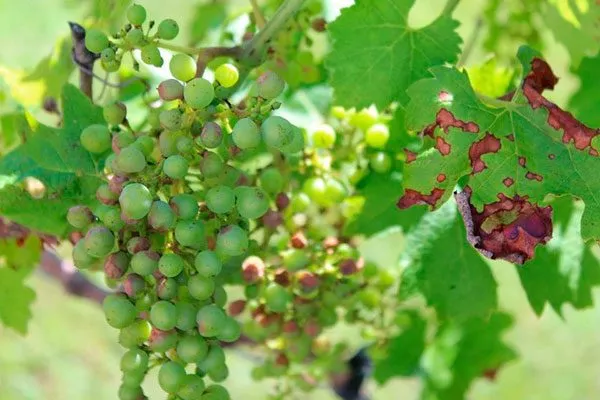
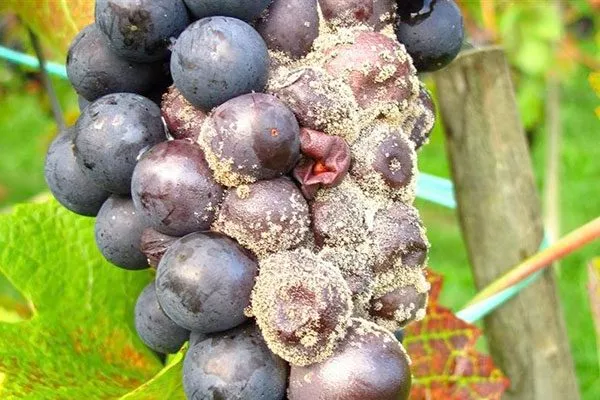
Fungi affect green parts of the vine (runners, foliage), inflorescences, fruits, and one-year-old shoots. Preventative treatments with copper sulfate and fungicides can help prevent the problem.
To combat pests that attack garden crops, use folk remedies and preparations with insecticidal properties.
Pay special attention to preventing vineyard diseases and pest damage. To this end, implement the following measures:
- ensuring good airflow and ventilation of bushes (in conditions of dense planting, dampness develops, which is favorable for fungi);
- timely removal of weeds in which pests and pathogens breed;
- pruning broken, diseased, and parasite-damaged shoots;
- removal of fallen leaves and plant debris carried out in the fall;
- refusal to use nitrogen-rich compounds that promote the growth and thickening of vines;
- removing foliage growing in the lower part of the bush (under the clusters).
If you can't protect your vineyard from fungal infection, treat it with Ronilan and Rovral. They are especially effective against gray mold. Spray the planting every 14 days. Continue treatments until August.
Pros and cons
The Rodina grape variety has its strengths and weaknesses. Gardeners list its undeniable advantages as:
The table variety bred by domestic scientists also has its fair share of disadvantages:
Similar varieties
The mid-season table grape Rodina has many similar varieties available on the domestic market:
- EverestThis early-ripening hybrid produces large clusters of dark red-purple berries that are tasty and juicy. It is suitable for table use. The bushes are characterized by great vigor and require winter shelter.
- NinaA mid-season hybrid bred by amateurs. It produces medium-sized clusters of large, dark-red grapes with a harmonious flavor. The bushes are characterized by vigorous growth and high yields. They withstand temperatures down to -22°C. They are resistant to mildew, but susceptible to powdery mildew.
- TaigaThis productive early variety features vigorous bushes with female flowering. The clusters are medium-sized. The berries are dark blue, weighing up to 3.5 g, and have a pleasant flavor. The variety is resistant to major crop diseases.
- AdmiralAn early grape variety. Produces bunches weighing 600-1100 g. The berries are dark blue, large, and have a harmonious flavor. The plant is frost-hardy to -23°C. The bushes are vigorous.
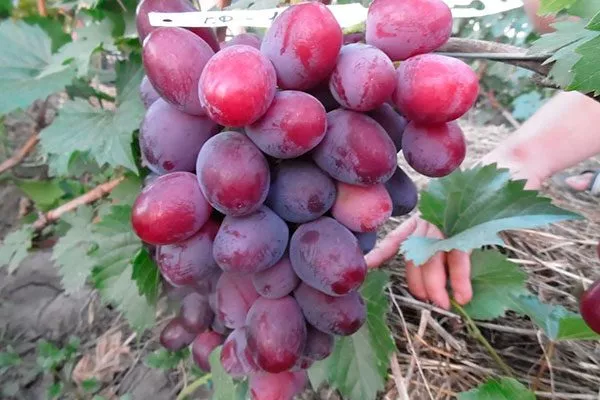
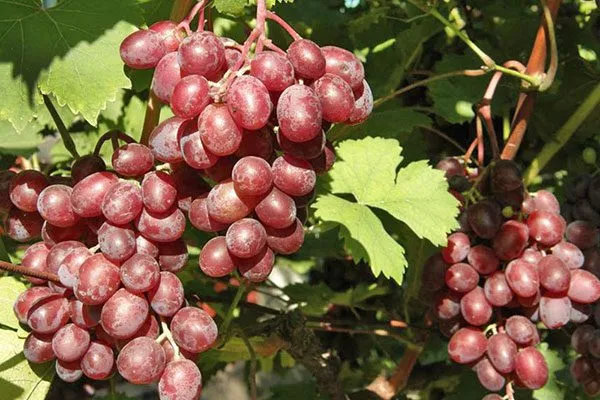
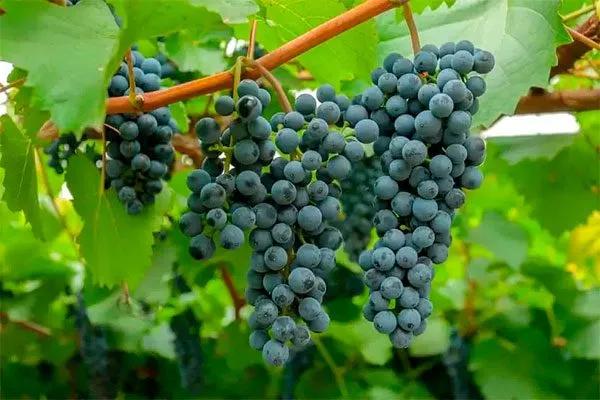
All the varieties described above are intended for table use. They share the dark color of their berries, their excellent flavor, and their adaptability to cultivation in temperate climates.
Reviews
Rodina is a table grape variety popular with Russian winegrowers. It is prized for its abundant fruit production, beautiful appearance, and excellent flavor. Its harvest does not keep well and does not travel well over long distances. It is ideal for juice production, canning, and drying. It is also suitable for fresh consumption, providing health benefits.