
Pinot Noir grapes embody not only excellent taste but also unique qualities that make them unrivaled in the world of winemaking. Let's explore the characteristics and unique features of this variety, which has gained popularity among both novice and experienced gardeners.
Description of the Pinot Noir variety
Red grapes are grown in the Burgundy region of France. They have several other appellations: Pinot Negru, Blaue Burgundy, Pinot Franc, Round Rank, Petit Noir, and Marillon.
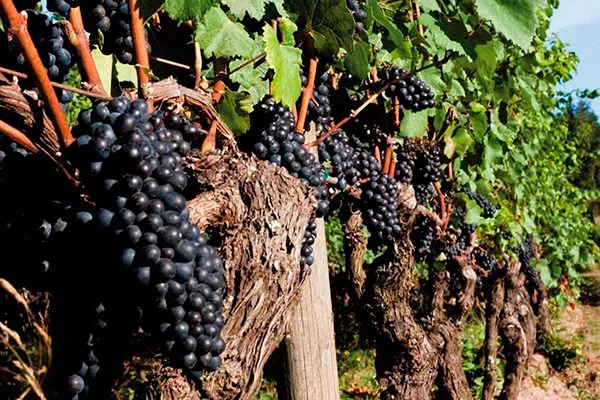
Bushes
This medium-sized shrub has straight stems and is covered with medium to large leaves with deep lateral notches. The foliage is funnel-shaped, serrated at the edges and grooved along the veins, and is dark green in color.
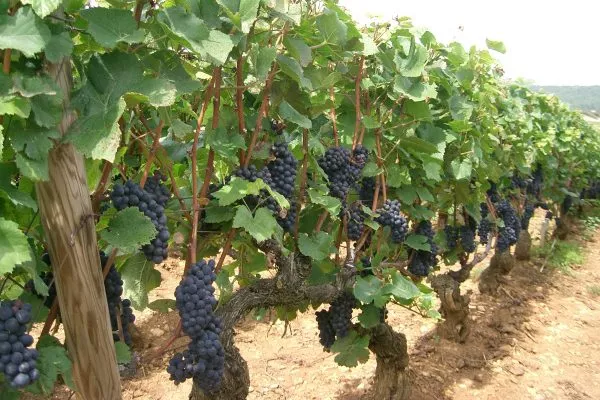
Young shoots grow slowly only in the first year, then most are ready for cold weather. Mature vines are light brown with darker bark at the nodes. Each bush produces more than half of its fertile shoots, capable of developing up to two fruit clusters.
In autumn, Pinot Noir's foliage turns yellow with reddish-burgundy spots, creating a vibrant appearance. These characteristics make the variety unique and attractive for cultivation, offering winegrowers the opportunity to enjoy beautiful and delicious harvests.
Berries
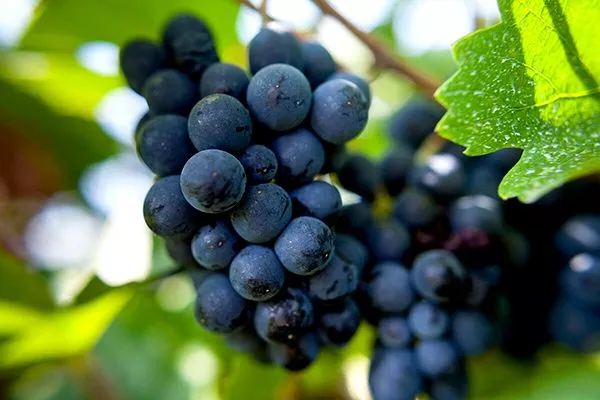
The cultivar produces clusters of round, sometimes irregular shapes. The fruit diameter is approximately 1.5 cm, and its weight ranges from 1.2 to 1.4 g. The skin is thin but firm, with a dark blue hue.
Clusters
The cluster is very dense, cylindrical-conical in shape, reminiscent of a pine cone. Weight ranges from 80 to 120 g, and in some cases can reach 200 g. The comb is woody and can reach a length of up to 4 cm. Mature clusters are covered with a thick layer of wax, which provides additional protection and imparts an attractive appearance.
Taste
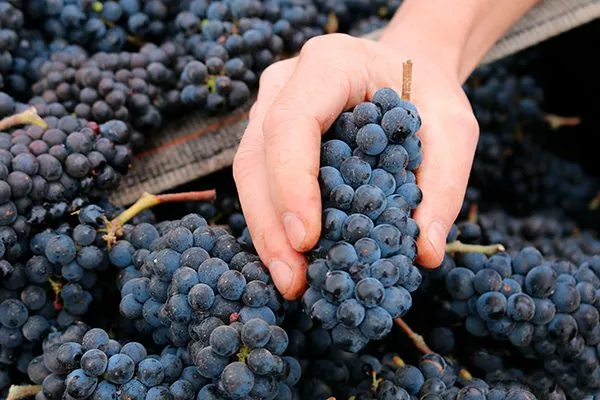
The pulp is colorless, juicy, and contains 2-3 small seeds. The flavor is harmonious and delicate. The sugar content in the juice is 21.4 g/l, and the acidity ranges from 7.6 to 7.9 g/l. Juice yield is 75%.
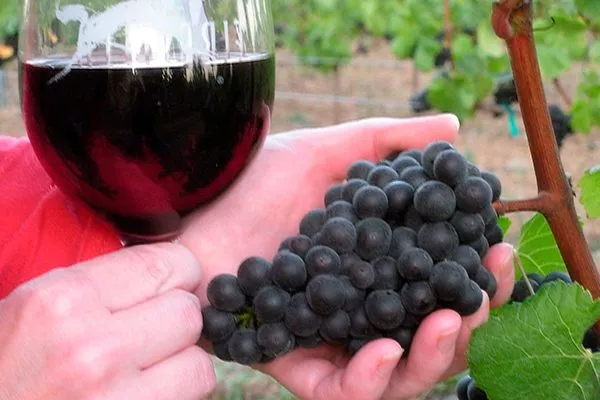
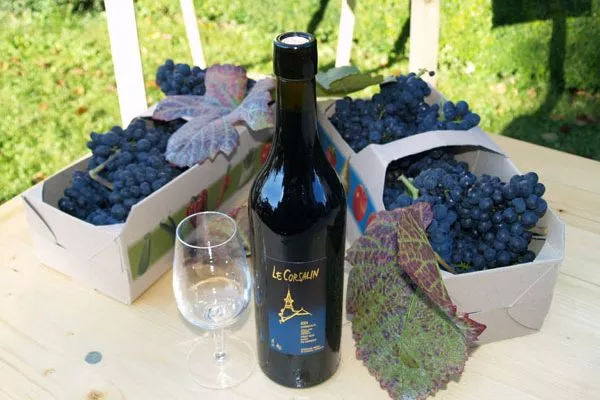
Wine produced from Round Rank grapes is distinguished by its subtle aroma and complex aftertaste. The fruit is used to produce the most expensive European table wines, including champagne. The taste of the finished wine depends largely on weather conditions during the growing season and the soil type on the site.
Why do winemakers love it?
Pinot Noir boasts several advantages that more than justify the efforts of those who work with this grape. Let's take a closer look:
- Enormous potential. It would seem that this variety has reached the pinnacle of Burgundy wine fame, but it continues to surprise. In various parts of the world, it produces not only excellent, but truly great wines.
- The absence of an ideal wine recipe. This is the most terroir-driven variety. Its flavor is shaped by everything: climate, weather, soil, yield, and the winemaker's skill. Due to its increased susceptibility to mutation and the existence of numerous clones, creating a benchmark wine becomes impossible and, to a greater extent, necessary.
- Complex character. Working with the grape variety is a testament to a winemaker's skill, and not everyone is willing to take it on. With skillful handling, it can become a source of pride, and the resulting wine a true masterpiece.
Ripening time, yield
This is a mid-season variety—it takes 140-150 days from the moment the leaves open in spring to harvest, which usually occurs in late September. If temperatures in late summer and early fall remain between 15 and 17°C for more than two weeks, the ripening process may be delayed.
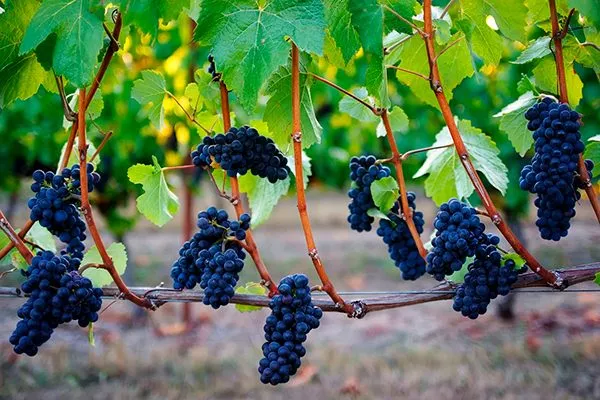
Yields range from low to average and are highly dependent on weather conditions. In favorable years, commercial plantings can yield up to 8 tons of berries per hectare, while under normal conditions, this figure is 4-5 tons.
In private gardens, with individual care for each plant, it is possible to harvest up to 5 kg from a mature bush under favorable conditions.
Winter hardiness, recommended growing regions
Pinot Noir is widely grown in Europe and is ideally suited to mild, rainy winters and cool summers. In Russia, it is commercially cultivated in Crimea and the Krasnodar region. The variety was first recognized in the Samara region in 1932.
Gardeners grow it in the Central Russian region, including the Moscow region. It is quite winter-hardy, provided there is sufficient snow cover. Without shelter, the grape can withstand temperatures down to -22°C. The plant quickly recovers from frosts and spring freezes.
Advantages and disadvantages
Before planting a seedling in your garden, it's important to research its benefits. Marilon has many advantages:
Among the disadvantages of this variety, gardeners note its demanding conditions, average yield, and sensitivity to drought.
Landing
Grapes thrive on gentle, south-facing slopes, saturated with sunlight and free from wind. In flat terrain, the perennial plant's growth slows. Pinot Noir prefers dry, calcareous soils.
- ✓ Soil pH should be between 6.5-7.5 for optimal nutrient absorption.
- ✓ Humus content of at least 3% to ensure the necessary structure and fertility of the soil.
Recommendations:
- Plant seedlings in the spring, in April-May, when the soil warms up to +12 +14°C. Autumn planting is only possible in the south, where the warm period is long and intense.
- Plant seedlings in rows 90 x 150 cm (36 x 60 in) long, oriented north to south. Be sure to install 130-150 cm (53-59 in) tall trellises along the rows, each with two or three rows of wire, spaced 40-60 cm apart.
- Plant step by step. For each seedling, dig a hole measuring 60 x 60 x 60 cm. If the soil is clayey, add 3-5 kg of crushed stone or 5 kg of expanded clay to the bottom for drainage.
- Prepare a rooting soil mixture consisting of 2-3 parts sand, 1 part humus, and 2 parts light peat soil with a neutral or alkaline pH. Add granular mineral fertilizer for grapes (such as Fertika or OMU) to the mixture according to the instructions.
- Fill the hole with this soil, creating a mound in the center 15 cm below the soil surface. Place the seedling with its roots spread out and cover with soil, without burying the root collar.
Growing and care
Pinot Noir responds to careful care, demonstrating increased yields. The crop responds favorably to regular watering and fertilizing.
Watering
The bush doesn't tolerate drought, so water regularly during the growing season, maintaining a slightly moist soil. Watering frequency is 2 to 4 times per month, depending on natural precipitation. Once the berries begin to color in the cluster, stop watering completely to avoid reducing the sugar content of the juice.
Other actions
In addition to watering, the crop requires pruning, loosening, winterization, and other agricultural practices. Follow these recommendations:
- Loosening, weed control. Regularly loosen the soil around the plants, especially after rainfall or watering, to prevent a crust from forming on the surface.
Mulching around the trunk in summer using hay, grass or leaves helps reduce loosening and suppress weed growth while retaining moisture in the soil. - Top dressing. In spring, apply nitrogen to stimulate above-ground growth. This can be done with fertilizers such as mullein or compost. Urea fertilizers are equally effective.
From flowering until berry ripening, use Humate 7+ to provide the grapes with the necessary nutrients.

- Pest and disease control. Pinot Negru has moderate resistance to mold and powdery mildew, but is susceptible to gray mold. Preventative spraying with Bordeaux mixture and copper sulfate solution will prevent fungal diseases and help control spider mites, aphids, and snails.
- Trimming. The crop is grown in a standard cordon formation in the south, and in areas with indoor vineyards, the vines can be fan-shaped. Autumn pruning is short: to 2-4 buds, but with a total bud load of up to 40 buds.
- Harvesting and processing of crops. Industrial grape varieties are harvested at a time determined by winemakers based on the quality of the berries. Sometimes, they don't wait until the bunches are fully ripe.
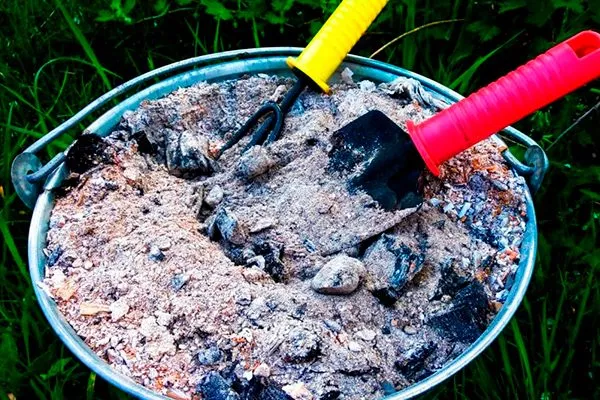
Remove dried or rotten berries, and store the bunches in shallow wooden boxes in a well-ventilated area. To prevent mold growth, pre-treat the walls and ceiling with a special solution. - Preparing for winter. Prepare the plant for winter in October at temperatures no higher than +3°C. Remove the vines from their supports, lay them on the ground, and cover them with non-woven fabric, sawdust, and soil for additional insulation.
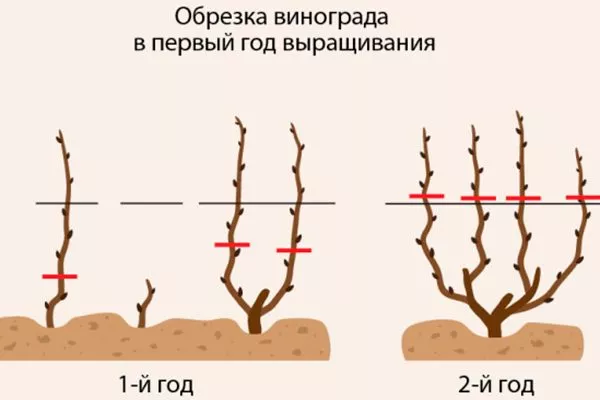
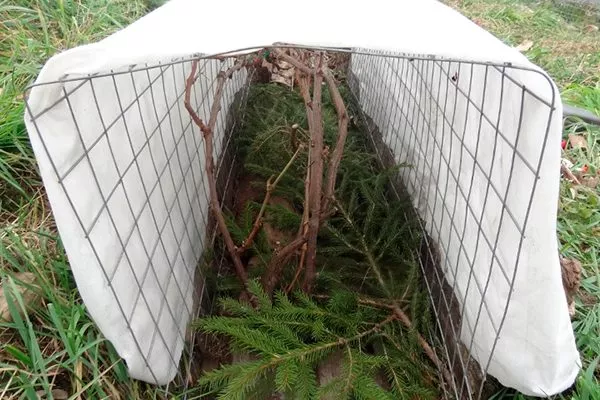
Proper care guarantees a strong and healthy plant next year, as well as a good harvest.
Reproduction
The most popular way to increase the number of seedlings is by cuttings. The method is simple and straightforward, so even a novice viticulturalist can handle it.
Step-by-step instructions:
- Take cuttings in the fall, using mature shoots to be removed. Select healthy branches at least 5 mm thick and 25-30 cm long. After cuttings, store them in a cellar or refrigerator.
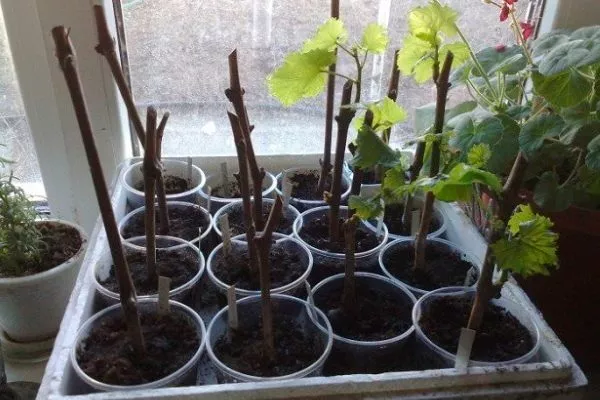
- In February-March, remove the cuttings from storage, soak them in a Fitosporin solution, and plant them in a greenhouse bed or in individual tall pots, such as cut-down plastic bottles. Prepare a planting medium of sand (perlite), peat, and light soil.
- Root the cuttings approximately one month in advance at a temperature of 20-22°C and 80% humidity. Active leaf growth on the cuttings indicates successful root development.
- ✓ Cuttings must have at least 3 well-developed buds for successful rooting.
- ✓ The diameter of the cutting at the cut should be at least 5 mm to ensure a sufficient supply of nutrients.
Reviews
Pinot Noir is deservedly considered one of the most renowned and popular grape varieties used to create the legendary Burgundy wine. Its refined charm and ability to capture the character of its growing area make it an attractive choice for a variety of sites.