
The "Memory of the Teacher" grape is popular among both novice and experienced winegrowers. It has excellent characteristics and is easy to grow. It's important to take care of the plantings and perform important maintenance procedures to ensure abundant harvests in the future.
History of selection
Renowned amateur gardener Evgeny Georgievich Pavlovsky developed the new plant under the guidance of Ivan Aleksandrovich Kostrikin. As a result of this collaboration, the variety was named. It was added to the State Register in 2016.
Description and Features
The massive clusters are a favorite among many gardeners. Their attractive appearance and pleasant aroma attract gourmets with their rich flavor and harmonious harmony. They are grown not only for the harvest but also for aesthetic pleasure.
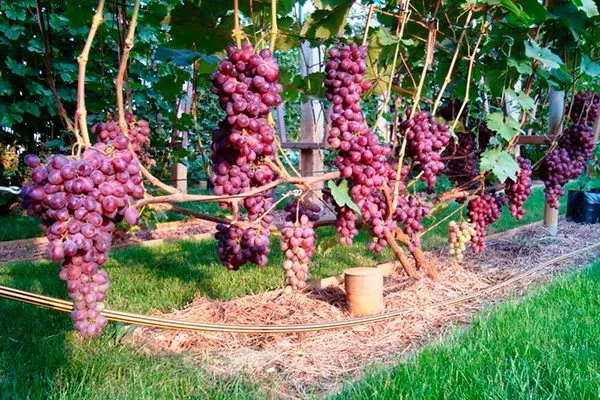
Bushes
They exhibit a high growth capacity, forming spreading and strong stems that require support and pruning. In a single season, a mature bush can grow vines up to 7 meters long, with the shoot reaching its maximum length and turning a light brown.
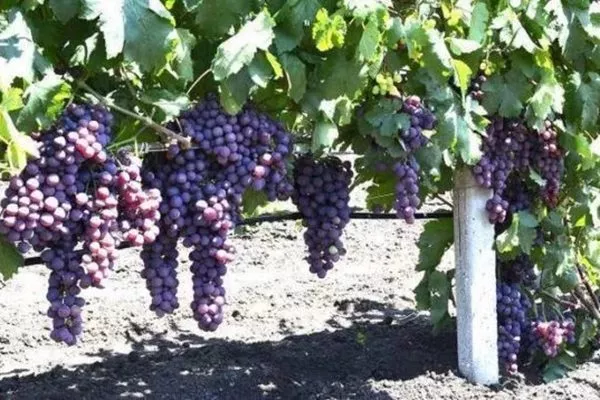
The vines are covered in bright green foliage. The petioles have a slight reddish tint. The large leaves are characterized by distinct five-lobed divisions and sharp, neat teeth along the edges. The flowers are borne in abundant inflorescences, are bisexual, ensuring complete fertilization.
Berries
The dark red berries are neatly oval in shape and are arranged in cylindrical-conical clusters. They are characterized by a rather loose structure and the ability to retain their flavor and visual characteristics for a long time, even without timely harvesting.
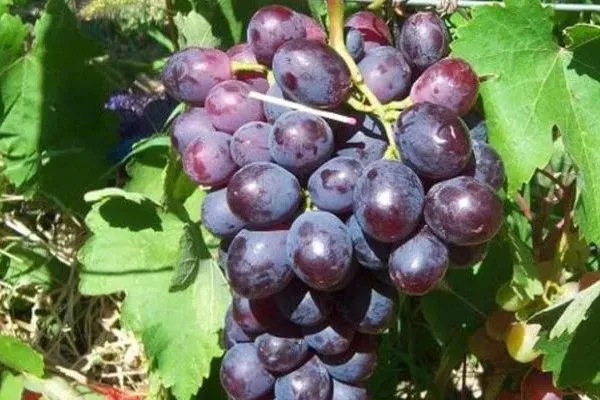
The fruits are generally large, with a good size and weight of approximately 10-15 g. In addition to their dark red color, they have a beautiful iridescent hue that appears when sunlight hits the tough skin. The juice has a pinkish tint, while retaining excellent flavor.
Clusters
They are characterized by medium density and weight. Their size ranges from 40-60 cm in length, with each cluster weighing between 500 and 1000 g.
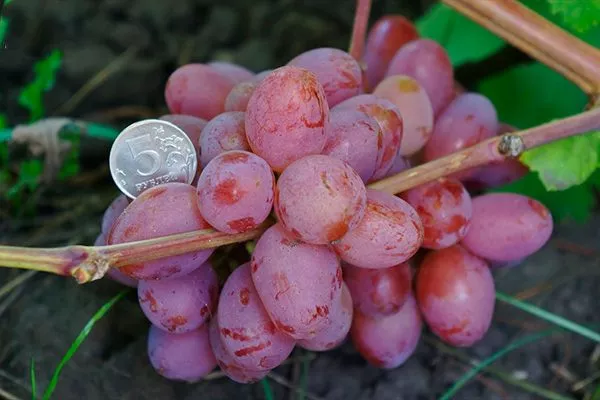
Taste
Quite harmonious, with light notes of nutmeg.
Characteristics of the variety
Its characteristics allow it to be successfully grown in central Russia and even in northern regions, provided it has adequate cover. Its high yield and low maintenance make it a welcome addition to any garden, attracting the attention of gardeners.
Frost resistance
Frost resistance is average – it easily tolerates winter temperatures down to -23°C. In cold southern regions, providing high-quality shelter is essential for successful cultivation.
Drought resistance
It is highly tolerant of drought and low rainfall. During the growing season, supplemental watering is recommended to maintain optimal growth and development.
Productivity and fruiting
A single bush can yield at least 15 kg of delicious and juicy berries. To maintain a stable yield, it's necessary to regularly thin the plantings and promptly treat the bushes for pests and diseases.
Fruiting begins early. By the third year after planting, a nearly full harvest is already formed.
Pollination, flowering period and ripening time
In early spring, flowers of both sexes appear on the shoots, eliminating pollination issues. No additional pollinators are required. The period from flowering to harvest is approximately 95-110 days. This variety is considered an early-bearing plant.
A unique feature is the stability of the fruit: they do not fall off or crack, allowing them to be stored after ripening. The longer the berries hang, the sweeter they become.
Applications of berries
Characterized by its universal use, they are suitable for fresh consumption and for a variety of dishes. Thanks to their juicy pulp, they can be used to produce delicious juice and to make compotes, jams, preserves, and other homemade preserves.
Thanks to the high sugar content, aromatic red homemade wines are produced with a pleasant, light Muscat aftertaste.
Disease resistance
It has good resistance to diseases and pests. For prevention, it is recommended to treat the crop at least twice a season. Pests pose the greatest threat. Without pest control and treatment, part of the harvest can be lost.
Chemical composition of fruits
The pulp is crisp and firm, with a sugar content of approximately 18-22% and an acidity of 5-7 units. The skin is moderately firm, allowing the fruit to be eaten with it. The berries received a very high tasting score of 9 out of 10.
Advantages and disadvantages of the variety
The "Memory of the Teacher" grape variety attracts gardeners with its excellent characteristics. It has many advantages:
- rapid onset of fruiting;
- has immunity to various diseases;
- the quality of berries is maintained during long-distance transportation;
- the fruits do not fall off when overripe;
- the bunch ripens evenly;
- has a pleasant taste and attractive appearance.
Negative characteristics include the need for regular pruning, sensitivity to soil composition, and reduced yields during prolonged periods of drought.
How to plant correctly?
When planting grapes in a plot, keep in mind that the crop will grow and bear fruit in one place for up to 20 years, and the large size of the bushes requires a fairly large area for cultivation.
- ✓ The seedling planting depth should be at least 50 cm to ensure stability and proper development of the root system.
- ✓ The distance between bushes should be at least 2.5 m to ensure sufficient space for growth and ventilation.
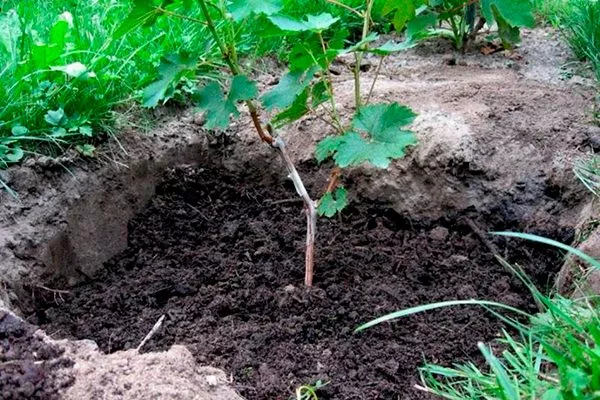
Basic rules of planting:
- Recommendations for choosing deadlines. In the south, autumn planting is acceptable, 4-6 weeks before the first frost. In temperate climates, plant in the spring, when the soil warms up to 15°C.
- Selection and preparation of the site. Choose a location with good sunlight, protected from strong drafts and winds, and with a low groundwater level.
Areas on small hills with loose, fertile soil are suitable, therefore soils with high acidity, lowlands and swampy areas are not recommended for cultivation.
Dig over the area, remove weeds, and loosen the soil. Add humus, organic fertilizer, and a mineral fertilizer to the soil. Dig holes 70-80 cm across, with a distance of 1.5 to 2 meters between plants and 3 meters between rows. Install drainage, fill the holes with soil, and water. - How to select and prepare planting material. Purchase seedlings from nurseries and specialty stores. Inspect them for damage, diseases, and pests.
Choose 1-2-year-old plants with buds or green leaves. The rhizomes should be well-developed, moist, and free of damage or abnormalities. Before planting, soak them in a clay and water mixture for 24 hours, then treat the roots with a weak solution of potassium permanganate. - Planting diagram. Before planting, trim the rhizomes, leaving only long branches. Place them in the prepared planting hole, spread the roots, and cover with soil. Tamp the soil down, water, and tie the seedling to a support stake.
After completing the work, mulch the tree trunk circle with humus.
Care instructions
Grapes don't require particularly complex care, but careful watering and timely pruning are essential for their health and fruiting. Follow these agricultural practices:
- Watering. Water young plants every 7-10 days, switching to a standard schedule once they've established roots. Mature plants require watering 3-4 times a season, approximately once a month, using 30-50 liters of water.
The amount of water needed depends on the age and size of the plant. Watering is especially important before flowering and during fruit set. - Top dressing. In spring, use a manure solution. Before flowering and fruiting, apply mineral fertilizers. After harvest, add humus, organic matter, and a mineral complex. Use nitrogen fertilizers only at the beginning of the growing season.
- Trimming. Perform sanitary pruning in spring and fall, removing old, broken, damaged, and diseased shoots. Perform formative pruning in the fall, cutting shoots back to 6-8 buds. Remove side shoots promptly.
- Protection from birds and insects. Protect the bunches with fine-mesh netting. Use shiny objects to repel birds.
- Preparing for winter. In cold regions, insulation with film or special material is required. Before winter, insulate the bushes, water them generously, and mulch the area around the trunk.
- Preventive spraying. To prevent diseases and pests, carry out treatment twice a year: in early spring and late autumn.
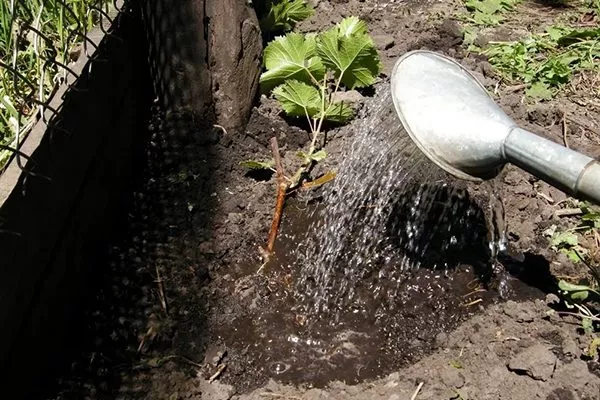
Pay attention to the crop to ensure the highest yield.
Methods of reproduction
There are several ways to increase the number of bushes. The variety is propagated vegetatively, including the following processes:
- Cuttings. Harvest in late spring from strong shoots of mature plants. Cut the shoot into equal pieces, each 25 to 30 cm long, with 3-4 buds or green leaves on each cutting. Plant in pots or containers with fertile soil. In early fall, transfer the young seedlings to pre-prepared planting holes.
- Graft. Use cuttings for this procedure. Graft them onto an old grapevine as rootstock.
- Layers. These are young shoots. In early summer, bend the layer down to the ground and cover it with soil. The upper part of the shoot remains above the soil surface. Once the layer has rooted, separate it from the mother plant and transplant it to a separate planting site in the fall.
| Method | Rooting time | Success rate |
|---|---|---|
| Cuttings | 3-4 weeks | 70-80% |
| Graft | 4-6 weeks | 60-70% |
| Layers | 5-7 weeks | 80-90% |
Choose the most optimal propagation option for yourself in order to plant the appropriate number of bushes in your garden.
Diseases and pests
Poor crop care and unfavorable weather conditions increase the risk of disease and pest attacks. Identify the problem promptly:
- Leaf roller. The small butterfly feeds on plant sap, but the real danger is the caterpillars. They can destroy leaves, shoots, ovaries, flowers, and fruits. To prevent and control the insect, use chemical and biological pesticides.
- Phylloxera. Grape aphids, imported from America, can quickly destroy a planting. They attack both the tops and the roots. To combat them, use insecticides, treating both the bushes and the soil.
- Felt mite. The pest attacks leaves, buds, shoots, and fruits, creating small brown and white felt-like growths. For control, use high-concentration chemicals.
Prevention plays a key role in maintaining health and ensuring a good harvest. Regularly treat your plants with specialized products against fungal and bacterial infections.
Harvesting and storage
Berry picking begins in early August. If the weather is favorable, the first ripe bunches appear by the end of July.
Tips and advice from experienced gardeners
The main care recommendations for this variety include timely watering and monitoring the load on the bushes. Maintain an optimal number of buds on a mature plant, ranging from 30 to 40.
Reviews of the variety
Growing the "Teacher's Memory" grape is easy for novice gardeners. It requires little care and doesn't require much time. Simply ensure the plant receives regular watering, fertilizing, and other maintenance to produce large clusters of juicy fruit.