
Grapes require high levels of care. To ensure the plant delights its owners with large clusters of sunny, aromatic berries, it's necessary not only to tie it properly and shape it through pruning, but also to spray it with appropriate treatments on a timely basis.
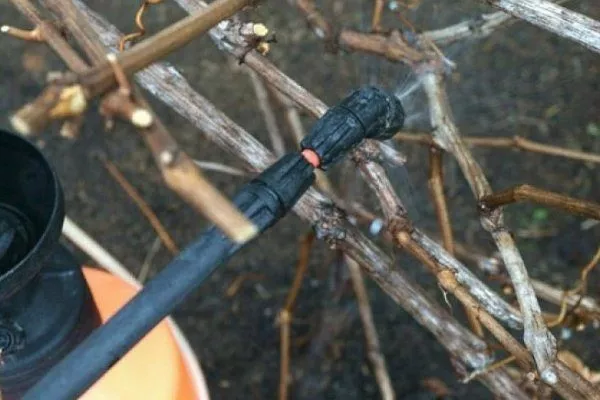
Why is it necessary to spray and treat grapes in spring?
The main goals of spraying grape bushes in spring are to prevent the occurrence of:
- fungal diseases;
- mold;
- pathogens and insect pests.
- ✓ The air temperature should not be below +5°C for most drugs, except those specifically indicated.
- ✓ Air humidity should not exceed 70% during treatment to avoid leaf burns.
It's best to treat the bush in the spring, as this will help prevent various infections and diseases. Prevention is always much more effective than treating an existing disease.
Timing of spring grape processing
If you plan to treat grapes, it's worth considering that, for example, before the buds open, pests cannot harm the bush, but after the leaves hatch, the disease can immediately attack the plant.
It is also important to note that some preparations should not be allowed to come into contact with the plant's leaves, otherwise they can cause a burn.
Thus, spring treatment of grapevines can be divided into three main stages, depending on the stage of bud opening:
- The first, earliest stage of processing is carried out when the buds are just beginning to swell.
- The second stage of treatment is carried out when the buds begin to open vigorously throughout the vine. At this point, bush diseases become more active and harmful insects begin to appear.
- The third stage is carried out only when the leaf on the bush has fully formed.
Here are the main reasons why it is almost impossible to do without processing grapes:
- Fungal spores float in the air, especially in areas with clusters of garden plants.
- An unkempt garden and the area directly under the bush, where last year's leaves and pruned branches are not removed, are the place where spores "overwinter" and thrive.
- Spores are also found in the soil. Therefore, after spring digging, the gardener releases them into the air.
It's impossible to completely eliminate spores. But it is possible to reduce their concentration—and this is the most important task of spring treatment. Today, gardeners can choose from a wide selection of chemical and natural products in specialized stores that can effectively combat diseases.
Once the last frosts have passed and the insulating coverings have been removed, it's time to prepare the vines for treatment. This should begin with a rooting spray. This type of spraying is applied not only to the surface of the vines but also to the soil surrounding them.
As soon as a leaf appears - this spraying is called preventative - it is already carried out on the foliage of the plant when the phase of appearance of 4-5 leaves begins.
In the video below, an experienced gardener explains the various grapevine diseases and conditions, and shares methods for combating them in the spring:
- ✓ Contains live microorganisms as indicated on the packaging.
- ✓ The shelf life is no more than 6 months from the date of production for most biological products.
What to spray with?
There are a wide variety of preparations and folk remedies for treating vines. Such treatment can be carried out using:
- Fungicides – systemic and contact, they allow you to cope with most grape diseases.
- An aqueous solution of baking soda.
- Copper sulfate, which is an excellent source of microelements, also acts as a fungicide, combating the growth of moss or lichen in excessively humid conditions.
- Colloidal sulfur can be used in combination with copper fungicides. Colloidal sulfur creates a powerful barrier, preventing various vine diseases for 10-15 days.
- Specialized drugs such as Falcon and Rescuer.
- Biological drugs.
- Folk remedies that use infusions of various herbs and various available substances.
Biological agents
If you don't want to use chemicals on your property, you can choose biological products. They can also effectively combat plant diseases and kill harmful insects.
It's important to remember that fungicides not only rid the plant of pests but can also destroy non-pathogenic microflora. This means that treatment with biological products will preserve the necessary bacteria and insects on the vine that promote proper development.
The main, most common biological agents include:
- Fitosporin-M;
- Trichodermin;
- Planriz;
- Pentophagus;
- Gaupsin.
| Name | Type | Effective against fungal diseases | Effective against bacterial infections | Safety for humans |
|---|---|---|---|---|
| Fitosporin-M | Biopreparation | High | Average | High |
| Actofit | Biological insecticide | Low | Low | High |
| Trichodermin | Biopreparation | High | High | High |
| Ecogel | Biopreparation | Average | Average | High |
| Mikosan | Biopreparation | High | Average | High |
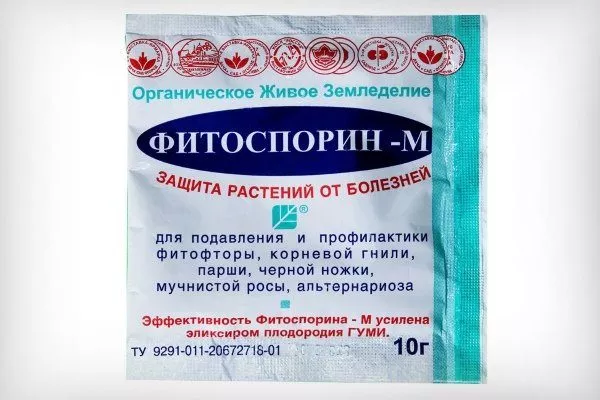
Fitosporin-M
This bio-product has the following advantages when used:
- Eliminates diseases caused by fungi, bacteria, late blight, bacterial cancer, powdery mildew.
- Can be used on both planting material and adult plants.
- Can be used at absolutely any stage of vegetation.
- Ecologically friendly and safe for both humans and pollinating insects.
- Price category – affordable.
Flaws:
- It is not as effective as the group of drugs belonging to fungicides.
- In the sun, the components of the drug quickly decompose.
To maximize the effectiveness of Fitosporin, the vines should be treated three times: the first time at the bud swelling stage, the second time at the inflorescence stage, and the third time after harvesting.
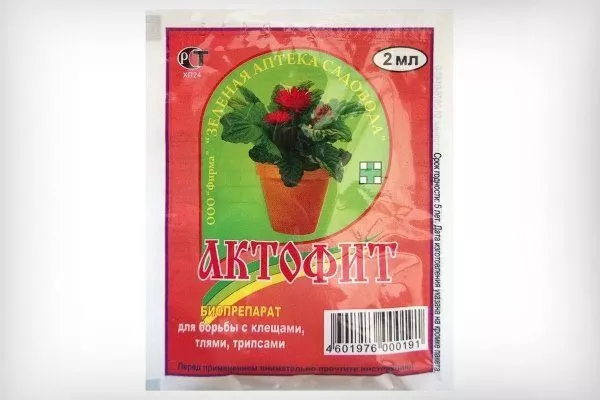
Actofit
This product belongs to the group of biological insecticides. It is effective against mites, aphids, and other pests.
The main active ingredient of the drug is the neurotoxin avertexin, which destroys the nervous system of pests.
Before using the product, ensure the ambient temperature does not drop below 18°C. Atofit should be thoroughly mixed with water until a homogeneous emulsion is obtained.
Actofit effectively controls grape pests such as grape leaf rollers and spider mites. One to two treatments are required to eliminate the problem.
Trichodermin
The drug is similar in action to a group of fungicides. It has a pronounced antibiotic effect. It has proven effective in combating most bacterial infections and fungal diseases.
Grapes treated with Trichodermin can be protected from coccomycosis, scab, powdery mildew, and rust.
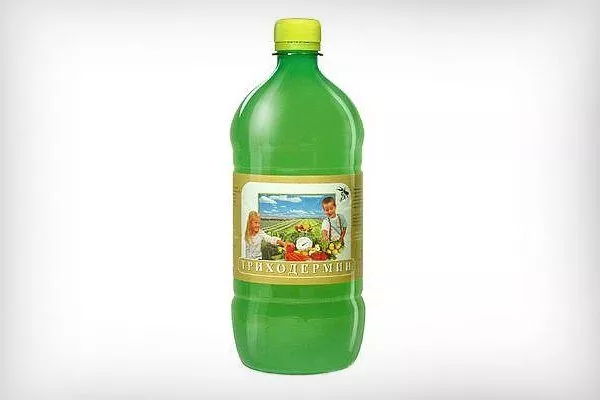
Important: Use only dechlorinated water to dilute the preparation, otherwise the Trichoderma fungal spores (the basis of the preparation) will be killed.
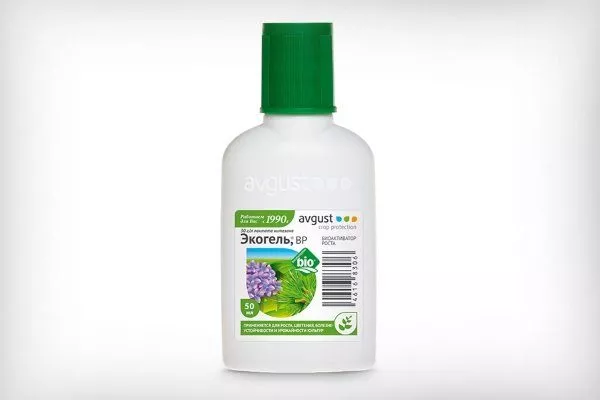
Ecogel
Ecogel activates the grapevine's internal defenses, enabling the plant to effectively fight off diseases and pests. The product exhibits the following properties: immunomodulatory, antimicrobial, antifungal, and fungistatic.
Treatment during adverse weather conditions softens the impact on the plant and activates its internal resistance. The first treatment can be done by watering the plant at the root—this is done before the first leaves appear on the vine. After the leaves have formed, spraying can be done.
Mikosan
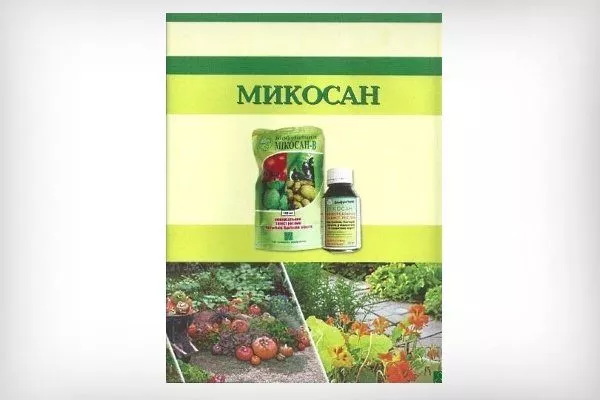
The toxic substances in Mikosan do not penetrate the plant, therefore causing no harm to it or humans. Like most biological products, Mikosan stimulates the plant's own immune system. This ensures its effectiveness in fighting diseases.
Mikosan spraying can be started quite early. A temperature of 5°C is already suitable for treatment. The solution concentration depends on the number of treatments being performed.
If this is your first treatment, use 100 ml of the product per 3-4 liters of water. As the leaves form on the vine, apply a second treatment. Typically, this is done after 2 or 3 weeks. At this point, the concentration can be halved.
For the third treatment, which is carried out preventatively and at the same interval, it's preferable to have weather conditions conducive to disease development. This includes high humidity, fog, and dew. However, in this case, the concentration is further reduced. Therefore, 100 ml of Mikosan is diluted in 10 liters of water.
Chemicals
The plant may be susceptible to a wide variety of diseases, such as:
- Fungal diseases – mildew, oidium, altracnose, alternaria, various types of rot, verticillium wilt, armillaria.
- Bacterial lesions – bacterial cancer, bacterial necrosis, sour rot, bacteriosis.
- Viral diseases of vineyards – chlorosis, necrosis, vein mosaic, leaf marbling
Chemical treatments can be effective in controlling these diseases. They quickly relieve the plant's symptoms and last longer than biological treatments.
| Name | Type | Effective against fungal diseases | Effective against bacterial infections | Safety for humans |
|---|---|---|---|---|
| Copper sulfate | Chemical preparation | High | Average | Average |
| Ferrous sulfate | Chemical preparation | High | Low | Average |
| Bordeaux mixture | Chemical preparation | High | Average | Low |
| Urea | Chemical preparation | Low | Low | High |
| Colloidal sulfur | Chemical preparation | High | Low | High |
| Quadris | Chemical preparation | High | High | Average |
| Ridomil | Chemical preparation | High | Average | Average |
Copper sulfate
After the vines are uncovered, they are treated with copper sulfate 1-2 days later. If the climate in the region allows for uncovered vineyards, the treatment is carried out when the average daily temperature reaches at least 5°C.
Otherwise, copper will contribute to the kidney freezing, as this is the property of this drug.
In summer, as soon as the first signs of disease appear, the bush should be treated with copper sulfate. This will avoid the need for more potent treatments. The solution concentration ranges from 0.5% to 3%, depending on the type of disease:
- For lotions, use a weak 0.5% solution.
- For lotions, stronger solutions of up to 3% are used to get rid of lichens and powdery mildew.
- For older, more vigorous bushes, you can use a more concentrated 5% copper sulfate solution. However, remember that such intensive treatment is only permitted in the fall.

It is important to always keep the application of copper sulfate under control, as excess copper is harmful to grape bushes.
Ferrous sulfate
Early treatment of grapevines with copper sulfate is beneficial. Besides enriching the soil with iron, this solution effectively eliminates pests and combats diseases.
You can prepare a weak solution if the grapes are affected:
- gray mold;
- mildew;
- anthracnose;
- spotty necrosis.
Iron sulfate will also delay bud break, thereby protecting it from possible spring frosts.
Watch a video about treating grapes with iron sulfate after winter:
Bordeaux mixture
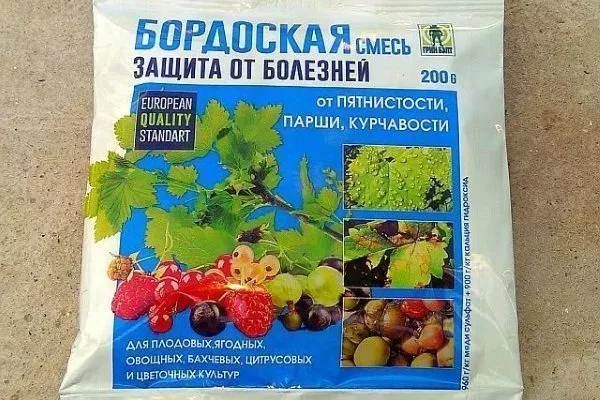
Bordeaux mixture is highly toxic. Also, avoid using too much of it—use 2-3% solutions, as a more concentrated solution can significantly slow down the rate of bush formation.
The first treatment is carried out on unopened buds. To do this, thoroughly water the vines and surrounding soil with a 3% Bordeaux mixture solution.
The second treatment is carried out before the grapes begin to bloom. This is done so that the Bordeaux mixture reaches the area where the grape clusters will form. In this case, the solution concentration should be reduced to 1%.
The vine is treated with the same low concentration when it has already finished flowering.
Grapes can also be treated during fruiting, but this should be done with an eye on weather conditions. If the weather is too hot and dry, wait until 10 leaves have formed. If the weather is too wet and rainy, 5 leaves should be formed.
After the fruiting period, when the harvest has already been collected, the bush can be treated again, but this should only be done if the vine was heavily affected by mildew during the growing season.
The success of this preparation in grape cultivation lies in the fact that it remains on the plant for a long time, providing protection for 1 month against many diseases.
Urea
Urea is a nitrogenous substance. It should only be applied once the plant is 2-3 years old and in the spring. To do this, use approximately 20-30 g of the product per 1 liter of water, mix thoroughly, and spray the plant, ensuring both the vine and the soil beneath are affected.
Urea is able to effectively combat insect pests, in addition to being a fertilizer for plant growth.

Colloidal sulfur
Treatment with colloidal sulfur is very effective against a wide variety of diseases, fungal and mold infections.
Colloidal sulfur treatment is safe if the dilution instructions are strictly followed. Furthermore, it has no toxic effect on the plant itself, making it a fairly environmentally friendly product.
Treatment should only be carried out on sunny, windless days. There should be no precipitation. The product should be applied to both the outer and inner surfaces of the leaf.

It should not be used during flowering and should not be mixed with other preparations.
Quadris
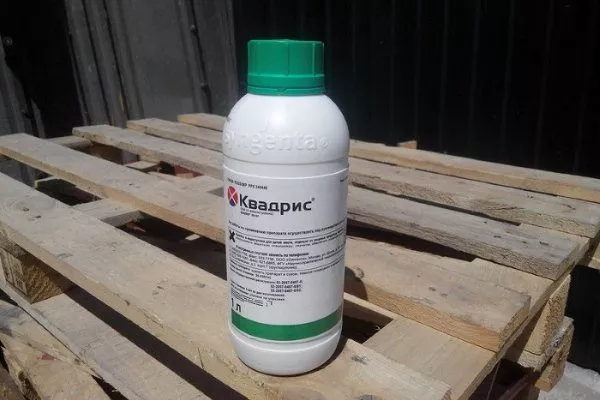
Quadris is a fungicide. Therefore, it is used not only to kill fungi but is also effective against bacterial and viral diseases. Quadris is suitable for all grape varieties.
The solution kills fungal spores and other infectious agents within two days (the duration of its intense action). When using the solution, strictly follow the instructions on the packaging.
Quadris effectively helps to destroy:
- mildew;
- gray mold;
- peronoporosis;
- oidium;
- black spot.
Ridomil
The use of Ridomil is justified when the vineyard is affected by:
- Alternaria;
- Mildew.
Ridomil should be used in the following concentration:
- for a large bush 25 g of the preparation per 10 liters of water;
- for a young bush - 10 g of the preparation per 10 liters of water.
Positive characteristics of Ridomil:
- non-phytotoxic;
- In addition to protecting the bush itself, the root system of the plant can also be protected;
- quickly penetrates into the plant.
The video below provides an overview of the product "Ridomil," and also explains which pests are treated with this product:
Folk remedies
If a vineyard is infested with aphids, the plant can be washed with a 0.3:10 soap solution. To combat phylloxera, plant parsley near the vines. Fumigating the vines with tobacco smoke will help against leaf rollers.
If caterpillars have appeared on the vines, you can get rid of them by spraying the grapes with a strong wormwood infusion for 1 week, repeating the procedure daily.
The mites will disappear if you spray the plant with a decoction of onion peels. To prevent mildew, plant dill bushes nearby or spray the plant with milk diluted with water at a ratio of 1:10.
Spring grape processing in different regions
It is worth mentioning that plants that grow in less favorable regions will require more careful care for the cultivation of this crop.
Since humid weather is less common in southern regions, fungus develops less frequently. The more humid the summer climate, the more closely the plant needs to be monitored.
Moreover, many products require specific temperature conditions for spraying. It is important to strictly follow the instructions on the packaging.
It's also important to keep in mind that if winters are cold, the vines should be covered with agrofibre. In the fall, it's important to remove all dead shoots and prevent fallen leaves and branches from accumulating under the bush.
Helpful tips
It's important to remember that the rule "the more, the better" doesn't apply when spraying, whether with chemicals or biologicals. Overdoing it can harm the plant.
When applying the plant in spring, be sure to secure the branches before spraying. They should not lie on the ground. Trellis or wire can be used for this purpose.
Before treatment, severely affected areas of the plant should be removed and burned. This will help prevent the spread of the disease.
Under no circumstances should you throw away branches or leave them in open spaces, as the disease may return or spread to a neighboring area, and from there return to its original location.
It's essential to spray grapes in the spring. This will help avoid many problems and produce a better harvest.