
The Nero grape originates from Hungary. The exact year of its selection is unknown, but the variety was created by crossing Gardonyi Geza and Villard Blanc. It has many other names, including Nero, Bornemissza Gergely 15, Bornemissza Gergely 15, and Nero. The result is a grape that combines the best characteristics of its parents.
Description and appearance
Nero is an early-ripening variety, with berries ripening in at least 115 days in the south and 120 days in cooler climates. Characteristics:
- Bush. A medium-sized, yet branched plant. The foliage is medium, and the flowers are bisexual, so the plant does not require pollinators. The vines are very strong, with light-brown bark when young and darker later. The leaves are a classic green shade and grape-shaped.
Too many buds are formed, which increases the strain on the shoots. Winegrowers recommend leaving a maximum of 35 buds. To achieve this, pruning is done in the spring to the eighth bud.

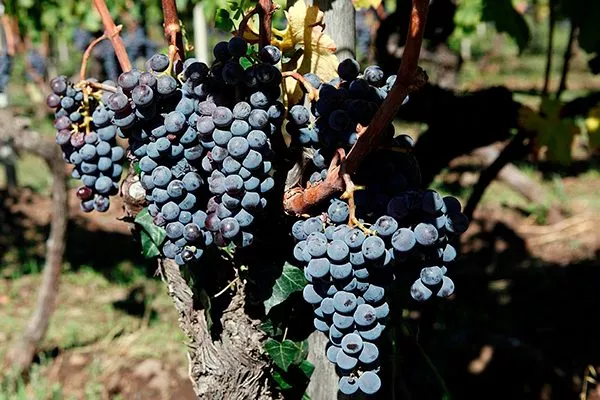
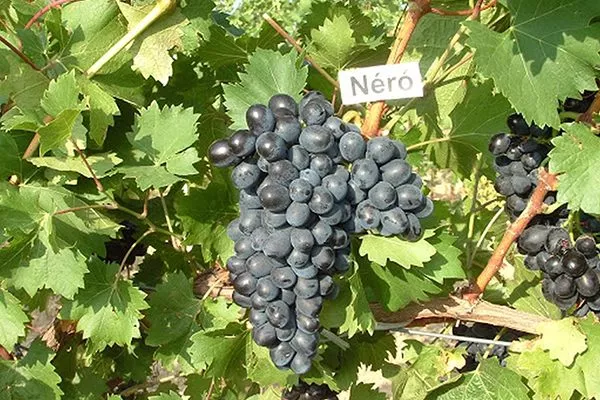
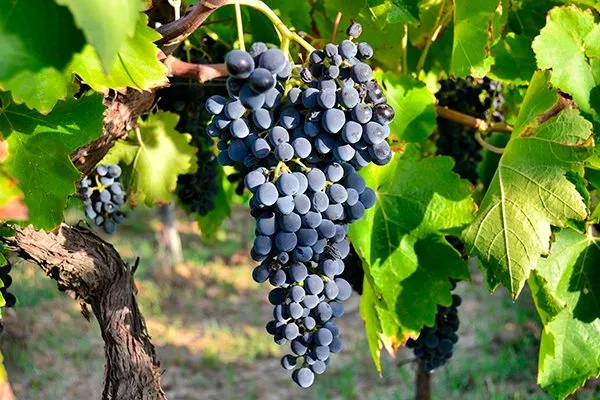
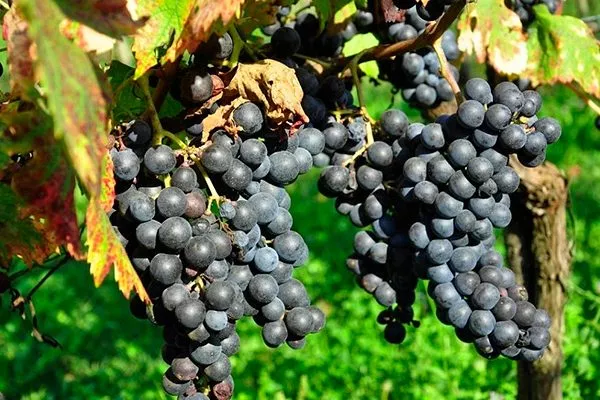
- Clusters. They are characterized by a medium weight—400 to 500 grams—and a standard conical shape with wings. The density is medium, and each berry is aerated.
Berries and their taste
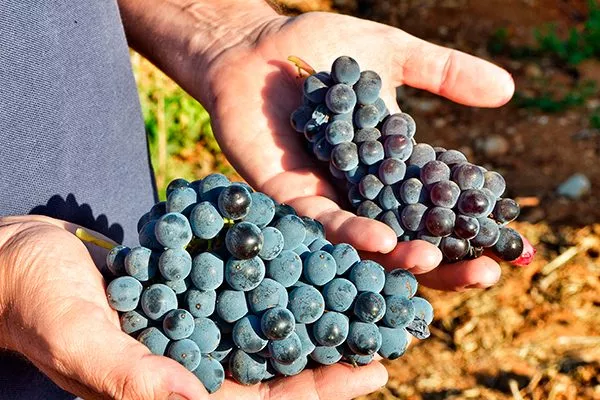
The fruits are small, weighing between 3 and 5 grams. They are oval in shape and a rich, dark blue color. The skin is medium thick, but feels almost imperceptible in the mouth and doesn't interfere with the flavor. It also doesn't crack during transportation. The surface has a slight purine coating.
- ✓ High resistance to fungal diseases, except for gray mold, which requires special attention to the prevention of this disease.
- ✓ The ability of berries to remain on the bunches for a long time at technical ripeness, which allows for flexible harvest planning.
Basic characteristics
It is characterized by its table use, average yield, and high shelf life and transportability. Other features:
- frost resistance – shoots and roots are not subject to freezing at temperatures from -18 to -22 degrees;
- Resistance to diseases and pests, especially fungal ones, is high, but it is often susceptible to gray mold.
Pros and cons
Before purchasing and planting Nero grapes, carefully review the variety's pros and cons to avoid disappointment.
Landing rules
The Nero grape is widely cultivated in warm climates, but gardeners also grow it in the Central Belt, Siberia, and the Urals. To do this, the bushes must be wrapped for the winter to prevent frostbite of the stems.
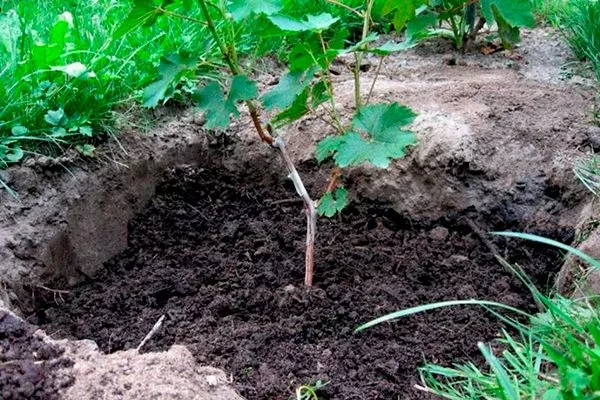
- ✓ The planting hole depth should be at least 60 cm to provide sufficient space for the root system to develop.
- ✓ The distance between bushes should take into account not only the 85x85 cm planting pattern, but also the future growth of the vines, in order to avoid thickening.
Some nuances:
- planting is carried out only in spring, since the bush does not tolerate winter colds well when planted in autumn;
- optimal soil is loam, sandy loam and black soil;
- It is important to treat the fertile soil in the planting hole with Trichodermin;
- the best age for a seedling is 2-3 years;
- planting pattern: 85x85 cm.
Care Features
Nero doesn't require any special care after planting—it doesn't even need fertilizing for the first two years. After that, follow these guidelines:
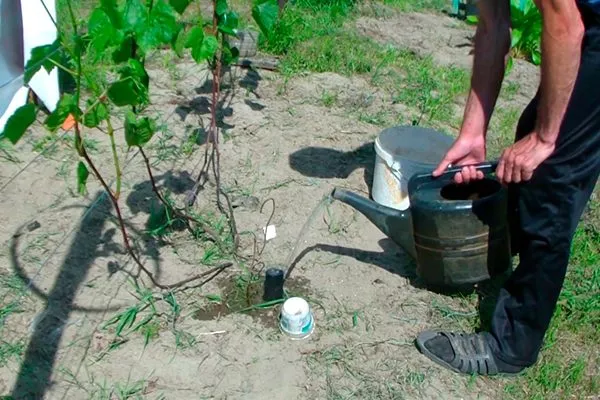
- Watering. You should begin watering the soil in mid-April, with the last watering occurring before October 10th. Apply water once every 10 days, with a watering volume of approximately 50 liters. Apply water around the trunk area, but only at the roots when flowering begins.
- Top dressing. The variety's favorite composition is potassium and phosphorus, so avoid overdoing it with nitrogen fertilizers. Fertilizing schedule:
- Before budding, add boric acid or nitrophoska;
- a couple of days after flowering ends, you will need Superphosphate;
- when pouring berries, potassium salt or urea is used;
- In early October, in preparation for winter, organic matter is needed – compost, rotted manure, humus.
- How to trim. The bush should be shaped in the fall, at the beginning of October. For this, a fan-shaped shaping technique with three wings is used. Initially, shoots are shortened to eight buds, and standard sanitary pruning is performed in the spring.
- How to cover for the winter. In many regions of the country, grapes require insulation. But before this, the plants need to be fertilized, watered for moisture, and hilled. Be sure to mulch the soil with peat and wrap the shoots with burlap or agrofibre.
Diseases and pests
For Nero, there is only one disease and other factors that pose a danger:
- Gray rot. The fungus thrives in conditions of excessive humidity and appears as a grayish-white coating on the buds and foliage. Treatment involves Euparen and Ronilan. Treatments are administered twice, 10-12 days apart.
- Leaf roller. It appears when plantings are too dense. It can be controlled with Alatar and Desant, but for prevention, it's better to use Tokution or Ecomet.
- Birds. The berries are quite fragrant, so their aroma attracts birds. These are most often thrushes, jackdaws, and starlings. To prevent them from destroying the entire harvest, place the bunches in special mesh bags. Alternatively, you can install portable bird repellents.
Cleaning and storage
The harvest ripens in early autumn. The bunches should be harvested with sharp pruning shears and immediately placed in storage containers. Don't worry about the berries becoming overripe—they can remain on the bunches for a long time at technical ripeness. Storage should be done in a room with an air temperature of 3 degrees Celsius.
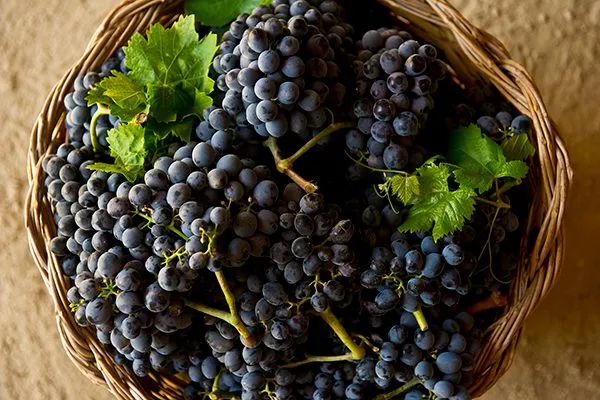
Nero grapes are a delicious treat with versatile uses. The berries are eaten fresh, pickled, preserved, and used to make sweet juice and Muscat table wine. To prevent berry infection, remove all leaves below the clusters in early fall.