
Muscat White is a popular variety among gardeners who have been cultivating grapes for many years. In Russia, it is especially common in the southern regions. This variety is considered a commercial grape. Its berries are very aromatic and uniform, making them versatile.
How and when did the variety originate?
Muscat White is a grape variety developed in the Soviet Union over 80 years ago. It was officially registered in the catalog of breeding innovations in 1945, and its founder is considered to be L. P. Troshin from Krasnodar. This variety is one of the oldest.
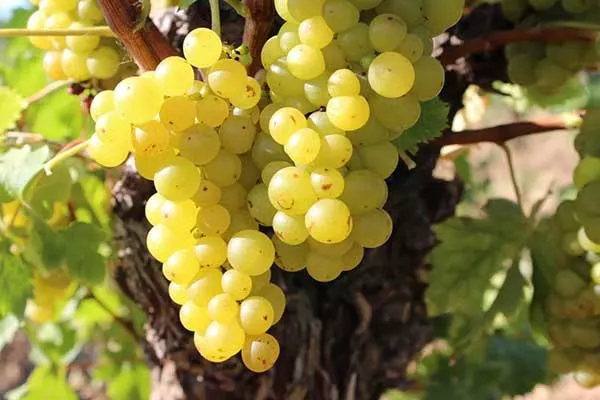
It is believed that the selection of this variety began in the Middle East, including Syria, Egypt, and the Arabian Peninsula. Since then, Muscat Blanc has gained popularity worldwide – it is grown in Russia, Spain, on plantations in Italy, Bulgaria, France, Hungary, the Balkans, and the United States.
Muscat White – Grape Characteristics
In spring, vineyard buds begin to sprout early in the season, making them vulnerable to unexpected cold snaps. Branches emerging from reserve buds often fail to produce fruit.
Bush
White Muscat is a moderate-growing shrub. Young shoots are gray with a greenish tint and densely pubescent. Note other characteristics:
- Leaves at the beginning of the growing season have a pink or wine-red hue and can be three- or five-lobed. Grape leaf blades are funnel-shaped and later turn a rich green, with the undersides covered with fine fibrous pubescence.
- The petiole notches are closed on most plants, but the opening is still noticeable.
- The bush produces flowers of both sexes, which facilitates self-pollination, especially under favorable weather conditions.
- Young shoots strive upward, bending towards the surface of the earth only at the very top.
- The bushes are small in size and round in shape.
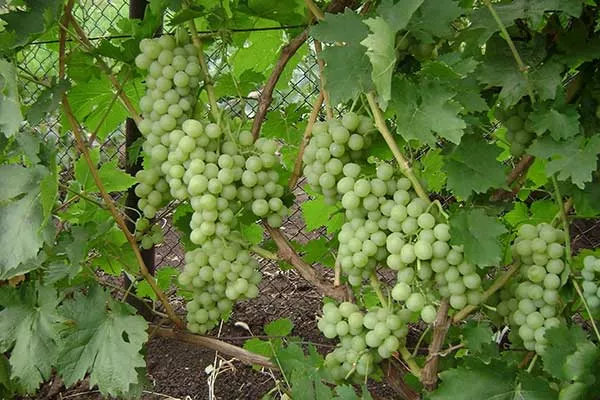
Clusters
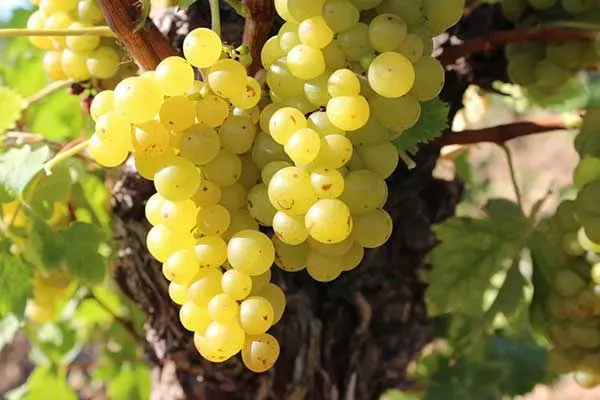
Muscat blanc grapes are characterized by medium-sized clusters with a characteristic cylindrical-conical shape, although they can sometimes be straight. These clusters weigh between 100 and 450 grams and are distinguished by short, comb-like tendrils.
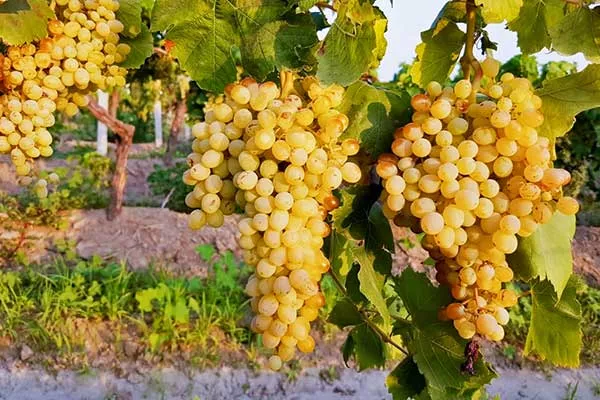
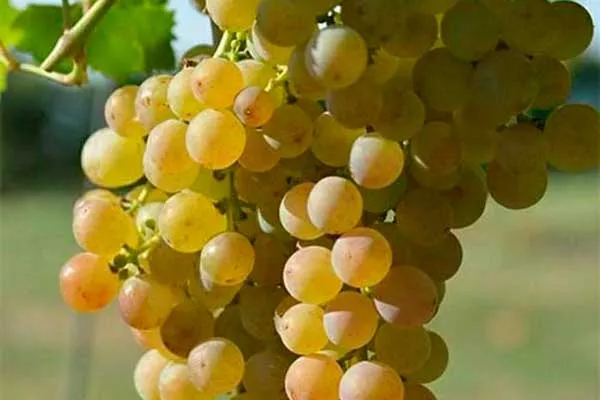
The grapes are green with a slight pinkish tint and reach maturity only in the upper part.
Fruit
The berries of this variety have their own varietal characteristics:
- rounded shape;
- can vary in size - their average diameter ranges from 10 to 18 mm, and their weight ranges from 1.4 to 1.9 g;
- the color is golden-yellow, and on the sunny side it can have a bronze tint;
- Each berry contains two seeds that can be used to grow new plants, as Muscat blanc is a cultivar, not a hybrid.
Vine
Young shoots are green and reach maturity at 75-90% of their length. Later, they turn light brown, with dark spots appearing on the nodes.
Mature bushes often have many sterile shoots, which need to be periodically removed. This helps maintain high productivity.
Characteristic
This variety is distinguished by its exquisite flavor. The fruits have a rich Muscat aroma, making them ideal for winemaking. They ripen fairly quickly, and the main harvest takes place in September.
Pollination, fruiting
Regarding pollination and fruiting, the variety is self-pollinating due to the presence of flowers of both sexes. However, to increase yield, artificial pollination is recommended in early spring.
Fruiting begins as early as the third year after planting, and fruiting depends on weather conditions and the quality of care.
Ripening of Muscat White
It belongs to the mid-season varieties, and its ripening period lasts throughout September, sometimes touching the first days of October, while the vegetation period lasts from 140 to 150 days.
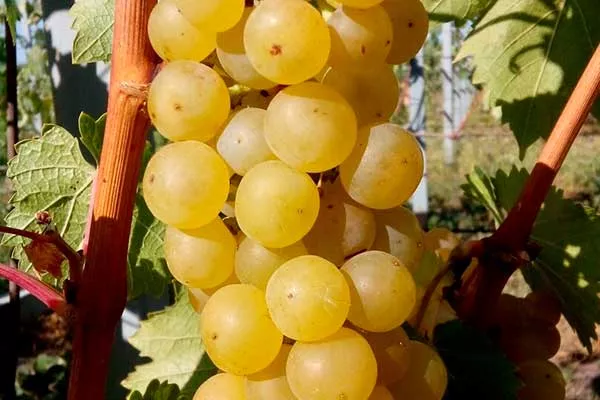
The rate at which grapes ripen depends on many factors, including geographic region, number of sunny days, temperature conditions, and more. It's important to pick the berries at the right time, as they tend to fall off.
Productivity
The productivity of the Muscat White grape variety is not constant and can fluctuate between 60 and 120 centners per hectare. This variability is explained by the low percentage of fruit-bearing shoots—only about 44%.
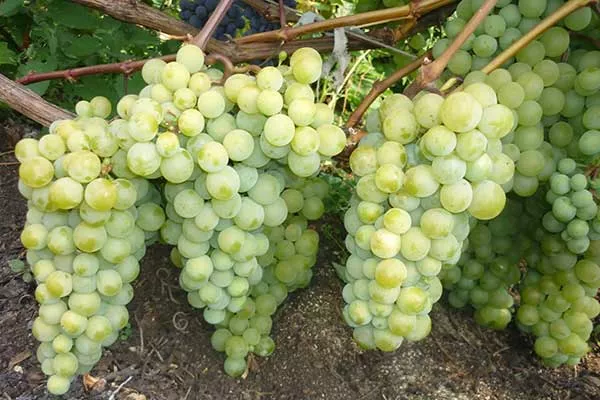
The fruiting coefficient is 0.46, and the yield is 1.22 bunches per shoot. On average, one bush can yield approximately 9-15 kg.
Taste
The berries have a distinctive muscat aroma. The pulp is quite juicy, and the skin is delicate. The grapes' flavor is enhanced by a slightly tart note, which is especially prized by grape and wine connoisseurs.
Cultivation regions
Muscat White thrives throughout southern Russia, including the North Caucasus, Krasnodar and Stavropol Krais, and the Crimean, Adygeya, and Kalmyk Republics. According to the breeding register, this grape variety can grow successfully in the Lower Volga region, Volgograd, and Astrakhan.
Cold resistance
Muscat isn't particularly winter-hardy and requires protective cover even in southern climates, whether young plantings or mature bushes. The maximum temperature at which frost damage can occur is -18 degrees Celsius.
Drought resistance
In terms of drought tolerance, this variety demonstrates acceptable performance. It is able to extract the necessary moisture from deep soil layers, easily surviving dry periods. Lack of regular watering may reduce fruiting and yield.
At the same time, overwatering is dangerous for shrubs, as it promotes rot. Therefore, even for young seedlings, it's important to maintain moderate watering.
Disease/insect resistance
White Muscat doesn't have a particularly strong immune system. It's susceptible to diseases such as mildew and gray mold, and is also vulnerable to phylloxera, grape berry moth, and spider mites. Therefore, preventative treatment with fungicides/insecticides is recommended in the spring.
During the summer, it is important to regularly inspect the bushes and, if pests are detected, use effective folk remedies or insectoacaricides.
Scope of application
Muscat grapes are cultivated commercially to produce exclusive dessert wines, as well as champagne, juices, and raisins. This grape variety imparts a delicate citrus aroma with hints of rose to beverages.

Muscat berries are ideal for fresh consumption and are often found on supermarket and market shelves.
Composition and benefits of Muscat grapes
The fruiting portion of the grapevine contains sugars, as well as vitamins C, E, K, and B vitamins, and trace elements such as zinc, selenium, phosphorus, magnesium, and iron. Thanks to this composition, grapes have the ability to normalize blood pressure, increase productivity, and improve memory and concentration.
However, it should be noted that due to the high content of simple carbohydrates, its consumption is limited for people with diabetes and excess weight problems, so it is recommended to eat it in moderation.
Features of planting seedlings
Muscat White, considered a variety with specific requirements, requires special attention and a careful approach when choosing a growing site and preparing seedlings.
Recommended timeframes
Considering the variety's sensitivity to low temperatures, it is preferable to plant seedlings in the spring so that the grapes have time to strengthen and take root securely.
Other features:
- In areas with severe winter frosts, spring planting is the only option, as young plants may not survive the winter and die.
- The optimal time to begin planting is when the danger of spring frosts has passed and the likelihood of their return is minimal.
- By this time, the soil temperature should rise to 10 degrees Celsius.
- Autumn work is only possible in the hottest climates.
Choosing a suitable location
Before planting grapes in your garden, you need to carefully prepare the area. It must meet a number of conditions:
- Grapes have a particular need for bright sunlight and warmth, so their cultivation site should be as sunny as possible. In shade or partial shade, Muscat grapes will not grow and develop normally.
- It's important to ensure adequate air circulation around the vines while avoiding strong winds. Various structures, such as fences, hedges, or a north-facing house wall, are typically used to protect the vineyard from northerly gusts and cold air.
- The elevated location of the site helps prevent flooding of shrubs, since the groundwater level should not be higher than 4-4.5 m.
- Soils with neutral or slightly acidic pH (within the pH range of 5.5 to 7) are optimal for growing the Muscat White variety. This variety thrives particularly well in chernozem soils.
- ✓ The optimal soil acidity for White Muscat should be within the pH range of 5.5-7.0, measured before planting.
- ✓ The depth of groundwater should not exceed 4-4.5 m to prevent root rot.
To improve grape growing conditions, experts sometimes add gravel and stones to the soil, which has a beneficial effect on vineyard growth on loam and rocky soils.
Neighborhood with other cultures
Selecting neighbors for Muscat blanc grapes is no less demanding than for other varieties of this plant. It's important that the partners avoid creating shade, as the vineyard requires abundant sunlight and warmth.
Annuals with shallow root systems make ideal neighbors. Rose bushes also make excellent companions, as they can be protected from winter frosts along with grapes.
Selection and preparation of planting material
The price of this variety of seedlings remains affordable, but it is recommended to order them from specialized nurseries or reliable suppliers. You can only check that the purchased variety meets your expectations after the first harvest. By this time, the grapes will be well established, and caring for them will require considerable effort.
When choosing seedlings, several key criteria should be taken into account:
- the ideal age of a seedling is 1 year;
- shoots should be uniform in color and healthy in appearance;
- the bark should not have any spots, inclusions, dry or rotten tissue;
- The root system should be well developed and have at least three shoots with a diameter of about 3 mm.
Site preparation
Careful preparation of the site for future planting is crucial. This process begins well in advance. The selected area must be cleared of unwanted plants and enriched with organic matter. Space between future plantings should be at least 2 meters.
The process of planting young seedlings
For successful plant growth, planting holes should be deep enough—about 80 cm. This will provide protection from freezing in cold climates and from the effects of drought in warmer regions.
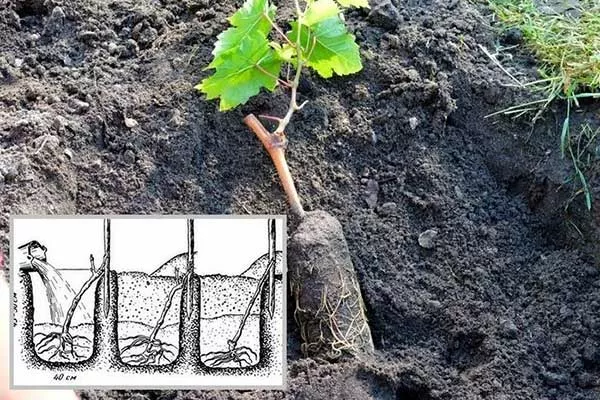
The process of planting plants is as follows:
- Place a drainage layer at the base of the pit, which can consist of crushed brick, gravel or screenings.
- Then mix the soil removed from the hole with compost, pebbles, and mineral fertilizers such as crushed charcoal, potassium sulfate, urea, superphosphate, and others.
- Next, carefully remove the plant from the packaging.
- Trim off damaged roots and shorten healthy root shoots to 3-4 cm.
- Prepare a thick mixture – a combination of clay and humate dissolved in water.
- Then dip the roots of the plant into this mixture and let them dry a little.
- Carefully pour the prepared soil mixture into the bottom of the hole and water it.
- When the water has completely absorbed, create a small mound of soil mixture at the bottom and carefully place the seedling on it at a slight angle, with the root heel facing south.
- Being careful not to damage the roots, distribute them along the bottom of the hole, spreading them in different directions.
- Fill the hole with soil, gradually compacting the soil.
- Water the planted plant, trying to avoid getting water on the trunk and leaves.
- When the water is completely absorbed, add more soil if necessary and mulch the tree trunk circle with peat or straw.
- If necessary, install a stake near the seedling and tie the vine to it.
Many wineries use an original method for planting seedlings: they place a small-diameter tube into the hole dug where the grapes will grow. One end of the tube remains close to the root system of the young vine, while the other protrudes above the ground. This system allows for efficient irrigation of the vines, directing water directly to the roots.
Rules for caring for grapes
Muscat grape vines require special attention and care – only then will they bear fruit abundantly and develop quickly.
Prevention and protection from pests and diseases
Treating grapevine diseases is a task that requires meticulous care and time. Only a comprehensive approach, including the use of a variety of treatments—from biological products to chemicals—can ensure successful results.
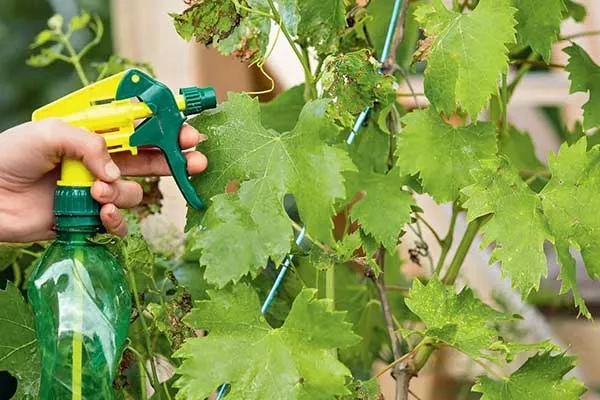
- Apply the first fungicide treatment before bud break to prevent mildew.
- The second insecticide treatment is necessary during the budding period to protect against grape leaf rollers.
- The third treatment with combined preparations is carried out after flowering for comprehensive protection.
Equally important is proper care of the vineyard:
- It is necessary to prune and shape the vines to ensure access of air and light to the shoots.
- From the first days after planting, it is recommended to begin preventative spraying of the vineyard. A potassium iodide solution is the most effective solution. This solution is not only safe for humans but also leaves no flavor or aroma residue on the grapes.
In the fight against pests, caring for the bushes plays a key role:
- carry out thinning;
- remove damaged, dead and rotten branches;
- destroy weeds.
This is important because many pests, such as spider mites, first colonize weeds.
Watering
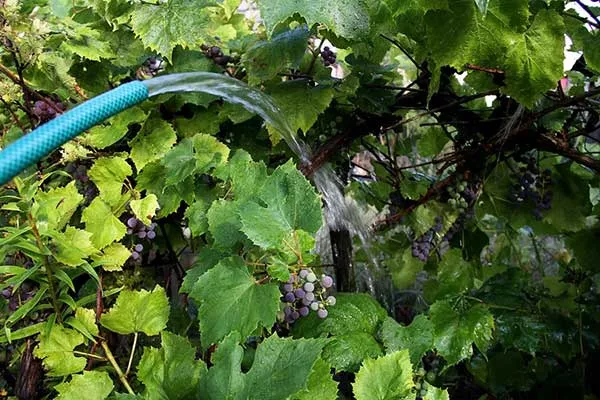
Grapes require a moist environment to thrive. Without water, they are susceptible to pest attacks and produce poor yields. But overwatering is a critical mistake gardeners can make.
Rules:
- In the first two to three years after planting, you need to water the plant weekly, with the amount of water per bush ranging from 5 to 20 liters.
- As the growing season progresses, the need for irrigation decreases and by the end of summer, if the weather is mild, watering can be stopped.
- Mature vines require watering only a few times during the season: in early spring to stimulate budding, before and after budding, and in the fall.
- Particular attention is paid to pre-winter watering, which is the most generous and aims to protect the soil from intense freezing, for which maximum moisture is essential. Typically, about 40 liters of water are used per bush, and in autumn, a minimum of 60-80 liters.
From the time the grapes begin to ripen until they are harvested, irrigating the grapes is strictly prohibited. Watering during this period can lead to a decrease in sugar content in the berries and swelling, which can lead to cracking.
Feeding scheme
For proper vineyard care, it's important to maintain a balanced diet: too much fertilizer can be far more harmful to grapes than too little. Several fertilizing applications should be performed throughout the season, alternating between organic and mineral fertilizers:
- Spring period – The ideal time for the first feeding is now. At this point, add a dry mineral fertilizer, including phosphorus, potassium, and nitrogen, to the bush. Before flowering, switch to organic fertilizer (manure, compost, or chicken manure).
- Later, at the stage of formation of fruit clusters, Apply two fertilizers with mineral preparations without nitrogen components at intervals of one month.
- In the fall, after the harvest, Every two to three years, enrich the soil with humus and wood ash, carefully distributing them around the tree trunk circle and mixing thoroughly.
Pruning and shaping the bush
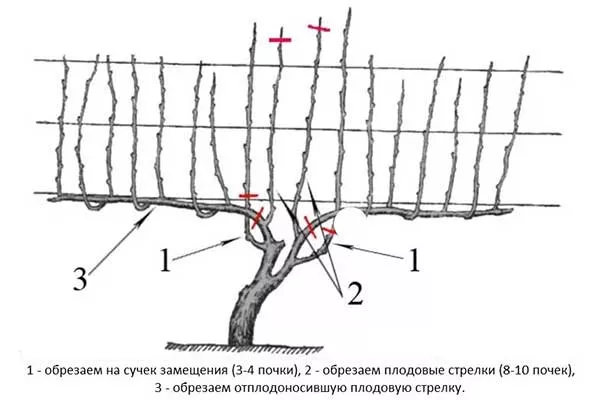
Vineyard maintenance involves many tasks, but pruning deserves special attention. It plays a key role in shaping the future harvest. The best time to prune Muscat blanc is in early spring, after the vines have been removed.
Recommended pruning method and rules:
- Observing sanitary standards, remove all first-year shoots, leaving only one or two of the strongest with a diameter of 6 to 15 mm.
- Thick, old shoots that have already begun to dry out should be cut off at the base using a saw.
- When pruning, leave small stumps on the shoots, about a third of the way up from the base to the first bud. This is necessary because, unlike trees, the pruned areas of grapes don't grow back, but die.
- After a properly performed procedure, the grapevine should be left with fruit-bearing shoots, shortened to five to eight buds, as well as replacement stems – one-year-old ones that will bear fruit in future years.
Some winegrowers choose to prune in the fall, immediately after harvesting and covering the vines. In this case, it's recommended to leave more buds on the replacement shoots to compensate for any losses during the winter.
Support and garter of shoots
When planting, it's necessary to design and construct a special structure consisting of fixed vertical posts, between which 2-3 rows of twine or strong fabric are stretched. The height of the tiers above the ground should be as follows:
- 1st row 50 cm;
- 2nd – 120 cm;
- 3rd – 200 cm.
Over time, when the vine reaches maturity, its woody parts are secured to a trellis, and the young ones are trained along horizontal "crossbars." This allows the vine to easily support the weight of the ripened bunches and ensures uniform light exposure.
Preparing for winter
Muscat vinifera, which cannot withstand low temperatures, must not only be protected from the cold during the winter but also covered with a layer of soil. This process should be carried out as late as possible, as light frosts serve as excellent preparation for the upcoming dormant period.
However, when the temperature drops below -10°C, leaving grapes outdoors without protection is not recommended.
The procedure for execution is as follows:
- Make a trench 25 cm deep near the bush, and its length should correspond to the height of the grape stems.
- Remove the vine from the supporting structure.
- If fall pruning was not done, carefully fold the stems together and place them in the dug trench.
- Secure with pins, which can be made from regular electrodes or strong wire.
- To prevent the stems from being damaged during spring digging, they are first covered with a bag or agrofibre.
- Fill the shelter with the soil removed when digging the trench.
This protection is sufficient for vineyards in southern regions. In colder climates, the trench can be additionally covered with a thick layer of dry grass, peat, wood, or pine needles, and after the first heavy snowfall, a high snow mound can be built over the cover.
Harvesting and storage
Harvesting begins when the fruit reaches maturity. It's crucial not to delay the process, as Muscat blanc doesn't stay on the vines for long—it quickly falls off.
Using pruning shears with a sharp blade, which are thoroughly disinfected before use, the grapes are cut from the vine. They are then carefully placed in boxes, forming only a single layer, and stored in a storage facility maintained at a temperature of 4-7 degrees Celsius.
Positive and negative qualities
White Muscat has a number of notable advantages, among which it is worth highlighting:
However, this variety also has its weaknesses, making its cultivation a challenging task for gardeners:
Gardeners' reviews of Muscat White grapes
Muscat Early is a grape with centuries-old traditions. To achieve maximum yield, it's essential to strictly follow the care guidelines and provide suitable conditions. This variety thrives particularly well in warmer southern regions. The fruit is distinguished by its tenderness and sweetness, and is most often used to make exclusive wines.