
Frost-hardy varieties are hybrids of species (with rare exceptions) adapted to cold summers. Berries ripen on the vines in a short period of time. In recent decades, breeders have developed varieties that can withstand the harsh conditions of the Russian winter with relative ease.
Winter-hardy varieties are divided into conditionally covered varieties, which require removal from their supports for the winter and insulation, and non-covered varieties, which do not require this manipulation.
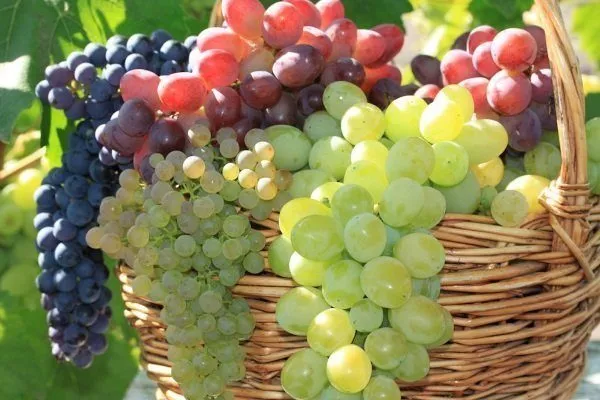
Conditionally covering varieties
This group includes crops that can winter without adverse effects at minimum temperatures of -27-29°C. In the fall, after the harvest, the vines are removed and laid on the ground. Lightweight materials are sometimes used for insulation, but these winter-hardy varieties do not require artificial heating. Snow cover is sufficient for them.
| Name | Disease resistance | Soil requirements | Ripening period |
|---|---|---|---|
| Crystal | High | Unpretentious | Average |
| Alyoshenkin No. 328 | Average | Prefers light soils | Early |
| Lydia | High | Unpretentious | Average |
| Dove | High | Unpretentious | Average |
| Extra | Average | Prefers fertile soils | Late |
| Lady fingers | Low | Demanding of soil | Late |
| Moscow Resistant (Skuin 675) | High | Unpretentious | Average |
| Taiga | High | Unpretentious | Early |
- ✓ Consider not only frost resistance, but also resistance to recurrent frosts in the spring.
- ✓ Pay attention to the ripening time: for regions with short summers, early and very early varieties are preferable.
Crystal
A typical wine (technical) variety, bred from versatile Hungarian and Amur grapes. Favorable growing zones include the North Caucasus and Lower Volga regions, but the variety is undemanding and tolerates temperatures down to -29 degrees Celsius, and can be successfully planted in colder regions.
The berries ripen by mid-August (or later depending on the region). Yields start at 150 centners per hectare. The clusters are medium-sized, up to 200 grams, and each berry weighs 1.7-2.5 grams. According to gardeners, Crystal requires protection when grown in the central part of the country. It overwinters under light cover.
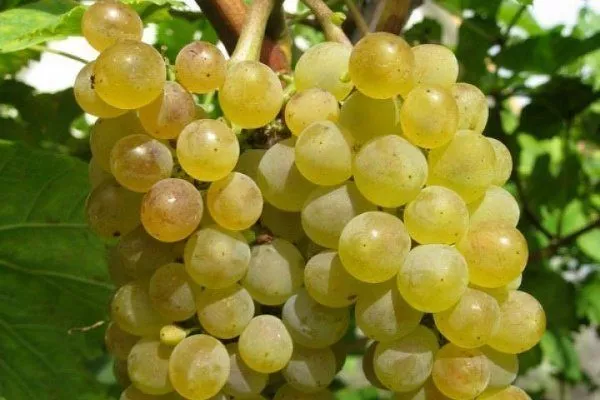
Alyoshenkin No. 328
An early table grape variety developed in the 1950s at the Volgograd Experimental Station. Ripening in up to 120 days, this grape can be grown in regions with short summers. It tolerates severe temperature drops; at -26 degrees Celsius, the berries remain on the vine. However, this variety requires winter protection due to the vulnerability of the underground part of the plant.
Suitable for greenhouse cultivation. Yields are 20 kg or more per bush. The berries are amber-colored, up to 5 g in weight, and round. Seeds are present in small quantities and not in all fruits.
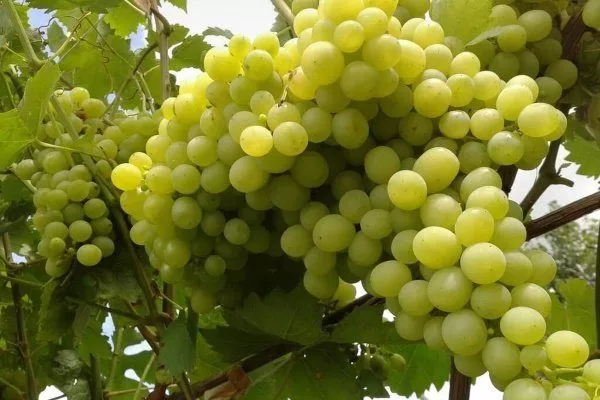
Lydia
An American-bred variety known as Isabella Pink. This is evident in the color of the berries: they are red with a purple tint. Large and juicy, the fruits preserve well in severe frosts. Lydia produces small clusters, up to 100 grams, with small grapes that are distinguished by their excellent flavor.
They are planting wine variety and for ornamental purposes. The harvest ripens by mid-September, with about 30 kg of berries harvested from a single bush. This must be done quickly, as overripe grapes can fall off in strong winds.
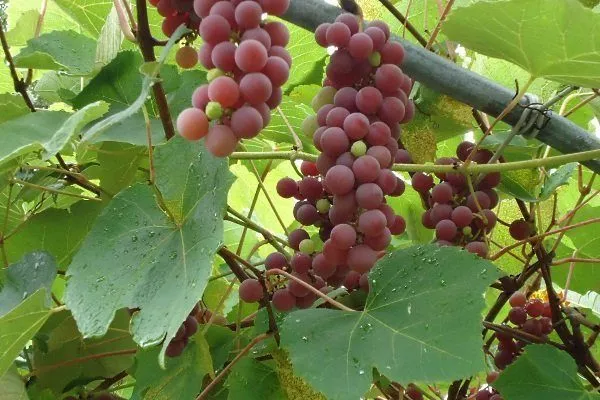
Lydia – a popular, folk variety. Its advantages include good transportability, long shelf life, and resistance to diseases such as powdery mildew and phylloxera. Its drawbacks include its taste, which is not for everyone.
Dove
A complex hybrid developed in the 1980s by breeders from Russia and Ukraine. This commercial variety boasts a pleasing appearance and excellent flavor. Golubok is easy to grow and productive, ripening in 130 days. It thrives in moisture and is frost-resistant to -26-27 degrees Celsius.
The variety is virtually immune to fungal diseases and is resistant to gray mold and mildew. Golubka fruits are black and round. The juice contains a high concentration of coloring agents. It is suitable for making homemade wine.
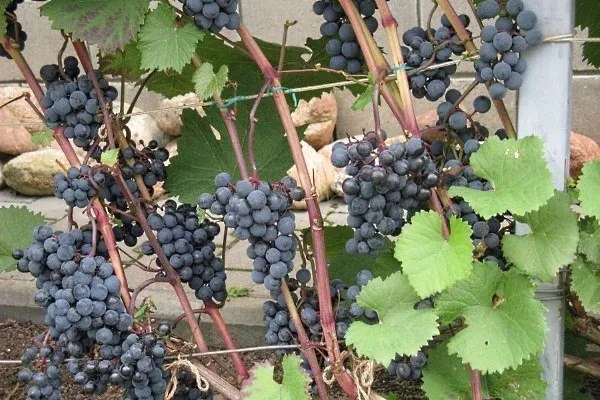
Extra
An American-bred grape variety, known to many as Elsinburgh. It was developed in the early 20th century and is widely grown in the northern regions because it tolerates cold well, though it requires shelter in northern regions. It grows vigorously, the bushes are robust, and the berries have a distinctive, tart flavor.
The yield is good. Extra ripens by mid-September. There are some drawbacks: the berries don't transport well.
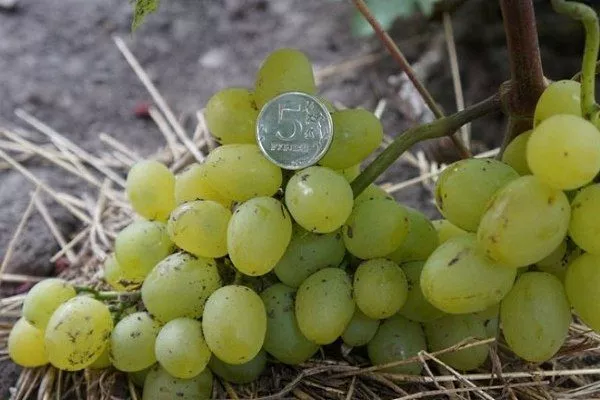
Lady fingers
Known as Husayne White, this variety was bred in Central Asia. The grapes are oblong, reminiscent of fingertips. They taste sweet with a pleasant tartness. Ripening time is approximately 140-150 days.
In central Russia, growing Khusaine is not recommended, as it only tolerates temperatures down to -15-20°C. However, it produces good yields, over 40 kg per vine. Read more about this grape variety. Here.
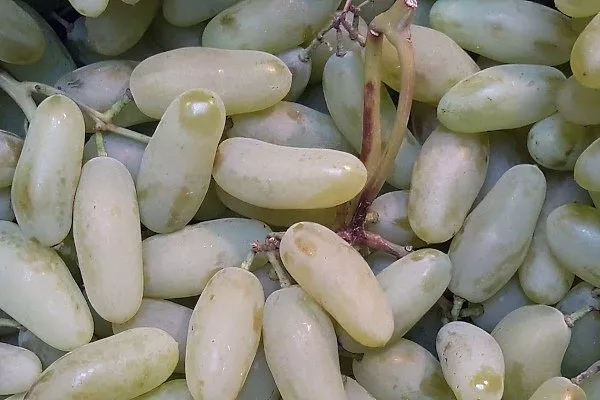
Moscow Resistant (Skuin 675)
Developed in Moscow by a Latvian agronomist, this variety is known as Skujin 675. An easy-to-grow early-to-mid-season variety, it ripens in 130-150 days. It produces high yields, with 3-5 bunches of grapes on each shoot.
The berries are small and round, with a pineapple aroma. Suitable for wine and fresh consumption, they are winter-hardy to -28-30°C.
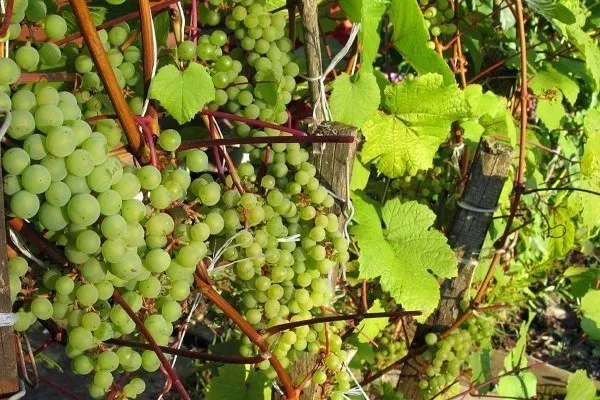
Taiga
Amur grapes, originally grown in Primorye, then successfully spread throughout Russia, impressing gardeners with their excellent characteristics: rapid ripening, frost resistance (down to -40 degrees Celsius), and resistance to disease.
It grows wild in the Moscow region and Siberia. The berries are dark blue, sweet and sour, medium-sized, and used in winemaking. It is considered a universal variety, one of the few non-selective varieties.
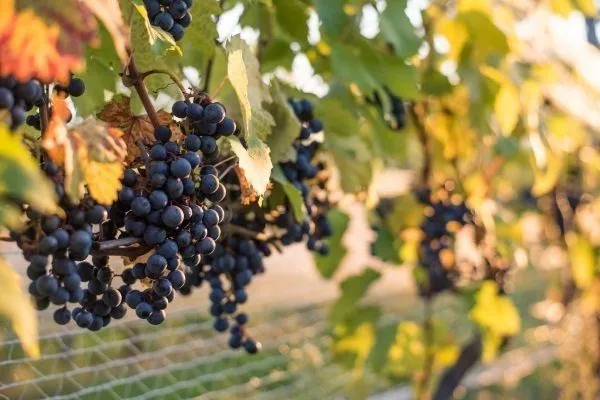
Frost-resistant grape varieties that do not require shelter
Grape varieties classified as non-covered can be grown in areas where temperatures drop to -29°C to -35°C or lower. The berries have thicker skins, and the vines require little maintenance. They are left in the same location over the winter (including arches and arbors).
The common name for non-sheltered varieties is Isabella or American, as most of them were developed in the United States (and Canada). However, the achievements of Russian breeders are also included in this group.
| Name | Disease resistance | Soil requirements | Ripening period |
|---|---|---|---|
| Sharov's Riddle | High | Unpretentious | Early |
| Northern Saperavi | Average | Prefers fertile soils | Average |
| Valiant | High | Unpretentious | Average |
| Reliance Pink Seedless | High | Unpretentious | Early |
| Maurice Early | Average | Prefers light soils | Average |
| Winchell | High | Unpretentious | Early |
| Lucille | Average | Prefers fertile soils | Average |
| Louise Swenson | High | Unpretentious | Average |
Sharov's Riddle
A grape variety bred in the 1970s by Rostislav Sharov, a gardener from the Altai region, and adapted to harsh conditions. It ripens early, withstands temperatures as low as -35°C, and stores remarkably well for long periods.
It boasts a medium yield. The fruits are sweet, round, and have a dense, dark-red skin. The clusters are large, weighing 300-600 g depending on the region. This is an extremely early variety, with the fruits fully ripening by 110 days, or 1.5 weeks earlier in a greenhouse.
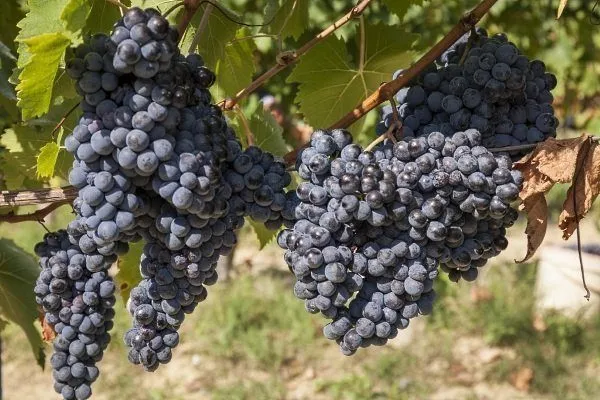
Northern Saperavi
A mid-season variety (from 140 days), developed from an ancient Georgian variety. It is used for industrial purposes. It is grown for fresh consumption, wine production, juice production, and coloring.
The berries are oval, dark blue, with firm skin and juicy flesh, and a simple flavor. The variety is moderately drought-resistant but tolerates harsh winters, although some agronomists believe it requires insulation in northern regions.
Yields are stable, starting at 115 centners per hectare. It tolerates transportation well. Resistance to mildew is also noted as an advantage.
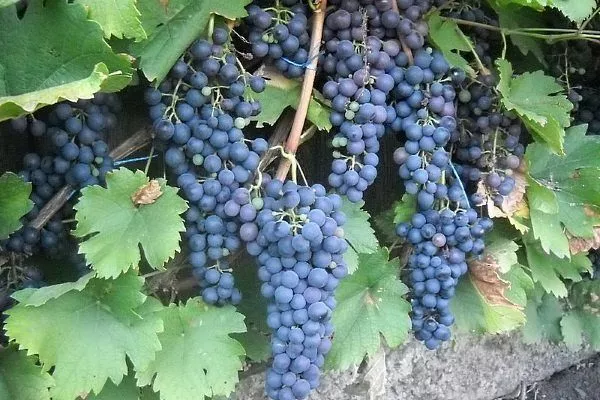
Valiant
A grape variety that tolerates very low temperatures (-45-46 degrees Celsius). It's mid-early, with a growing season of 130 days. The vines produce blue berries, gathered in medium-sized clusters weighing 100 grams each.
This variety is characterized by medium sugar content and is highly rated by gourmets. It is used for winemaking and jelly production. Disadvantages include slow vine development in the first few years, small fruits (1.5-2.5 g), and average resistance to fungal diseases.
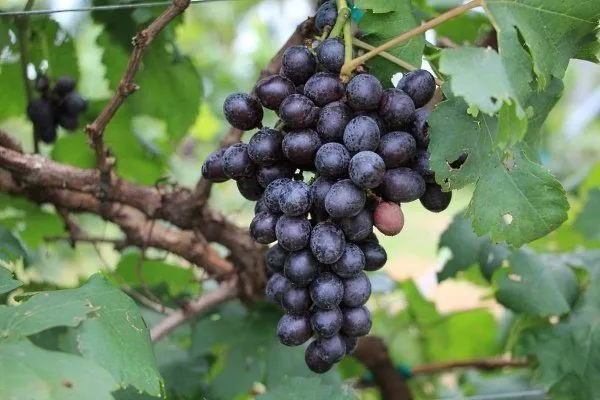
Reliance Pink Seedless
An American variety developed in the 1980s that possesses all the qualities of a good grape: early ripening (ripens in 100-110 days), resistance to fungal diseases (does not require chemicals), increased winter hardiness, and seedlessness.
Its undemanding nature and resilience make it a desirable crop in temperate climates. Reliance Pink Seedless has a unique flavor, with a hint of strawberry. It produces good yields, yielding 120-150 centners per hectare. Its drawbacks include small berries, weighing up to 2-3 grams each.
Maurice Early
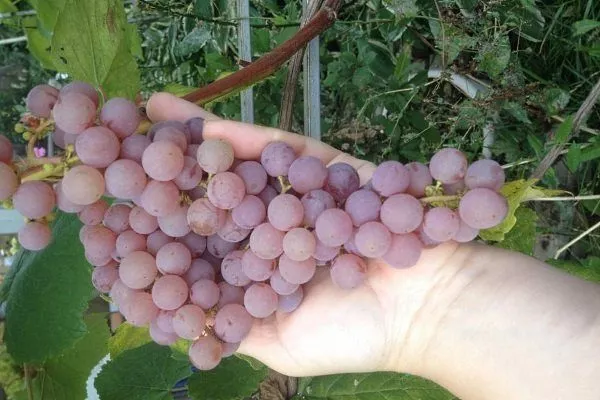
A versatile, highly resilient grape, bred in North America—according to one theory, from the seed of the Concord variety—by Captain John Moore. It is known as Moore's Early.
This grape is characterized by good yields and is used as an early table grape variety. Ripening time is late September. The clusters and berries are medium-sized, the fruit is almost black in color, and has an "Isabella" flavor.
Maurice Early is suitable for open-air cultivation in the Moscow region and other temperate regions, as well as further north. It tolerates harsh winters with temperatures as low as -35-36°C.
Winchell
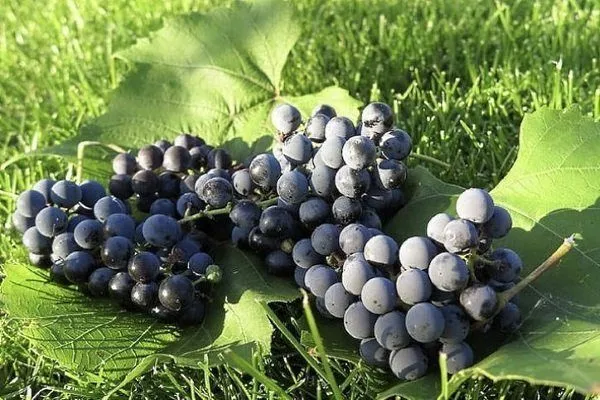
An American hybrid known as Green Mountain. It ripens early, producing medium-sized bushes with small, light-colored berries. The fruit is soft inside, with a strawberry flavor and aroma.
Young shoots ripen well, survive frosts down to -30°C, and are resistant to fungal diseases. This table variety is suitable for fresh consumption and garden decoration (i.e., for arbor).
Lucille
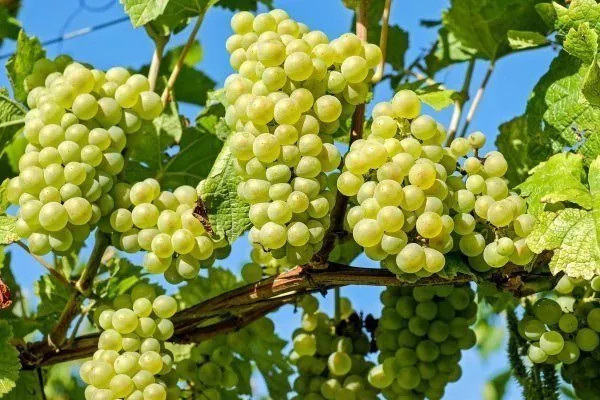
A versatile variety, suitable for landscaping, as well as making juices, jellies, and preserves. The oval clusters can reach 900 g in weight. Lucille has a muscat flavor; if not exposed to enough sun, the berries will become sour.
The fruits are medium-sized, dark pink and purple in color, and perfectly shaped. This variety tolerates temperatures down to -30-33°C and is recommended for growing in the Moscow region. It's ideal for a small garden in the countryside.
The yield is above average, stable, starting from the third year – in the first year the vine gains strength.
Louise Swenson
American cultivar E. Swenson developed this frost-hardy grape and named it after his wife, Louise. It received cultivar status in 2001, when it was recognized as one of the best.
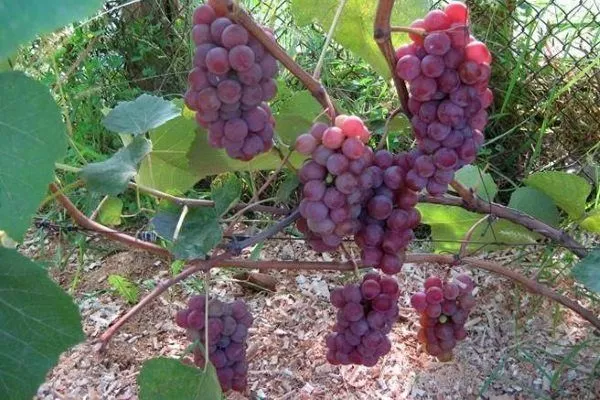
The variety produces a consistent harvest. The fruits are fully ripe 125-135 days after bud break. Dense, medium-sized clusters appear on the bushes. The berries are soft green, moderately acidic, and of average flavor.
Used for wine production, the fruit can remain on the vine for a long time. The variety is not susceptible to diseases. It tolerates severe frosts, down to -35°C, but can suffer from drought.
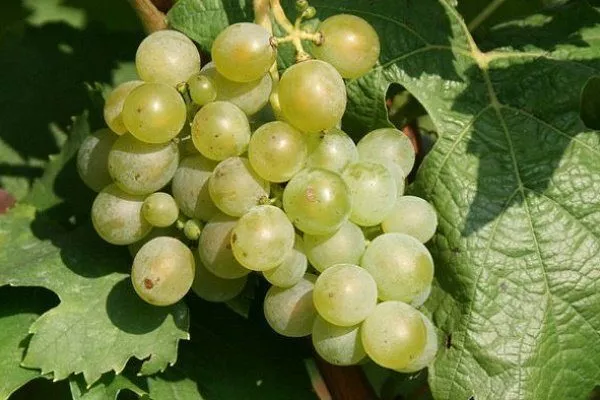
Amur hybrid varieties
Wild grapes growing in the Ussuri region were domesticated. They were used to develop varieties resistant to cold and disease. Domestic hybrids of the Amur grape prefer acidic soils.
- ✓ They prefer acidic soils, which is not typical for most grape varieties.
- ✓ They are highly resistant not only to frost, but also to diseases.
These are unprotected varieties that overwinter without additional insulation. Grapes grown in the Amur region, bred from natural forms, have an advantage over other varieties with similar characteristics.
| Name | Disease resistance | Soil requirements | Ripening period |
|---|---|---|---|
| Amur breakthrough | High | Unpretentious | Average |
| Marinovsky | Average | Prefers fertile soils | Average |
| Amethyst | High | Unpretentious | Early |
Amur breakthrough
A popular variety known by other names – Odin, Potapenko 7. Easy to care for, disease-resistant, suitable for growing in harsh climates, but does not tolerate drought and strong winds well, and in hot, dry climates requires abundant watering.
The shoots grow quickly, reaching up to 2.5 m per year. The yield is high, reaching up to 100 kg per bush. The berries are dark in color and large, ripening in late summer to early September. This variety has a high sugar content (23% sugar), making it suitable for making wine, jam, and juice. Its thick skin makes it suitable for transportation.
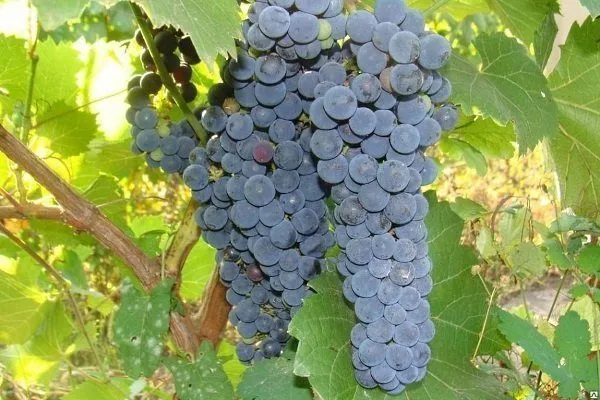
Marinovsky
A variety used for ornamental purposes and in winemaking. Its ancestors also include the Amur grape, from which Marinovsky inherited its winter hardiness: it easily withstands temperatures as low as -30°C. Mature bushes require no shelter, only young ones.
The grapevines are spreading, with clusters weighing up to 500-900 grams. The berries are oval and oblong in shape. The skin is dark blue and thin. The grapes have a simple, not very distinctive, yet harmonious flavor. Yields are consistently high.
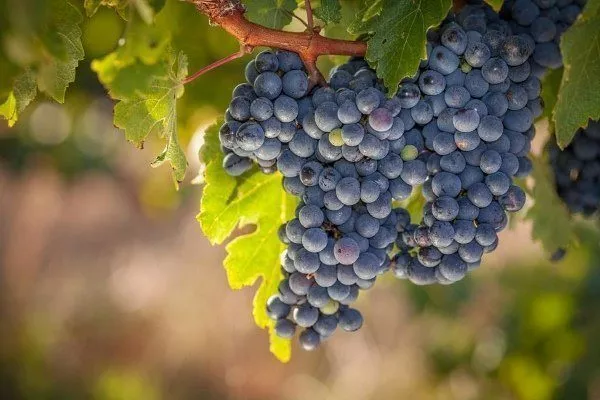
Amethyst
A popular variety with two varieties with similar characteristics: Amethyst Samara and Novocherkassky. They are resistant to low temperatures: from -25 to -35°C.
The bushes are vigorous and spreading, with abundant clusters. The berries are elongated, each weighing up to 8 g. Their flavor is sweet and sour, reminiscent of plum.
A unique feature of the Amethyst grape is that its berries are not attracted to wasps. Amethyst is a very early variety, fully ripening in 90-110 days, by the end of summer. The first harvest can be collected the following year after planting.
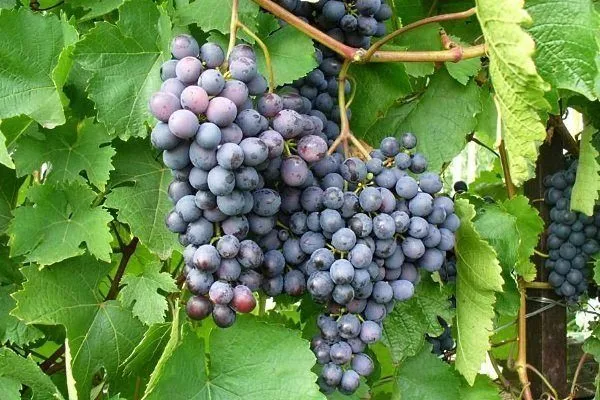
The most productive varieties of American selection
In the United States, viticulture is no less popular than in our country. Fifteen states are leaders in grape production, but this agricultural sector is thriving in other states as well. Breeders are successfully developing new frost-resistant varieties. Many of these are also successfully growing in Russia.
Alpha
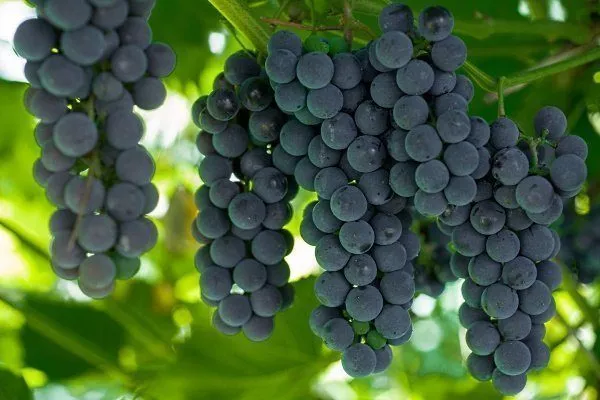
A non-sheltered technical variety that can withstand temperatures as low as -40°C. Unpretentious and resilient, it can be grown in northern Russia.
It ripens late, in September-October (110-145 days). Vigorous, robust bushes produce medium-sized clusters weighing 100-250 grams; the berries are black and round. A minor drawback is their high acidity. Alpha produces excellent yields, with approximately 150-180 centners per hectare.
One of the disadvantages of this variety is its susceptibility to chlorosis.
Other technical grape varieties are described here.
Prairie Star
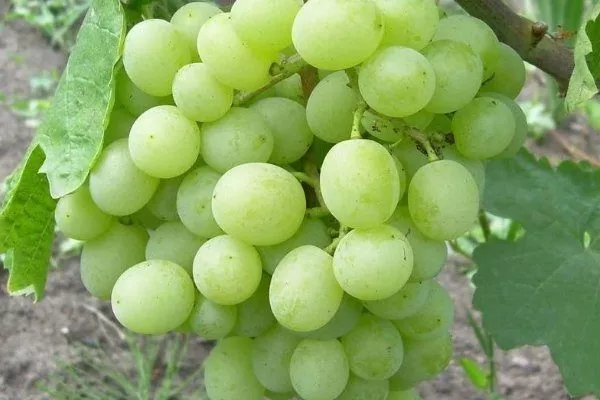
The white-wine grape, native to the USA (E. Swenson), ripens in mid-September. During the first few years, the vines develop moderately, then rapidly, often requiring pinching of growing shoots.
It bears fruit well, with one hundred kilograms (0.33 lb) yielding 150 kg of berries. The grape clusters are medium-sized, oblong, and dense. The fruits are round, yellow-green, and crisp.
Prairie Star wine has a long, lingering finish. This variety is promising for growing in northern regions, tolerating temperatures down to -38°C.
Cardinal
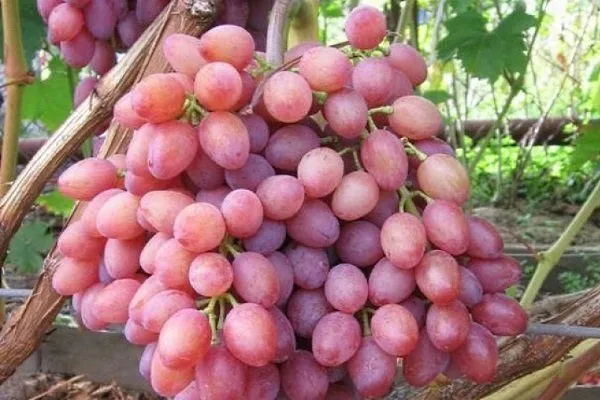
An early variety, ripening in 110 days. Developed in the 1930s in California. Suitable for long-term storage, but requires careful care.
In northern regions, cover may be necessary during the spring months when recurrent frosts occur. Grapes can withstand temperatures down to -20°C.
Among the Cardinal's disadvantages is its poor susceptibility to pests and diseases. Among its advantages are large berries, reaching 9 g in weight, and excellent flavor. The sugar-to-acid ratio is 2:1. Yields are high, but not always consistent.
Isabel
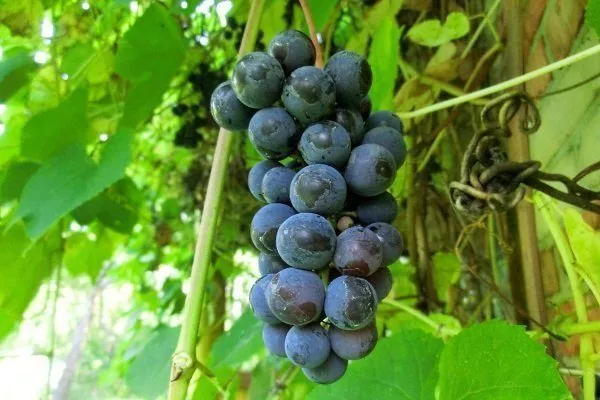
A natural hybrid, known since the 19th century and one of the most widespread in the world. This very hardy grape from the USA is easy to care for and can be grown throughout Russia and used for ornamental purposes.
Isabella ripens late, in mid-autumn, but is characterized by excellent flavor, high yields, and disease resistance (though not powdery mildew). The berries are dark, with a slimy interior. Each fruiting body weighs 2-3 g. The grapes are consumed fresh and used for winemaking.
Kay Gray
An early-ripening American variety distinguished by its high yield. Vigorous bushes produce small, juicy, amber-colored berries.
It is resistant or partially susceptible to many diseases (gray and black rot, powdery mildew, etc.). According to tests conducted in the USA, Kay Gray can withstand temperatures down to -42°C (-42°F). It is ideal for growing in northern regions.
Although this is a wine grape, it is not used for winemaking—the berries produce methyl alcohol during fermentation. Juice can be made from this grape.
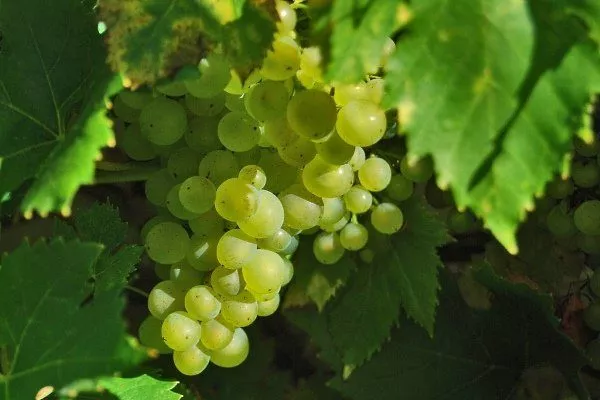
Early domestic varieties
The colder the region, the shorter the growing season should be for grapes, allowing the vines to gain strength and the fruit to ripen and be ready for consumption before the onset of rain and cold weather.
In regions with short summers, early varieties are selected for planting. Their growing season lasts less than four months. Among these, it's worth paying attention to Russian varieties bred specifically for northern regions.
Siberian bird cherry
A Sharov-bred variety. This early-ripening grape (110 days of vegetation) produces small berries, especially in the first few years, but with a pleasant taste and aroma. It even resembles bird cherry in appearance, hence the name.
The ripe fruits can remain on the bush for a long time. Siberian bird cherry tolerates temperatures below -25°C, produces good yields, and requires no winter cover.
Positive qualities include small seeds, high ripening of the vine, and resistance to parasites.
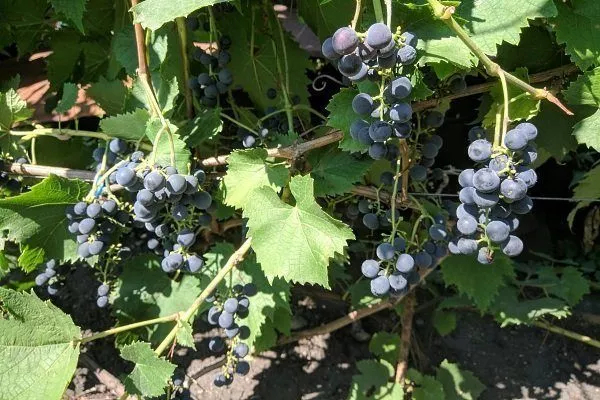
Bashkir early
A variety developed by breeder L. Strelyaeva in the 1970s from the Amursky variety, Bashkir grapes are highly frost-resistant, including their roots, and ripen early.
The variety has medium vigor and small clusters, but berries weighing 10 grams or more are produced. The fruits are dark in color and have a sweet and sour flavor. Yields are 140 centners per hectare or more. It is resistant to some fungal diseases and parasites, but is not resistant to powdery mildew.
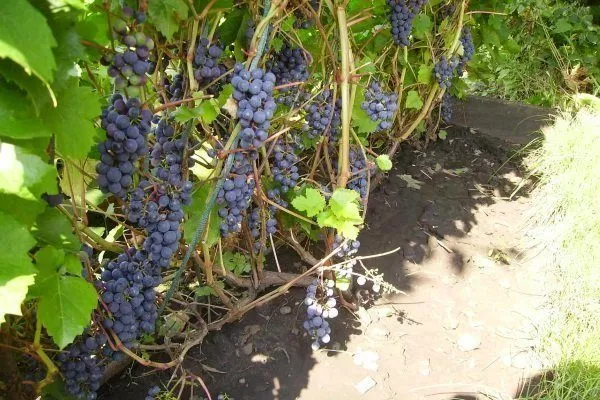
Tukay
An unpretentious table variety, bred in Novocherkessk and intended for cultivation in any part of the country.
Ideal soils: loam, limestone, and sandstone. Tukay ripens quickly, with the grapes ready for consumption in 90-100 days. They are large (4 g on average), dense, and have a muscat flavor. With proper care, the berries stay on the vine for a long time and easily survive the first frost.
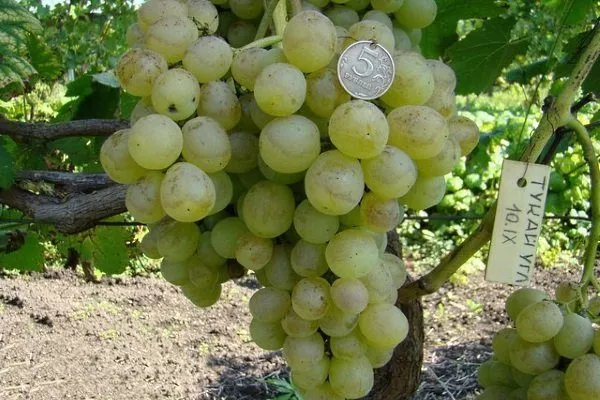
White Muscat (Shatilova)
A hybrid grape variety that ripens as early as 115 days. The vines are vigorous and produce excellent yields. Clusters can weigh up to 1 kg. The fruits are large, fleshy, and have a muscat aroma.
Shatilova grapes are resistant to powdery mildew, mildew, and frosts down to -27°C. They overwinter well under a thick layer of snow, but do not always survive recurrent frosts.
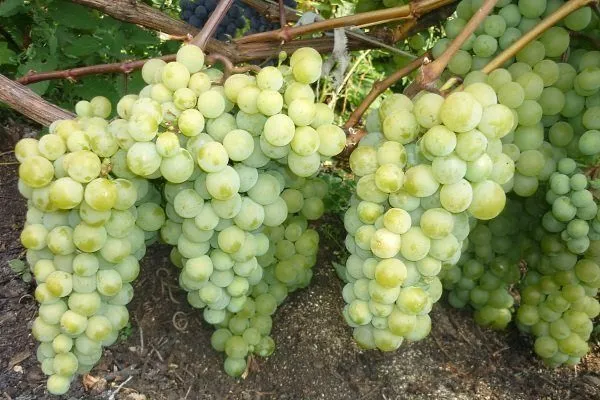
Other very early frost-resistant varieties
There are also other early grape varieties:
| Grape varieties | Growing season |
| Cardinal | 110 days |
| Sharov's Riddle | 110 days |
| Reliance Pink Seedless | 105 days |
| Amethyst | 90 days |
Varieties by region
Frost-resistant varieties are zoned for different parts of the country: the Far East, the Urals, the Non-Black Earth Region, and Primorye. Some species struggle with warm winters with frequent thaws. Fruiting is influenced by the average temperature of the warmest month of the year, which is usually July. The harvest will be of good quality if the temperature:
- not lower than 18 degrees for non-hybrid varieties;
- at least 12-14 for hybrids.
Best crops for different areas:
| Recommended areas | Varieties |
| Central Russia | Alpha, Tukay, Isabella, Northern Saperavi, Lucille, Aleshenkin, Crystal |
| Northwest | Tukay, Skuin 675 (Moscow), Amethyst, Sharov's Riddle, Relines pink seedlis |
| Siberia and the Far East | Amur Breakthrough, Sharov's Riddle, Alyoshenkin, Skuin 675, Taiga, Siberian Bird Cherry, Lydia, Isabella |
| Ural region | Valiant, Lucille, Bashkir Early, Muscat White, Alyoshenkin |
| Altai | Siberian bird cherry, Tukai, Extra |
The most frost-resistant varieties
Let's look at varieties that can survive frost:
| Variety | Maximum temperature that can withstand |
| Lydia | -30 °C |
| Alpha | -30-39 °C |
| Amur breakthrough | -40 °C |
| Louise Swenson | -35-40 °C |
| Sharov's Riddle | -40 °C |
| Valiant | -45 °C |
The popularity of frost-hardy grapes among gardeners in our country (including amateurs) is due to the fact that they can be grown not only in the southern regions and produce reliable harvests every year. This berry is easy to care for, especially when it comes to hybrids that can withstand harsh weather conditions and are resistant to fungal diseases.
The topic of frost-resistant grape varieties is very relevant, because I really don't want to bother with insulating them for the winter. Now I know exactly which varieties of seedlings to buy this year. Thank you so much!