
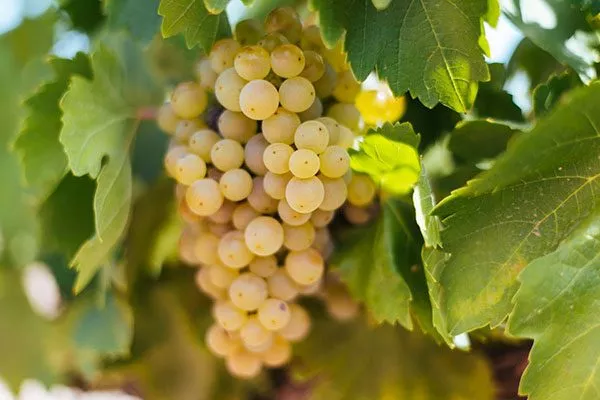
Malvasia is a grape variety known for its rich aroma and diverse flavor profile. Its berries are characterized by high sugar content and balanced acidity, making them ideal for producing a variety of wines. The variety is prized for its resilience to climate conditions and its ability to create wines with a distinctive bouquet and a long finish.
History and origin
According to most researchers, the Malvasia grape variety originated in ancient times on the island of Crete. The name likely derives from Monemvasia, a Byzantine fortress and an important trading hub from which wine was shipped to various corners of Europe.
There's also an alternative theory linking the name's origin to the Cretan region of Malevizi. In any case, it's certain that already in the Middle Ages, the sweetest variety of the grape—Malmsey—was one of the three main wines exported by Greece.
Description of appearance and berries
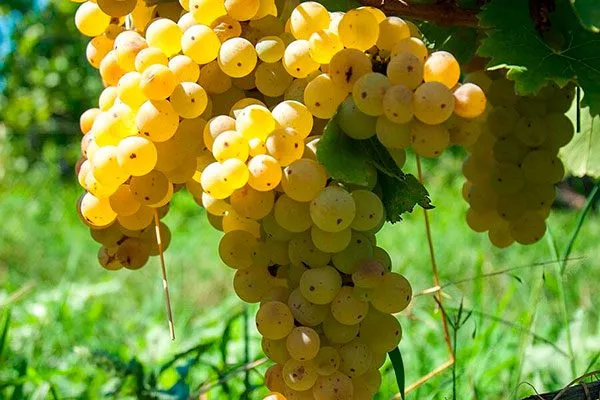
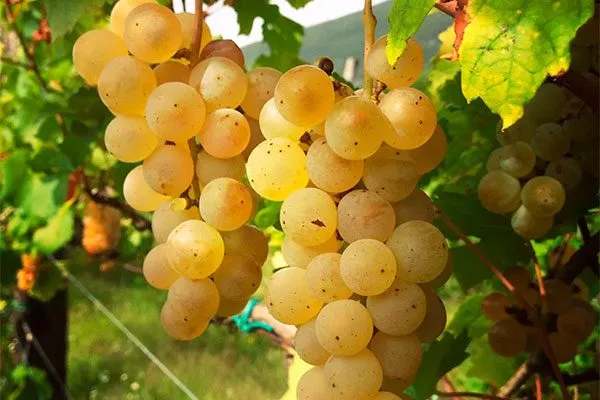
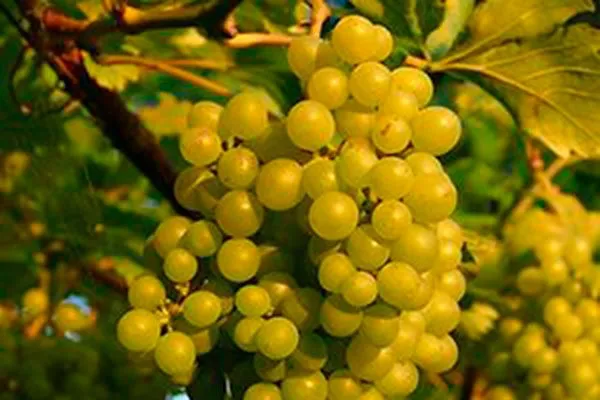
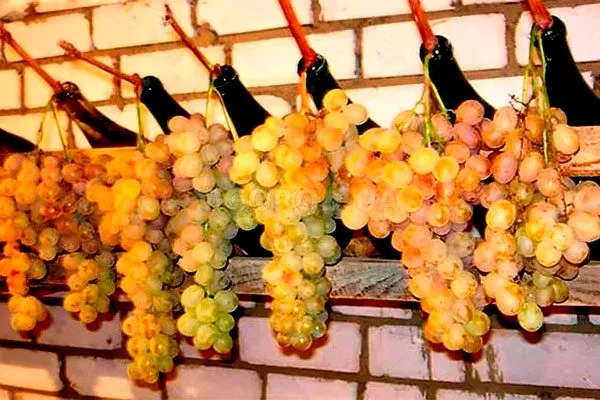
Grape clusters are typically cylindrical-conical in shape, but can also be conical or "winged." The grapes are medium-dense, ensuring good aeration of the berries.
Distinguishing features:
- The fruits are golden-yellow with characteristic brown spots or blotches. They are round in shape and medium in size. The skin is thin but firm, lightly coated with a bloom.
- The grapes are distinguished by their rich, varietal flavor. Sugar content ranges from 190-220 g per cubic dm, and acidity is 5-7 g per cubic dm.
- The pulp is tender, melts in the mouth and creates a harmonious taste impression.
Varieties
Malvasia wines (both single-varietal and blended) are produced in many Mediterranean countries, as well as beyond: in the United States (California), Switzerland, and several other regions. However, the scale of cultivation varies considerably:
- about 43% of all plantings of this variety are located in Italy and Portugal;
- about 10% comes from Spain;
- The remaining 4% is divided between the United States, Croatia and other countries.
Italy
There are many varieties of Malvasia in Italy—mostly white, but also red. A total of 18 types are officially registered.
Among them the most famous are:
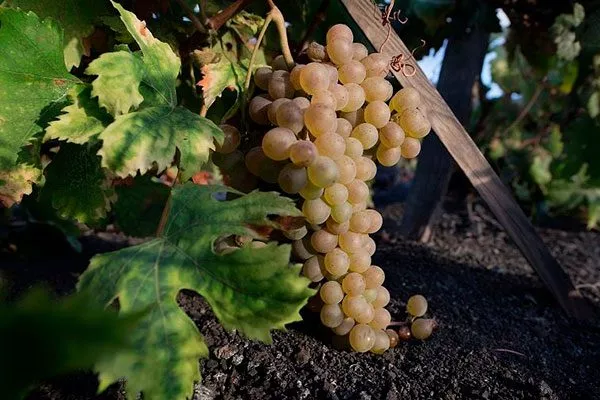
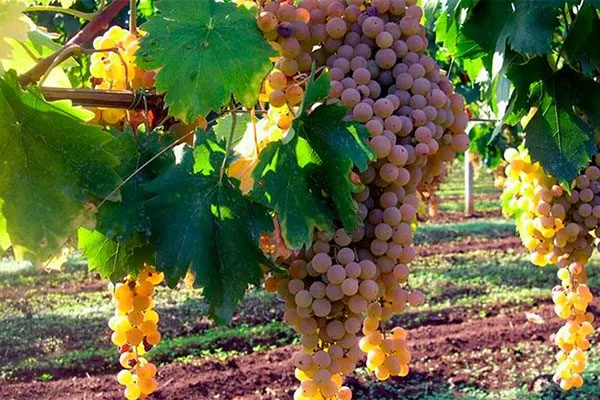
- Malvasia Biancaa – classic version of the variety, widely grown in Calabria, Apulia and Sicily.

- Malvasia di Candia - A controversial variety, as it is considered a descendant of the Garganega variety. Main growing regions: Lazio, Tuscany, Emilia-Romagna, and Umbria.
- Malvasia Istrianf – It is popular in Friuli (in the Isonzo DOC and Collio DOC appellations) and Veneto. In Emilia-Romagna, it is used to produce a sparkling wine called Sciampagnino.
- Malvasia delle Lipari – A Sicilian grape variety, most often used for sweet wines. It has its own appellation on the island of Lipari – Malvasia delle Lipari DOC.
- Malvasia Nera – A red hybrid resulting from crossing Malvasia Bianca Lunga and Negroamaro. Its primary cultivation region is Piedmont. It is often used in blends with Negroamaro.
Portugal
Twelve varieties of white Malvasia are cultivated in Portugal, primarily used to produce white port. Its main cultivation area is the Douro region, where the majority of plantings are concentrated.
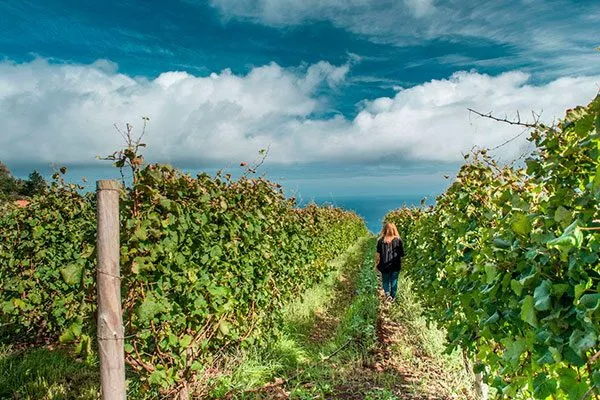
Malvasia from Madeira Island deserves special mention. It produces the dessert wine Malmsey, a sweet version of the famous Madeira. This wine is characterized by a rich aroma with distinct nutty notes.
Spain
In Spain, Malvasia is grown primarily in the Rioja region, where it is known as Malvasia de Rioja, and is also found in Navarre.
The variety has proven itself in white blends, particularly when paired with Macabeo (known as Viura), adding expressiveness and aromatic complexity to the wines.
Croatia, Slovenia
In these countries, the white Malvasia Istriana variety is predominantly grown. However, its name has regional variations:
- In Croatia it is known as Malvasia Istarska;
- in Slovenia – as Malvasia Istrska.
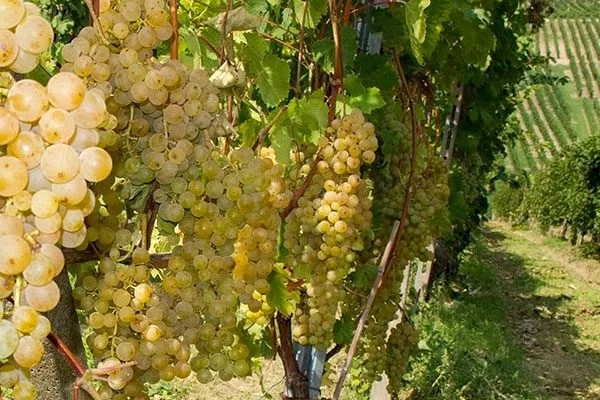
Characteristics of Malvasia
Warmth and sunlight are especially important for grapevines. Cold and rainy weather can negatively impact fruit quality and the overall health of the plant.
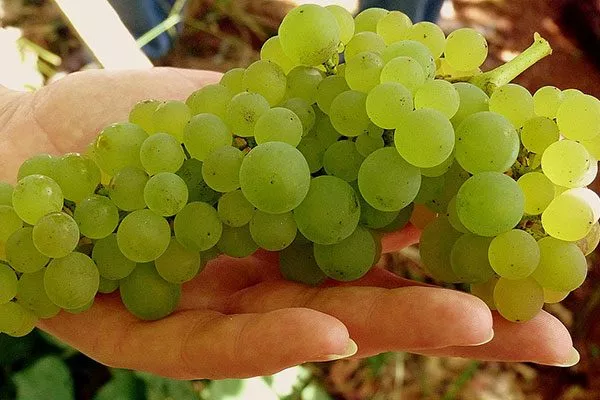
Key Features:
- Berries have their own specific ripening times, which influences planting locations and care methods. They typically ripen late, requiring additional protection from autumn frosts.
- This mid-season variety produces fully ripe fruit approximately 125-135 days after bud break. Yields reach approximately 10-12 tons per hectare.
- It is characterized by increased sensitivity to diseases and pests, so regular monitoring and preventative measures are important to maintain the health of the vine.
Uses of Malvasia grapes
This popular grape variety is widely used in winemaking, cooking, and even folk medicine. It is prized for its distinctive flavor, aroma, and high sugar and acid content, making the berries ideal for a variety of uses.
Medical use
The crop also has medicinal properties. Eating grapes has a beneficial effect on the cardiovascular system thanks to substances that strengthen blood vessels and help lower cholesterol levels.
In addition, Malvasia is rich in vitamins and antioxidants with an anti-inflammatory effect, which helps strengthen the immune system and reduce the risk of developing various diseases.
Culinary use
Grapes are widely used in cooking due to their sweet and rich flavor. They complement meat, fish, and vegetable dishes beautifully, and are also used in desserts, compotes, jams, and other sweet treats.
Application in winemaking
Malvasia is one of the most popular grape varieties for winemaking. Its berries are characterized by high sugar and acid content, making them particularly suitable for creating sweet and aromatic wines.
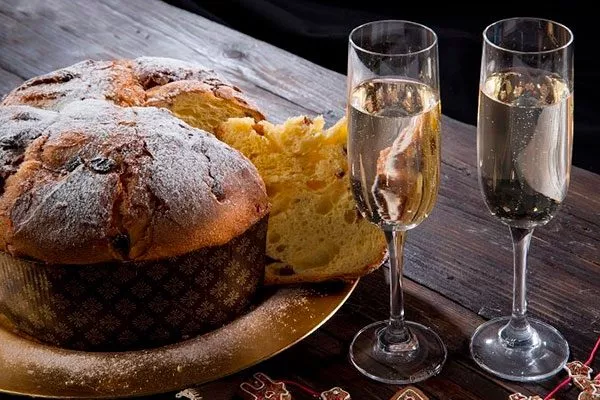
The variety is used in the production of various types of wines, including:
- dessert – Muscat and port wines;
- whites – Sauvignon Blanc and Chardonnay;
- pink and red – Pinot Noir and Cabernet Sauvignon.
Brands producing Malvasia wine
Many producers offer a wide range of alcoholic beverages made with Malvasia grapes. Below are a few interesting brands from various countries that deserve your attention:
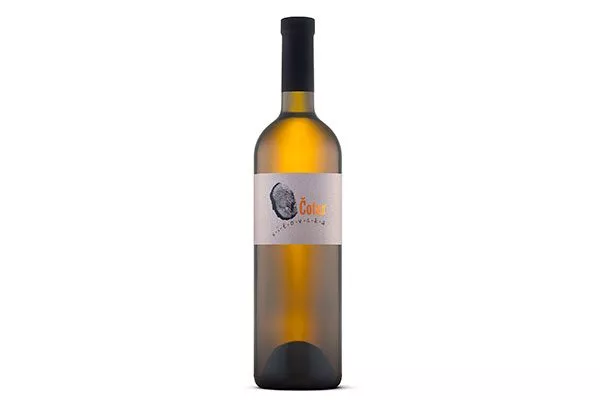
- Cotar, Malvazij - A single-varietal wine from Slovenia, produced by a small family winery. A classic white Malvasia with a floral aroma and a light honey sweetness.
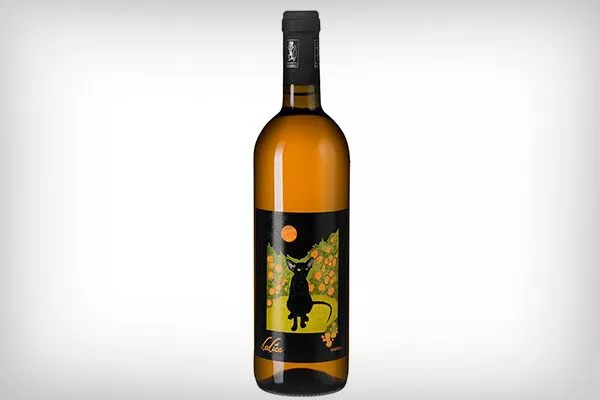
- Martilde Malvasia Dedicа – An orange wine from Lombardy (Northern Italy). Dense, with vibrant notes of piquant ginger and fragrant peach.
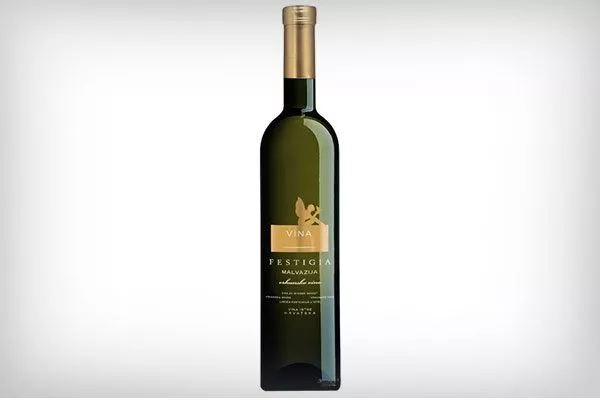
- Festigia Malvazijа – A Croatian white wine made from Malvasia Istria, produced by Agrolaguna. Fresh flavor with floral and citrus notes, balanced acidity, and a mineral finish.
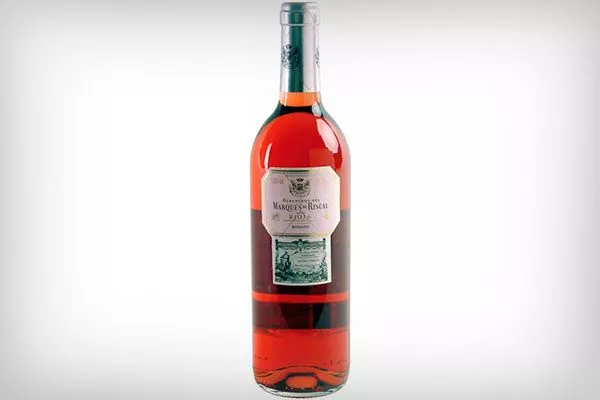
- Marques de Riscal Rosado – A rosé wine from Rioja (Spain), a blend of Garnacha, Macabeo, and Malvasia. An intensely fruity bouquet with notes of strawberry, cherry, and raspberry.
- “Dalva” 10 YO Dry White – A 10-year-old white port from the Douro region. A blend of Malvasia, Gouveio, Donzelinho Branco, and Viosinho. The aroma is complex, with hints of honey, vanilla, almond, and orange. The taste reveals almond and tangerine notes.

How to drink Malvasia wine?
Because Malvasia wines are so diverse, there are no universal rules for serving or food pairing. Each type requires its own approach.
For example:
- white wines – best served chilled;
- red ones – at room temperature (about +17-20°C);
- sparkling – pre-chill in a bucket of ice.
Optimal conditions for growing
For successful grapevine growth and fruiting, it's important to create favorable conditions. Key factors include proper site selection, soil quality, and adequate light—these provide the plant with the resources it needs to thrive.
The vine grows best in sunny areas with well-drained soil. Optimal temperature and humidity levels also play a significant role. Below are the key parameters for successful cultivation:
- location – sunny, protected from strong winds;
- temperature - from +18 to +25°C;
- soil – well-drained, neutral or slightly acidic;
- humidity - medium, without over-watering.
Compliance with these conditions will create a favorable environment for the crop, which will contribute to obtaining a high-quality harvest with the best taste and appearance characteristics of the fruit.
Methods of planting and caring for the plant
Grapes are a perennial crop that, with proper planting and care, can produce a bountiful harvest in the same location for decades. To ensure healthy vines and large, sweet berries, it's important to follow a few rules.
Step-by-step instructions:
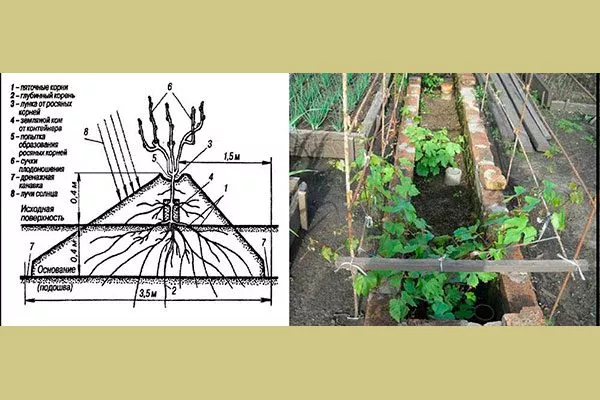
- Prepare the hole 2-3 weeks before planting. Size: 80×80×80 cm.
- Place a drainage layer of crushed stone, brick or gravel (10-15 cm) on the bottom.
- Fill half the hole with a mixture of fertile soil, humus (10-20 kg), sand (10 kg), superphosphate (200 g) and ash (1 l).
- Form a mound of clean soil and place the seedling on it, carefully spreading out the roots.
- Fill the remaining space with soil, deepening the root collar 5-6 cm below the soil level.
- Water the plant with 20-30 liters of warm water.
- Mulch the surface with humus, straw or dry soil.
Caring for grapes:
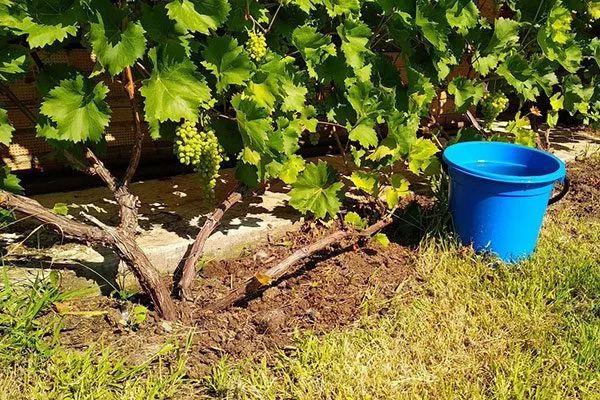
- Water the bushes regularly during dry summers, especially during flowering and berry filling;
- loosen the soil after watering, remove weeds;
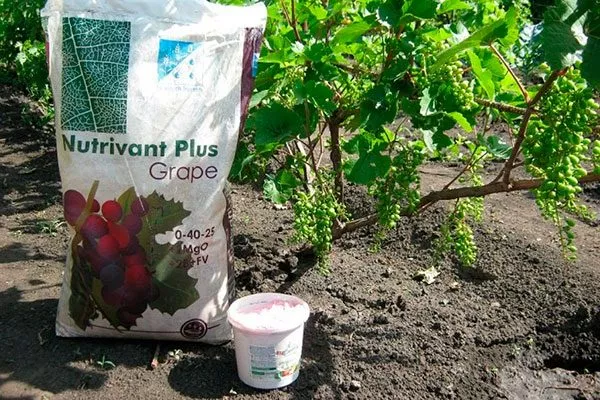
- Feed the grapes three times per season: in the spring with nitrogen fertilizers, in the summer with phosphorus-potassium fertilizers, and in the fall with wood ash;
- tie the shoots to the support, structuring the vine;
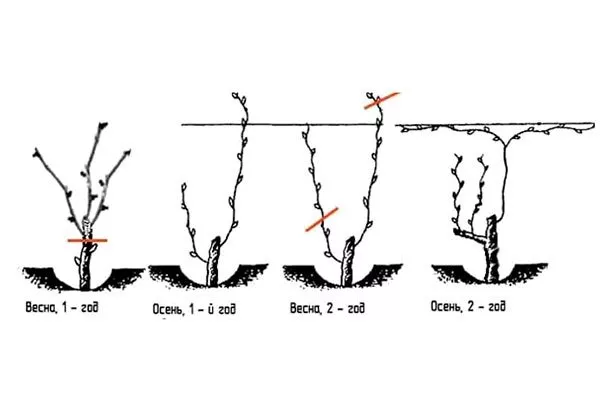
- carry out regular pruning: in the fall – formative, in the summer – pinching and removing side shoots;
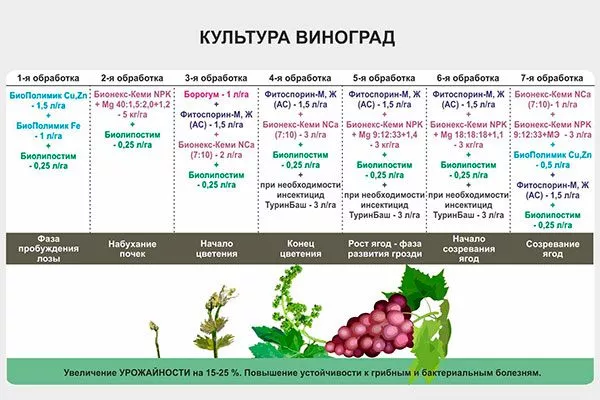
- spray the bushes with fungicides to prevent mildew, oidium and gray rot;
- cover young seedlings for the winter (in northern regions – all bushes);
- Conduct annual sanitation and renew mulch.
Disease and pest prevention
Effective protection of vineyards from diseases and pests requires a comprehensive approach, including prevention and timely intervention. Helpful tips:
- Regular checkups allow us to detect the first signs of disease or the presence of parasites, which allows us to quickly take the necessary measures.
- An important condition is compliance with sanitary standards: removing fallen leaves, dry branches, and fruits affected by fungal infections helps prevent the spread of diseases.
- The use of fungicides and insecticides must be carried out strictly according to the instructions to avoid harm to plants and the environment.
- Using biological methods – such as attracting beneficial insects such as ladybugs and spiders – can help control insect populations naturally.
A set of preventative measures and proper care will ensure healthy grape bushes and a high yield.
Harvesting and storage
To minimize losses and preserve the beneficial properties of fruits, follow a number of recommendations. Key requirements:
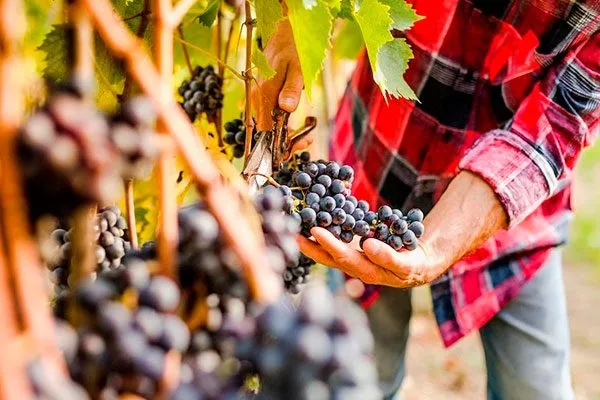
- The optimal time for picking is when the berries are fully ripe, when they reach their peak sugar and aromatic content. Pick the bunches when they're ripe, but not overripe, to avoid damage.
- Use clean, sharp scissors or pruning shears to help minimize mechanical injury.
- Keep the harvest in a cool (from +5 to +10°C), dry and well-ventilated area, protected from direct sunlight and sudden temperature changes.
- For storage, use ventilation boxes or baskets to ensure air circulation. Avoid overfilling the packaging to avoid damage to the fruit.
- Check the storage area periodically and remove any spoiled berries to prevent the spread of rot and other problems.
Pros and cons
Reviews
Malvasia grapes combine high productivity and high quality, making them sought after in winemaking worldwide. This undemanding variety boasts a vibrant aroma and rich flavor. Thanks to these positive attributes, it continues to gain popularity not only among experienced gardeners but also among novices.