
Special grape varieties, designated exclusively for winemaking, are used to make wine. They have a distinctive flavor, so they are not typically consumed fresh. This article presents a list of the best wine (technical) grape varieties with descriptions, photos, and characteristics.
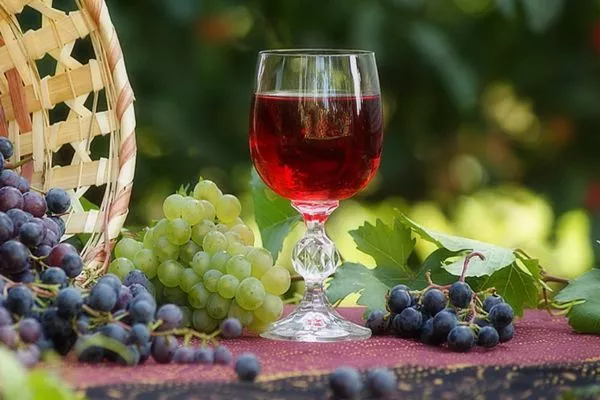
White varieties
White wines can be made from virtually any type of grape, including dark grapes, as long as the juice is colorless. The wine is produced by fermenting pressed grape juice without the skins, which are where the pigments are found. The resulting wines are light in color, ranging from golden yellow to cognac-like.
White wines differ from red wines in their sweeter taste and lower alcohol content.
| Name | Ripening period | Frost resistance, C° | Productivity |
|---|---|---|---|
| Pinot Blanc | early ripening | up to -20 | low |
| Chardonnay | mid-season | up to -20 | high |
| Riesling | late-ripening | up to -20 | unstable |
| Bianca | early | up to -27 | high |
| Sauvignon Blanc | mid-season | up to -20 | below average |
| White Muscat | early middle | low | low |
| Aligote | early middle | up to -20 | high |
| Viura (Maccabeo) | mid-season | up to -20 | high |
| White Chasselas | early | up to -20 | low |
| Grillo | mid-season | up to -20 | high |
| Friendship | early | up to -23 | average |
| Crystal | very early | up to -35 | high |
| White Traminer | mid-late | up to -20 | high |
Pinot Blanc
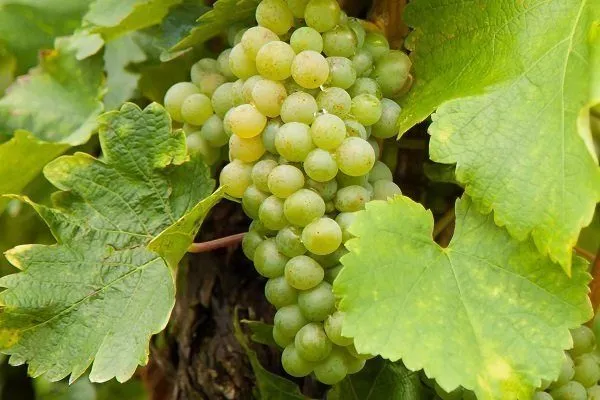
Also known as Chenin Blanc, Steen, Pinot de la Loire, Weissburgunder, and Pinot Blanc, this variety is believed to be a mutation of Pinot Gris. It is an early-ripening variety. The vines are medium vigorous and ripen well.
The clusters, although small in size, weigh 100-110 g thanks to their dense structure. The grapes are small (2.1 g), round, and greenish-white. The pulp is juicy with a pleasant varietal flavor. The wine produced has a nearly neutral taste, but subtle notes of almond, apple, and floral aromas can be detected.
The drink is consumed more often by young people.
Chardonnay
A classic white grape variety of unknown origin. It has long been grown in Burgundy (France). It is popular among European winemakers from Italy, Hungary, Germany, Switzerland, as well as the USA, Australia, Moldova, and Georgia. In Russia, it is cultivated in the Krasnodar Krai and the Republic of Adygea.
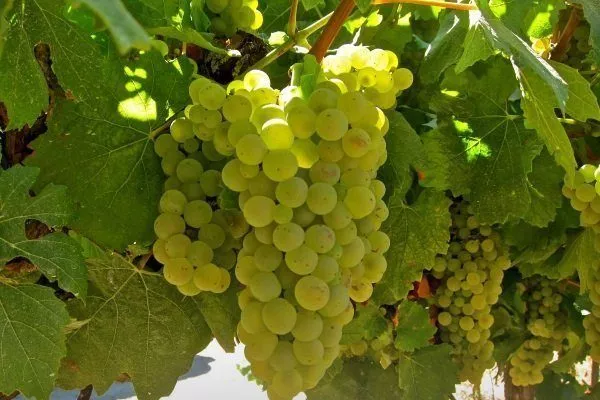
This is a mid-season grape variety. The bush is medium- to tall-growing. One-year-old shoots ripen best. The leaves are medium-sized, coarsely wrinkled, rounded, not dissected, but with emerging five lobes. The margins are curved downward. Their color is light green, golden, later darkening to a bronze hue.
The clusters are medium-sized (90-95 g) and medium-dense. The berries are small (1.1-1.6 g), slightly oval, and greenish-white. The entire surface of the grapes is covered with small brown spots and a light waxy coating. The pulp is juicy with 1-2 seeds. The yield is below average. The percentage of fruiting shoots is 40%.
This variety has relatively high frost and drought resistance, but is often susceptible to mildew, powdery mildew, and insects. The berries rot in rainy weather.
The variety's distinctive feature is early bud break, increasing the risk of shoot damage from recurrent frosts. Experts recommend planting vineyards on western slopes. The taste and aroma of the grapes depend largely on the climate and soil in which they grow.
Riesling
Also known as Rhine Riesling, White Riesling, Rheinriesling, and Rieslingok, this variety originates from the banks of the Rhine and has spread to virtually all wine-growing countries in Europe—Austria, Bulgaria, Switzerland, Germany, as well as the United States, Russia, and elsewhere. However, Germany remains the grape's historical homeland.
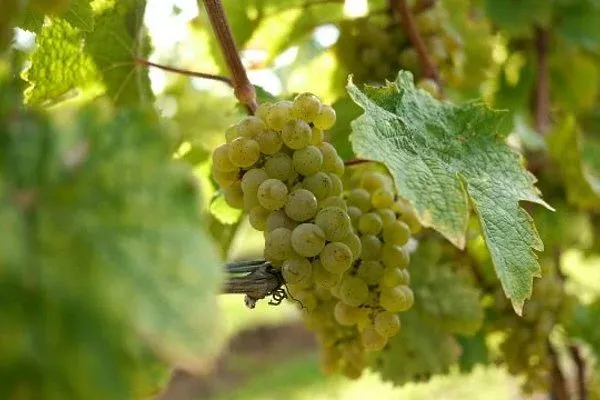
This late-ripening variety (148-160 days) requires cool nights to ripen. The harvest is after the 20th of September. The bush is vigorous. The leaves are medium-sized, 3- or 5-lobed, coarsely wrinkled, and light green with a bronze tint. The underside of the leaf blade has a cobwebby pubescence. The petioles are wine-red. The bunch is medium to small, most often cylindrical. Each bunch averages 80-100 g.
The berries are small, round, greenish-white with a yellowish tint. Small dark-brown dots are scattered densely across the surface. The flesh is juicy, with a harmonious, rich flavor and 2-4 seeds. Riesling tolerates harsh winters well, and due to the late opening of its buds, it is virtually immune to frost.
It easily adapts to various soil types and can even grow on rocky soils. Yield depends on climate conditions and growing conditions. However, the more fertile the soil, the poorer the wine's quality.
Grapes are not immune to powdery mildew, a bacterial canker. High humidity can cause berries to rot, but the plant is relatively resistant to mildew. Grapes are also frequently attacked by pests such as phylloxera and grape leaf rollers.
Wines made from it have a diverse palette of flavors and aromas - you can detect fruity, floral notes, dried fruit, licorice, caraway, anise, and even a "petroleum" note.
Bianca
An early-ripening variety bred in Hungary. The bush is medium-sized with shoots that ripen quickly. The leaves are medium-sized and moderately dissected. Clusters weigh 90-120 g and are medium-dense. The berries are small (up to 1.5 g) and yellow-green.
The plant is frost-resistant, surviving temperatures down to -27°C. It has high resistance to diseases and pests, but is susceptible to Alternaria blight. Wasps and birds enjoy eating the fruits.
The grapes produce a high yield, but their small clusters require a long time to harvest. Ripe fruits can hang on the branches for a long time, accumulating sugars. Therefore, harvesting grapes at different times allows for the production of a variety of wines—dry, semi-sweet, fortified, or dessert—but the berries are most often used to make cognac.
Sauvignon Blanc
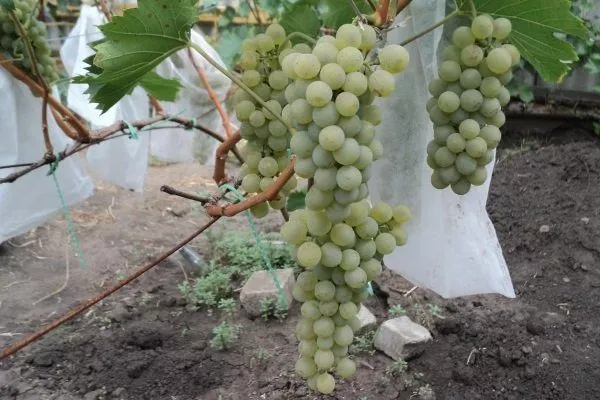
Known as Petit Sauternes, Petit Sauvignon, and Sauvignon Blanc, this French mid-season variety is popular in Europe, the United States, Australia, and Argentina. The bushes are medium-sized. The mature one-year-old shoots turn reddish-brown. The leaves are medium-sized, deeply dissected into 3 or 5 lobes, with wavy edges. The underside is covered with dense pubescence. The bunch is medium-sized, weighing 75-120 g, cylindrical, very dense, resembling an ear of corn.
The grapes are small to medium-sized, round, and often deformed. Their color is greenish-white, but in the sun they develop a yellow-pink blush. The pulp has an interesting nightshade flavor. Yields are low to average, depending on the climate and soil. The variety is susceptible to powdery mildew and gray mold, but has moderate susceptibility to mildew.
Grapes grown in heavy, wet soils are prone to flower drop. Sauvignon Blanc is characterized by a high acidity, which gives it a tart, sharp flavor, making it a popular choice for blending.
White Muscat
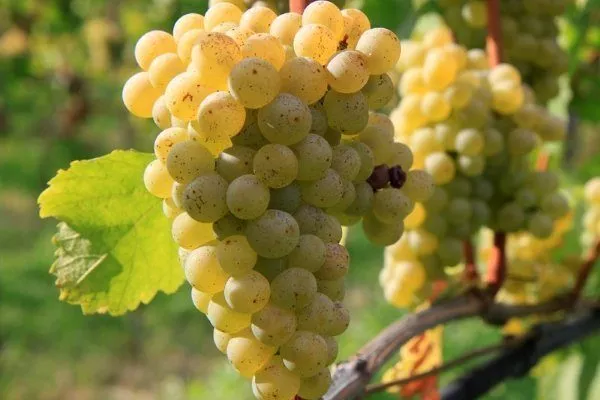
An ancient variety native to Syria, Arabia, or Egypt—which explains its love of warmth and sun. This grape ripens early and mid-season. Its medium-sized leaves have light green veins, sharp, large teeth, and a light edge.
One-year-old, mature shoots are light brown. The percentage of fruiting vines is 44%. The clusters are medium-sized, cylindrical-conical, with a maximum weight of 450 g. The berries are waxy, often deformed, and golden. The flesh is juicy with a muscat aroma.
Severe frosts and recurrent frosts are detrimental to the plant. It reacts to a lack of moisture by sharply slowing shoot growth. It responds well to potassium fertilizers. The plant is susceptible to diseases and pests—it is heavily affected by mildew, anthracnose, powdery mildew, and gray mold. It also suffers from spider mites, phylloxera, and grape leaf rollers.
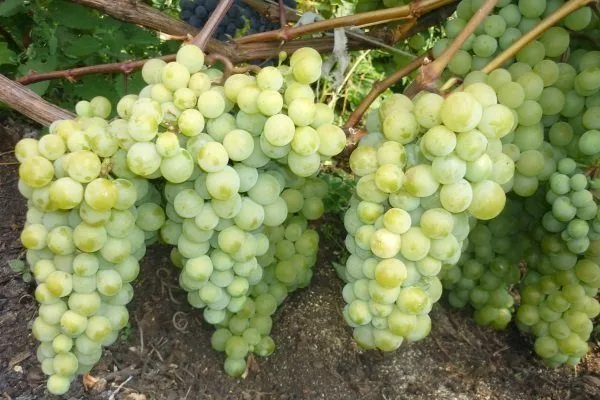
This grape variety is typically used to produce high-sweetness vintage dessert wines, recognizable by their citron and rose-tea aromas, Muscat champagne, sweet table wine, and juices.
Aligote
This variety, originally from France, is well known to Soviet and Russian winemakers. It is cultivated in many countries, including Chile, Australia, the United States (California and Florida), Russia, Eastern Europe, and the CIS. Its ripening period depends on climate conditions; it is considered an early-to-midseason variety (148 days).
The bush is medium to tall. Mature one-year-old shoots turn reddish-brown, with a bluish-purple color at the nodes. Up to 84% of fruiting shoots are fruiting. The leaves are large to medium, entire, smooth, with downward-curved edges. The underside has a cobwebby pubescence. The cylindrical cluster is medium in size, very dense, with wings, and weighs an average of 103 g.
Deformed, medium-sized, round berries are common. The thin, firm skin is yellow-green, covered with brown spots. The flesh is tender and contains 1-2 seeds. The plant is susceptible to gray mold and mildew, and exhibits moderate resistance to powdery mildew. The berries are severely damaged by grape leaf rollers.
Winter hardiness is average; in cold regions it requires shelter.
Experts recommend drinking wine from this variety young, immediately after bottling. The wines have notes of green apple, herbs, and citrus. The grapes are suitable for fresh consumption.
Viura (Maccabeo)
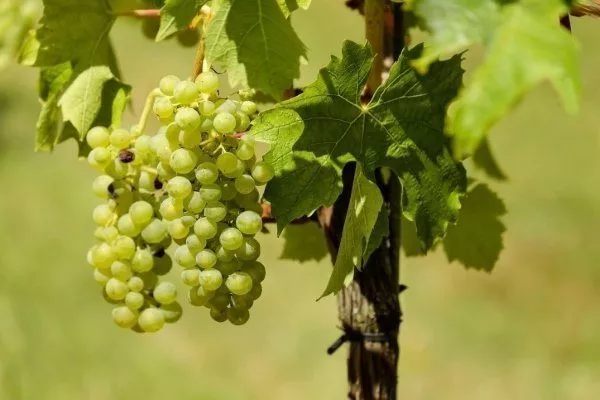
A versatile Spanish variety used to produce sparkling, dry, and sweet wines in Spain and France, and is also enjoyed fresh. The bushes are medium-sized. The leaves are rounded, weakly dissected, with 3 or 5 lobes, rounded, and pubescent on the underside.
The clusters are large, branched, and conical. The berries are medium-sized, slightly oval, and whitish-yellow. The flesh is juicy and crisp. The yield is high.
The taste and aroma of wines depend on the timing of the grape harvest. Early harvesting and aging in stainless steel tanks produces floral, fresh, and aromatic wines. Aging in oak barrels and later harvesting produces nutty, honeyed wines.
White Chasselas
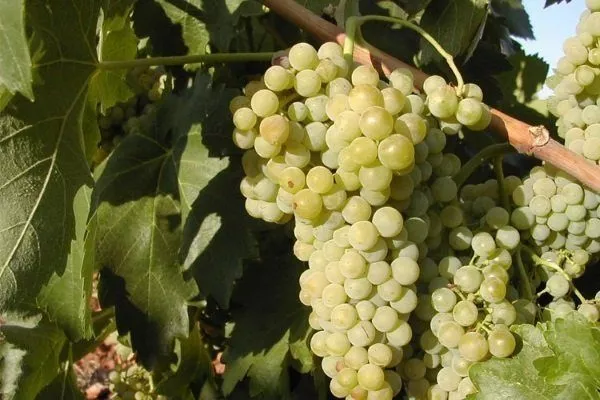
An ancient Egyptian variety cultivated in many countries, including Russia—in the Volgograd region, the Republic of Kalmykia, the Saratov region, and throughout the North Caucasus region. This grape ripens early (on average, 125 days). Furthermore, it is used as a basis for identifying varieties based on ripening time.
The bushes are medium-sized. The leaves are medium-sized, five-lobed, rounded, and bronze-hued. The clusters are medium-sized, weighing 193 g, and are conical or cylindrical-conical in shape. The berries are small, round, yellow-green with a golden hue, covered with a light waxy coating and brown spots. The pulp is melt-melting, containing 2-3 small seeds. The plant produces a stable and high yield. The percentage of fruiting shoots is 62%.
Its frost resistance is average, requiring winter protection, and its drought tolerance is low. It is highly susceptible to diseases such as gray mold, bacterial canker, spotted necrosis, and mildew, as well as pests such as phylloxera (the variety is a model of low resistance) and grape berry moth.
Grillo
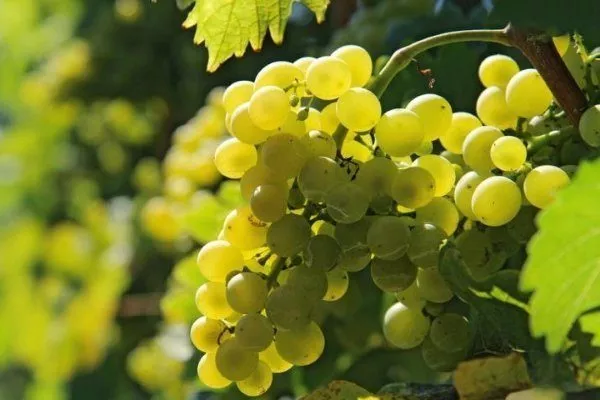
A grape variety native to Sicily. Unlike other white varieties, it has a higher sugar content, possesses distinctive organoleptic characteristics, and is distinguished by its long shelf life. The vines are of a traditional form.
This wine has a straw color with green highlights and boasts aromas of apple, citrus, and white flowers. It pairs perfectly with fish, seafood, and pasta.
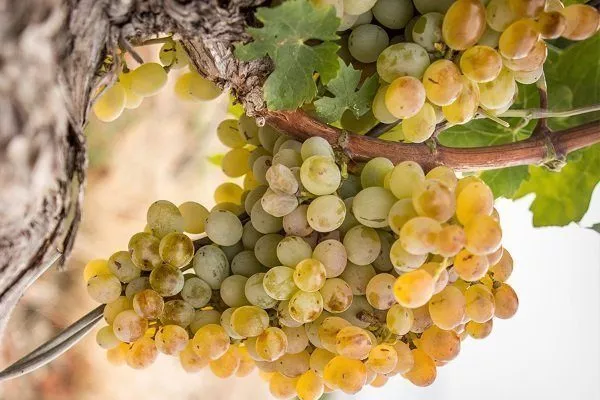
Sicilians use it to produce Marsala, a strong dessert wine with a high alcohol content.
Friendship
A versatile, very early-ripening variety, the harvest begins on August 20th. The bush is medium-sized with medium-sized, three-lobed, dissected leaves. The undersides are sparsely pubescent.
The clusters are medium-sized, weighing up to 280 g, cylindrical-conical with wings, and moderately dense in structure. The berries are large (4 g), white, and round. The flesh is fleshy, with a harmonious flavor and muscat aroma.
The variety is resistant to mildew and gray mold; treatment is required to prevent powdery mildew. It is highly frost-resistant, tolerating temperatures down to -23°C. The fruits are used for fresh consumption and in the production of Muscat wines.
Crystal
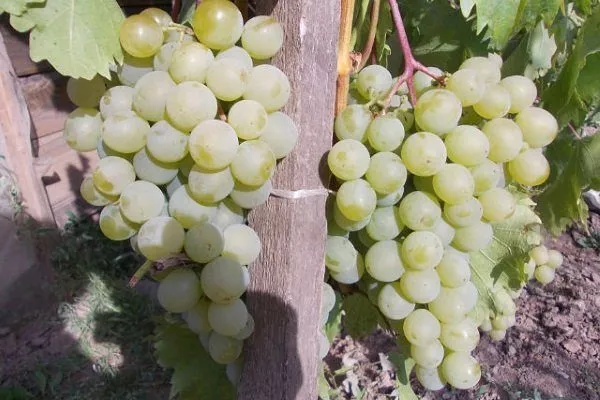
A very early-ripening variety (110-115 days). The bushes are medium-sized with medium-sized, deeply dissected, dark green leaves. The clusters weigh approximately 170 g and are cylindrical-conical in shape with moderate density.
The berries are medium-sized (up to 2.1 g), round, and white with a waxy coating. The flesh is juicy and has a harmonious flavor. This highly frost-resistant variety can withstand temperatures down to -35°C. It is also immune to mildew and oidium, and is resistant to gray mold. The yield is high.
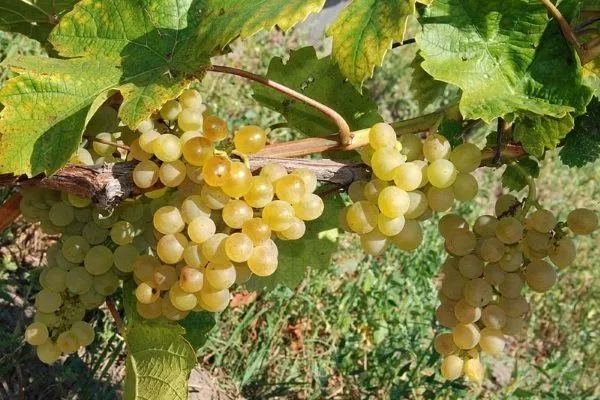
The grapes are used to make dry table wines such as sherry.
White Traminer
Or Sauvignon Blanc, Rivola Bila. This is a variation of the pink Traminer grape, differing only in the white color of its berries. The grape is popular in Moldova, where it is used to produce the vintage wine "Trandafirull Moldovei," blended with its pink relative in a 1:3 ratio. It is also widely cultivated in Western Europe.
The grape leaves are small, with 3 or 5 lobes, slightly sinuous, and covered with a web-like pubescence on all sides. The bunch is typically small, weighing an average of 90 g. The berries are medium-sized, round, and thick-skinned. The pulp has a low acid content, a high sugar concentration, contains 1-3 seeds, and has a spicy flavor.
In terms of ripening time, this grape variety is classified as a mid-late one. Yields are high but variable. Fruiting shoots account for 50-60% of the total. The variety is moderately resistant to gray mold, mildew, and grape leaf roller. It has good frost resistance but is intolerant of drought. The plant is demanding in terms of soil and location—it needs sunny and well-ventilated soil.
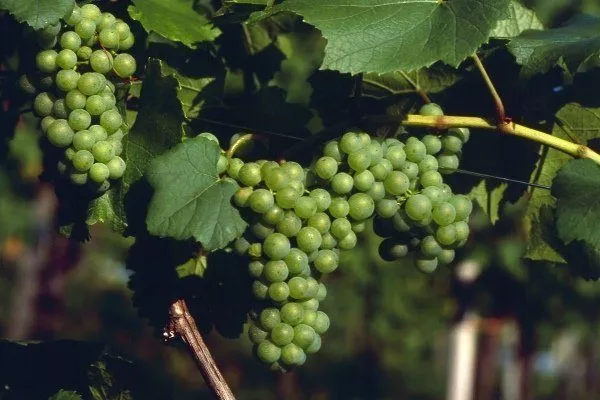
Wines from this variety are golden in color, low in acidity, and rich in flavor—the aroma contains notes of tea rose, dried fruit, raisins, wild berries, and lemon.
Red varieties
Red wines are produced using grapes with colored fruit. Unlike white wines, red wines are more complex and drier. The berries' seeds contain tannins, which impart the wines' essential astringency.
| Name | Ripening period | Frost resistance, C° | Productivity |
|---|---|---|---|
| Grenache Noir | late | up to -20 | low |
| Pinot Noir | late | up to -20 | low |
| Mourvedre (Mourvedre noir) | late | up to -20 | average |
| Saperavi | late | up to -20 | low |
| Carmenere | average | up to -20 | high |
| Cabernet Sauvignon | late | up to -20 | average |
| Syrah (Shiraz) | average | up to -20 | low |
| Merlot | mid-late | up to -20 | high |
| Sangiovese | mid-late | up to -20 | average |
| Richelieu | early | up to -22 | high |
| Bobal | late | up to -20 | average |
| Isabel | late | up to -20 | low |
| Malbec | mid-season | up to -20 | low |
| Festival | early | up to -26 | high |
| Marquette | average | up to -38 | average |
| Dobrynya | early | up to -35 | high |
| Augusta | early middle | up to -25 | high |
| Odessa Black | late | up to -20 | high |
Grenache Noir
Also known as Alicante or Granacha, this ancient variety, believed to have originated in Spain, is one of the most widespread in the world. The bushes are vigorous. The leaves are large, 5-lobed, and deeply dissected, without pubescence.
The cluster is large and conical. The grapes are medium-sized, round, dark blue in color, and have a high sugar content. They ripen very late (approximately 145 days). The grape is undemanding of soil conditions and can grow in poor soil. It tolerates drought well.
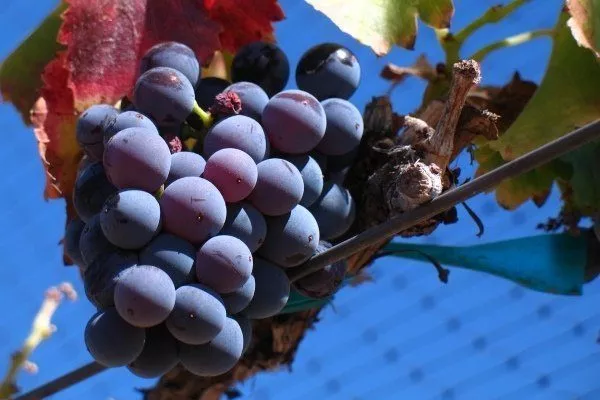
This variety is used to make pink and red wines.
Pinot Noir
Also known as Pinot Franc, Pinot Noir, Spachok, or Blau Burgundy. A French variety. The berries resemble small pine cones. The leaves are medium-sized, round, finely bubbly or corrugated, with 3 or 5 lobes. The clusters are small, cylindrical, weighing up to 100 g, and very dense.
The grapes are medium-sized, slightly oval, and often deformed. They are dark blue with a bluish-gray waxy coating. The pulp is tender, with colorless juice and 2-3 seeds. This is a very late-ripening variety (141-151 days), immune to mildew and moderately resistant to downy mildew and oidium.
The yield is low and depends on weather conditions. Winter hardiness is average. The variety is subject to mutation, which has led to the development of new Pinot Noir varieties:
- Pinot Meunier;
- Pinot Blanc;
- Pinot Gris.
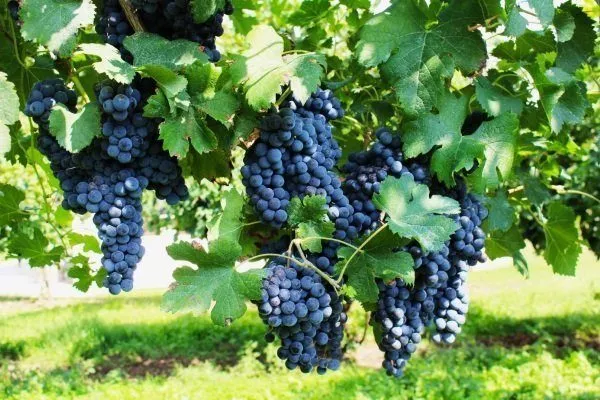
Mourvedre (Mourvedre noir)
A late-ripening variety of Western European origin. The bushes are tall. The leaves are medium-sized, weakly dissected, and three-lobed. The bunch is medium, weighing 175 g. The berries are blue-black in color with a strong waxy coating.
The plant is susceptible to diseases and pests. Yields are average. The variety is highly drought-resistant and easy on soil conditions.
Saperavi
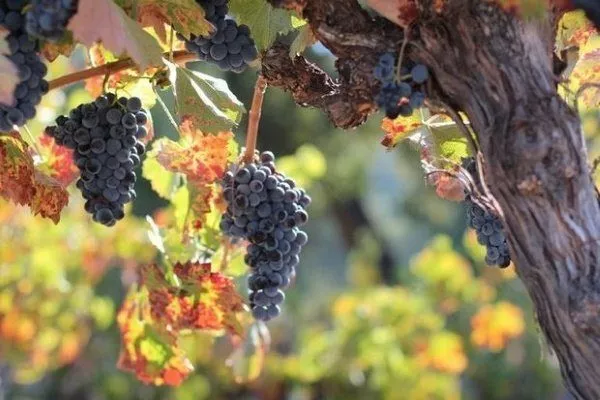
An ancient Georgian variety with a late ripening period (150-160 days). The bushes are medium-sized with medium-sized, 3- or 5-lobed leaves of an oval or ovoid shape. The clusters are medium-sized, weighing up to 99 g. They are broadly conical, loose, and branched.
The grapes are medium-sized, oval, and dark blue with a bloom. Disease resistance is low. The plant is often damaged by mildew and oidium, and in rainy weather, by gray mold. It is less susceptible to grape leaf rollers.
High drought tolerance, moderate frost resistance. At temperatures of -20°C, overwintering buds are damaged. Yield is average. A drawback of this variety is the abundant shedding of ovaries and flowers, and pea-sized berries.
Carmenere
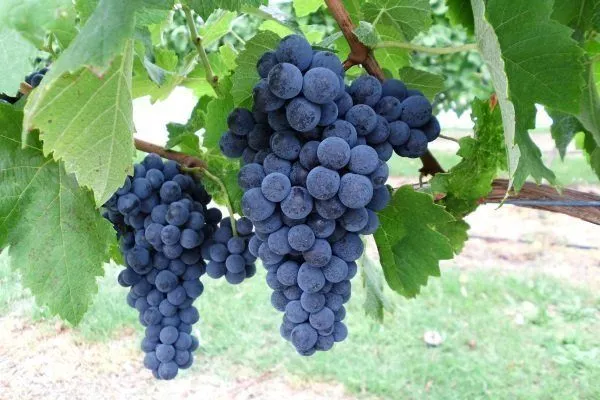
An ancient French variety native to Bordeaux. It is a mid-season grape. The vines are vigorous. The clusters are small to medium-sized, cylindrical-conical, and winged.
The berries are blue-black and round. The flesh has a grassy flavor. The variety is prone to ovary drop, but is resistant to fungal diseases.
Cabernet Sauvignon
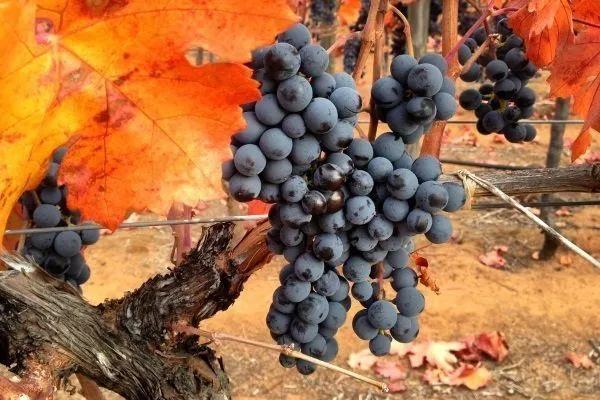
One of the popular varieties for red wine production. It originated in Bordeaux in the 17th century. Its leaves are light green with a reddish tint and dense white-pink pubescence. The leaf blades are deeply dissected, with five lobes. The clusters are small (73 g) and cylindrical-conical with wings.
The berries are round, dark blue, and coated with a thick, waxy coating. The skin is thick and rough, and the flesh is juicy with a nightshade flavor. This late-ripening variety is harvested in late September to early October. The grape is highly resistant to mildew and gray mold. It is completely resistant to grape leaf rollers and is rarely damaged by phylloxera.
It tolerates adverse weather conditions, including drought and frost, very well. However, heat negatively affects the size of the berries, causing them to become noticeably smaller. It is grown only in warm climates, allowing the harvest time to ripen, such as France, Chile, South Africa, Argentina, California (USA), Italy, and Australia.
Syrah (Shiraz)
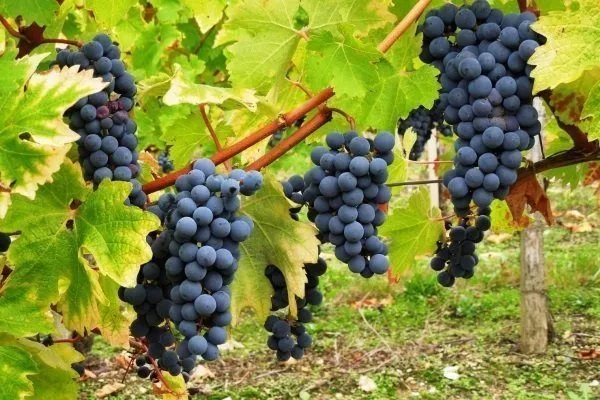
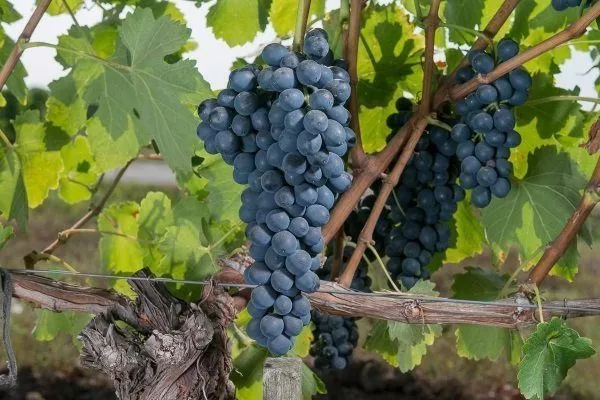
This mid-season variety originates from France. The bush is vigorous with medium-sized, 3- or 5-lobed leaves. The undersides are covered with light pubescence. The clusters are cylindrical-conical, medium in size, and dense.
The berries are round, hollow at the base, small, and black. Yields are low. Resistance to major grape diseases and pests is satisfactory. Wines from this variety are often used for blending.
Merlot
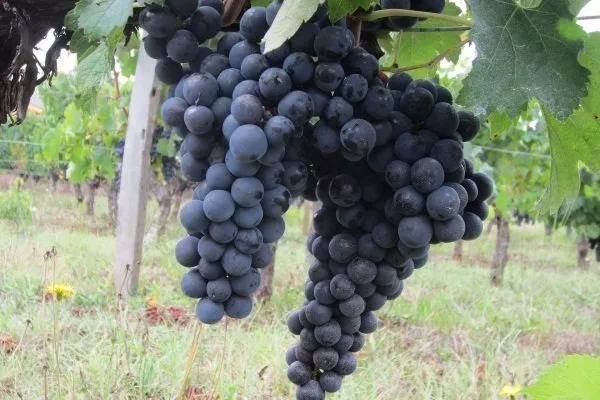
A mid-late French variety. Its leaves are green with a faint bronze sheen, five-lobed, and sparsely pubescent on the underside. The bunches weigh up to 150 g. They are medium-sized, cylindrical-conical, sometimes with a wing, and of medium density.
The grapes are medium-sized, black, and covered with a thick waxy coating. The flesh is juicy with a nightshade flavor and contains 1-3 seeds. Yields are stable and high. Merlot is susceptible to powdery mildew and moderately resistant to gray mold and mildew. Its frost and drought tolerance are average.
Sangiovese
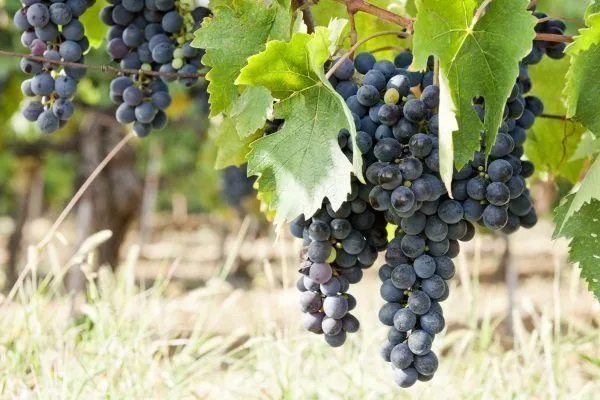
The most famous Italian variety with a mid-late ripening period. This is a capricious grape that grows in calcareous soils and prefers warmth but does not tolerate drought.
The bush is vigorous with medium-sized, 3- or 5-lobed leaves. Cluster size varies from small to large, depending on growing location. The berries are dark purple. Disease and pest resistance are average. The yield is average.
Richelieu
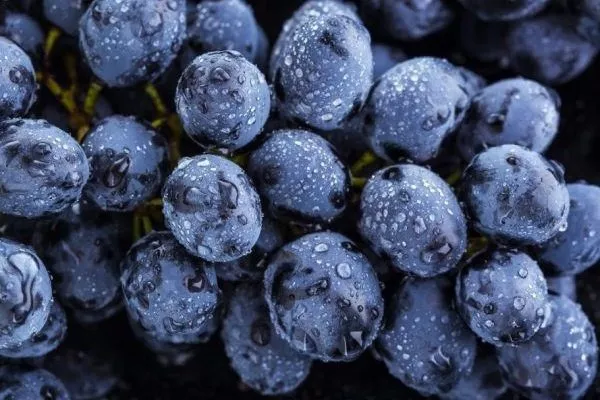
This table grape hybrid from Ukrainian breeders is distinguished by its early ripening period (115-120 days). The bush is vigorous. The bunches are quite large, weighing up to 800 g, with a medium-density structure and a conical shape.
The berries are large, oval, and dark blue. The flesh is plump and has a harmonious flavor. Pea formation is not observed on the berries, and they are rarely damaged by wasps. They are highly frost-hardy, withstanding temperatures as low as -22°C. The variety is immune to mildew and oidium; it is rarely affected by gray mold due to the early ripening of the fruit.
Bobal
Also known as Bobal, Balau, Balauro, Benicarló, or Bobos, this Spanish late-ripening variety ripens in late September to early October. The bushes are vigorous. The leaves are large, 5-lobed, and pubescent on the underside.
The cluster is conical and dense, ranging from medium to large in size. The berries also vary in size from medium to large. They are often flattened due to the density of the cluster and are blue-violet in color. The variety is resistant to mildew and oidium, and is virtually immune to gray mold.
Isabel
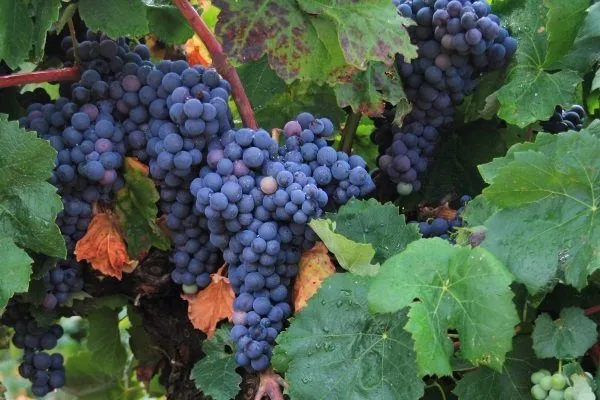
A table and technical variety with a late ripening period (150-180 days). The leaves are large, three-lobed, dark green, with a greenish-white underside and dense, tomentose pubescence. The clusters are cylindrical, medium-sized (140 g), winged, and of medium density.
The berries are medium-sized, round or oval in shape. They are black with a bluish tint and a thick waxy coating. The skin is thick, the flesh is slimy with a strong strawberry aroma. The yield is low.
Isabella is resistant to fungal diseases, phylloxera, and frost, so it is often grown as an open-grown crop. In northern regions, cultivating this grape variety is impractical, as the berries do not have time to ripen. The fruits are eaten fresh and used to make ordinary wines.
Malbec
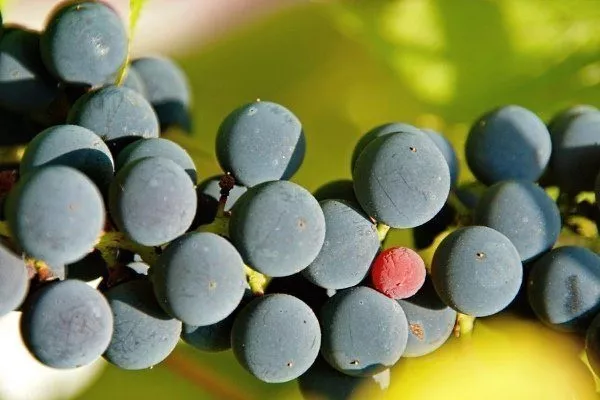
A mid-season variety of French origin. The medium-sized bushes are covered with medium-sized leaves with downward-curving edges. The clusters are small to medium in size, conical or broadly conical in shape, and loose in density.
The berries are medium-sized, dark blue, almost black, and covered with a waxy coating. Flowers are prone to shedding, resulting in low yields and inconsistent fruiting. The variety is frequently affected by mildew, anthracnose, and gray mold, but is moderately resistant to powdery mildew and slightly susceptible to grape leaf roller. Frost resistance is low, and the plant also does not tolerate recurrent frosts.
Festival
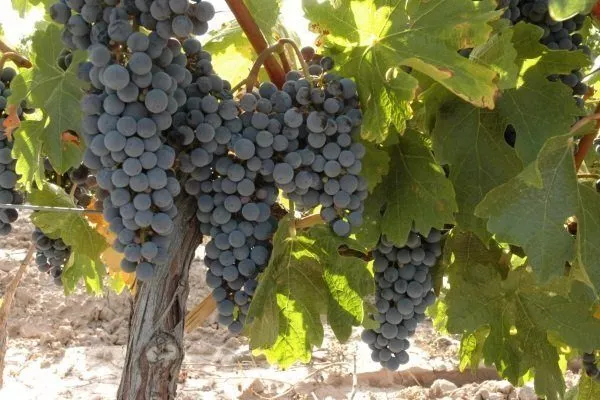
An early-ripening variety of Russian origin. The bushes are vigorous. The clusters are small to medium-sized, cylindrical-conical, and loose. The berries are oval, dark blue, and have a muscat aroma.
The yield is high. The variety is susceptible to phylloxera, but is frost-resistant (down to -26°C) and disease-resistant. However, it requires mandatory treatment against fungal diseases.
Marquette
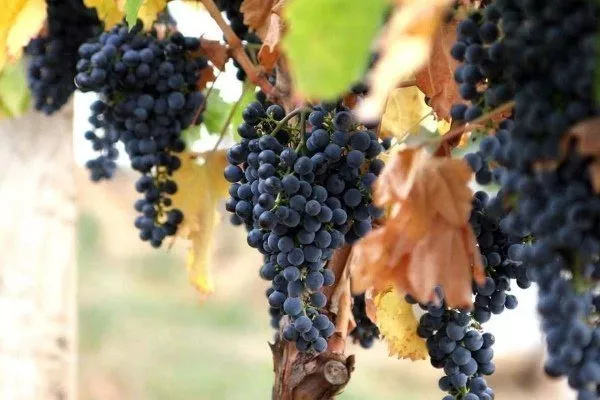
A promising new variety from American breeders. It boasts increased disease and frost resistance, as well as excellent wine quality. This mid-season variety is a popular choice.
The clusters are small to medium-sized. The berries are dark blue. The plant can withstand temperatures down to -38°C and is immune to fungal diseases, with moderate resistance to phylloxera. The variety has a medium yield.
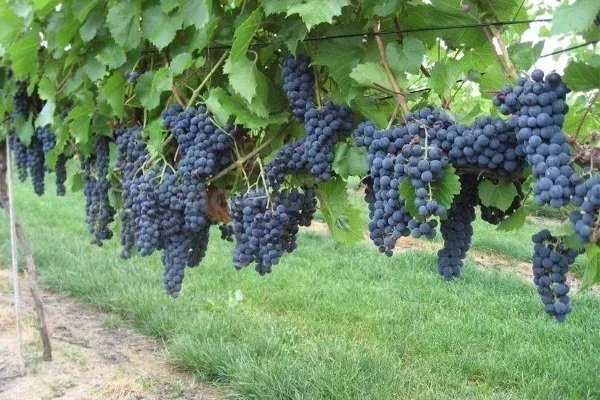
It is distinguished by vertical growth of shoots, which minimizes the effort required to maintain the vineyard.
Dobrynya
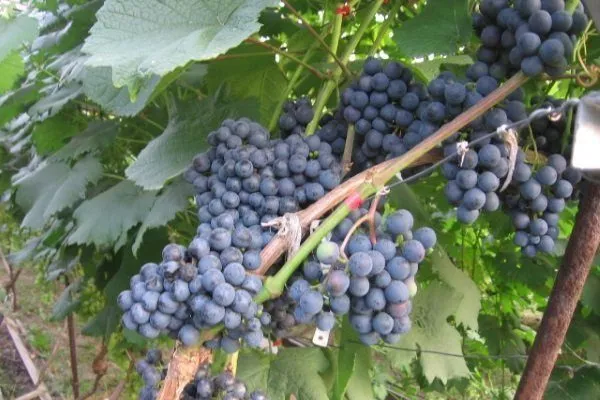
A Russian-bred variety distinguished by its early ripening period (115 days), transportability, and suitability for winemaking. The harvest is in mid-August. The bushes are vigorous. The leaves are medium-sized, 5-lobed, and the margins curl upward.
The clusters are small and cylindrical. The berries are small and black. The flesh is firm and juicy. The yield is high. This variety is highly frost-hardy—it tolerates temperatures down to -35°C, requires no additional cover, and overwinters well under snow. The plant is resistant to phylloxera, mildew, and oidium.
Augusta
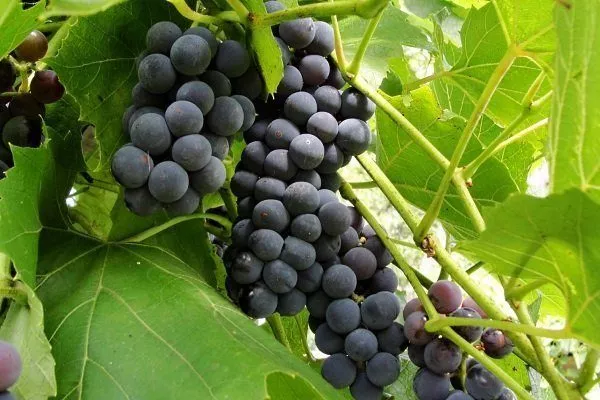
An early-to-mid-season variety (128-130 days). The bushes are vigorous. The bunches are small (110-120 g), conical in shape, and loose. The berries are small (1.3 g), dark blue.
The pulp is fleshy with a subtle Muscat aroma. The yield is high. The plant tolerates temperatures down to -25°C and can be grown uncovered. The grape has moderate resistance to diseases and pests.
Odessa Black
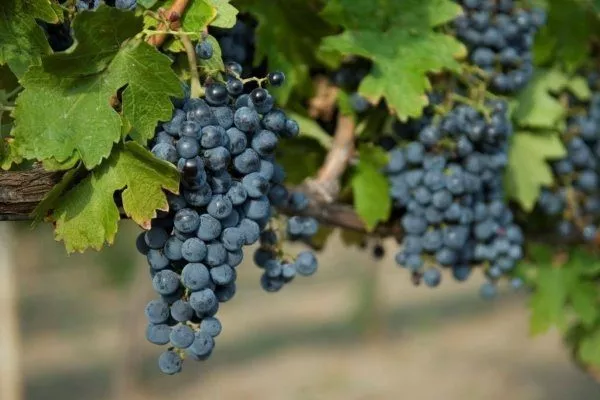
A very late-ripening variety (160-165 days). The bushes are medium-sized and covered with medium-sized, rounded leaves with 3 or 5 lobes. The bunches are medium-sized, conical, and loose.
The berries are small, round, and dark blue with a thick waxy coating. The yield is high. The variety is relatively resistant to gray mold and powdery mildew. It is distinguished by increased winter hardiness, but only if the weather conditions were favorable in the fall and the vines had time to ripen.
How do wine grape varieties differ?
Wine can be made from any grape variety. However, it is the variety that determines the bouquet, color, and flavor of the drink. High-quality wines are made using technical grape varieties, or, as they are also called, wine grapes. Compared to table grapes, they have more modestly sized bunches. The berries are very juicy, but small to medium in size.
- ✓ Juice acidity level (optimal range 6-9 g/l for white wines and 5-7 g/l for red wines).
- ✓ Tannin content (important for red wines, affects astringency and storage ability).
Their juice content reaches 75-85% of the total weight. Depending on the ratio of sugars and acids in the pulp, they are used to produce different types of wine—dry, sparkling, and dessert. In wine grapes, the sugar concentration reaches over 18%, and they must also contain a high concentration of coloring and extractive substances. These substances influence the richness of the wine and determine its aromatic bouquet and color.
Tables of varieties by criteria
The table below presents grape varieties with their main characteristics and an indication of the region most favorable for growing a particular variety:
| Name | View | Growing region | Color of berries | Ripening period | Frost resistance, C° | Immunity to diseases | Productivity |
| Augusta | technical | North Caucasian | dark blue | early middle | up to -26 | average | high |
| Aligote | technical | Krasnodar Krai | greenish-white | early middle | average | short | high |
| Bianca | technical | North Caucasian | yellow-green | early | up to -27 | high, except for anthracnose | high |
| Friendship | universal | suitable for growing in all regions | white | early | up to -23 | average | average |
| Crystal | technical | North Caucasian | white or yellow-green | very early | up to -35 | high | high |
| Mourvedre | technical | North Caucasian | blue-black | late | average | average | low |
| White Muscat | technical | Southern regions | golden | early middle | low | average | low |
| Odessa Black | technical | North Caucasian | blue-black | very late | increased | average | average |
| Saperavi
| technical | Southern regions | dark blue | very late | average | average | low |
| White Chasselas | dining room | Krasnodar Krai | yellow-green | early | high | short | low |
Elite grape varieties with the following main characteristics:
| Name | Country of origin | Wine variety | Ripening period | Productivity | Frost resistance | Disease resistance |
| Cabernet Sauvignon | France | red | late-ripening | average | increased | high |
| Carmenere | France | red | average | high | low | average |
| Merlot | France | red | mid-late | high | average | below average |
| Pinot Blanc | France | white | average | low | high | low |
| Pinot Noir | France | red | late | low | average | average |
| Riesling | Germany | white | late | unstable | up to -20 | low |
| Sangiovese | Italy | red | mid-late | average | low | average |
| Syrah | France | red | average | low | high | average |
| Sauvignon Blanc | France | white | average | below average | low | low |
| Chardonnay | France | white | average | above average | average | low |
Choosing a grape variety for winemaking is no easy task. Each grape has its own unique flavor, aroma, and color. Our article will help you make your choice and grow the variety that best suits your needs.