
Grapes are grown in almost every garden plot. Their popularity stems from the berries' wide variety of uses. They are used to make wine, compotes, syrups, and raisins, which add a unique flavor to any dish. The only thing that can make a difference is sour grapes, not sweet ones.
Why don't grapes get sweeter?
Sometimes grapes look good but taste sour. There are several reasons for this:
- The vine is too overloaded. If the vine is large, the plant expends a lot of energy to nourish the foliage and bunches, which affects the acidity of the berries. The plant simply doesn't have the energy to produce glucose.
- Water during ripeningThe most serious mistake is watering grapes during the ripening stage. Excess moisture causes the berries to enlarge, but it doesn't increase sugar content. Furthermore, improper watering causes the grapes to crack.
- Vegetables grow near the vinesGrapes have a hard time growing next to vegetables. This is because fruit plants have a powerful root system that absorbs water from adjacent beds, and some vegetables require regular watering. Grapes will draw moisture when it's not needed.
It is recommended to plant garlic, onions, and potatoes near grapes. These crops are harvested before the berries ripen. - The vine is in the shade. Grapes thrive on direct sunlight and warmth. Insufficient light prevents the berries from producing sugar. Sometimes, the harvest not only turns out sour, but even fails entirely.
- Lack of food. Fruit plants require nitrogen, phosphorus, and potassium. If these nutrients are deficient, fruit berries will not form. On bushes where fruit buds form in the spring, the berries are small and especially sour.
- ✓ The optimal air temperature for the accumulation of sugar in grapes should be no lower than 25°C during the day and not fall below 15°C at night.
- ✓ Soil pH should be between 6.0 and 6.5 for optimal nutrient absorption.

Preventive measures
It's commonly believed that grapes are an easy-to-grow crop. But to get a good, and most importantly, sweet, harvest, the bushes need proper care.
Top dressing
The best fertilizer for grapes is wood ash. This is because it contains:
- calcium;
- potassium;
- phosphorus;
- manganese;
- boron;
- sulfur.
All beneficial micronutrients promote proper fruit development and sugar filling. Potassium and phosphorus will help maintain the effect next year.
The best time to apply fertilizer is mid-August. The following is how to apply the fertilizer:
- In dry form during soil loosening. Composition: 200 g per 1 sq. m of soil, bury to a depth of no more than 10 cm.
- Solution. The infusion should be prepared 7 days before feeding. Dilute the ash with water at a ratio of 25 g per 1 liter of liquid. Stir the mixture constantly for a week.
Watering
Fruits in the ripening stage should not be watered. Excessive moisture negatively affects the berries. There are no clear requirements or dosages regarding watering.
The amount of water applied to the bushes is adjusted based on weather conditions, i.e., whether there's rain or not. Avoid overwatering the plant or allowing the soil to dry out to the point of forming a crust, and avoid sudden changes in soil moisture.
To ensure that the grapes are sweet, sprinkle the bushes on hot days.
Pollination
Pollination affects grape yield and flavor. If natural pollination is lacking, use artificial methods. Transfer pollen from flowers to the grapes yourself using a downy brush.
Repeat this procedure several times during the flowering period. The optimal time is morning or cloudy weather. To stimulate flowering, alternate male and female plants in the plantings, and thin out side shoots and dense foliage.
Processing bushes
Carefully inspect the plants several times a week for signs of disease. If the grapes become diseased, there's a chance their flavor will deteriorate.
How to make sweet grapes from sour or unripe grapes?
If the grapes are sour and there's no way to improve the situation, there are several ways to sweeten them. To speed up ripening, create conditions for the breakdown of tartaric and malic acids.
The slow way
A method that works 100% of the time. The basic idea is to store the harvested crop in a dark, warm place well in advance. Kitchen cabinets, bedrooms, pantries, etc. are all suitable. The main requirement is that the storage area should be reasonably dry and warm.
Leave the grapes in storage for 4 days. Usually, after this time, the grapes become sweeter and are ready to eat. To ensure they're ripe, sort through them several times.
The quick way
This method should be used to serve berries as a dessert on the same day. Here's how:
- Take a flat plate and place the grapes on it.
- Place the dish in the microwave for exactly 20 seconds.
- Let the berries cool naturally.
High temperatures stimulate the breakdown of acid into water and other microelements. As a result, the berries are sweet and have a distinct flavor.
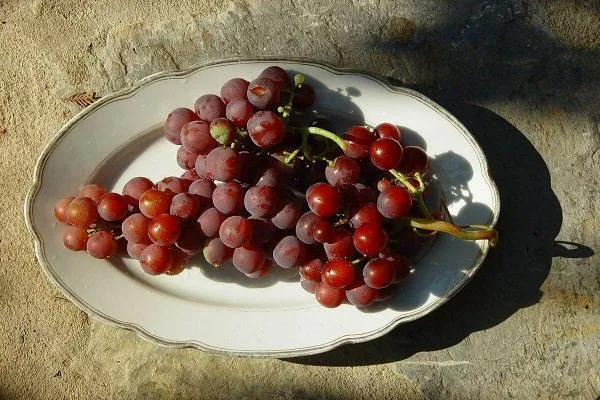
Alternative method
The time to perfect the sour grapes is one hour. Place the berries in a saucepan with hot water and let them steep for about an hour.
You can save sour grapes or try to improve the taste. Instead, use them to make a chutney salad or refreshing lemonade.
Sour grape varieties
| Name | Ripening period | Color of berries | Bunch shape |
|---|---|---|---|
| Isabel | 5-6 months | Black | Cylindrical |
| Aligote | 5 months | Golden with a green tint | Cylindrical |
| Taifi | 6 months | Pink with purple | Cylindrical/Oval |
| Lady's finger | 5 months | Green | Cone |
| Autumn Black | 4 months | Black/Purple | Conical |
| Amur | September | Black | Various |
There are grape varieties that differ from all familiar varieties in their sugar-to-acid ratio. Specifically, they contain much less of the former. These varieties are most often used to make wine.
Varieties that have an acidic taste:
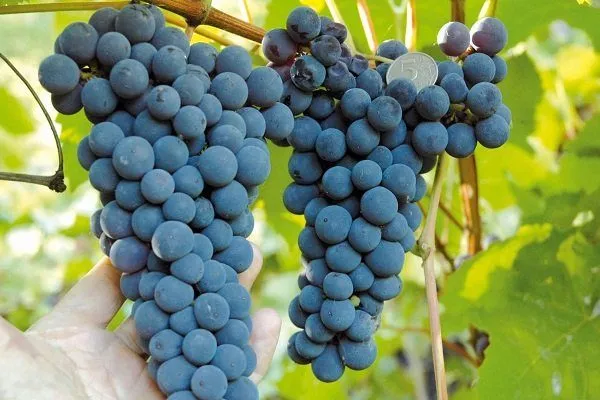
- Isabel. The flavor is very tart with hints of strawberry. The grapes have glossy, deep-green leaves with a pale underside. The bunches are medium-sized and cylindrical.
The berries vary—they can be oval or round—but are always black with a waxy coating. Grapes reach full ripeness in 5-6 months.

- Aligote. The taste is sweet and sour. The leaves are large, glossy, with red petioles that turn yellow in autumn. The underside of the leaf is downy.
The clusters are cylindrical. The berries are small, golden in color with a slight green tint, and may have dark spots. Ripening time is at least 5 months.
- Taifi. The pulp has a sweet and sour taste. The medium-sized leaves are a typical green color. The clusters and fruits themselves are cylindrical or oval, but are always large. The berries are pink with hints of purple. The harvest takes about six months.
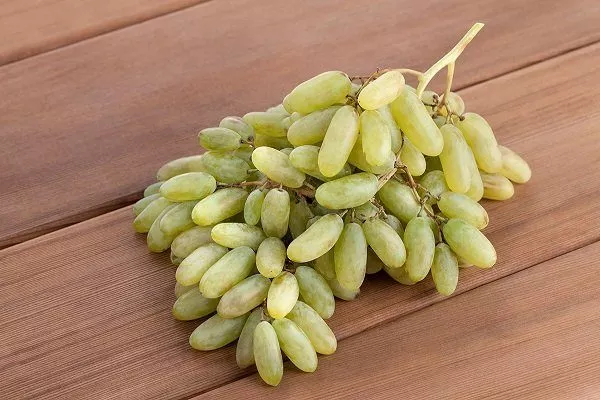
- Lady's finger. It has a pleasant, sugary flavor with a slight acidic aftertaste. The clusters are large, typically weighing at least 400 g, and are cone-shaped. The berries, with a waxy coating and green skin, are about 4 cm long.
The leaves are small and bright green. The bush begins to bear fruit after 5 months.
- Autumn Black. One of the most unique varieties with slightly tart berries. Leaves can be large or medium-sized. The clusters are huge – over 700 g. Their shape is conical. The size of the berries depends on the volume of the cluster.
The color is constant—black or purple. The growing season lasts from 4 months, depending on climate conditions.
- Amur. The grape bush resembles a deciduous vine approximately 30 meters long, with clusters of varying sizes and black berries with a distinctly tart flavor. The vine's bark is green, but changes to a deep red as the temperature drops.
The Amur grape harvest is collected in September.
Sour grapes are a problem for many gardeners and homesteaders. There are several possible causes, and they should be considered before planting. Grapes are not fussy, but they do require special care. Sometimes, even despite following all the proper growing practices, you can end up with sour-tasting grapes—this is a characteristic of the variety.