
There are many varieties, each with unique characteristics and outstanding properties. Among them, the Kishmish 342 grape stands out, attracting attention with its large clusters and pleasant flavor. To ensure a good harvest, it is necessary to strictly adhere to all agricultural practices and recommendations.
History of selection
Created in 2011 through the efforts of Hungarian scientists and specialists in parallel breeding, it was developed from the renowned American Perlet and the popular Villard Blanc variety.
Description of the variety
Ideal for growing indoors, the plant offers many advantages, including low maintenance and high frost resistance.
Bushes
It is characterized by a strong and thick vine, capable of growing up to 5-6 meters without the need for pruning. The bark is hard and rough, dark brown in color. The shoots are covered with large, grayish-green, slightly pubescent, trilobate leaves.
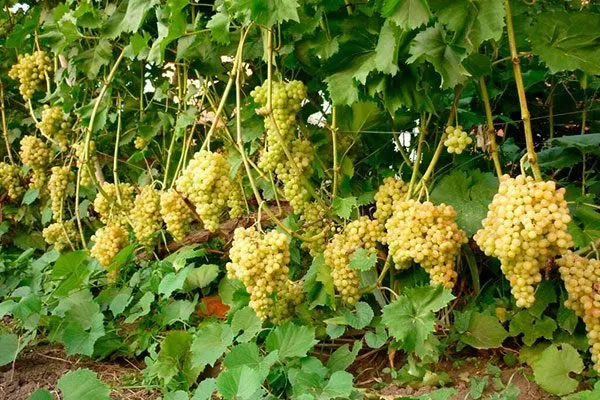
It has a deep, branched, and well-developed root system, ensuring stability in the soil substrate. The flowers are bisexual, slightly beige in color, and feature a 100% ovary.
Berries
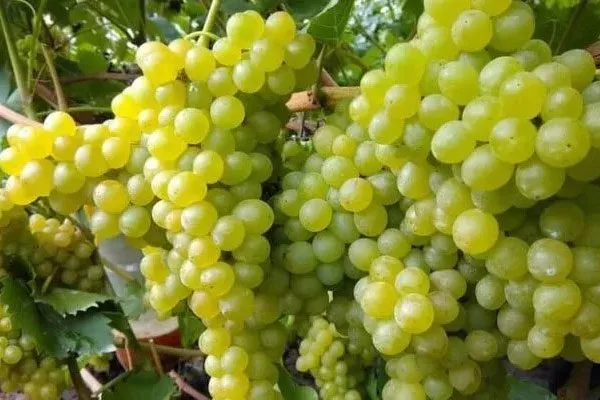
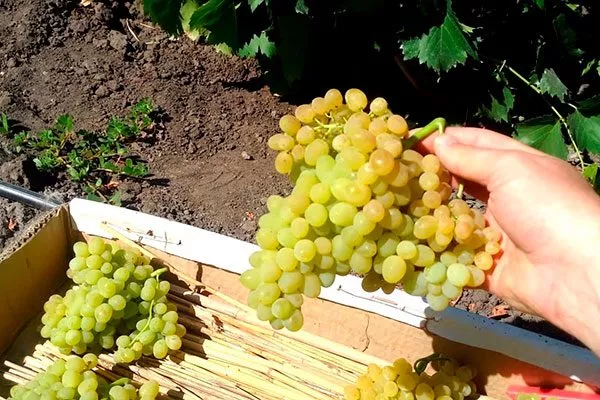
It delights with small berries weighing 2 to 3 grams. The skin is light yellow, tanning when exposed to sunlight. It is thin and delicate, imperceptible when eaten, preventing damage from wasps. For protection, the bunches are covered with mesh bags. The fruits are seedless.
Clusters
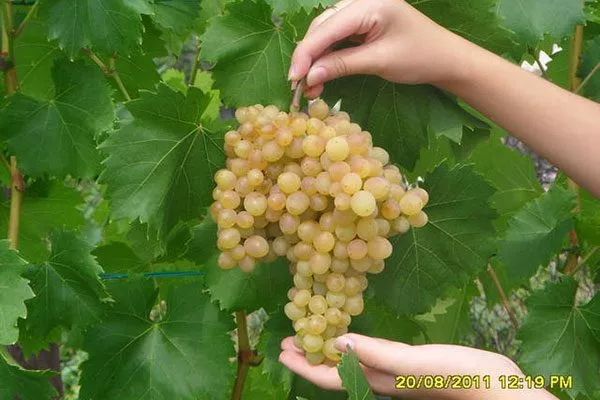
Uneven-aged bushes are characterized by uneven cluster sizes, with clusters on older vines typically larger than those on younger shoots. The average weight of a cylindrical-conical cluster is 300-500 g, but with proper cultivation techniques, larger sizes can be achieved. The cluster structure is moderately dense.
Taste
The pulp is firm, with a distinctly sweet flavor that evolves from simple to harmonious with a slight muscat flavor. Kishmish 342 grapes aren't a standard for flavor, but many use them as food.
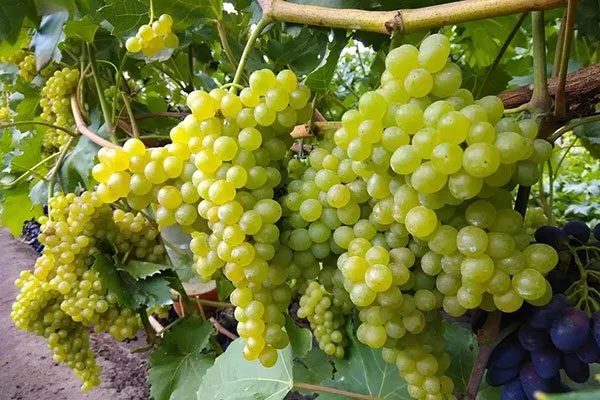
Kishmish hybrids are typically used to produce raisins, but this variety, due to its lack of flesh, can resemble a thin skin after drying, which is not always appealing to consumers. At home, the fruits are excellent for making wines, juices, compotes, fillings, and salads.
Brief description
The characteristics and descriptions define the specifics of the growing process. Kishmish 342 attracts gardeners with its excellent qualities and features.
Drought resistance, frost resistance
It has high frost resistance, able to withstand temperatures down to -26°C. However, winter shelter is required, especially in central regions. Its drought tolerance is high thanks to its extensive root system, which penetrates the soil to a depth of over 1 m to extract moisture.
Resistance to diseases and pests
It is characterized by strong immunity to many diseases, especially fungal infections. However, it still requires preventative treatments, especially during rainy periods, when the risk of developing diseases increases.
Pollination, flowering period and ripening time
It produces flowers of both sexes on its shoots, ensuring good fruit set and eliminating the need for other varieties as pollinators. To increase yield, varieties with similar ripening periods can be planted nearby.
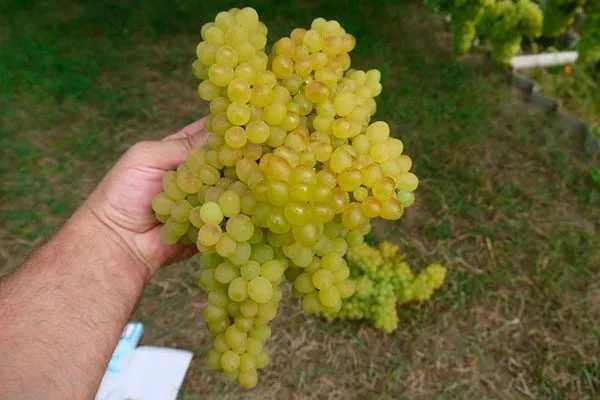
It is distinguished by its rapid ripening period. From flowering to technical maturity, it takes approximately 110-115 days. This makes it attractive to gardeners in various regions.
Harvest time may vary depending on weather conditions. In the Urals and Transbaikal, the fruit ripens in late August to early September. In central regions, such as the Moscow region, the fruit is ready for harvest in mid-August. In southern Russia, it ripens in late July to early August.
Productivity and fruiting
Fruiting begins quite early, and the first significant harvest can be expected as early as the third year after planting. The yield is high, and productivity increases each year. On average, you can expect 20 to 25 kg of berries per bush.
Chemical composition of berries
The fruits have juicy, beige flesh with a sweet, dessert-like flavor and a distinct muscat aroma. Some note a cloying taste, but most gardeners appreciate this variety.
Sugar content is 190-210 g/dm3, acidity is 6-8 g/dm3. This ideal sugar-to-acidity ratio makes it one of the most popular grape varieties for consumption.
Advantages and disadvantages
It is distinguished by its reliability, stable fruiting, and good performance characteristics. It offers several advantages:
Landing
The planting approach depends on the region's climate. In southern regions, cuttings can be planted in both spring and fall, thanks to the long autumn and mild, warm winter, which allows the seedlings to adapt successfully.
- ✓ Soil pH should be between 6.0-6.5 for optimal nutrient absorption.
- ✓ The depth of groundwater is at least 1.5 m to prevent root rot.
In temperate climates, spring planting is best due to the risk of early winter, which can prevent the seedling's root system from establishing. The planting process is fairly simple. A sunny location protected from winds and drafts is essential.
Choose a site with fertile soil, preferably black soil. Since the bushes will grow, space them at least 3-4 meters apart. Dig planting holes 70x80 cm in size. Place drainage material at the bottom, and mix the excavated soil with humus and wood ash.
Growing and care
Agricultural practices play a key role in crop health and yield. Key care measures include:
- WateringProvide regular watering. Mature plants should be watered at least once every two weeks, and young seedlings should be watered weekly. The trench method or a perforated metal tube will direct water to the roots more effectively.
- Top dressingIn spring, use nitrogen fertilizers to stimulate foliage growth. In summer, feed with potassium-phosphorus fertilizers to promote large berries. In autumn, apply organic fertilizers such as humus, wood ash, bird droppings, and compost.
- TrimmingDue to the rapid growth rate of the shoots, regular pruning is necessary. Pinching out side shoots and removing excess shoots and clusters will help control growth and shape the yield. It's important to regulate the number of clusters per shoot.
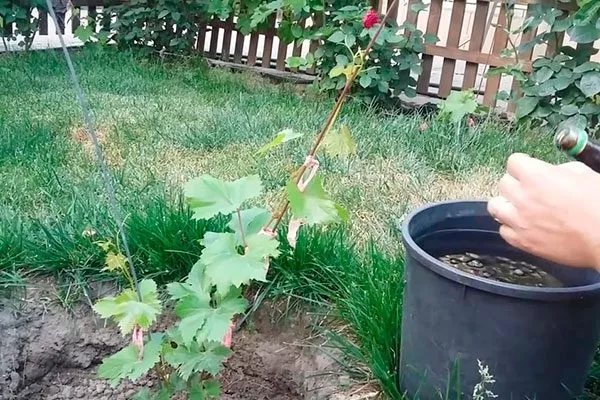
Young plants require special attention. During the first year after planting, cover them with a plastic bottle and insulate with sawdust.
Pest and disease control
To prevent fungal infections, carry out preventative treatments. In the spring, treat grapevines with solutions of Topaz, Radomil, and Bordeaux mixture.
- In early spring, before the buds open, treat the plants with a 3% solution of Bordeaux mixture.
- After flowering, treat with contact-systemic fungicides.
- In the fall, after harvesting, treat the plants with a 1% solution of copper sulfate.
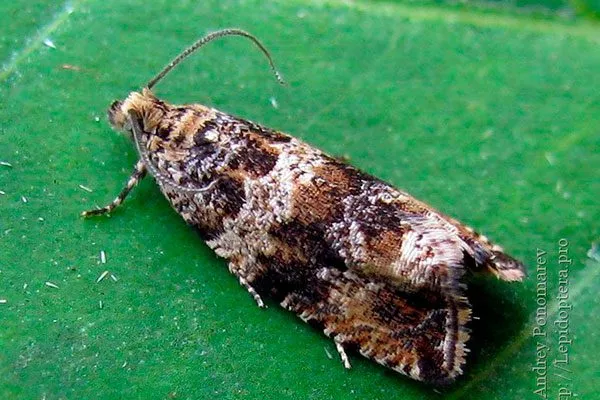
Mildew and powdery mildew are rare and typically occur when planting material is dense. Mildew causes a moldy coating and yellow spots to appear on the leaves, while powdery mildew causes the foliage to become covered in a grayish bloom, and the berries crack and spoil, developing a rotten fish smell.
Helpful tips:
- To combat mildew and oidium, use products containing kresoxim-methyl and copper, performing treatment twice with an interval of 14 days.
- For prevention, use Actellic and Oxychom before flowering. After fruit sets, treat the bushes with contact-systemic fungicides such as Thanos and Acrobat. For severe infestations, use Quadris and Strobi, alternating them to prevent fungal resistance.
- To protect your harvest from wasps, use mesh bags, placing each bunch of grapes in them and tying them tightly. Place bait made from jam, honey with boric acid, or sugar with chlorophos near the bushes.
Reproduction
There are several ways to increase the number of seedlings. The following propagation methods are available:
- Cuttings. Select healthy, mature cuttings (shoots) about 15-20 cm long with 2-3 buds. Place them in the soil at a depth of 5-10 cm at a 45-degree angle. Once roots appear, transplant the cuttings to their permanent location.
- Graft. Select a healthy, strong rootstock to graft onto. Take a scion with healthy buds. Make cuts on the rootstock and scion to ensure a proper connection. Make sure the cuts are clean and even.
Graft the rootstock and seedling by joining the cut ends tightly together. Tie them with a soft material to ensure a secure hold. Treat the graft site with garden pitch or a special sealant to prevent drying out. - Seeds. A less common method for grapes due to the loss of varietal qualities. Sow them in the ground in spring or fall, then grow the plants until they are ready for transplanting.
- Division. Mature bushes can be divided into several parts, each of which can be replanted as an independent plant.
Reviews
This variety is easy to grow, even for beginners. To ensure good results, it's important to carefully follow the recommended growing practices. Regular care and attention will help you achieve the desired results and enjoy a bountiful harvest of delicious grapes.