
One of the most successful varieties is Cabernet Sauvignon. This plant wins the hearts of gardeners for its ease of cultivation and excellent fruit characteristics. It has many characteristics and advantages, so it is often grown in garden plots or vegetable gardens. Proper care is essential to ensure consistent and good yields.
History of selection
Created by French breeders by crossing two varieties—Cabernet Franc and Sauvignon—it quickly gained popularity and found wide application in winemaking. It is considered one of the best for wine production.
Description
It thrives in virtually all regions with a temperate climate. Where winemaking is developed, the variety becomes an essential crop.
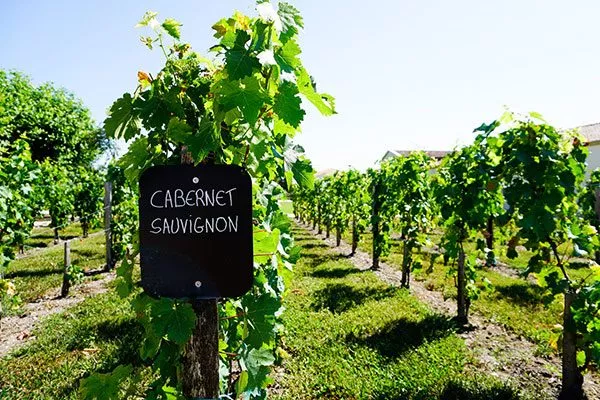
Bushes
The bushes are vigorous and spreading. The plants are covered with soft-textured leaves, which are light green in color. A distinctive feature of the grape-like foliage is the distinctive red border on each leaflet and the fine pubescence of the leaf blades.
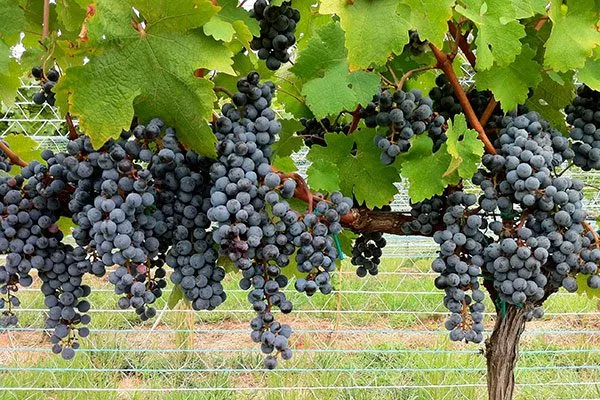
It has the ability to self-pollinate, as both male and female flowers actively develop on the bushes. The beautiful cap of foliage adds additional decorative elements to the appearance.
Clusters and berries
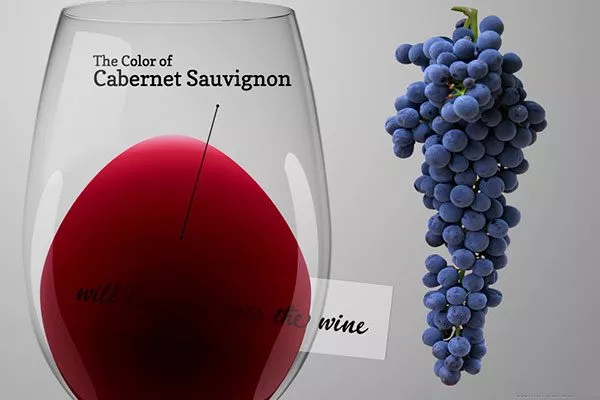
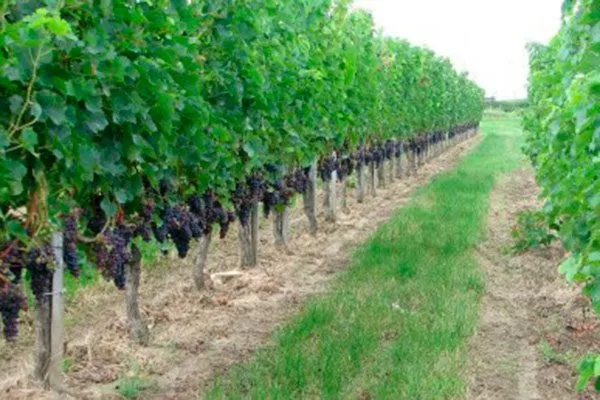
During the warm season, clusters of flowers form. The clusters are small in size and weight, but their numerousness ensures excellent yields. The berries are arranged almost freely, not pressed together.
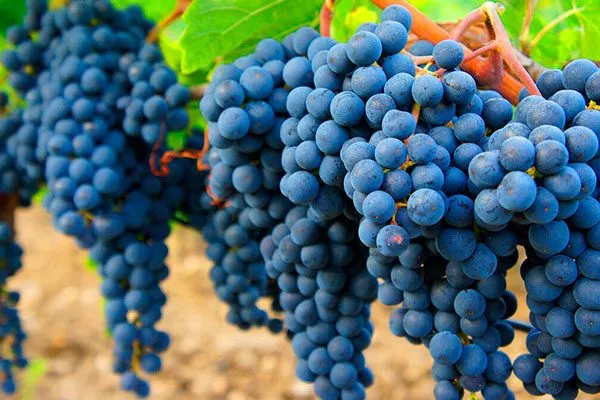
The cluster shape is uneven, with a noticeable increase in diameter at the base, which decreases sharply after one or two rows of fruit. The cluster is securely attached to the shoot, and the berries do not fall off even with slight mechanical stress.
Taste qualities
The flesh has a grassy character and a distinct flavor reminiscent of nightshade and blackcurrant when fully ripe. Flavor characteristics may vary depending on the ripeness of the berries, growing conditions, and the location of the bush.
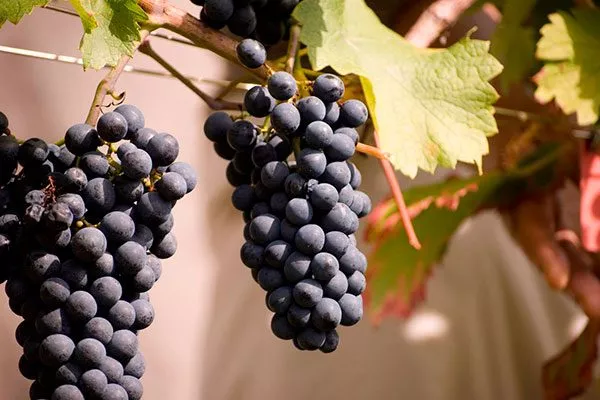
Properties and characteristics
Highly nutritious, with a caloric content of 56 kcal per 100 g, the fruit boasts numerous beneficial properties, making it an effective treatment for:
- increasing immunity and general strengthening of the body;
- strengthening the cardiovascular system;
- normalization of the digestive system;
- improving memory and concentration;
- giving vigor and vital energy;
- removal of toxins and other harmful substances from the body;
- positive impact on sleep;
- slowing down the aging process.
Culinary uses
Cabernet Sauvignon is renowned for its excellent wine, but it also finds wide culinary uses. There are several ways to use the grape in cooking:
- fresh salad;
- pickled grapes;
- desserts and pies;
- side dish for meat;
- frozen treats;
- compotes and drinks;
- canned grapes.
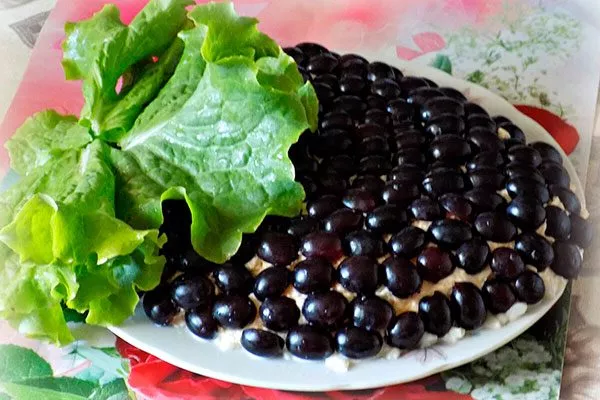
Cabernet Sauvignon is an interesting ingredient in various culinary experiments, giving dishes an exquisite taste and sophistication.
Pros and cons of the variety
Before planting, it's important to examine the positive and negative qualities. The crop has many advantages:
- High yield, allowing you to collect from 60 to 90 centners of berries per 1 hectare.
- Exquisite taste and attractive appearance.
- Resistant to cracking and rotting even in wet weather.
- Resistance to diseases and pests.
- Frost resistance, ability to withstand temperatures down to -30°C.
- Its undemanding nature allows it to thrive and produce fruit in a variety of climates.
- Suitable for the production of high quality alcoholic beverages.
The hybrid's disadvantages include pea-shaped fruit and ovary drop. With proper care, these issues can be minimized.
Landing rules
To ensure a bountiful harvest, follow all cultivation standards and recommendations, paying attention to such aspects as planting timing, site selection, planting technology, and care methods. Grape seedlings can be planted in both spring and fall. When choosing a planting site, choose well-lit areas protected from cold, gusty winds.
- ✓ The depth of groundwater is at least 2.5 m to prevent root rot.
- ✓ Optimal soil pH is 6.0-7.0, measured before planting with a pH meter.
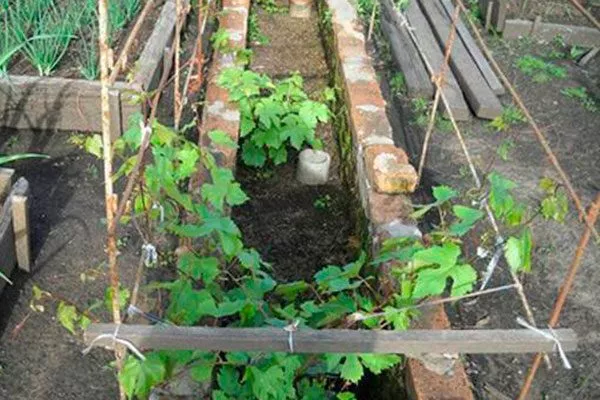
The soil should be sandy or loamy with a neutral pH. Waterlogged or saline soils are unsuitable. Follow a specific planting pattern, spacing the plants 1.3 m apart and 3-3.5 m between rows.
The landing algorithm includes the following steps:
- Dig a hole 70-80 cm deep and lay fine gravel drainage at the bottom.
- Sprinkle a 5-10 cm layer of fertile soil on top.
- Place the vine with its roots down and cover with soil.
- Water thoroughly and mulch the tree trunk circle with peat.
Correctly performed planting stages will ensure rapid development and active formation of shoots.
Care methods
Cabernet Sauvignon is an easy-to-grow and low-maintenance plant, making it an ideal choice even for those with little gardening experience. It is unaffected by weather changes and winds, and is resistant to most pests.
Care features include compliance with agricultural practices:
- Watering. Water the plant for the first time after removing the winter cover, after tying the vines to the trellis. A significant amount of water is required – approximately 40 liters per mature plant. Use warm water. Additional watering should be done before and after flowering.
- Top dressing. Fertilizer is essential for grapes, but too much can negatively impact the growth and quality of the harvest. If the soil was fertilized before planting, no additional feeding is required for the first 3-4 seasons. Subsequently, add organic matter such as manure, peat, or compost. Mineral fertilizers such as ammonium nitrate, urea, potassium compounds, and superphosphate also have a positive effect.
- Trimming. This is necessary to avoid overloading the vine with clusters. Autumn is the ideal time for pruning. Spring pruning should be gentle to avoid damaging the vine. In spring, remove only old, frozen, or broken branches.
This variety is frost-hardy, but in central and northern regions, shelter is recommended. Remove the vines and cover them with hay or straw. If the vines are young, protect them with plywood or wooden boxes with a cushion of grass or hay inside.
The video provides detailed care recommendations:
Diseases and pests
It rarely gets sick and is virtually unaffected by pests. Diseases are caused by poor agricultural practices. Fungal or bacterial infections are sometimes possible during the ripening period during heavy rainfall.
| Method | Efficiency | Period of application |
|---|---|---|
| Green soap (1%) | High against gray mold | At the first signs of illness |
| Bordeaux mixture (2%) | High against white rot | Every 5 days, 3 treatments |
Gray mold
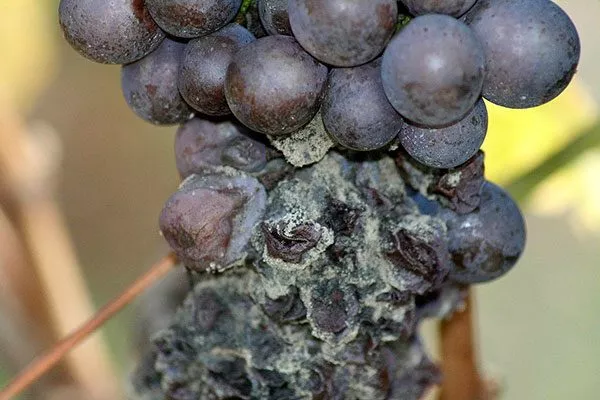
When affected, the fruit becomes wrinkled, covered with a gray coating, and begins to rot. To combat gray mold, spray the plantings with a 1% green soap solution, remove infected clusters, and thin out the fruit to improve ventilation.
Birds
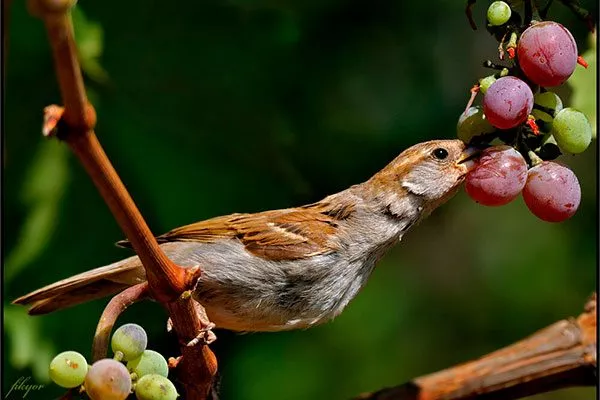
They often attack ripe berries, destroying the harvest. To control them, use rattling objects, decoys, and special deterrent nets.
White rot
Infection occurs through mechanical damage to the vine. The disease manifests itself most noticeably on the tops and fruits. Damaged tops quickly dry out, and the berries begin to take on a yellowish tint, which eventually turns bluish.
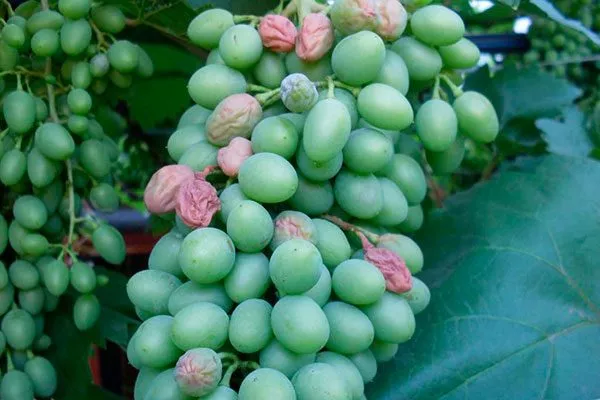
To combat the disease, remove and burn the affected parts, spray the crop three times with a fungicide in combination with Bordeaux mixture (2%), at intervals of 5 days.
When to harvest and how to store?
Ripening occurs within 143-165 days, making it a mid-late variety. For effective storage, select a separate room, cleaning it first and treating the surfaces with whitewash. Ensure good ventilation.
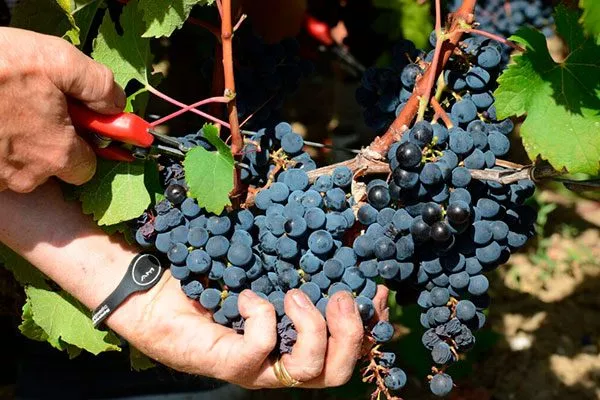
Clusters are best stored in dry wooden boxes lined with clean paper or dry straw. Place the boxes on shelves. To maintain optimal condition, inspect the bunches regularly, every 10 days. If any rotten fruit is discovered, remove it immediately.
Cabernet Sauvignon wines
The production of red Cabernet Sauvignon wine is carried out in accordance with classical technology, but has its own characteristic features that give the drink a recognizable flavor and aroma profile.
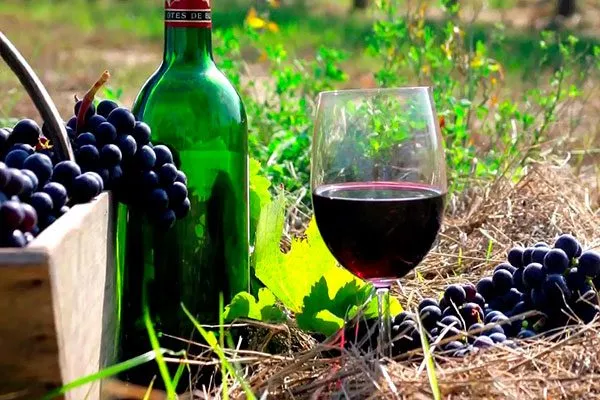
The main stages of production include the following steps:
- Collection and preparation of raw materials. It is collected and prepared for further processing.
- Grinding and pressing. The raw material is crushed and then pressed to extract the juice.
- Fermentation of must and pulp. The fermentation process begins, where sugar is converted into alcohol.
- Maceration. The drink is aged on the pulp, which allows for the maximum extraction of tannins and pigments from the fruit skins. The process lasts from one to four weeks.
- Aged in oak barrels. This is how the wine acquires its characteristic notes. French oak imparts hints of cigars, tobacco, spices, and aged wood, while American oak adds vanilla, coconut, and woody notes. Aging can last from one to eight years or more.
- Filtration. The wine goes through a filtration process to remove sediment and particles.
- Bottling. The finished drink is bottled.
- Maturation in the cellar. Wine bottles are left in the cellar for a certain period of time, where a special microclimate is created. Under these conditions, the wine fully matures.
Cabernet Sauvignon is used to create both single-varietal wines and blends, the choice of which depends on the region. Different varieties are used in different countries: Merlot, Malbec, and Ptiverdo in France, Sangiovese in Italy, Temparillo in Spain, and Shiraz in Australia.
Reviews
Cabernet Sauvignon grapes offer unique opportunities for gardeners and winemakers. Their successful cultivation requires careful care, but in return, they yield generous harvests and a valuable wine experience.