
Glera grapes are an old industrial grape variety with unique characteristics, the yield of which depends largely on soil quality. These grapes will appeal to those who prefer delicious, high-sugar varieties.
Description of the variety
The bushes are vigorous and fast-growing, with slightly pubescent shoots and bisexual flowers. Young leaves are yellow, turning green as they mature. The leaves are medium to large, wedge-shaped, moderately dissected, three- to five-lobed, and pubescent beneath.
- ✓ The leaves change color from yellow to green as they grow, which is a unique characteristic of the variety.
- ✓ Bisexual flowers provide a high probability of pollination without the need to plant additional pollinator varieties.
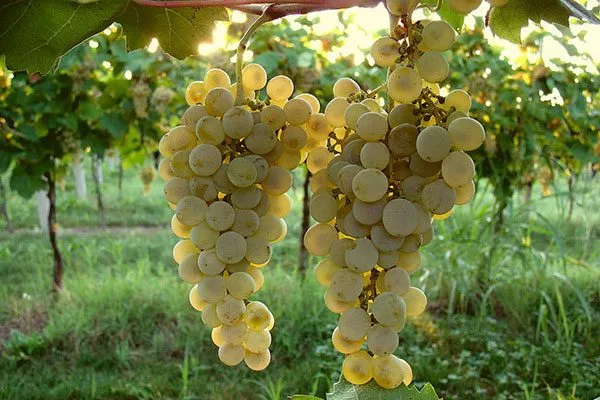
Clusters
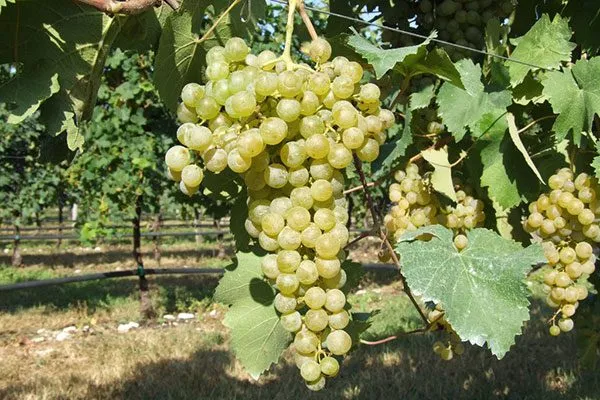
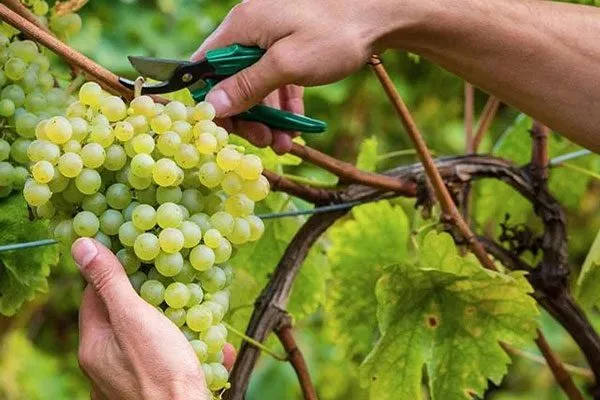
The lobed clusters are cylindrical-conical in shape and have flattened sides. The average weight of a single cluster is approximately 204 g. The bunches are quite large and have a medium density.
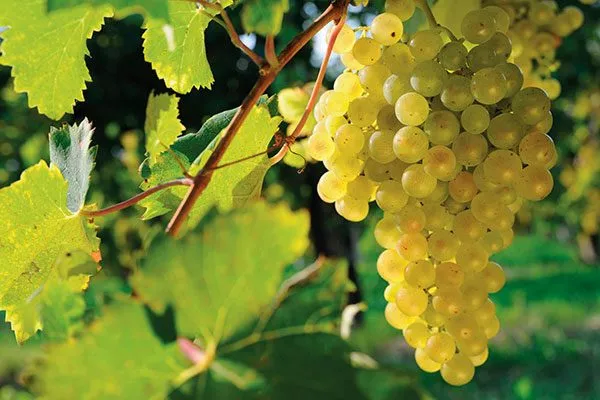
Berries
The green-yellow fruits are medium-sized and round. The average weight of one fruit is 1.9 g. The berries have juicy flesh with colorless juice.
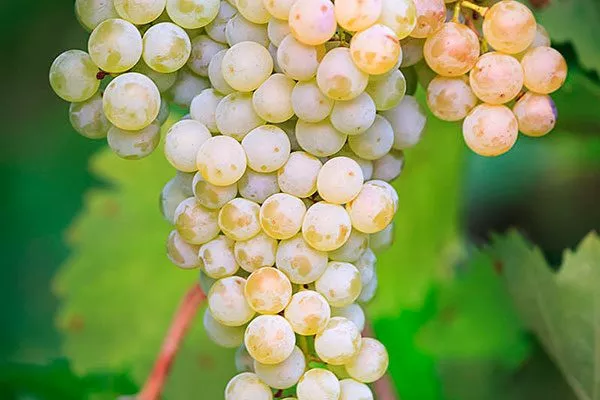
History of creation
The Glera grape is an old Western European variety grown primarily in Italian vineyards. It is believed to have been cultivated since Roman times. Other names include Prosecco, Beli Teran, Verdic, Verbić, Gargana, Grappolo, Spargolo, Serprina, and others.
Until 2009, the variety was known as Prosecco, which derives from the village of the same name located near Trieste (a city in northeastern Italy). It is believed that the Glera grape originated there, but there is no direct evidence to support this theory.
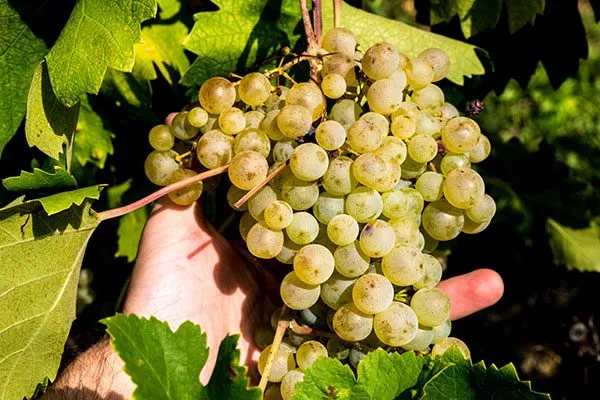
Since 2009, following a change in wine legislation in Italy, the name Prosecco has been permitted to be used exclusively for wine produced. Since then, the grape has been renamed Glera. Today, Glera grapes are grown primarily in the Veneto region. This variety is also common in Australia and Argentina.
Characteristics
The Glera variety not only produces excellent table wines, including the famous Prosecco, but also has excellent agricultural characteristics that allow it to be successfully grown in the southern regions of our country.
Main characteristics:
- The ripening period is late. The plant's vegetation begins in early April and ends in late September or early October. The fruits reach full maturity 120-130 days after flowering.
- Frost resistance: -18 °C.
- Productivity – 99.7 c/ha.
- Resistance to fungal diseases is average.
- Sugar content: 17%.
- Fruit acidity is 5.85 g/dm3, must acidity is moderate, about 6-7 g/l.
Pros and cons
Before planting the Glera variety in your garden, evaluate all its advantages and disadvantages. This will help you determine whether this grape is suitable for your needs.
Growing nuances
Glera grapes are heat-loving, but not a capricious variety. However, to obtain a high-quality harvest in quantities required by the varietal characteristics, certain care, correct and regular, is necessary.
- ✓ Soil pH should be between 6.0-7.5 for optimal growth.
- ✓ The groundwater depth must be at least 1.5 m to prevent root rot.
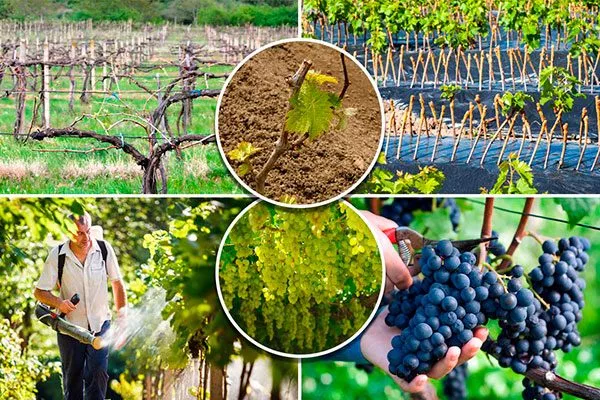
Features of growing the Glera variety:
- The best planting location is a well-lit area on the south or southwest side.
- Optimal soils are sandy or chernozem.
- The distance between bushes is 2-3 m. The width between rows is 3-4 m. This variety should not be planted more densely; the plants need space for root and cluster development.
- Watering and fertilizing should be thorough, following a standard schedule: nitrogen is added in the spring, followed later by potassium-phosphorus compounds. Watering rates are adjusted based on weather conditions.
The Glera variety grows best in areas with stable temperatures and adequate rainfall.
Do I need to cover it for the winter?
Glera grapes are heat-loving, so sheltering them is recommended in all regions where temperatures risk dropping below the critical -18°C. On the Black Sea coast, hilling up the vines with soil is sufficient.
In harsher climates, Glera grapes are protected with covering materials such as reeds, peat, straw, dry garden grass, oiled paper, and much more.
Diseases and pests
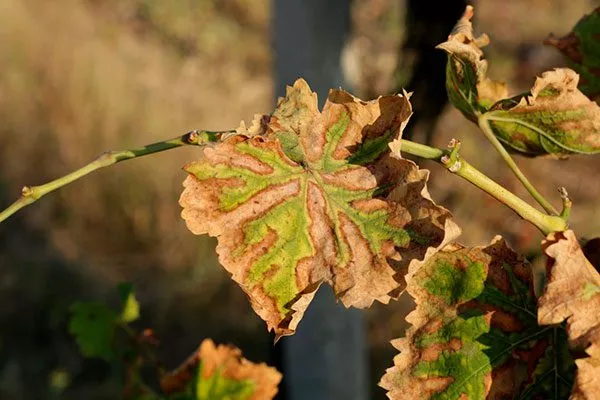
The Glera variety is quite susceptible to fungal diseases and other common problems affecting grape crops. Under unfavorable conditions and poor agricultural practices, it can be susceptible to mildew, oidium, and gray mold. There is also a risk of anthracnose and chlorosis.
Regular spraying, starting in early spring, helps prevent pathogen infestations. Glera fruits need to be protected from wasps and birds; mites and other insect pests can also cause problems.
Application
The Glera grape is used to produce table and sparkling wines. Prosecco was once unfairly called "the poor man's champagne," but today it is a very popular wine and a major Italian export.
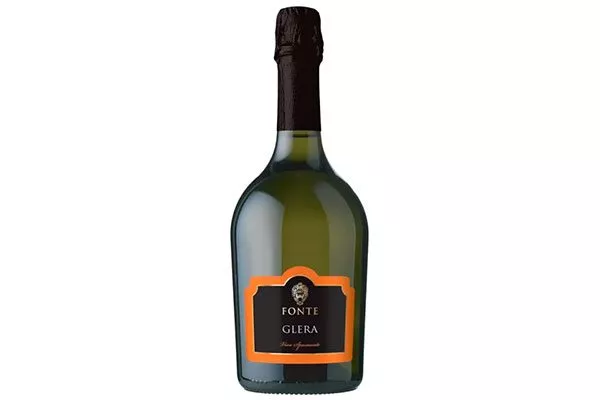
The color of Glera wine depends on growing conditions. Prosecco DOC wine produced in northeastern Italy has a white or straw-gold hue. Products from Friuli (Italy), due to the local soil, have a bronze hue. In Veneto, the wine is pale gold, and in Treviso, it's light straw.
Glera wines have a rich palette of aromas, primarily fruity and berry-like, including melon, almond, and grapefruit. The taste can also be dominated by notes of honey, nectarine, honeysuckle, citrus, apple, lemon zest, and others.
Harvesting and storage
The bunches are harvested on a dry day; rainy weather negatively impacts the harvest. It is recommended to store the cut bunches at a temperature of 0°C and a relative humidity of approximately 90%. Under these conditions, the grapes can be safely stored for several weeks.
Glera grapes are a wonderful wine grape variety that will undoubtedly be appreciated by table wine lovers. Growing this variety presents a number of challenges, but experienced gardeners can easily overcome them—with proper cultivation techniques and care, they will yield abundant, high-quality harvests with excellent flavor and good shelf life.