
Arcadia is a popular table grape, considered one of the most delicious and popular varieties on the market. Achieving a good, high-quality harvest requires some effort—this white variety requires attention and care.
History of creation
The high-yielding Arcadia variety was developed about 30 years ago by Ukrainian breeders. Two varieties were used as parent grapes: the dark blue Moldova and the purple Cardinal. Although both varieties produce dark fruit, Arcadia is light-colored.
The new grape inherited its adaptability from the Moldavia variety, and its fleshy, juicy fruit from the Cardinal. While developing Arcadia, breeders discovered another subvariety with less attractive characteristics. After further development and improvement, the creators named this "offspring" variety Helios.
After passing state testing, the Arcadia variety was entered into the Ukrainian register of varieties, and it was added to the Russian State Register in 2009. The second name of the Arcadia variety is Nastya.
Description of the Arcadia variety
Arcadia is popular not only with large and small farmers growing grapes for sale, but also with ordinary gardeners. Gardeners and buyers are attracted to this grape primarily for its excellent taste and attractive presentation.
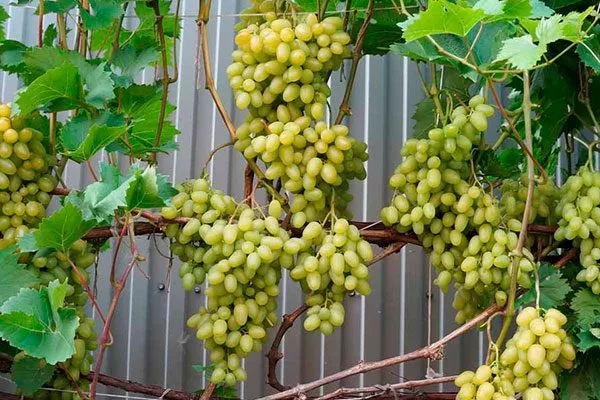
Brief botanical description:
- Bushes - medium-sized.
- Roots - powerful, branched.
- Leaves — large, light green, weakly dissected, with five lobes and sparse pubescence.
- Flowers - bisexual, collected in panicle inflorescences.
- Clusters — Large or very large, dense or medium-dense, cylindrical-conical in shape, with wings. Average weight: 2-3 kg.
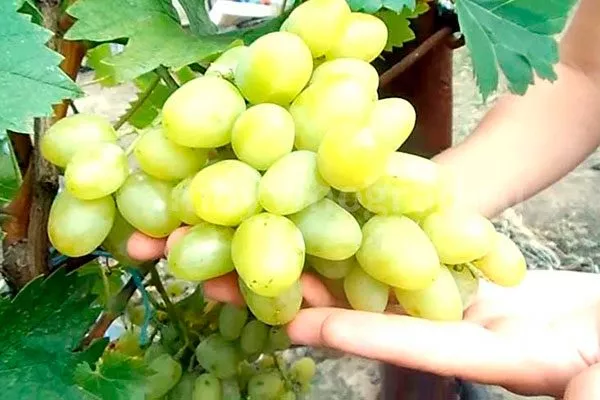
- Berries — large, 23-28 mm in diameter. The average weight of one fruit is 7-15 g. The shape is ovoid. The color is white with a waxy coating. The flesh is juicy and fleshy. The skin is strong and thin. After ripening, the berries turn honey or amber.
Characteristics
Arcadia grapes are loved by gardeners and summer residents due to their good taste, combined with excellent agronomic characteristics and early ripening time.
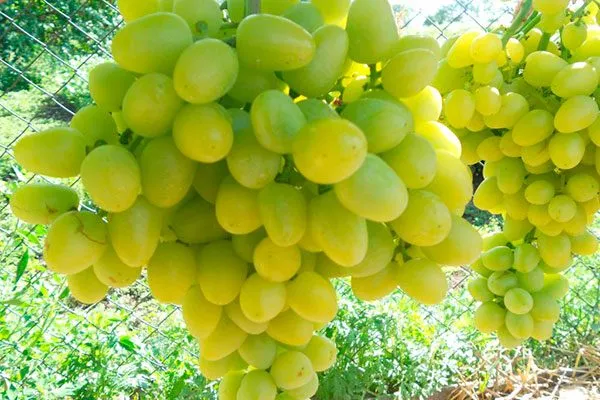
Main characteristics:
- Ripening period - It takes about 120 days from bud break until the bunches ripen. In the south, grapes can be picked as early as late July or early August; in more northern latitudes, from mid-August.
- Percentage of fruitful shoots - 55-75%.
- Productivity — high yield, with an average yield of 30 kg per bush. The maximum yield can reach 50 kg per bush.
- Frost resistance — up to -21 °C.
- Drought resistance - average.
- Pest resistance and diseases - average.
- Number of bunches per shoot — 1.1-1.5.
- Taste - pleasant, harmonious, moderately sweet, with a light muscat tint.
- Fruiting coefficient — 1.1-1.5.
- Sugar accumulation — 15-16%.
- Acidity — 4-6 g/cu. dm.
- ✓ Tendency to crop overload, which requires strict standardization of inflorescences.
- ✓ High sensitivity to powdery mildew, requiring preventive treatment with sulfur-containing preparations.
Growing regions
In Russia, the Arcadia variety is recommended for cultivation in the North Caucasus. Thanks to the ideal climate and local soil conditions, the grapes produce well here, fully revealing their varietal and flavor characteristics.
The Arcadia variety also produces well in western Crimea and central Russia. Bunches of Arcadia grapes ripen in the Moscow region and in the Urals and Siberia.
Pros and cons
Before planting Arcadia grapes in your garden, evaluate all its advantages and disadvantages to determine whether this variety is suitable for your intended purposes.
Landing
The success of growing Arcadia grapes, their taste and yield, largely depend on how correctly they are planted.
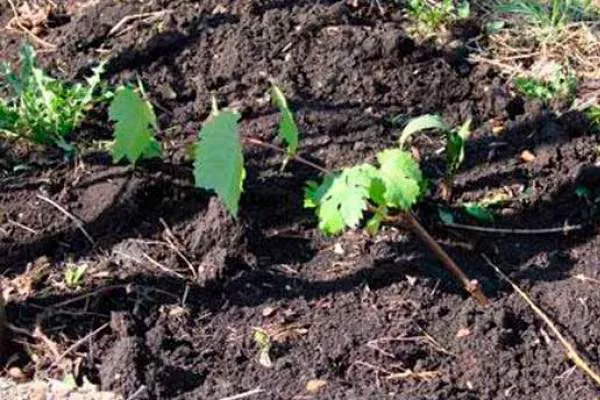
Features of planting the Arcadia variety:
- Place on the site I choose the sunniest spot. There should be an obstacle on the north side, such as a fence or building. This will not only block the north winds but also reflect sunlight onto the grape vines. The minimum distance from the foundation is 0.7 m, to allow room for root development.
- Priming. The Arcadia variety is undemanding to soil composition; it grows well not only on loams and chernozems, but also on sandy and clay soils.
- Optimal planting times — early spring or fall. The key is to ensure the soil temperature is at least 10°C and the air temperature is at least 15°C. In areas with mild winters, fall planting is preferred. In regions with a more challenging climate, grapes are planted in the spring.
- Groundwater The vines should not rise higher than 1.5 m from the ground. Large trees should be at least 6 m away. Trees not only shade the vines but also absorb nutrients.
- Preparation of planting material. The seedling is soaked in water for 24 hours and treated with a pink solution of potassium permanganate (a brief immersion is sufficient), after which the planting material should be allowed to dry slightly. If planting is scheduled for spring, the seedlings are stored in a cool place at 0 to +2°C, wrapped in plastic.
- Rows They are placed in a north-south direction, maintaining intervals of 2-2.5 m between them. Approximately the same intervals are maintained between the bushes.
- Planting hole The hole is dug a month before planting or in the fall if planting in the spring. The optimal size of the hole is 60x60x60 cm. The hole is filled with crushed stone to a thickness of 15-20 cm.
A nutrient mixture prepared from humus (25 l) and wood ash (500 ml) is poured over the drainage, urea (100 g) and superphosphate (200 g) are mixed into it. - The seedling is planted By planting the plant on a pre-formed mound in the hole. The roots are spread out, covered with soil, and watered with 20 liters of water. The hole is not completely filled; this is done gradually over several years. Planting the plant deep helps protect the roots from freezing. It also helps form soil sleeves, which are easier to bend to the ground and cover for winter.
- ✓ The seedling planting depth should be at least 40 cm to protect it from frost and to facilitate covering it for the winter.
- ✓ The distance between bushes should take into account not only the current size of the seedling, but also its future growth, in order to avoid shading and competition for nutrients.
When planting, we recommend using Vallar, which effectively kills cockchafer larvae, which can gnaw at the roots of grapevines. Apply the product to the bottom of the hole, sprinkle it on the roots, and then layer it on top of the soil.
Care Features
Arkadiya grapes aren't particularly demanding, but regular care is essential to produce large clusters and delicious berries with a Muscat flavor. This consists of standard care: pruning, watering, fertilizing, and, in some regions, winter shelter.
Trimming
It helps shape the bush, improve its health, and rejuvenate it. Accordingly, there are three types of pruning: formative, sanitary, and rejuvenating. In spring, pruning is performed before the sap begins to flow, at a temperature of +5°C, removing all frozen, diseased, dry, and damaged shoots.
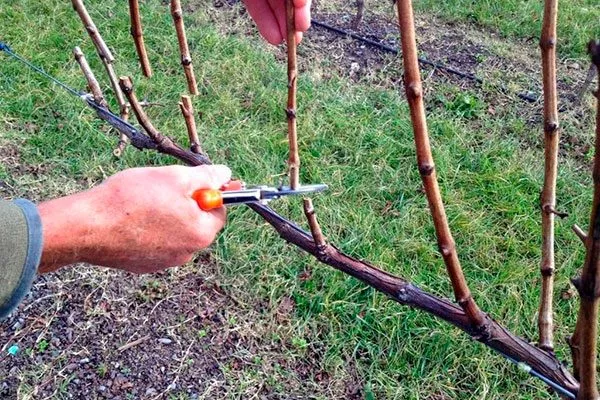
In summer, side shoots are removed from Arcadia grape vines to improve ventilation. In autumn, the vines are pruned to 8-12 buds, with this procedure being completed before frost. Fan-shaped pruning is the best method for this variety.
The Arcadia variety can be pruned either long or short. The maximum load is up to 8 shoots per square meter. Thinning of the inflorescences is essential. Over-pruning delays fruiting, softens the berries, and removes their muscat flavor.
Watering
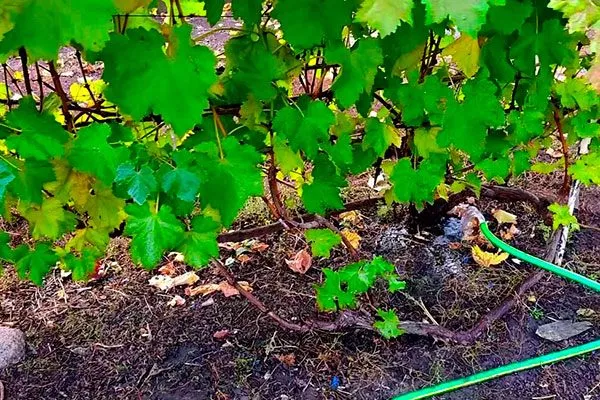
Water grapes as needed. Bushes that are not experiencing a lack of moisture have glossy leaves and large internodes. It is important to water the bushes before flowering and fruit set, and increased watering is also necessary during dry periods. The recommended watering rate per bush is 15-20 liters.
Top dressing
Mature plants require regular feeding, while young plants only need the nutrients placed in the hole—it will last for about 3 years.
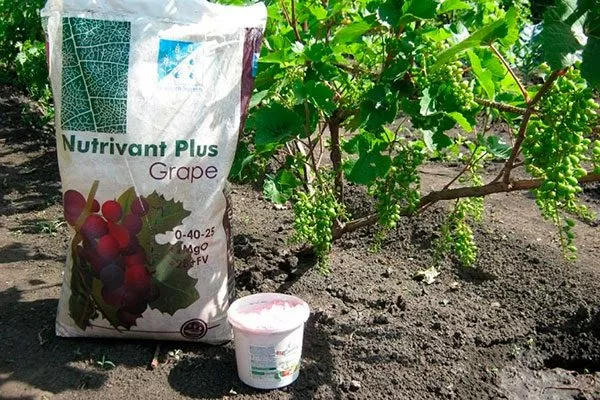
Rules for applying fertilizers:
- Manure or liquid mineral fertilizers are applied before flowering.
- Two weeks before fruit set, the bushes are fertilized with ammonium nitrate.
- Superphosphate and potassium-containing compounds are added 2 weeks before harvesting.
Wintering and storage
You can cover grapes with straw, agrofibre, or spunbond. If thaws occur during the winter, the cover should be lifted to prevent condensation and rot. It's important not to cover the vines too early, before frost sets in. Cover them before the temperature drops below -10°C.
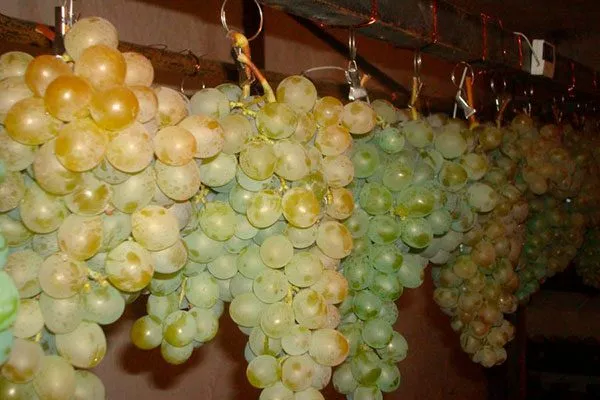
Arcadia berries have a dense skin, which allows for long-term storage and transportation. The fruits store well in boxes stored in a cool room, maintaining their flavor and appearance.
Pest and disease control
The Arcadia variety has moderate resistance to mildew, but is more susceptible to powdery mildew, especially if cultivation practices are improper. To prevent fungal diseases, the bushes are sprayed with copper-containing products twice during the growing season.
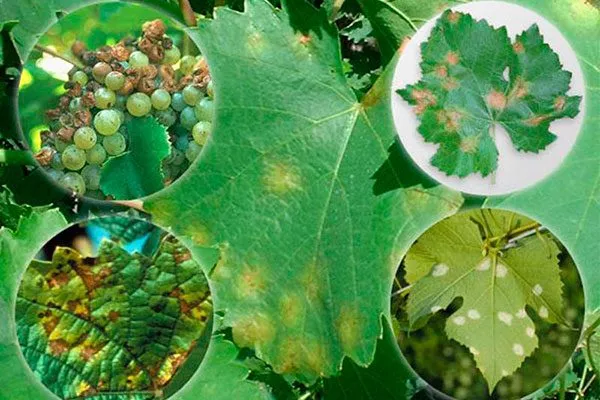
If grapes are not treated in time, they can also become infected with black spot, gray mold and anthracnose.
You can protect Arcadia grape bushes with the help of:
- potassium permanganate (moderately pink solution);
- preparations containing sulfur - ground or colloidal.
Arcadia grapes can be affected by leaf rollers, flea beetles, aphids, leaf miners, and other pests. Various insecticides and acaricides (anti-mite products) are used to control them.
To protect grapes from mice in winter, treat the plants with nitrafen and place rubber or burnt wool near the vines to be covered—the smell will repel rodents. Birds can be repelled with scarecrows, or you can cover the plants with plastic mesh.
Arcadia fruits can be damaged by wasps. The best protection is early harvesting, before they become overripe. When the fruits burst, the sweet juice that leaks attracts insects. Wasps can also be controlled with dichlorvos, chlorophos, and boric acid.
Uses of Arcadia grapes
Arcadia grapes are grown for fresh consumption. This variety is also suitable for processing. They are used to make raisins, compotes, and jams.
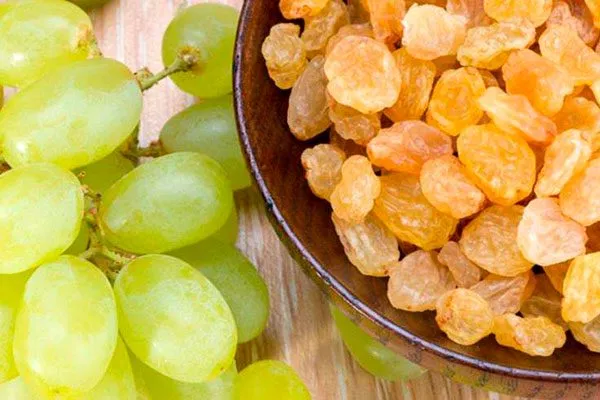
The Arcadia grape is one of the top five table grape varieties recommended for both garden and commercial cultivation. This delicious and easy-to-grow grape produces harvests in many regions of Russia, with its large, beautiful clusters ripening well before autumn.