
Growing Amursky Proryv grapes requires careful and thoughtful attention. Proper soil care, maintaining moisture, and regularly adding essential nutrients contribute to the successful development of the vines and a bountiful harvest.
History of selection
It was created thanks to a bold experiment by A. I. Potapenko, who crossed frost-hardy wild grape varieties brought from the northern regions of the Far East and China. The versatile variety, known as Odin and Amursky 7, was the result of this hybrid cross.
Description and photo of the Amur Breakthrough grape variety
It is distinguished by the attractive appearance of its bushes and clusters. A detailed description of the cultivar is provided below.
Vines and bushes
The bush is vigorous, reaching up to 30 meters in height. The shoots grow quickly, and within a year, the vines reach 2.5 meters or more. Despite often being overloaded with fruit, this does not interfere with the shoots' ripening.
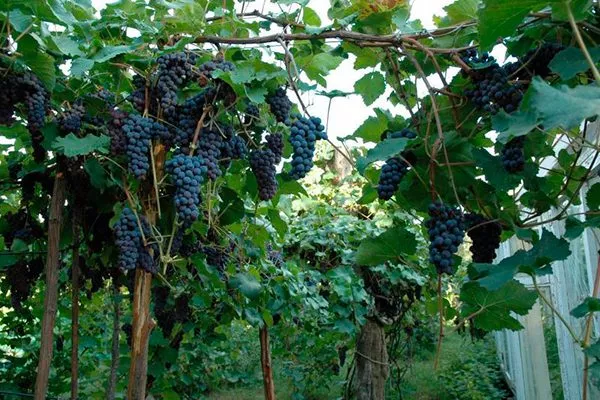
The vines ripen at the same time as the fruit, making harvesting easier. The shoots are very flexible, making pruning and transplanting easy. These characteristics make it easy to care for and grow.
Leaves
The plant is covered with large, five-lobed leaves that are rounded and serrated along the edges. The foliage is light green, with an uneven, bubbly surface.
Bloom
The flowers are small, functionally female, and do not pollinate themselves.
Berries
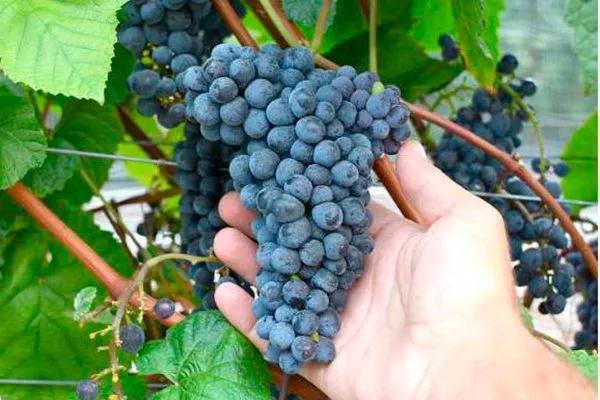
The clusters are dense, cylindrical-conical, weighing on average 600 g, but can reach 1 kg depending on growing conditions. The berries are large, round, weighing 4-5 g, with a dense, purple or dark pink skin, covered with a thin waxy coating, and lacking a distinct flavor.
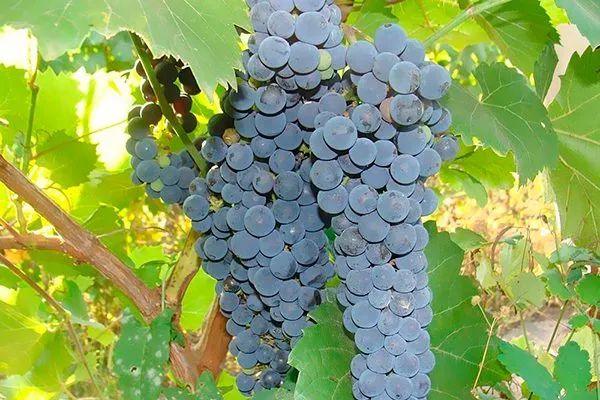
The fruit is red in color, with almost no pulp and up to 80% juice. Each fruit contains 2-3 seeds, which are easy to chew and do not interfere with eating.
Taste qualities
The taste is characterized by a harmonious sweetness, with the possibility of feeling a pleasant light sourness.
Characteristics
The hybrid has a number of unique characteristics. Before planting, it's important to study these characteristics, as well as the specifics of its cultivation.
Drought resistance, frost resistance
Demonstrates excellent frost resistance. Young seedlings survive winters under snow well, and even if they freeze, they quickly recover in the spring. Mature plants do not require winter protection, as they can withstand temperatures down to -40°C.
It thrives in a variety of climates and thrives in the north and Far East, as well as in central Russia.
Resistance to diseases and pests
It has excellent disease resistance, but experienced gardeners recommend regular preventative treatments. To prevent powdery mildew, spray the plant with specialized copper-based products or complex formulations.
Sanitary pruning, carried out in the fall after harvesting, is effective in controlling aphids and caterpillars. When pruning, remove all dried leaves, old, damaged, and broken shoots.
Pollination, flowering period and ripening time
Fruiting occurs only when the flowers are pollinated by pollen. Plant an additional bush with a bisexual flower and a similar ripening period nearby to act as a pollinator.
The pollen is small and easily dispersed by gusts of wind. Effective pollination occurs in dry weather, in the morning or evening. Flowering occurs from mid-May to mid-June. The flowers are golden-white and consist of a calyx, corolla, stamens, and pistil, gathered into a dense inflorescence (panicle).
It has a medium ripening period of 120 to 135 days, from the time the first leaves emerge until the clusters are harvested. Mature bunches are usually harvested in late August or early September. Sometimes they are left on the branches until the first frost to increase sugar content and achieve the desired flavor.
Productivity and fruiting
Its main advantage is considered not so much its early maturity as its strong immunity and winter hardiness. It easily tolerates sudden cold snaps and recurrent frosts, a result of its genetic heritage from its wild origins.
It's quite possible to harvest up to 100 kg of fruit from a single mature bush, and on an industrial scale, the average yield is 200 centners per hectare. Once the clusters ripen simultaneously, they can remain on the shoots for a long time. The strong stems hold the fruit securely, preventing them from falling off.
Application of Amur Breakthrough fruits
A lengthy selection process resulted in significant technical characteristics, making the hybrid recommended for use in winemaking. Only true wine connoisseurs will likely find this drink less appealing in terms of flavor.

Although the wine is aromatic and sweet, its bouquet is rather modest, with a pronounced flavor of overripe berries that lacks refinement and elegance. It is healthier because it contains no artificial additives, colors, or preservatives.
In addition to wine, this variety is used to make rich fruit drinks and compotes, and the berries are used to make juices and concentrated fruit preserves. The fruits are eaten fresh and, after drying, used to make raisins.
Chemical composition of fruits
The berries contain 20% sugar, have an acidity of 7 g/dm3 (60% malic acid, 40% tartaric acid), and a caloric value of 70 kcal. Other data are presented in the table:
| Peel | Berries | Seeds | Leaves |
| The wax includes a combination of fatty acid glycerides, palmitic acid ester and alcohol, and contains tanning and coloring components. |
|
|
|
Advantages and disadvantages of the variety
It's important to study the positive and negative qualities of the crop to avoid potential mistakes when growing it. Advantages of the crop:
Features of planting seedlings
Planting seedlings is an important step that requires the right approach. Follow these recommendations:
- The optimal time for planting is spring or fall, when the soil has warmed up. In spring, plant seedlings in March-April; in fall, plant in September-October.
- Choose a sunny, well-ventilated location. The soil should be fertile, well-drained, and not waterlogged. Prepare the site by digging the soil to a depth of about 30-40 cm.
- Before planting, soak the seedling in water for several hours. Trim the roots and remove any dry or damaged parts.
- Dig a hole approximately 60x60x60 cm in size.
- Place fertile soil with added compost on the bottom.
- Place the seedling in the hole and straighten the roots.
- Fill the hole with soil and compact it carefully.
- Water it.
- ✓ Soil pH should be between 5.5-6.5 for optimal growth.
- ✓ The soil should have high water-holding capacity, but without stagnant water.
Rules for caring for a vineyard
Care plays a key role in successful crop cultivation. Follow these important agricultural practices:
- Watering. Regular watering is especially important during dry periods. Water in the morning or evening, avoiding overwatering during the hottest part of the day. Keep the soil moist, but not soggy.
- Fertilizers. Fertilizing promotes healthy plant growth and development. Fertilize the bush in spring and fall with mineral or organic fertilizers.
- Trimming. Regular pruning is essential to create a proper crown and increase yield. Perform this procedure during the plant's dormant period, trimming excess shoots and shaping the desired number of clusters.
- Plant support. Provide support, especially during fruiting periods. Tie shoots to the support to prevent damage and ensure proper formation.
- Winter preparation. Before winter sets in, make sure the plant is prepared for the cold. Protect it from frost if necessary. Use spruce branches or slate for cover.
- Protection from diseases and pests. Regularly inspect your bushes for diseases and pests. Use fungicides and insecticides to eliminate problems.
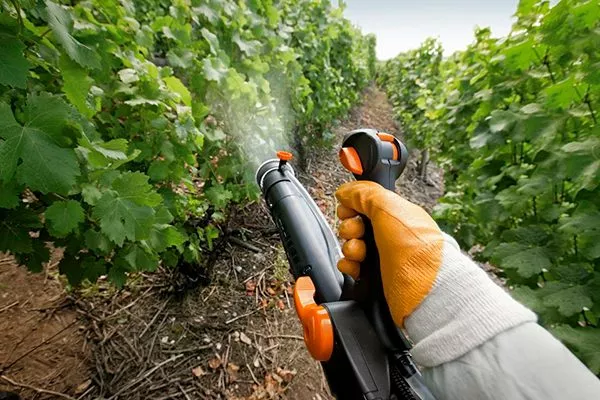
Weed your garden beds regularly to prevent competition for nutrients.
Harvesting and storage
This is a key and crucial stage in the growing process, one that gardeners look forward to with particular anticipation. Before beginning, taste the grapes to determine whether they have achieved the ideal balance of acidity, sugar content, and ripeness.
- ✓ Humidity in the storage area should be maintained at 85-90%.
- ✓ No direct sunlight to prevent spoilage of berries.
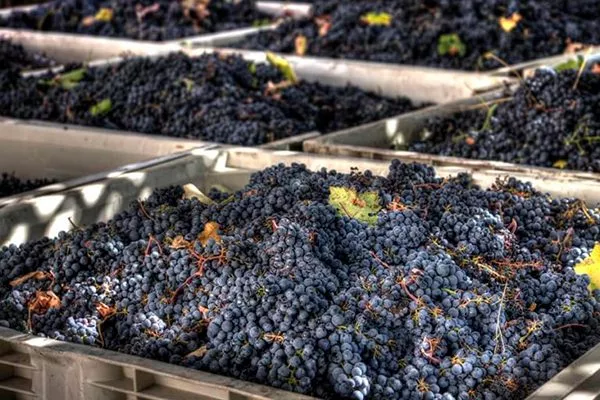
To harvest ripe bunches, use a knife or sharp pruning shears. After harvesting, place the bunches in special wooden boxes, which are then stored in the cellar. At temperatures between 3 and 4°C, the bunches can be stored for up to a month without losing their flavor or marketability.
Secrets of growing Amur Breakthrough
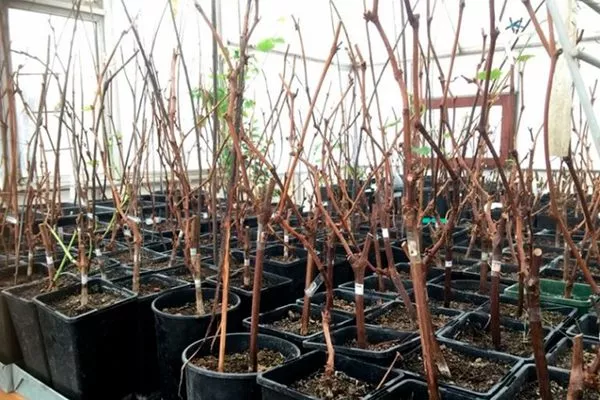
It is primarily propagated by cuttings. Although it is possible to grow it from seeds or vines, these methods carry the risk of partially or completely losing the varietal characteristics. In other words, there's a small chance of obtaining a wild species instead of a hybrid.
The plant thrives in soils with an acidic or slightly acidic pH, provided the soil is sufficiently moist. It dislikes alkaline soils. Even if your site has limestone soil, you can improve it over the course of a few years by adding peat moss.
Reviews of the Amur Breakthrough grape variety
The Amursky Proryv variety is a new cultivated grape variety with unique characteristics that stimulate practical research. It boasts high yields, making it popular among gardeners. It is an easy-to-grow variety, rarely suffering from diseases and pests. However, it does require timely care.