
Growing Admiral guarantees a remarkable combination of flavors and some characteristics that require careful care. This variety has attractive characteristics, but it also has its challenges. Careful attention to the grapes will result in a bountiful harvest and satisfying flavor in every grape.
The history of Admiral grape selection
Breeder A. V. Burdak worked on the development of the Admiral grape. He developed numerous varieties and hybrids that became famous not only among Ukrainian winegrowers but also among gardeners from various republics of the former USSR.
Growing regions
Initially, it was popular in Ukraine, and today it is widely spread in other countries, including Russia throughout its territory.
Characteristics of the variety
It boasts excellent flavor, making it an excellent choice for fresh consumption. It boasts stable and consistent yields, with well-ripened vines producing large clusters and berries.
Description of the vineyard
The bushes are vigorous, and the current season's shoots mature well in the summer and have time to become woody before the onset of cold weather. Average growth per season can reach up to 2 meters.
The plants are covered with large, 3- or 5-lobed, medium-dissected, wrinkled leaves with light pubescence on the underside. The leaves are a rich emerald color.
Root system
The root system is medium-sized, reaching 1.1 to 1.4 meters in length. This varies depending on the soil structure. The plant is susceptible to root rot or death if the soil is too moist or, conversely, too dry, as well as in low temperatures or nutrient overload.
Appearance and composition of fruits
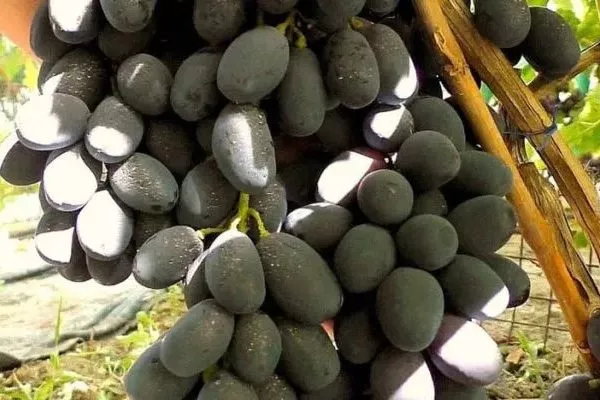
The clusters are cylindrical and medium-dense, with an average weight of 0.6 to 1.1 kg. Large grapes are oval in shape, all roughly the same size—31 x 25 mm—with an average weight of 12-15 g.
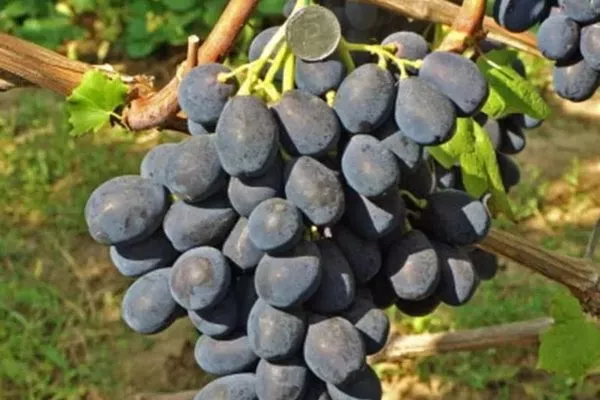
The skin is thin, shiny, dark blue, and generally resistant to cracking under normal conditions. The flesh is firm and juicy. The ripe berries have a pleasant, sweet, slightly tart flavor, giving them a harmonious aroma.
Productivity and fruiting
Admiral grapes begin bearing fruit 3-4 years after planting. Fruiting is stable and regular, provided all agricultural practices are followed. The yield is quite high. Each mature vine can produce up to 18-20 ripe bunches weighing 800-900 g.
In the southern regions, when growing this crop, winegrowers obtain a second harvest of ripe bunches on side shoots during the season, but in this case the bunches may be smaller and ripen later.
Application of fruits
This is a table grape variety, making its delicious ripe fruit primarily intended for fresh consumption. Many winegrowers use the harvested grapes to make high-quality homemade wine.
Drought resistance
This grapevine doesn't exhibit high tolerance to periods of drought. It doesn't tolerate overwatered soil or prolonged periods without water. Maintaining a regular watering schedule is crucial. During periods of heat and prolonged drought, the grapevine may be at risk of wilting or even death.
Frost resistance
Admiral grapevines are relatively frost-hardy and can withstand temperatures down to -23°C without cover. In regions with harsher winters, cover is essential, as without it, the crop is at risk of freezing.
Resistance to diseases and pests
Resistance to the main diseases that commonly affect other grape varieties and hybrids is high. During unfavorable weather conditions, with increased air and soil humidity, preventatively treat the bushes with special fungicides to reduce the development of rot.
Pollination
The vines produce both female and male flowers, ensuring excellent self-fertility. This quality makes the Admiral vine an effective pollinator for other varieties that produce only female flowers.
Flowering period and ripening time
Flowering begins in May, and the grapes ripen early. Ripe bunches are harvested in the second ten days of August, approximately 3.5 months after bud break.
Advantages and disadvantages of the variety
Before planting, research the crop's pros and cons. Grapes have several significant advantages:
Breeding methods
The plant is propagated by two main methods: cuttings and seedlings. Choose the method that best suits you:
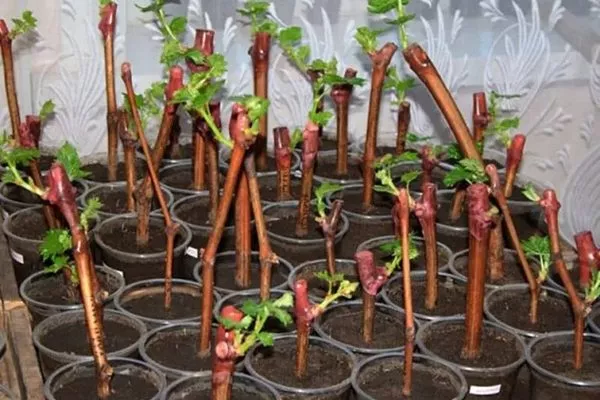
- Propagation by cuttings. The survival rate of planting material is over 90%, making this option effective. The advantages of cuttings include compact size, low cost, and reduced risk of disease. However, there are some disadvantages: lower survival rates compared to seedlings and slow growth of mature vines from cuttings.
To do this, take mature woody cuttings approximately 20-30 cm long. Each cutting should contain 3-4 buds. Place the plants in the soil at an angle, leaving one or two buds above the surface. Maintain moisture and wait for the cuttings to root.

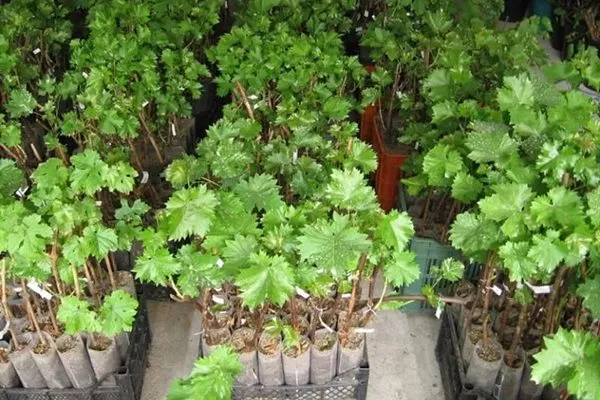
- Propagation by seedlings. This is a popular and simple propagation method, with a high survival rate for virtually all plants, provided they are planted correctly. Advantages include the ease and speed of growing a mature bush, as well as the high yield of grafted plants.
Disadvantages include difficulties in transporting and storing purchased seedlings, and the possible presence of pathogenic microorganisms or harmful insects on purchased plants.
Dig holes approximately 50 cm deep and wide, spaced 2-3 m apart. Place the seedlings in the center of the holes, fill them with soil, and water them well.
- ✓ The optimal soil temperature for rooting cuttings should not be below +12°C.
- ✓ The air humidity around the cuttings must be maintained at 70-80% to prevent drying out.
Features of planting seedlings
The bushes are characterized by good ripening along the entire length of the shoots, which facilitates successful spring planting of seedlings. Cuttings quickly adapt to a new location and root successfully, with soil quality playing no significant role.
Helpful tips:
- Recommended timeframes. Plant in spring or fall. In summer, use only seedlings with closed root systems. In fall, use seedlings with mature shoots, well-developed roots, and 10 buds. Begin spring planting when the soil temperature reaches 10°C and the air temperature reaches 14°C.
- Choosing a suitable location. Choose a warm, well-lit area, avoiding proximity to buildings, tall trees, and berry bushes. Leave at least 2 meters between plants.
- Neighborhood with other cultures. Good neighbors for Admiral grapes include asters, phlox, forget-me-nots, primroses, roses, strawberries, radishes, horseradish, and peas. Avoid planting near sunflowers, clematis, carnations, leeks, tomatoes, and corn.
- Selection and preparation of planting material. Buy plants from reputable sellers or specialized nurseries. Pay attention to the health of the seedlings: they should be strong, with a developed root system and green shoots.
Disinfect the roots of the seedlings in a weak solution of potassium permanganate and place them in containers with water before planting. - Site preparation. Clear the area of debris, add organic fertilizers, and dig the soil to incorporate organic matter and minerals.
- The process of planting young seedlings. Loose, fertile soil, preferably loamy or sandy, is suitable for planting. Avoid heavy clay soils.
Dig planting holes with a drainage layer and nutrient-rich soil. Place the seedling with the roots facing downward. Fill the hole with soil and water thoroughly.
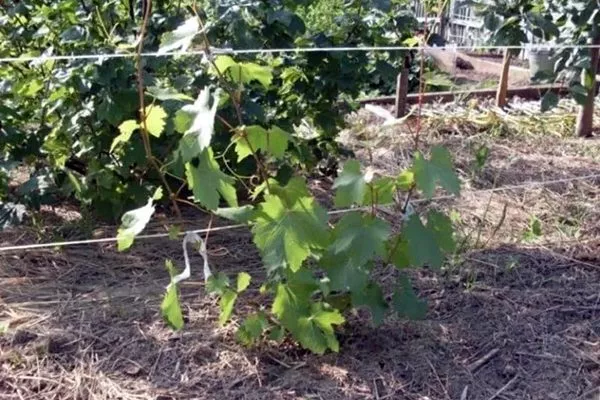
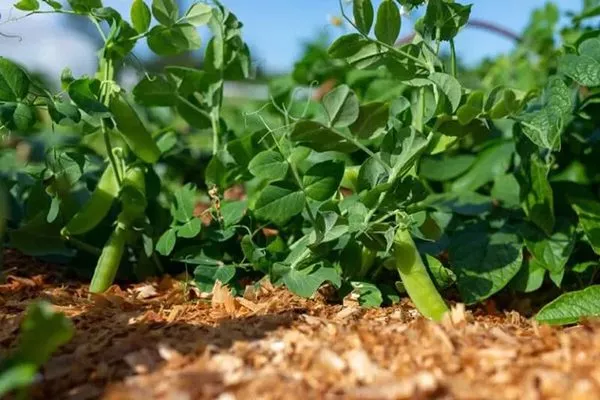
By following these recommendations, you will achieve successful development and rapid growth of grape vines on your site.
Rules for caring for a vineyard
Healthy growth and a good harvest require proper care, which includes a number of important steps. Let's look at the main ones:
- Prevention and protection from pests and diseases. Avoid excessive soil and air moisture to prevent root rot. To reduce the risk of disease, treat the bushes and the soil around the roots with copper-containing preparations one month before harvesting.
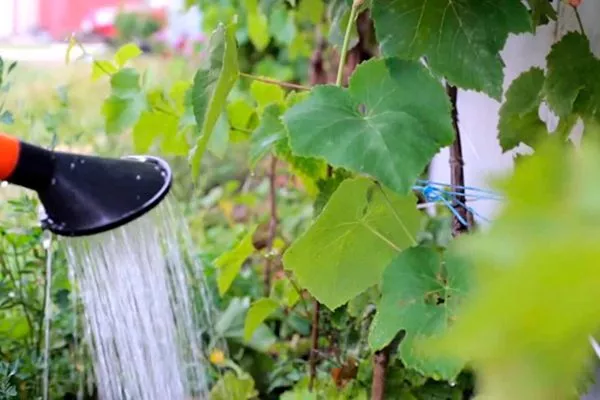
Use special insecticidal and acaricidal preparations in case of appearance of harmful insects. - Watering. Water young plants daily until they are fully established. Water regularly in the spring, before flowering, during fruit set, and during preparation for winter.
- Feeding scheme. In spring, dissolve manure, wood ash, and phosphate fertilizer in 10 liters of water to feed grapevines. Apply potassium-phosphate fertilizer before flowering, fruit set, and at the beginning of fruit ripening.
Fertilize before winter by adding phosphorus and potassium fertilizers after moisture-recharging watering. - Pruning and shaping the bush. Begin pruning in the spring before bud break to remove frozen and damaged shoots. Remove side shoots, leaving one strong side branch, and tie the shoot to the trellis. Gradually increase the number of buds as the vine grows taller. In the fall, remove immature young shoots and damaged parts.
- Preparing for winter. In cold regions where temperatures drop below -23°C, cover young vines in trenches filled with soil and snow. Cover mature vines with a layer of straw, rags, or plastic bottles.
- Apply the first copper-containing treatment in early spring, before the buds open.
- The second treatment should be carried out before flowering, using systemic fungicides.
- The third treatment is carried out after flowering to protect the ovaries from fungal diseases.
Harvesting and storage
Trim the ripe clusters using sharp pruning shears and store them in boxes. You can preserve the harvest by hanging the bunches in a cool, dark, and dry place.
Reviews
Growing grapes is an art that requires attention to detail and dedication. The Admiral variety is renowned for its high yields and ease of care. Adherence to proper cultivation practices directly impacts the plant's immunity and ensures a bountiful harvest.