
The Iron Currant is a stunning shrub that combines ornamental beauty and practicality. This compact perennial will enhance any garden with its rich foliage, vibrant berries, and beautiful shape. It's easy to grow, frost-resistant, and produces a delicious harvest, provided simple cultivation practices are followed.
Botanical information
A medium-sized shrub, reaching 1.5-2 m. The plant's leaves are rich green, oval-shaped, and have a characteristic glandular texture that provides protection from pests and diseases.
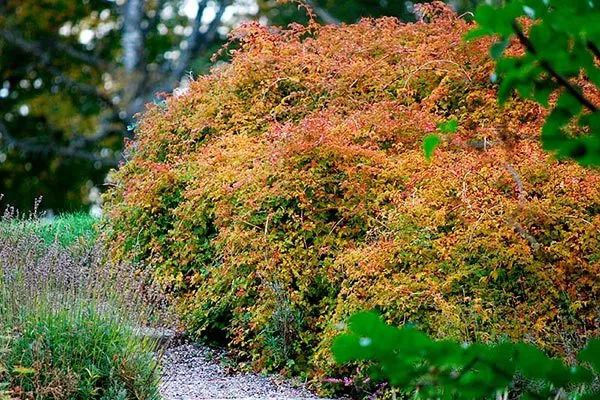
Flowering begins in late April or early May and lasts for about two weeks. The small flowers, white or cream-colored, exude a delicate, pleasant fragrance.
Peculiarities
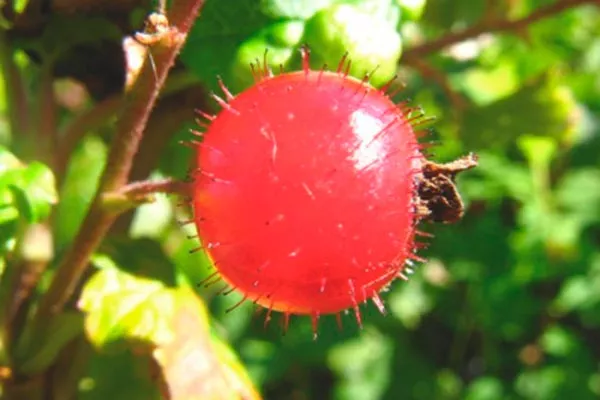
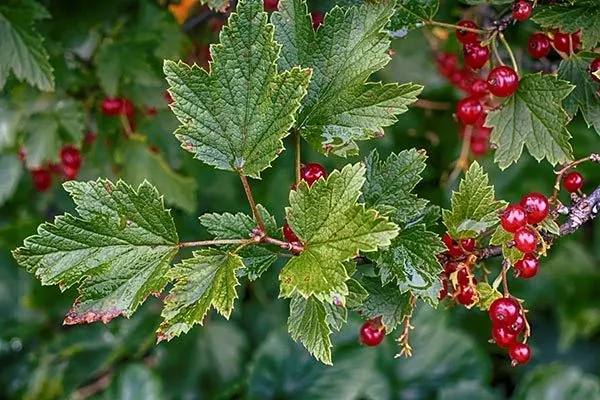
The Iron Currant stands out for its bright red berries. This variety has many advantages, but also some disadvantages.
Culinary uses
The plant's berries are widely used in cooking for a variety of dishes and drinks. They are used to prepare:
- Compotes, fruit drinks and juices.
- Jam, jellies and preserves.
- Kissels and mousses.
- Pies and pastries with filling.
- Salads with the addition of fresh or pickled fruits.
Use in garden landscape design
The prostrate currant, the Glandular Currant, is a hardy and attractive groundcover shrub, ideal for embellishing various corners of the garden. It is used to create small foliage in flat areas, and with support, it can serve as a vertical element.
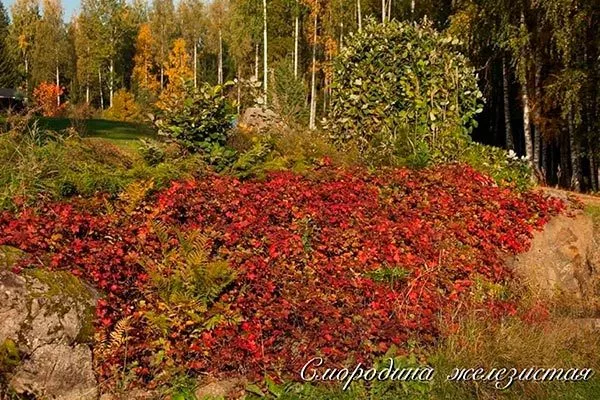
It looks especially striking against low retaining walls, with its cascading shoots of carved leaves cascading down from them. It's an excellent ground cover plant for tucked under taller shrubs or creating living borders.
The plant decorates the garden almost all year round: from early spring and summer – with its spreading, rich green crown, and in autumn – with the bright colors of its carved leaves.
Winter hardiness
The crop is characterized by good frost resistance – it can survive even at very low temperatures, making it an ideal choice for regions with cold winters.
Self-fertility and pollinators
It is a self-fertile plant, so it does not require other pollinators to produce a harvest.
Ripening period and yield
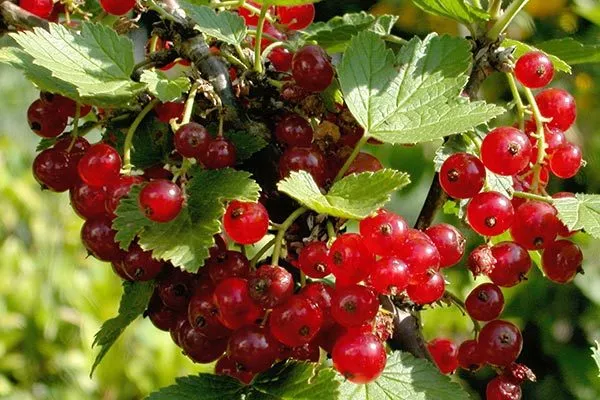
The crop is renowned for its high productivity. Berry harvesting begins in late July-early August and continues until the first frost. A single bush can yield up to 3 kg of fruit per season.
The nuances of reproduction
This popular plant can be propagated in a variety of ways. Proper cultivation and care will ensure high yields and decorative appeal.
Choose the appropriate method depending on the conditions and goals:
- Seeds. Collect seeds from fully ripe berries and dry them in the shade. Stratify the seeds before sowing to speed up germination. To do this, mix them with damp sand and store in the refrigerator (at a temperature of 1 to 5°C) for 2-3 months.
In spring or fall, sow seeds into prepared furrows in loose, fertile soil. Plant at a depth of 1-1.5 cm. Mulch the seeds. - Cuttings. In the spring before bud break or in the fall after the leaves fall, take woody cuttings 15-20 cm long with 3-4 buds. Root them in a prepared bed with loose, moist soil, planting them deep enough so that 1-2 buds remain above the surface.
- By layering. In the spring, select a healthy branch, bend it to the ground, and secure it in a dug furrow (5-10 cm deep), leaving the tip exposed. Cover with soil, water, and mulch. A year later, after rooting, separate the cutting from the mother plant and replant.
- By dividing the bush. This method is suitable for replanting old plants. In the fall or spring, dig up the currant bushes and divide them into several sections, ensuring each has strong shoots and roots. Replant in the new location.
- ✓ For seed propagation, the stratification temperature is critical: +1…+5°C for 2-3 months.
- ✓ When cutting, the length of the cutting should be exactly 15-20 cm with 3-4 buds for optimal rooting.
The right approach to currant propagation guarantees excellent results, whether growing from seeds or vegetative propagation. These methods each have their own specific characteristics, and their use depends on the chosen conditions and time of year.
Planting and caring for glandular currants
The crop doesn't require much effort or attention, but a few rules will help ensure healthy growth and a good harvest. It prefers sunny or partially shaded areas. Avoid low-lying areas where water can stagnate.
The soil should be fertile, well-drained, and neutral or slightly acidic. If the soil is too acidic, add dolomite flour or lime.
Step-by-step algorithm:
- Two to three weeks before planting, dig over the area, remove weeds, and add organic fertilizer, such as compost or well-rotted manure. Use healthy seedlings with well-developed roots and several strong shoots.
- Before planting, check the seedling: remove damaged roots and shorten them by 2-3 cm.
- Dig a hole about 40-50 cm in diameter and depth. Add a mixture of garden soil, compost, and 200 g of wood ash to the bottom.
- Place the seedling in the hole at a 45° angle to encourage additional root growth. Fill with soil, compacting it lightly to eliminate any air pockets. Ensure the root collar is buried 5-7 cm deep.
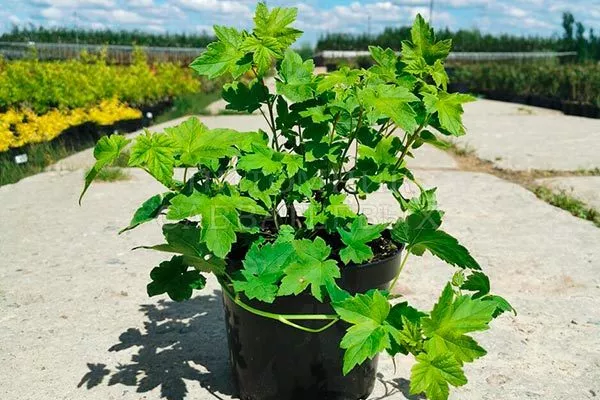
Water the bush with 10-15 liters of warm water. Mulch the area around the trunk with peat, compost, or rotted sawdust to retain moisture and prevent weed growth.
Follow standard agricultural practices:
- Watering. Provide regular watering, especially in dry weather, but avoid overwatering to prevent root rot. Water the bushes at the roots, being careful not to get water on the leaves.
- Trimming. To maintain a compact shape and improve fruiting, prune in early spring or autumn: remove old and damaged branches, thin out the bush to improve ventilation.
- Top dressing. The plant thrives on organic fertilizers such as compost and humus. Use ash as a top dressing, which will enrich the soil with potassium and phosphorus. Apply this fertilizer in early spring and after harvest.
- Protection from diseases and pests. The Iron Currant is resistant to most diseases, but check the bushes periodically for pests such as aphids or spider mites. For prevention, use organic pesticides such as garlic infusion or soap solution.
- ✓ The presence of glandular hairs on the leaves is a natural defense; their absence may indicate a disease.
- ✓ Brightness and integrity of berries – dull or damaged fruits may be a sign of nutrient deficiencies or pests.
Positive and negative qualities
This variety has many unique features, making it a favorite choice for both novice and experienced gardeners. To avoid potential problems in the future, consider not only its advantages but also its disadvantages.
Among the negative qualities, they note the need for lighting, the tendency for berries to fall in strong winds, and the risk of pest damage if preventative measures are insufficient.
Reviews
The Iron Currant will delight you with its decorative beauty and delicious fruit from early spring until the first frost. Easy care and high tolerance to adverse conditions make this shrub an excellent choice for gardening. Adherence to proper cultivation practices is the key to a strong immune system and bountiful harvests.