
Green Smoke is a popular blackcurrant variety, recognized by gardeners and homesteaders for its ease of care, disease resistance, and high-quality berries. It is known for its rapid ripening, high yield, and excellent flavor. It is important to understand the specifics of cultivation, care, and propagation to ensure proper care.
History of selection
The variety was developed based on research at the I.V. Michurin All-Russian Research Institute of Horticulture. Its authors are T.S. Zvyagina and K.D. Sergeeva. The new hybrid was obtained by crossing the Minai Shmyrev and Bredtorp varieties. In 1994, the Green Dymka variety was officially included in the State Register and recommended for cultivation in most regions of the country.
External description of the hybrid
Green Haze is a mid-season variety characterized by high yields. During the fruiting period, the plant appears compact and abundantly covered with large berries.
| Name | Ripening period | Disease resistance | Size of berries |
|---|---|---|---|
| Green haze | Mid-season | High | Large |
| Black Pearl | Mid-season | High | Average |
Bushes
Plants are medium-height, slightly spreading. Distinguishing characteristics:
- Escapes – Straight, bright green. With age, they become woody, acquiring a gray tint with a slight yellowish undertone.
- Kidneys – elongated, ovoid, brown in color, located on short legs.
- Leaves - Large, rich green, with a matte surface and a five-lobed shape, the edges are decorated with serrated teeth with white tips.
Berries
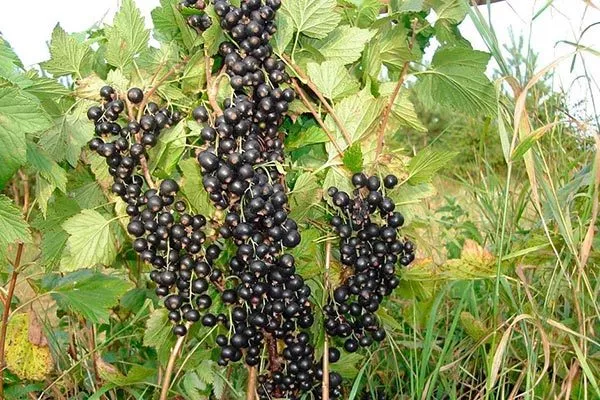
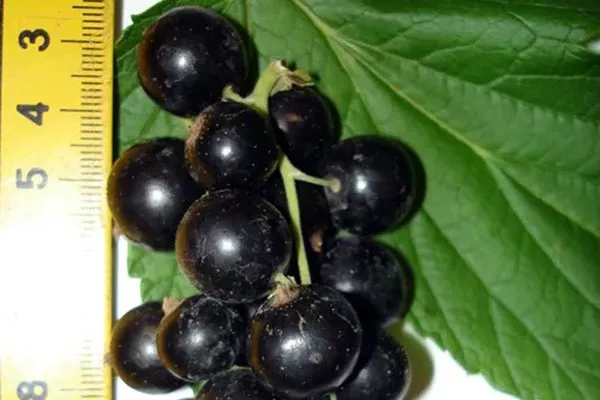
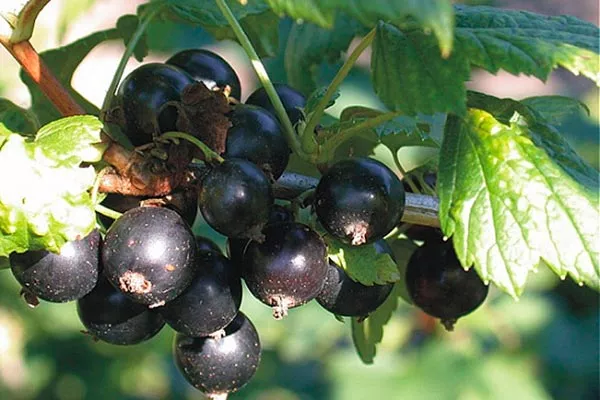
The variety is characterized by large to medium-sized, black, thin-skinned, rounded fruits. They weigh between 1.2 and 1.5 grams and are easily separated from the bunches without breaking. They have a sweet, slightly sour, nutmeg-like flavor.
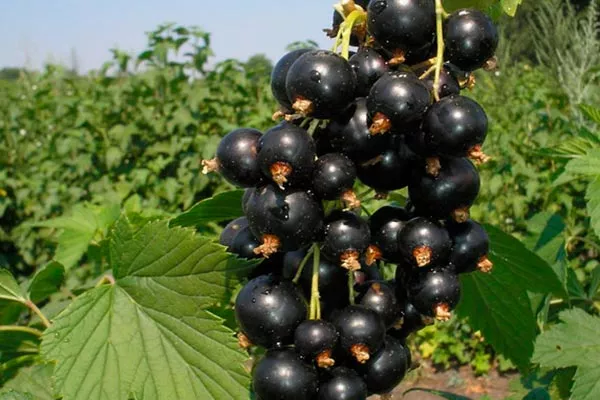
The chemical composition of berries includes:
- water;
- sugars (glucose, fructose);
- organic acids;
- pectin;
- ascorbic acid;
- dyes and tanning agents.
The hybrid will not only fill the garden with a pleasant aroma, but will also delight you with a rich harvest of tasty and healthy fruits.
Characteristics
The variety's name doesn't hint at an uncertain future. On the contrary, with the right approach, you can expect impressive results. However, to achieve success, it's important to carefully study the plant, its characteristics, and care requirements.
Beneficial properties
Blackcurrants possess numerous beneficial properties thanks to their rich chemical composition. Their berries are prized for their high vitamin and microelement content, making them essential for maintaining health:
- Strengthening the immune system. Vitamin C (ascorbic acid) helps the body resist infections and increases overall resistance to disease.
- Supports heart and vascular health. Calcium and iron strengthen the heart muscle, improve blood circulation and normalize hemoglobin levels.
- Antioxidant action. Pectin, tannins, and coloring agents remove toxins from the body, reduce the risk of cancer, and slow down the aging process.
- Improving digestion. Organic acids and fiber stimulate the functioning of the stomach and intestines, helping to normalize metabolism.
- Skin and vision health. Rich in vitamins and antioxidants, it has a beneficial effect on skin condition, strengthens capillaries and supports vision.
- Prevention of vitamin deficiency. Vitamins B, P, potassium, phosphorus and magnesium replenish the deficiency of nutrients in the body.
Taste qualities
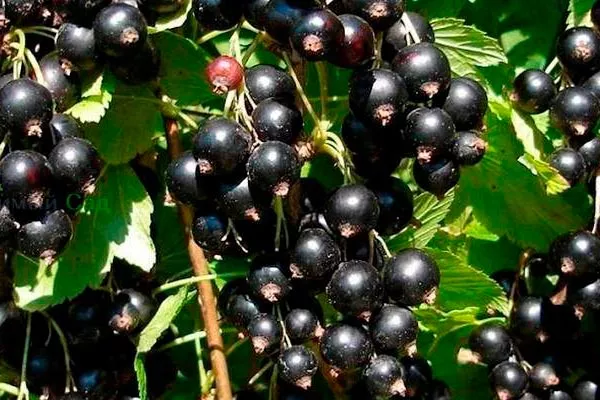
The fruits have a sweet and sour taste with a refined muscat flavor. Their chemical composition is rich in ascorbic acid, P-active substances, titratable acid, soluble solids, and natural sugars.
Tasting evaluation and scope of application of fruits
The variety received a high tasting score of 4.7 to 5 points. The berries are versatile: they can be eaten fresh, dried, frozen, or used to make compotes, jams, and preserves. They combine excellent flavor with nutritional benefits.
Ripening and fruiting
This variety is considered mid-season in terms of ripening time. Harvesting typically begins between July 10th and 20th. The bushes begin bearing fruit very early, so you won't have to wait long after planting. The fruit ripens evenly, making harvesting easier.
Growing regions
Currants are successfully cultivated in a wide variety of climates. They are grown in the following regions:
- Western Siberia;
- Eastern Siberia;
- North Caucasus;
- Central Black Earth Region;
- Ural;
- Central regions of the European part;
- Northwestern Region
The hybrid is grown by many gardeners throughout almost the entire territory of our country.
Self-fertility and the need for pollinators
The crop is self-fertile, so it can produce fruit without the need for external pollinators. However, the presence of neighboring plants increases productivity, so it's not recommended to completely abandon them.
Resistance to adverse climatic conditions
The hybrid has good frost resistance and tolerates drought well. However, despite these qualities, you shouldn't rely entirely on them. Exercise caution and provide the plants with the necessary care to avoid potential problems in extreme weather conditions.
Productivity
The crop is characterized by good productivity. On average, one bush yields 3.1 to 3.6 kg of aromatic berries. The yield per hectare is approximately 100 centners. Under optimal weather conditions and proper care, productivity increases to 10-13 tons per hectare.
Planting currants
To ensure a plant bears fruit well and grows quickly, it's important to choose the right location, plant it correctly, and provide proper care. Even beginners can handle this task.
- ✓ The optimal soil acidity for Green Haze should be within the pH range of 6.0-6.5.
- ✓ The distance between bushes when planting should be at least 1.5 meters to ensure sufficient ventilation and lighting.
Planting dates
The Green Smoke currant variety can be planted throughout its entire growth and development period. However, experienced gardeners recommend cultivating it in the fall, ideally in the second half of September or early October.
This gives the seedlings time to strengthen and take root before frost sets in, and with the arrival of spring, they will begin to grow vigorously. Spring planting is permitted, but do it before the buds swell.
Predecessors and best neighbors of berry crops
Practice crop rotation and avoid planting after other currant and gooseberry varieties. Toxins can accumulate in the soil where related plants previously grew, weakening the seedlings.
The best predecessors for the shrub are grain crops that can be used as green manure. Good neighbors for Green Haze include honeysuckle, jostaberry, apple, and strawberry.
Site selection and preparation
To grow currants, choose a suitable location. Follow these recommendations:
- The area should be well-lit. In regions with high temperatures and dry air, lightly shade the bushes in the summer using netting to prevent sunburn. However, currants will grow more slowly in the shade.
- Choose a location protected from strong winds. Plant the seedling near a fence or wall facing south or southwest.
- The hybrid prefers fertile, slightly acidic or neutral soil. Loam provides the best conditions.
Before planting, dig the soil to a depth of 25-30 cm and add fertilizer. Composted manure, superphosphate, and wood ash are suitable.
The landing process
Cultivating this crop is not particularly difficult. Follow these steps:
- Dig a hole 40 cm deep and 50 cm in diameter.
- If the soil wasn't fertilized beforehand, add humus, superphosphate, ash, and potassium sulfate to the bottom of the hole. Then add 5 liters of water.
- Spread the roots of the seedling and place it in the hole at an angle of 45 degrees.
- Cover the root collar with soil, deepening it 5-7 cm below the level it was in the mother plant. This will promote the development of new roots and shoots.
- Compact the soil around the seedling and water it with 10 liters of water.
- Trim the bush with pruning shears, leaving 5-6 buds on each shoot.
- To retain moisture in the soil, cover the area with a protective layer (leaf humus, hay, peat or sawdust).
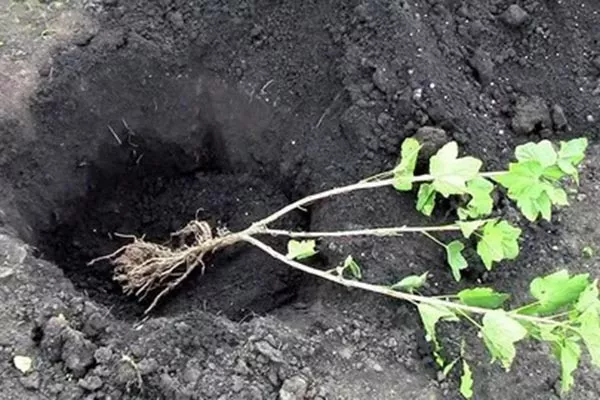
This approach will ensure the proper development of currant bushes and help create conditions for successful growth and fruiting.
How to care for Green Haze?
The Green Haze hybrid has some characteristics that are important to consider when caring for the bushes. To do this, simply follow a few simple agricultural practices.
Watering and timely fertilizing
In spring, the plant doesn't require watering if the winter was snowy. When ovaries begin to form, water the plants every 5-6 days with warm water, using 20-30 liters per plant.
Begin applying fertilizers in the third year after planting. Use nitrogen-containing fertilizers in the spring and organic fertilizers in the fall. In June and July, apply foliar feeding with nutrient mixtures.
Loosening and mulching the soil
After watering, loosen the soil to prevent a crust from forming, which restricts air flow to the roots. To retain moisture in the soil, cover the root zone with mulch.
Formative pruning
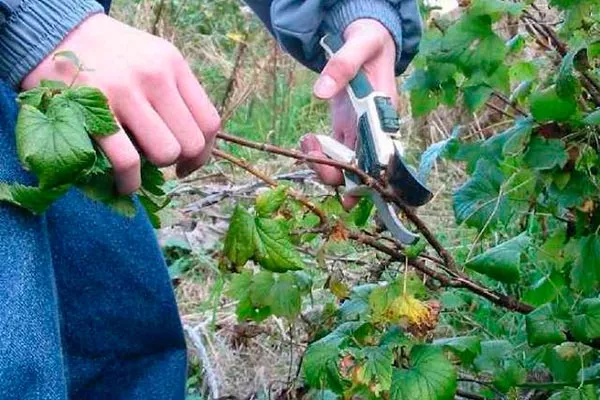
Removing excess branches promotes better fruiting by improving air and light access to the bush. Perform the first pruning immediately after planting: shorten the shoots to 2-3 buds. This promotes the formation of a well-branched bush the following year. Remove five-year-old branches completely, as they produce few berries.
Do I need to cover it for the winter?
Despite the hybrid's high winter hardiness, in northern regions, currants should be insulated during the winter. Use burlap or special film for this purpose. Before the onset of frost, earth up the bushes to a height of 15-20 cm.
Methods of reproduction
Green haze is a popular berry bush. To propagate it, use several methods that will not only produce new plants but also preserve all their characteristic features:
- Cuttings. Use healthy one-year-old shoots taken in early summer. Take 10-15 cm long cuttings from the tips of young branches, choosing shoots free of disease. Make the lower cut at an angle and the upper cut straight.
Root the cuttings in water or directly into soil, creating high-humidity conditions. After planting, cover them with plastic wrap or clear bottles to create a greenhouse effect.
In a few weeks, they will take root and begin growing vigorously. This method allows you to quickly obtain young plants that retain all the properties of the mother plant. - Layers. In late spring or early summer, select healthy, flexible shoots. Bend one of them to the ground, make a small cut in it, wrap it in cloth or surround it with damp peat, and bury it 5-10 cm into the soil. Then, cover the shoot with soil, leaving the top part above the ground.
Once the cutting has developed roots, separate it from the main plant and plant it in its permanent location. This method allows you to quickly obtain full-fledged plants. - Dividing the bush. This method is used at later stages of plant development. It involves dividing a mature bush into several sections, each with its own root system and shoots. Plant them in prepared soil.
Carry out the event in spring or autumn, when the plant is not in the active growth stage.
All three methods for propagating the Green Haze currant are simple and effective ways to produce new plants that fully retain the characteristics of the mother bush. The choice of method depends on your preferences and conditions, but all guarantee good results with proper care.
Problems with fruiting
The hybrid doesn't require complex care, but failure to follow proper agricultural practices can weaken the plant, reduce the flavor and quality of the berries, and reduce yield. Common mistakes:
- Plant in the shade. Currants require good light to ensure proper flower bud formation. It's important that the bushes receive sufficient light, although in extremely hot conditions they can benefit from some shade.
- Drying out of the soil. During hot summer months, the plant is very sensitive to moisture deficits and root overheating. During these periods, regular watering is critical.
- Over-fertilization. Excessive fertilizing can lead to intensive foliage growth, but at the same time the number of fruits will decrease.
- Incorrect pruning. Older branches tend to produce fewer berries, so regular pruning encourages the growth of young shoots, which helps increase the yield.
- Weakening of the plant. Bushes that are not properly cared for are susceptible to pests and diseases, making timely prevention and care especially important.
Causes of yellowing leaves
The Green Haze variety doesn't require complex care, but if cultivation practices aren't followed, problems can arise that affect yield and health. One such symptom is yellowing leaves.
Causes of yellowness and its manifestations:
- Incorrect landing. Currants do not thrive in dry areas exposed to cold winds, as well as in marshy areas. Choosing the wrong planting location can significantly weaken the plant.
- Inconsistency in planting times. In spring, cultivating seedlings can be difficult due to late, recurring frosts. The crop adapts and develops best when planted in the fall.
- Incorrect formation. It's important to prune shoots correctly when planting, leaving only 2-3 buds on each. This promotes vigorous growth and the formation of new branches. Without pruning, the bush can become overloaded with foliage, which will impair its development.
- Affected by aphids and fungal infections. Weakened bushes are more susceptible to diseases and pests. Timely preventative measures can minimize harmful effects.
- Aging. The productive period of currants is typically 16-18 years. However, proper care, including fertilizing, pruning, and regular watering, can extend the productive period.
Diseases and pests, methods of control and prevention
Despite a strong immune system, Green Haze can be susceptible to certain complications. It's important to begin treatment promptly:
| Disease/Pest | Signs | Treatment | Prevention |
| Powdery mildew | A white, powdery coating appears on all parts. Leaves become deformed, turn yellow, and fall off. | Treatment with fungicides Topaz and Fundazol. | Maintain crop rotation, regularly remove infected areas, and treat with fungicides in spring and autumn. |
| Fusarium wilt | Yellowing and wilting of lower leaves, drying of shoots, brown spots on stems. | Application of fungicides Previkur, Topsin, Fundazol, removal of affected parts. | Prevent soil waterlogging, use healthy seedlings. |
| Septoria (or white spot) | Light or yellow spots with a dark border appear on the foliage and enlarge. The leaves dry out and fall off. | Treatment with fungicides Skor, Oxyx, Zircon. | Remove affected leaves, plant in well-ventilated areas, and maintain crop rotation. |
| Aphid | Leaves become deformed, curl, and develop a sticky coating. If the infestation is severe, the plant wilts. | Treatment with insecticides Aktara, Karate, folk remedies (infusion of garlic or tobacco). | Attracting natural enemies (ladybugs), regular inspection and insecticide treatment. |
| Spider mite | The leaves lose their elasticity, turn yellow, and cobwebs appear on the back side. | Treatment with acaricides Nissan, Taran, folk remedies (garlic infusion). | Maintaining humidity, treating with acaricides, removing damaged parts. |
| Popelytsa | White sticky spots appear on the leaves, they become deformed, and the stems become curved. | Treatment with insecticides Karbofos, Aktellik, and folk remedies. | Regular inspection for pests, use of insecticides. |
| Rust | Light yellow spots appear on the upper side of the leaf, and orange bumps (fungal spores) appear on the lower side. | Treatment with fungicides Skor and Topaz. | Removing damaged parts of the plant, observing crop rotation, installing high-quality ventilation. |
| White rot | The appearance of water-soaked spots at the base of stems and shoots, which may become covered with white fungal growths. | Application of fungicides Hom, Rovral, removal of affected areas. | Avoid over-watering, carry out preventative treatment with fungicides, and promptly remove plant debris. |
Harvesting and storage
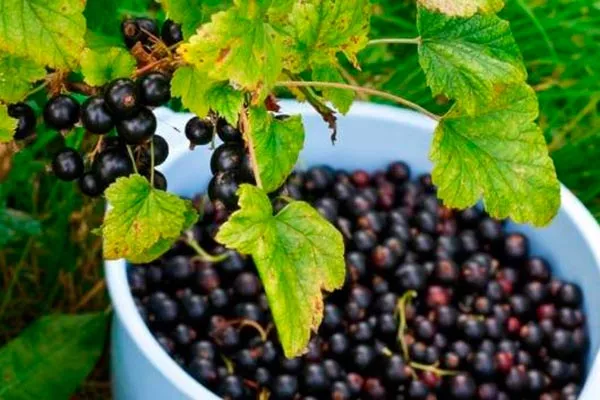
Green Smoke currants ripen in June and July. Harvesting occurs in stages. Since they ripen at different times, harvest every 2-3 days. After harvesting, store the berries in the refrigerator, placing them in plastic containers or bags. Do not wash them.
Similar varieties
Many gardeners note that the Green Smoke currant is similar to the Black Pearl variety. Both varieties have a medium ripening period, but the berries are slightly smaller. This variety begins to bear fruit in the second year after planting, but its yield is slightly lower – 3.5-4.5 kg per bush. It is resistant to bud mites and powdery mildew.
Pros and cons
Before growing a crop in your garden, it's important to carefully review its advantages and disadvantages to avoid potential difficulties in the future. Advantages of the hybrid:
The only drawback of the hybrid is its vulnerability to bud mite, which makes it susceptible to damage by this pest.
Reviews
Green Haze currant is an excellent choice for those looking for a variety with good productivity, disease resistance, and ease of care. Thanks to its large, sweet berries and quick ripening, this hybrid is suitable for both personal consumption and retail. This variety requires careful cultivation to ensure bountiful harvests.