
"Zagadka" is the name of a domestic blackcurrant variety. Gardeners love it for its marketable appearance and pleasant flavor, the abundance of vitamins in its pulp, its good yield, and its resistance to frost, disease, and pests. It is grown both in private households and on farms for sale.
The history of the development of the culture: Mystery and interesting facts
The variety was developed in the 1970s by V. M. Litvinova, an employee of the All-Russian Institute of Horticulture and Selection. To create it, the scientist crossed the following species:
- Currant RivalTo date, the identity of this retro variety and its technical characteristics are unknown. The state registry contains no information about it. For modern gardeners, it will remain a mystery what traits the breeder, Litvinova, intended to convey to the variety she developed.
- A variety of berry crop called NinaIts merits include large fruits, yields of up to 4 kg per bush, and resistance to powdery mildew and frost. All of these qualities have been passed on to its descendant, the Zagadka currant.
The scientist’s brainchild was sent for variety testing in 1978. In 1986, it was added to the state register.
Biological description of the variety
Check out the botanical description and technical characteristics of the Riddle if you plan to grow its bushes in your garden.
Bush and branching of the root system
This currant variety has medium vigor. Its bushes are upright and compact. In addition to their small size, they have the following external characteristics:
- dense crown;
- shoots of light brown color, glossy, straight and thick (young growth is light green, slightly pubescent);
- Foliage: dark green, large, with 5 lobes and a serrated edge, matte, with a wrinkled surface.
The Zagadka variety is a long-lived variety. Its plants live and bear fruit in the same location for up to 15 years. They have a fibrous root system located at a depth of 40-60 cm. This shallow root system requires careful attention to pre-planting soil preparation, loosening, and fertilizing.
Flowering, yield and berries
The Riddle blooms in May (the second half of the month). Towards the end of spring, numerous small, cup-shaped, pinkish flowers appear on the bush. They are clustered together in groups of 8-20.
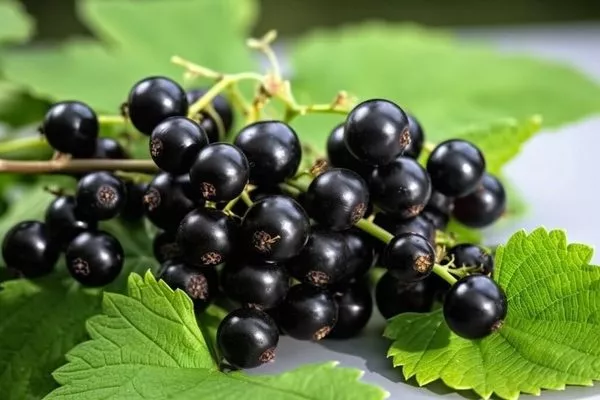
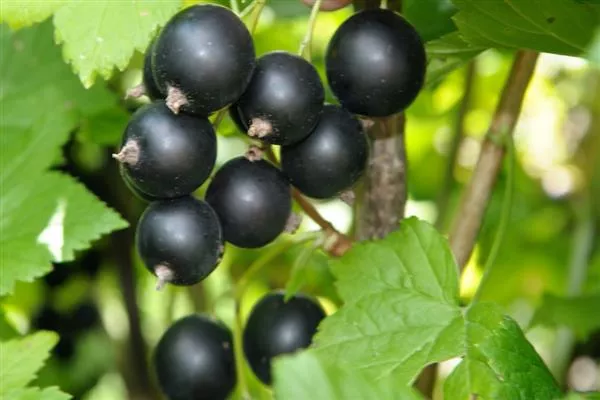
The fruits ripen in clusters of medium density, with an average of 7 berries per cluster. They have a marketable appearance and excellent consumer qualities. Their description includes:
- large size (weight - 0.9-1.5 g);
- rounded shape with a swelling at the peduncle;
- intense black skin color with yellow spots;
- dense skin, which ensures good shelf life and transportability of the fruit;
- dark flesh, aromatic, juicy, with a moderate amount of seeds.
The berries are picked dry. They are characterized by high marketability. Gardeners harvest 2.3-3 kg of high-quality fruit from one bush, suitable for long-term storage (at least one week) and long-distance transportation. When grown commercially, this variety yields 11,000 kg per hectare.
Scope of application
Zagadka currants have a pleasant, predominantly sweet flavor with a refreshing tartness. This is due to the following nutrients found in the pulp:
- titratable acids - 0.2%;
- sugars - 5.4%;
- vitamin C - 160 mg/100 g.
The tasting score for this variety is 4 out of 5. Its flavor is considered table-quality. Gourmets may find it lacking in interestingness and complexity. Most people, however, enjoy its sweetness.
The Zagadka harvest has a versatile purpose. The fruits are eaten fresh to maximize their health benefits (heat treatment destroys the lion's share of their vitamins).
Housewives also use them for culinary purposes:
- for making jam, preserves, compote, jelly, kissel, pastille, syrup;
- for producing berry wine, tincture, liqueur;
- used as a filling for pies and other sweet confectionery products;
- frozen for the winter;
- canned;
- dry.
The leaves of the Zagadka plant are also useful in cooking. Young leaves are added to dietary salads. They also make a delicious kvass. They are an excellent addition to vegetable preserves and a substitute for tea leaves (when dried).
Thanks to their rich vitamin and mineral content, currant fruits and leaves have also found use in folk medicine. They are used to prepare medicinal decoctions, infusions, and teas. They have antibacterial, antipyretic, and immunomodulatory effects on the human body.
Ripening and fruiting
Gardeners harvest the first Zagadka berries in the second year after planting. The berries ripen mid-season. They can be enjoyed in late July or as early as August. The harvest lasts for several weeks, until early September.
Growing regions
The berry crop variety has been approved by the state register for cultivation in the following regions of the country:
- Central;
- Volga-Vyatka;
- North Caucasian.
It is successfully cultivated in other regions of the Russian Federation, as well as in other neighboring countries.
Self-fertility and the need for pollinators
Zagadka currant bushes are self-pollinating. They produce fruit even when grown in a plot without neighboring pollinators. The presence of other pollinating varieties benefits them: yield increases and fruit quality improves.
Resistance to low temperatures and drought
This variety is renowned for its good frost resistance. Plants can withstand winter temperatures down to -27°C. They also exhibit moderate drought tolerance. They tolerate short periods of dry weather well. Prolonged moisture deficits negatively impact their productivity and health.
Susceptibility to diseases, bugs
This berry variety is renowned for its strong immunity. Its bushes are resistant to infections and pests such as:
- powdery mildew (high resistance);
- anthracnose (relative to the stand);
- kidney mite (more or less resistant).
Advantages and disadvantages of Riddles
Domestic gardeners love the "Zagadka" black currant for its many advantages. However, it also has a few drawbacks.
Planting and care features
This berry variety requires careful planting and is considered a fussy care plant. Pay particular attention to timely watering, fertilizing, and pruning if you want to achieve a bountiful harvest.
Optimal time for planting
Plant the "Zagadka" blackcurrant in your garden in early September or late March. Outdoor temperatures should reach 10-15°C. Don't be lazy, wait until the threat of frost has passed.
Preparing the seedling and the site
Provide a well-lit area for your berry plant, protected from wind and drafts. This garden crop will thrive in soil with the following characteristics:
- loamy;
- loose;
- fertile;
- slightly acidic or neutral (pH 5.0-5.5).
- ✓ The soil pH level should be strictly within 5.0-5.5 for optimal nutrient absorption.
- ✓ The depth of the root system requires that the soil be loose to a depth of at least 60 cm.
Prepare the selected area for planting currants by completing the following steps:
- plowing the land to a depth of 20-22 cm;
- removal of weeds along with roots and plant debris;
- adding lime during digging (consumption rate: 0.3-0.8 kg per 1 sq. m.), if the soil is acidic.
If your garden soil is fertile, you won't need to fertilize it. However, enrich poor soil with nutrients:
- organic matter (humus, compost, etc.) - 2-4 kg/sq. m;
- granulated superphosphate - 100-150 g/sq.m;
- potassium sulfate - 20-30 g/sq. m.
Prepare the Zagadka seedlings for planting by soaking their roots in a growth stimulant solution (Epin, Heteroauxin, Zircon) for several hours.
Landing technology
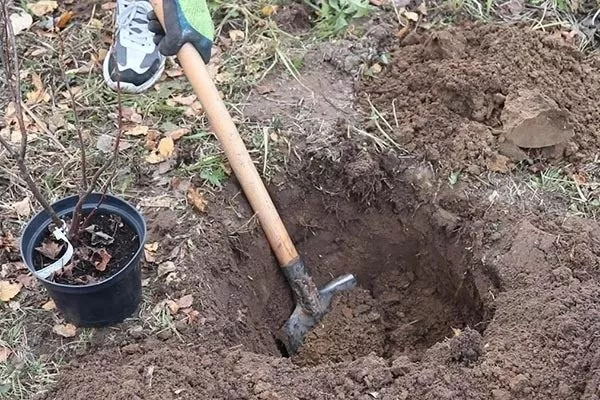
Plant Zagadka currant bushes on the south or southwest side of your garden plot. Follow these step-by-step instructions:
- Prepare planting holes, giving them dimensions of 50x50x50 cm.
- Pour 5 liters of water into the holes.
- Place the seedlings in them at a 45-degree angle, 4 cm deeper than they were in the mother plant. This planting technique stimulates intensive root and shoot growth.
- Cover the roots with fertile soil mixed with peat and compost (2:1:1). Tamp it down lightly.
- Water the currant planting. Use 5 liters of water per plant.
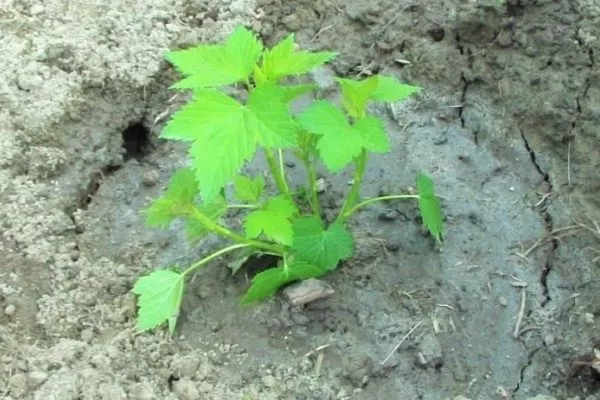
After 2-3 weeks, top up the soil under the bushes. Make sure the root collar of the plant remains 5-7 cm deep. Mulch the soil to prevent rapid moisture evaporation. Use organic matter: peat, humus, and sawdust.
Irrigation and fertilization
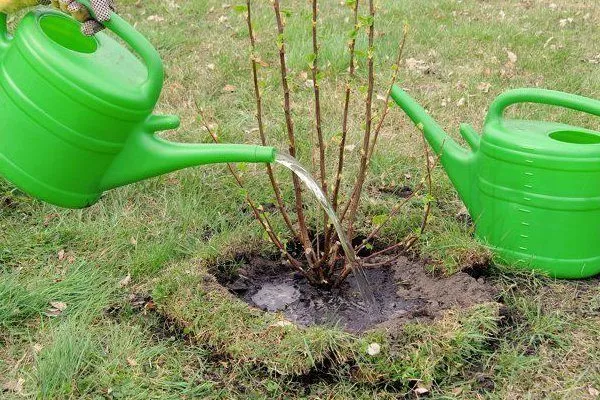
The Zagadka currant is a moisture-loving plant. Its bushes need sufficient water to ensure vigorous growth, development, and fruit set, which occurs in June. Follow these watering guidelines for this berry crop:
- water the planting at least twice a month;
- Provide abundant watering during the berry filling period and after harvesting in September;
- in a dry summer, moisten the soil under the bushes weekly, using 10-20 liters of water per 1 plant (otherwise the fruits may bake in the sun, grow small and tasteless);
- In October, carry out pre-winter watering, using 20-30 liters of water per bush (this measure will increase the winter hardiness of the crop).
Proper fertilization is the key to a bountiful harvest and healthy health of your Zagadka currant. Start fertilizing it from the second year after planting.
Apply fertilizer annually. Follow the schedule below:
- in April apply ammonium nitrate in the form of an aqueous solution (40 g per 10 l);
- in mid-June use a complex mineral composition (for example, azophoska);
- at the end of September Feed the berry planting with wood ash;
- for the winter Mulch the planting with rotted manure.
Preventive treatment
The description of the blackcurrant variety "Zagadka" (Enigma) indicates that the bushes are highly resistant to fungal diseases. In unfavorable years and with inadequate care, these bushes can be susceptible to infections. Don't neglect disease prevention.
In spring, carry out 2 preventative treatments of the berry bush with fungicides:
- Bordeaux mixture;
- Coming soon;
- Fitosporin-M.
Regularly inspect your currant planting for the first signs of disease. If you discover infected shoots, remove them immediately and burn them outside the plot. For treatment, use the products mentioned above.
Insect attacks also have a detrimental effect on currant bushes, as well as the quality and quantity of berries. The greatest danger to bushes comes from aphids and spider mites.
If parasites are detected, treat the garden crop with insecticides, such as:
- Decis;
- Aktara;
- green soap;
- Fufanon.
Loosening and mulching the beds
To improve air and moisture flow to the roots of your currant bush, loosen the soil. Break up the dense soil crust that forms the day after watering or rain. Gently work the soil to a depth of 6-8 cm. Be careful not to damage the underground parts of the plant.
Remove weeds as you work. They hinder the development of berry crops by depriving them of nutrients and moisture. Furthermore, harmful weeds are a breeding ground for diseases.
Bush formation
Bushes of this varietal variety require pruning, especially during the first 4 years of life:
- sanitary (do this every spring);
- formative (do it in April or in the fall after the leaves have fallen);
- Additionally, in the summer, pinch the tops of young shoots to stimulate branching and give the bush a neat shape.
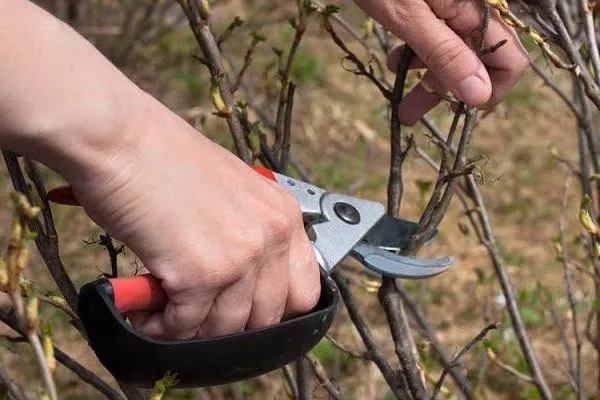
Thin out your currant bushes, removing unproductive branches: excess (thickening), dry, broken, or infected or pest-infested ones. If you neglect this procedure, the plant will waste energy and nutrients on these branches, which will reduce its yield.
Don't neglect the shaping process. It's aimed not only at giving the shrub an attractive appearance but also at prolonging its fruiting period. With the right approach, you can reap harvests for 15 years.
Shelter for the winter
Mature bushes grown in temperate climates overwinter successfully without cover. Young specimens, like currants grown in colder regions of the country, require preparation for the cold season:
- at the end of October or the beginning of November, prune the bush;
- fertilize it;
- mulch the soil underneath;
- Bend the branches to the ground, grouping them in groups of 3-5 pieces, and then cover them with boards, cardboard, geotextile, or tarpaulin.
You can also wrap currant bushes in burlap, securing it at the base. After snow falls, generously cover the plants with it.
How to reproduce the Riddle?
Gardeners propagate the currant cultivar vegetatively. They use the following methods to produce new plants:
- dividing the bush;
- vaccination;
- green cuttings;
- layering, horizontal or vertical.
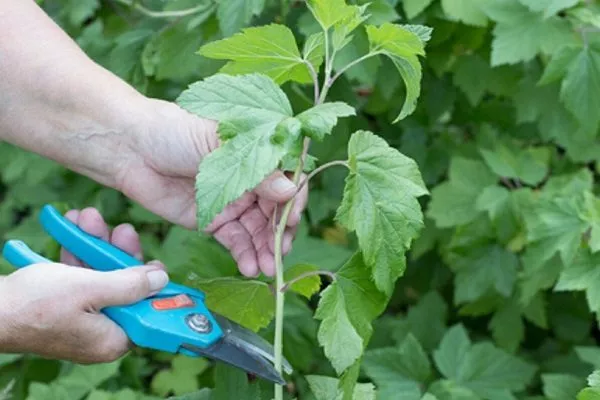
The most common method is propagation by vertical layering. To do this, gardeners bend three-year-old shoots to the ground and allow them to root. The following fall, they are separated from the mother plant.
Another popular method is to grow currant seedlings from green cuttings. To obtain these, you'll need to trim young branches back to 15-20 cm. Germinate the resulting material and plant it in the ground.
Reviews of the variety
Zagadka is a mid-early blackcurrant variety popular with Russian gardeners. It is prized for its large fruits, disease and pest resistance, and excellent flavor. Strict adherence to proper cultivation practices is essential to ensure a bountiful harvest.