
Jonker Van Tets is the name of a mid-early red currant variety developed by Dutch breeders over 80 years ago. Domestic gardeners love it for its early fruiting, high bush productivity, low maintenance, and resistance to fungal and viral infections. It is suitable for both private and commercial cultivation.
Historical facts
The Jonkheer Van Tets fruit variety was developed in the 1940s thanks to the efforts of Dutch scientists. To create it, they crossed the following species:
- Fertile Faya;
- London market.
The brainchild of Dutch breeders was so popular with local farmers that it quickly spread throughout Western Europe. In the early 1990s, this red currant variety arrived in our region. In 1992, it was added to the Russian Federation State Register.
Description
An experienced gardener can easily identify the Dutch red currant variety (knyazhikha, kiselka, zhostylya, porechka—these are common names for the plant) by the appearance of its bushes and fruits. Both are distinguished by their decorative qualities.
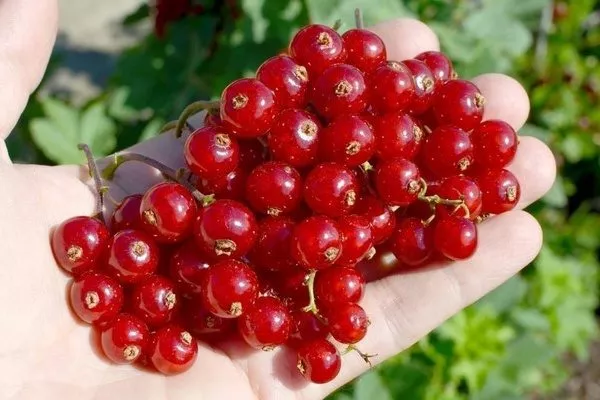
Bush
Jonker van Tets plants are vigorous, bushy, and upright. They are characterized by the following external features:
- semi-spreading;
- round shape;
- height - 1.5-1.8 m;
- shoots: straight, vertically directed, strong, moderately thick, devoid of pubescence, light green with a pinkish tint (young) or gray-beige (woody), not prone to breakage, not bending under the weight of berry clusters;
- leaves: dark green, medium or large in size, with 5 lobes, leathery, with a slight sheen;
- Fruit clusters: large, densely packed, up to 10 cm long, consisting of 6-10 berries.
The fruit buds on Jonker van Tets bushes grow densely in clusters of trusses and runners, which are more durable than those of blackcurrants. The berry clusters are evenly distributed on the plant.
Flowers
The Dutch variety's bushes typically bloom in mid-May. The buds, gathered in clusters of 10, have the following appearance:
- large sizes;
- saucer-shaped;
- number of petals - 5 pcs.
Fruit
The berries of this variety have the following characteristics:
- one-dimensionality;
- bright red color of the skin and pulp;
- large size;
- weight - 0.7-0.8 g;
- round or slightly pear-shaped;
- skin: strong, dense, elastic, not prone to damage when the fruit is torn off;
- pulp: juicy, with moderate aroma;
- seeds: large, contained in the pulp in the amount of 4-5 pieces.
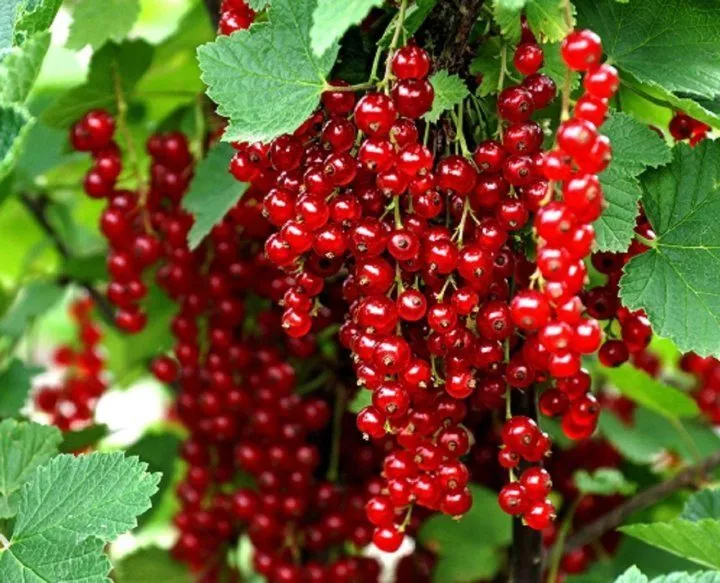
Characteristics
If you are planning to grow the Jonker Van Tets variety of garden crop in your garden, familiarize yourself with its technical characteristics.
Taste and benefits
The Dutch-origin buckthorn has excellent tasting qualities. Gardeners appreciate the berries' pleasant sweet-tart flavor, completely free of bitterness. The acidity characteristic of red currants is moderate. The sweetness is well-defined.
The excellent taste of the fruits is due to the balanced content of essential components, such as:
- dry matter - 14%;
- sugars - 7-13.3%;
- acids - 3%.
Jonker Van Tets red currants are a treasure trove of nutrients beneficial to health. They are rich in ascorbic acid. 100 g of their pulp contains 32 mg of vitamin C. You'll find many other beneficial properties in their fruits:
- vitamins (retinol, choline, carotene, biotin, niacin, phylloquinone, tocopherol, thiamine, pyridoxine, riboflavin, nicotinic and pantothenic acids);
- minerals (potassium, calcium, silicon, magnesium, sodium, sulfur, iron, copper, selenium, zinc, phosphorus, manganese and many others);
- pectins and tannins;
- organic acids;
- essential oils.
By eating porechka, you can achieve many healing effects:
- relief of inflammatory processes;
- strengthening of blood vessels;
- benefits for the heart, circulation, joints and muscles;
- stimulation of appetite and digestion;
- toning the body;
- strengthening the immune system.
Red currants are especially beneficial for those battling colds. They lower fever, quench thirst, relieve inflammation, and give the sufferer vitality.
This summer delicacy also has contraindications:
- thrombophlebitis, predisposition to thrombus formation:
- gastritis (especially hyperacid);
- peptic ulcer;
- hepatitis;
- history of heart attack, stroke;
- diabetes and obesity (the ban applies to jam or preserves made from red berries, which contain a lot of sugar).
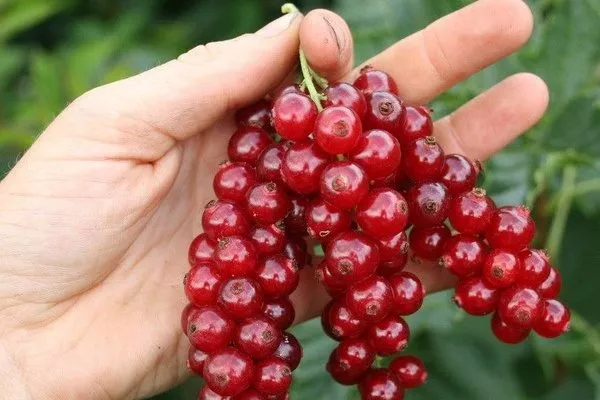
Scope of use
The Dutch variety's harvest is versatile. The berries are eaten fresh, mashed with added sugar, and used to make jam, preserves, compote, marmalade, jelly, and syrup. They are also used as a pie filling and as decoration for cakes and pastries. The fruits are also canned, dried, and frozen for winter storage.
The river is also suitable for winemaking. The sweet and sour berries produce aromatic and delicious low-alcohol drinks:
- guilt;
- liqueurs;
- liqueurs.
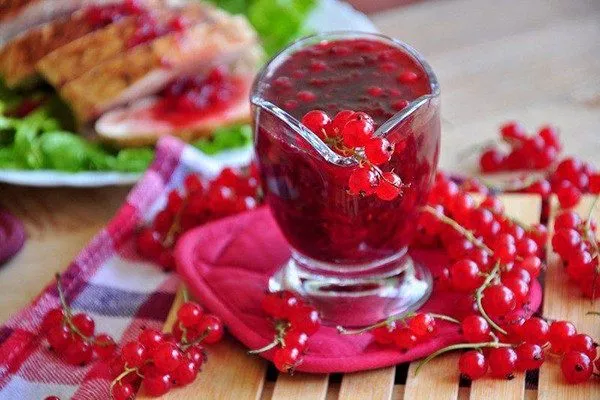
Winter hardiness, drought resistance
Jonker van Tets has won the hearts of gardeners thanks to its hardiness. Its bushes are distinguished by good frost resistance. With the root zone covered with compost, they can withstand temperatures as low as -34°C. In areas with harsher winters, they will require more reliable insulation.
Knyazhikha also boasts good drought tolerance. Overall, it's undemanding in terms of growing conditions and requires little care.
Self-fertility and pollinators
Another advantage of the "Dutchman" variety is its self-fertilizing ability. They produce a good harvest without cross-pollination. To double their productivity, gardeners plant several other varieties nearby. Two requirements apply:
- be of the same species (red currant);
- have the same flowering period as Jonker van Tets.
Ripening period and yield
This garden variety tends to quickly reach fruiting age. It begins producing berries in its third year. Peak productivity occurs between the fifth and eighth years after planting.
This variety is considered mid-early. The harvest begins to ripen in July. Fruiting lasts from 3 to 5 weeks. The bunches ripen simultaneously and can hang on the bushes for a long time without falling off or spoiling. One plant produces 4-7 kg of fruit. Farmers harvest 8,000-16,000 kg of berries per hectare. They are easy to transport.
Growing regions
The Russian State Register has approved the Dutch variety for cultivation in the following regions of the country:
- North-West;
- Central Black Earth Region;
- Volga-Vyatka.
It is successfully grown in Western Europe and neighboring countries. It grows and bears fruit successfully in any climate zone of Ukraine.
Planting operations
This Dutch red currant variety requires careful planting. Follow the planting instructions and advice from experienced gardeners to ensure the seedling quickly establishes itself in its new location and begins to grow.
- ✓ The optimal soil pH level for red currants should be within 6.0-6.5.
- ✓ The distance between bushes when planting should be at least 1.5 m to ensure sufficient ventilation and lighting.
Optimal timing
This variety of garden crop can be planted on your plot at different times of the year:
- in spring;
- in summer;
- in the fall.
Summer planting is common among gardeners who purchased a seedling with a closed root system in February and kept it in suitable conditions. The spring procedure is suitable for plants purchased in late autumn. They are kept in a cool room throughout the winter and then transferred to the garden during the warmer months.
Experienced gardeners consider the following dates to be the most optimal time for planting:
- first days of September (for temperate climates);
- beginning of October (for southern regions).
Planting berries in early autumn allows them to take root safely and adapt to environmental conditions before the cold weather sets in. This way, the plant will not freeze.
Choosing a location
Choose a location in your garden for your Jonker Van Tets red currant bushes that has the following characteristics:
- sunny;
- windless;
- protected from drafts;
- with loose soil, slightly acidic, fertile, preferably loamy;
- not located in a lowland with close groundwater levels, where the plant will get sick due to root rot;
- located away from tall trees and bushes with creeping roots;
- located next to a planting of onions or garlic to repel harmful insects from the plantings.
Avoid growing this Dutch variety in the shade. Its bushes will suffer in productivity and the quality of the harvest will be reduced. Berries will be few and lacking in sweetness. A lack of sunlight will deplete the fruit's sugar content. The best location for red currants in the garden is a south-facing site.
Site preparation
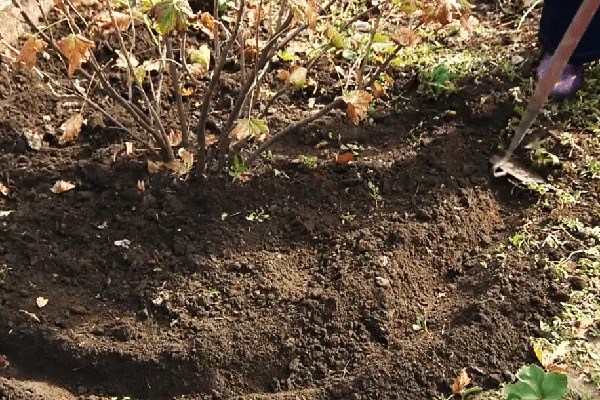
Prepare the selected site on your property for planting red currants in the fall. Follow these steps:
- plowing the land (cultivation depth - 20-22 cm);
- removal of weeds, removal of plant residues from the site;
- adding lime during digging, using 0.3-0.6 kg per 1 sq. m, if the soil is acidic;
- Enriching the soil with fertilizers: 2-4 kg of humus or compost per 1 sq. m, 100-150 g of superphosphate, 20-30 g of potassium sulfate (if the soil in your garden is fertile, fertilizing it is not necessary).
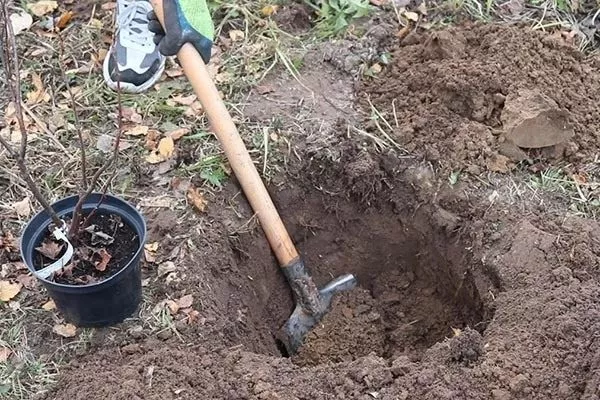
Fourteen days before the planned planting date, dig a hole in the area. Make it 70 x 70 x 70 cm. Line the bottom with pebbles, expanded clay, or fine crushed rock. Top with dry straw or hay. You can also add manure if desired.
Combine the excavated soil with humus or compost, wood ash, and superphosphate. Partially fill the hole with it. Water it generously. If you do this, the currant bush won't need fertilizing for 2-3 years after planting.
Selection of seedlings
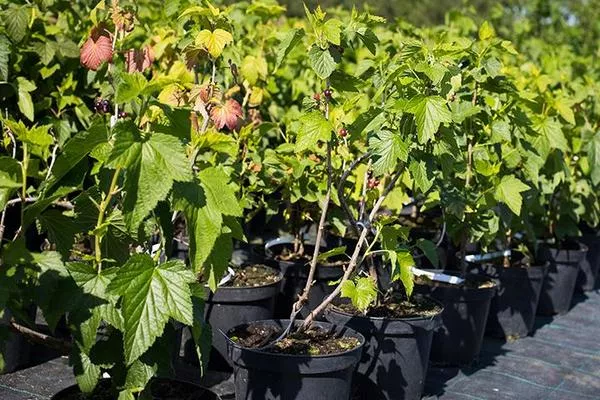
Buy a Jonker Van Tets seedling from a nursery, which has the following characteristics:
- one- or two-year-old;
- with branched roots that are not damaged;
- with a smooth barrel without defects (spots, dents, etc.);
- with several shoots;
- having live buds, elastic, holding well to the shoot.
The day before planting, soak the roots of the seedling in an Epin solution or clean water for 6 hours.
Planting technology
Two weeks after preparing the planting hole, once the soil has settled, get started. Plant the Dutch red currant bush, following these step-by-step instructions:
- Place it in the center of the hole. Position the seedling at an angle to encourage root formation and shoot growth.
- Carefully straighten the roots.
- Cover them with soil, making sure the neck is buried 5-10 cm deep.
- Lightly compact the soil under the bush.
- Water the berry crop. Use 3 liters of lukewarm, settled water per plant.
The next day, loosen the soil under the seedlings. Mulch it with peat (10 cm thick) to prevent rapid moisture evaporation.
If you plan to plant several redcurrant bushes, maintain a distance of 1 m between them. Leave at least 1.5 m of free space between rows.
Care instructions
Carry out standard agricultural practices for your berry crops to ensure they yield abundant harvests and remain healthy. Pay special attention to watering, fertilizing, and timely pruning.
Watering
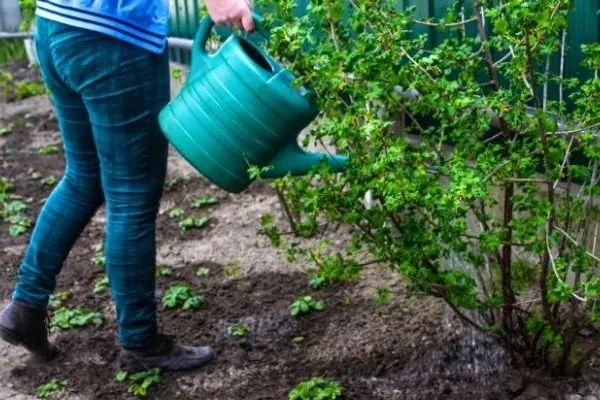
The first soil moistening under the currant bush should be done 5-7 days after planting. For the next 3 weeks, water the plant twice a week. It experiences increased watering needs in early June and August. The rest of the year, it requires less frequent and moderate watering.
Red currant roots are strong and can survive for long periods without moisture. However, allowing the soil beneath it to dry out for extended periods is undesirable. This can lead to complications:
- inhibition of growth and development of the bush;
- a decline in its productivity;
- a decrease in the quality of berries.
When watering Jonker van Tets, do not apply water directly to the roots, but rather into a trench dug 35 cm from the plant. Avoid watering completely during periods of prolonged rainfall. Overwatering can lead to root rot.
Top dressing
When planting in well-fertilized soil, no additional nutrient application is necessary for the first couple of years. Subsequently, fertilize red currants 3-4 times during the season:
- in the spring, during the period of active growth of shoots, water it with a mixture of liquid organic fertilizer with urea (15 g per 10 l, the specified amount will be enough to feed 1 bush);
- after 2 weeks, fertilize the plantings with organic matter enriched with Superphosphate (40 g per 10 l);
- after 21 days, add fertilizer under the roots, consisting of 5 liters of water, 10 g of ammonium nitrate, 10 g of superphosphate, 8 g of potassium sulfate;
- In autumn, use a mineral fertilizer with a high content of phosphorus and potassium.
Trimming
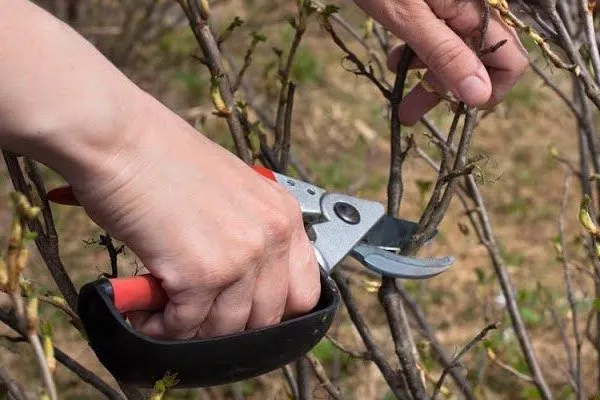
Jonker Van Tets currants require regular pruning to ensure optimal fruiting. Initially, prune the shoots by two-thirds when planting. Then, repeat the procedure several times throughout the season:
- In the spring, remove frozen, dry, damaged branches from plants, as well as those that show signs of disease;
- In the fall, after picking the berries, cut off trunks older than 5 years to the stump.
Shelter for the winter
The variety is considered frost-resistant, but young seedlings and plants growing in regions with cold climates require high-quality insulation for the winter.
Mulch the root zone generously and cover the bush with a special material or burlap. It's a good idea to cover it with spruce branches. Tie the branches together before insulating. Secure the cover securely to prevent it from being blown away by the wind.
Harvesting and storage
Fully ripened currants will have a sweet, slightly tart flavor. If picked prematurely, they will be more sour. Their flavor will not improve during storage. Begin harvesting the berries when they show signs of:
- characteristic color (deep red);
- they have a high sugar content and moderate acidity.
Harvest Jonker Van Tets by hand. Avoid damaging the skins of the currants. This will ensure good shelf life and transportability.
To ensure the best preservation of fruit, keep it in the refrigerator. It will keep for a long time and will not spoil if you provide it with the following conditions:
- temperature — +2ºC;
- air humidity - 90-95%.
Reproduction of shrubs
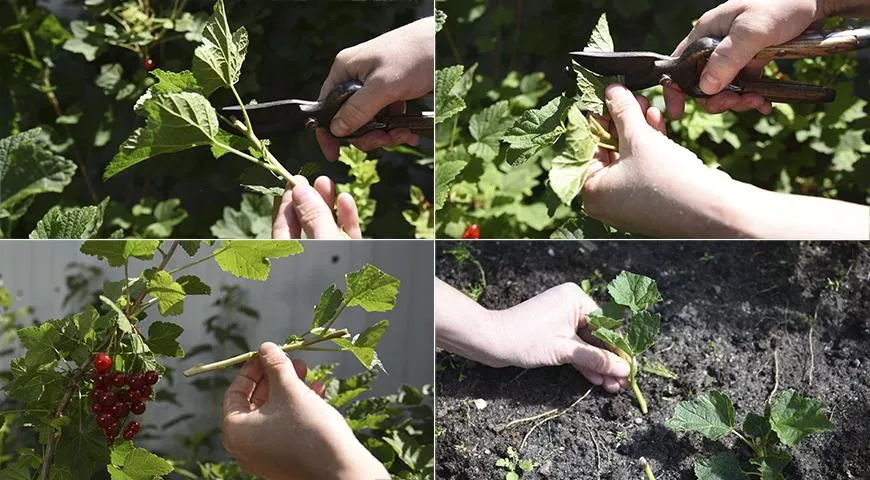
If you want to grow new Jonker Van Tets currant plants, propagate them. Use one of the following methods:
- By dividing the bushDig up the overgrown bush and carefully divide it into 2-4 pieces. Plant each piece as a new plant in a permanent location in your garden.
- LayeringIn the spring, bury the shoots growing at the bottom of the bush. By fall, they will have roots. The following year, you can separate them from the mother plant and plant them in your garden.
- Lignified cuttingsIn the fall, prune one-year-old shoots that grow from the root or appear on two- or three-year-old branches. They should be 8-10 mm thick and 18-20 cm long.
Place them in moist soil or sand to encourage rooting. Keep the cuttings at 2–3°C for 45–60 days. Then place the cuttings in a box and place them in a snow bank until spring. Then plant them under plastic sheeting.
Transplantation methods
The plant produces a good harvest when grown in the same place for 10–15 years. During this time, the soil beneath it gradually becomes depleted. Subsequently, the plant begins to lack nutrients, even with regular fertilization. As a result, gardeners encounter complications:
- the berries become smaller;
- fruiting becomes scarce;
- The bushes often get sick and develop poorly.
Repotting in a new location in a timely manner can help avoid problems. This procedure will invigorate the shrub and give it vitality. Perform it in the spring after the snow melts and before the buds swell, at the following times:
- in March - in warm climates (southern regions);
- in April - in the Central Belt;
- in May - in cold regions.
In extreme cases, replanting a red currant bush in the summer, after harvesting, is acceptable. Experienced gardeners rarely do this, as it puts the plant under significant stress and makes it difficult to establish itself in a new location.
You can also transplant berry plants in the fall. The bush will signal its readiness by shedding its leaves completely. This should be done 3-4 weeks before the onset of sustained frost, within the following timeframes:
- in October-November - in the southern regions;
- from mid-September to mid-October - in the Central Belt;
- in September - in the northern regions.
Carry out the transplant following the step-by-step instructions:
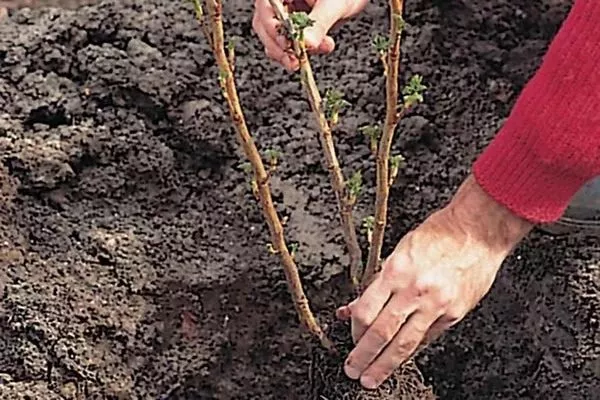
- Dig a planting hole. Its depth should be 45–55 cm, and its diameter should be 10–15 cm larger than the root ball.
- Fill the hole 1/2 full with compost or rotted manure, add superphosphate (150 g), potassium sulfate (50 g), wood ash (100 g).
- Plant the plant, ensuring that its root collar is level with the soil surface.
- Water the bush generously. Use 10–12 liters of water.
You can carry out the transplant by combining the procedure with the previously described methods of currant propagation (cuttings, layering, dividing the bush).
Diseases and pests
Jonker van Tets's 'Dutchman' is resistant to major crop diseases and pests. Its bushes are rarely affected by powdery mildew, anthracnose, and bud mite. Their disease resistance decreases with improper care or adverse weather conditions.
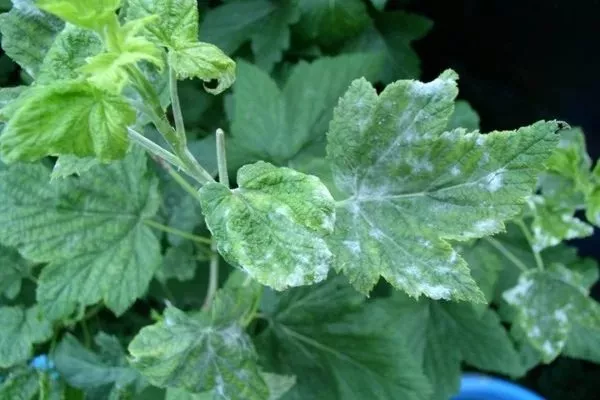
Powdery mildew
A fungal infection is indicated by the appearance of a thick, white coating on the bush's green foliage. Affected plants experience stunted growth, twisted shoots, and leaf drop. Treat these by:
- cutting off all shoots covered with a whitish coating from the bush;
- treating the planting with a solution of iron sulfate, Fitosporin-M.
Goblet rust
Fungal infection affects the flowers, ovaries, and foliage of red currants. Its first symptoms appear in the spring. The infection manifests itself with the following signs:
- yellow-brown blurry spots form on the upper surface of the leaf;
- Orange growths form on the underside of the leaf blade.
If the disease is not treated, the leaves on the infected plant begin to turn yellow and fall off, and the berries become covered with a whitish coating and fall off.
To solve the problem, take the following steps:
- use effective medications such as Oxyhom, Topaz, Thiovit Jet;
- dig up the soil under the bush;
- treat it with a solution of copper sulfate;
- collect plant debris;
- burn them outside the garden area.
Kidney mite
The insect penetrates the buds on the bush, causing them to fail to open and dry out in the spring. The parasite also transmits the terry leaf disease.
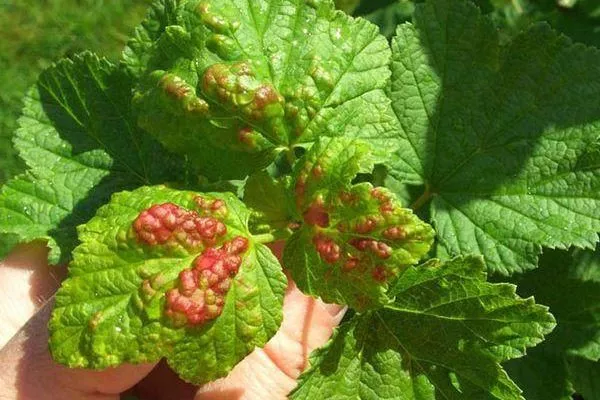
Leaf gall midge
The pest resembles a mosquito. It lays eggs in cracks in the bark or in undeveloped leaves. Affected plants develop red spots on the green surface.
Fight the parasite by doing the following:
- cut off the bushes affected by it;
- collect all cut shoots, take them outside the garden and burn them;
- Treat the planting with Bordeaux mixture.
Currant glasshouse
This insidious pest resembles a butterfly with translucent wings, reminiscent of a wasp. Its presence is difficult for gardeners to detect. The parasite's eggs are dark brown and invisible against the bark.
After pupation, the parasite gnaws holes in the shoot and burrows inside. Use various methods to control it:
- after flowering, when the berries are setting, spray the planting with calendula tincture, wormwood, pine or garlic infusion, or onion broth;
- set up traps - small containers with currant jam (the butterflies become disoriented, lay eggs in the trap, stick to the bait and remain inside);
- If the bush is heavily infested, spray it with insecticide.
For preventative purposes, periodically cut off old branches and treat currant plantings with biological preparations.
Pros and cons
This Dutch variety has gained popularity among Russian gardeners due to its many positive characteristics. However, it also has some negative qualities.
Reviews
Jonker Van Tets is a Dutch red currant variety popular with Russian gardeners. It is prized for its large fruits, disease and pest resistance, sweet flavor, and marketable appearance. Strict adherence to proper cultivation practices is essential to ensure a bountiful harvest.