
Vologda is a popular blackcurrant variety renowned for its excellent flavor and disease resistance. It attracts gardeners not only for its bountiful harvest but also for its low maintenance, making it an excellent choice for both private gardens and summer cottages. The key is to follow standard agricultural practices.
History of selection
Developed by V. M. Litvinova and A. N. Zarubin at the All-Russian Scientific Research Institute of Horticulture and Vegetable Breeding (VSTISP), this variety was bred from the Breedtorp and Compact varieties. It was included in the Register of Breeding Achievements of Russia in 1995 and is recommended for cultivation in most regions of the country.
Characteristic features
Black currant Vologda is highly adaptable to various climatic conditions and tolerates winter frosts well.
The variety has a strong immune system and therefore rarely suffers from diseases and insect attacks.
Appearance of the bush
The plants are characterized by vigorous growth and a moderately spreading habit. Healthy, well-maintained bushes can reach a height of up to 150 cm.
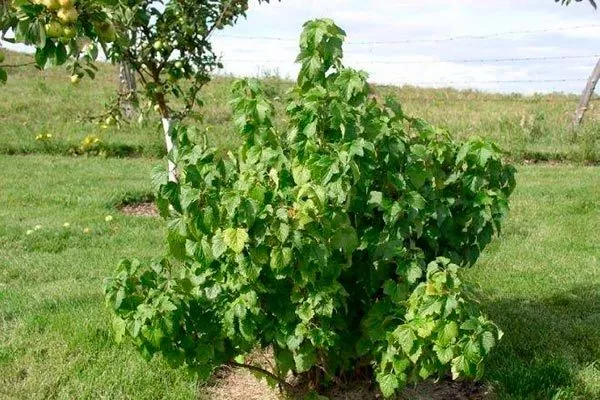
Distinguishing features:
- Escapes – medium-sized, thick and slightly curved, with a characteristic light green color and a matte surface, without pubescence.
- Leaves - Five-lobed, rounded, green with a possible bluish-gray tint. The surface is matte, slightly wrinkled, and has a leathery texture.
- Flowers – medium sized, pale, cup-shaped.
The plants produce elongated clusters with a sinuous axis of medium density. The clusters are typically 8-10 cm long, and each can contain up to 10 aromatic berries.
Berries and their taste qualities
The fruits are distinctively black and large, weighing between 1.9 and 3 g. They are round-oval in shape, with a medium-thick skin. The flavor is balanced, sweet and sour, and very pleasant. Sugar content is 8.1%, acidity 2.7%, and vitamin C 138 mg per 100 g.
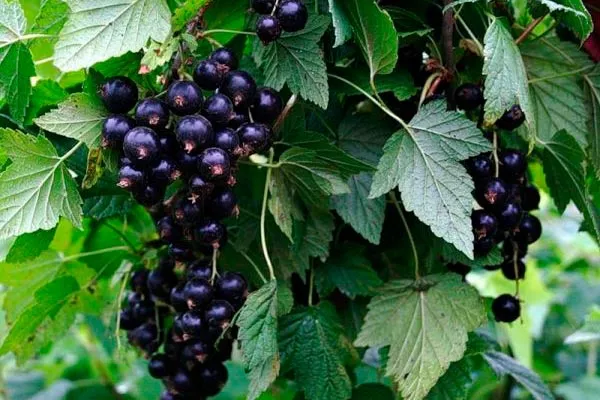
The berries are picked dry, and their interiors contain a small number of seeds. Tasting score: 4.5 points.
The fruits have a universal purpose: they are ideal for both fresh consumption and various types of processing.
Resistance to drought and frost
This variety is highly frost-resistant (down to -34°C), but sudden temperature fluctuations can cause young shoots to freeze. Therefore, remove such branches during spring pruning. In regions with harsh climates, additionally cover young seedlings for the winter.
The crop is not very drought-resistant and without regular watering, yields may decrease.
Productivity and fruiting
It's a moderately productive variety. In the most productive years, a well-maintained bush can yield up to 4-4.5 kg of berries, with the average yield being around 3.7 kg.
Ripe fruits don't fall off until the first days of September, remain large, and don't crack. The skin is thick, which ensures good shelf life and transportability.
Flowering begins in early July, and the berries fully ripen by the end of the month. Peak fruiting occurs in the first half of August.
Self-fertility and the need for pollinators
The Vologda variety is self-fertile, but to increase yield it is recommended to use pollinators.
Scope of application
The berries are eaten fresh, including with sugar. They are used to make various preserves, such as:
- jam;
- jam;
- fruit drink.
The fruits retain their shape and can be stored in the refrigerator for several weeks and transported over long distances.
The pros and cons of Vologda
Currants have many advantages. They are an easy-to-grow variety that consistently produces moderate yields. The bushes adapt well to various climates and require little maintenance.
The variety has few drawbacks. These include the large bush size, which isn't always justified by the yield, and the uneven ripening of the berries, which makes harvesting difficult.
Features of cultivation
The Vologda blackcurrant is undemanding and can grow even in poor soils, but it doesn't tolerate rocky or marshy areas or permanent shade. It's important to follow certain guidelines.
- ✓ The soil pH level should be between 5.5-6.5 for optimal currant growth.
- ✓ The depth of groundwater should not exceed 1.5 meters to avoid root rot.
Place
The plant prefers low-lying areas with high humidity, but it's important to have a well-lit and wind-protected area. Ideal locations include along a fence.
Planting dates
Carry out this procedure in the fall, after the leaves have fallen, from late September to late October, a month before the onset of sustained frost. Currant roots don't have a dormant period, so they have time to establish themselves over the winter and begin active growth in the spring.
Preparing the garden bed
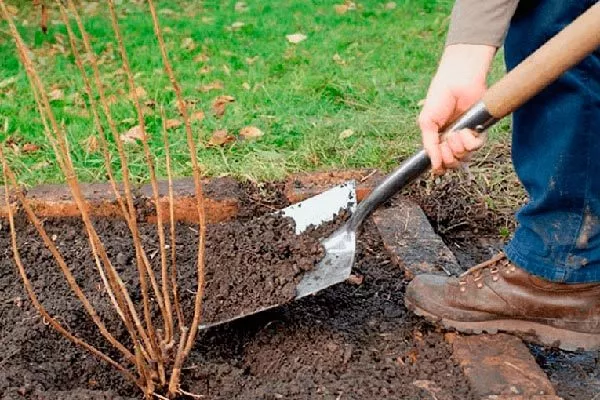
Clear the area of weeds, rocks, and other obstacles. Dig the soil to a depth of 20-30 cm to improve the soil structure and provide air access to the roots.
Follow these recommendations:
- Currants prefer slightly acidic soil. If necessary, add peat, well-rotted compost, or humus. This will improve soil fertility and structure. Add potassium and phosphorus fertilizers to improve growth.
- Make beds about 1 m wide. If the soil in your region is heavy or poorly drained, raise the beds (about 20-30 cm high) to improve water drainage and provide better aeration.
- Thoroughly dig the planting area, clearing it of weeds and debris. Currants don't tolerate highly acidic soil, so if you have it, add lime at a rate of 0.5-0.8 kg per square meter during digging.
- Dig a hole or trench 35-40 cm deep and 50-60 cm in diameter. Add 5 kg of compost, 5 kg of rotted manure, or 150-200 g of superphosphate, 30-50 g of potassium sulfate, or 40 g of phosphorus and 20 g of potassium to the bottom. Water the hole generously.
This preparation will help create optimal conditions for currant growth and ensure a good harvest in the future.
Selection of seedlings
Choose two-year-old plants. When purchasing, pay attention to the root system, which should include 2-3 woody, brown-yellow roots and numerous thin, thread-like rootlets. The roots should be at least 15 cm long.
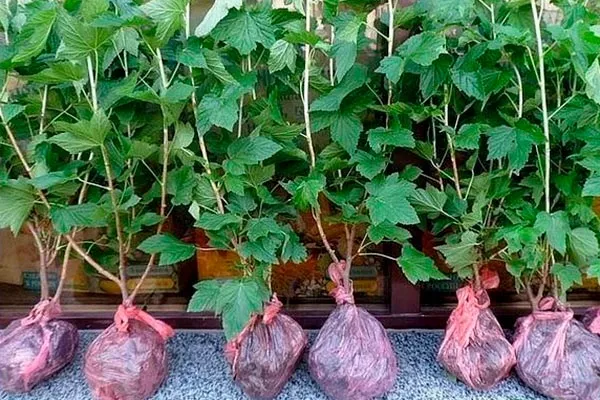
- ✓ Presence of live, white roots on the cut of the main root.
- ✓ No mechanical damage to the bark of the shoots.
If the roots are too dark, this may indicate frost or excessive drying, which will negatively impact the plant's health. If the seedling is sold in a pot, be sure to remove it and inspect the roots. If the root ball is tightly bound and does not disintegrate, the plant will easily adapt to the new conditions.
The top of the planting material should have 1-2 brown shoots at least 35 cm long. A healthy specimen shows no signs of wilting, and there are no spots on the leaves or buds.
The landing process
To ensure successful growth and a bountiful harvest of blackcurrants, it's important to follow several important planting guidelines. Here's a step-by-step guide:
- Place the seedling at a 45° angle and gently spread the roots. This angle encourages the plant to develop a strong bush.
- Fill the hole with soil and compact it thoroughly.
- Pour about 40 liters of water under the plant.
- Prune by removing half of the shoots, or a third if the root system is strong. This will stimulate vigorous growth in the first year.
- Form a hole around the seedling and mulch it with sawdust, peat or dry grass.
Nuances of caring for the variety
For the crop to thrive, proper care is essential. This will ensure a bountiful harvest and large fruits.
Top dressing
Blackcurrants require regular fertilization for normal growth and increased productivity. Without fertilization, bushes may grow stunted, and the berries will become smaller and less tasty.
Fertilizer added at planting provides the plant with nutrients for the first two years. From the third year onward, regular feeding is required:
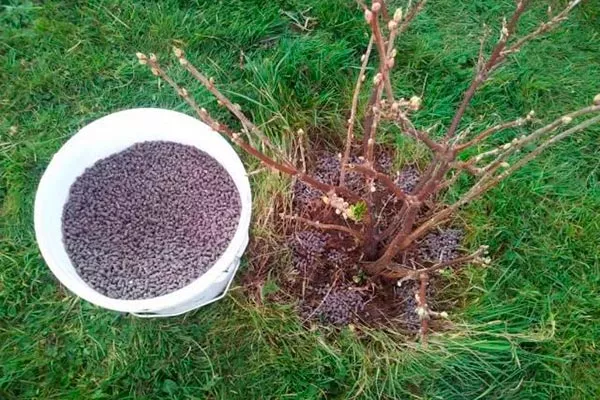
- In autumn, after the leaves have fallen, Apply organic fertilizer—2-3 kg per square meter—while digging the soil under the bushes. Apply mineral fertilizers in the fall: add 30 g of nitrogen, 15 g of potassium, and 30 g of phosphorus per square meter.
- After flowering, when the ovaries are formed, Feed currants with phosphorus-potassium substances: dissolve 10 g of potassium sulfate and 40 g of superphosphate in water, then moisten the seedlings.
Apply nitrogen fertilizers, such as urea (40 g per bush), three times a year: in early spring, during flowering, and after harvesting, when buds for the following year are formed (in August or September).
Watering
In early spring, give the plants a hot shower: pour water heated to 70°C (168°F) over the plants, adding baking soda (250 g per 10 liters). This will help get rid of overwintering pests. For active growth and development, the plants require regular and abundant watering. The frequency of watering depends on the soil condition and air temperature.
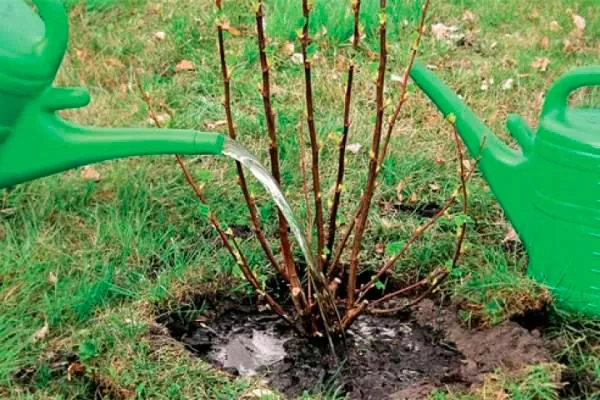
Water the seedlings infrequently, but generously, so that the water penetrates to a depth of 40 cm, using 40-60 liters of water per bush. Perform this procedure during the following periods:
- early spring;
- during the flowering period;
- during drought;
- after the leaves have fallen.
Make furrows up to 10 cm deep around the seedlings to ensure uniform absorption of moisture in the root zone.
To prevent clogging of the "receptacle," frame it with a metal ring or boards. This allows water to reach the lower roots more quickly, while maintaining mulch and loosening the soil. Cover it with leaves or grass for the winter.
Soil cultivation
Regularly weed and loosen the soil around the bushes. Then, sprinkle it with wood ash or dry fertilizer.
Use compost as mulch to prevent moisture evaporation, soil compaction and weed growth.
Shelter for the winter
Protect plants from freezing temperatures, especially in regions with cold winters. Currants, although frost-resistant, can be damaged in young plantings and by sudden temperature fluctuations.
Follow these recommendations:
- A few weeks before the onset of cold weather, prune the tree, removing all old, diseased, and damaged branches. This will improve air circulation and reduce the risk of disease.
- Mulch the area around the bush with a layer of organic material—compost, peat, or tree bark. This will help retain moisture in the soil, protect the root system from frost, and improve the soil structure.
- Carefully bend young, flexible branches to the ground and secure them with wire or special staples, then cover them with a thick layer of agrofibre or spunbond. The material should be breathable but protect against severe frost.
- Wrap mature bushes, especially in regions with severe frosts, with agrofibre, creating an air cushion around the plant, or stretch a film over them.
- To prevent condensation and mold growth, ensure adequate ventilation during warmer months. Open the shelter slightly when the temperature stabilizes and the snow completely covers the ground.
Proper shelter will help the Vologda currant survive the winter without losses and ensure good growth and fruiting in the following season.
Trimming
Perform the first pruning immediately after planting. By autumn, the bush should have five shoots about 45 cm long. New shoots will appear the following year, and weak branches should be removed.
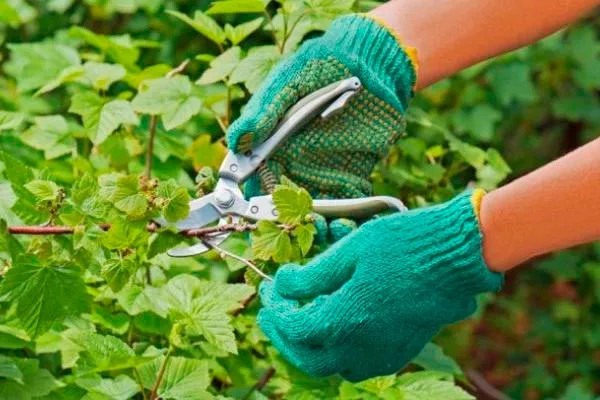
In the third year, shoots from the previous year begin to bear fruit, and older branches also produce fruit, but trim them back in the fall. Repeat this process annually thereafter. A mature bush should have 10-15 fruiting shoots.
Diseases and pests
The crop is resistant to some fungal diseases, including anthracnose and powdery mildew. However, the plant can suffer from various diseases and pests, so carry out preventative treatments in mid-spring:
| Disease/Pest | Symptoms | Processing period | Control measures | Prevention |
| Anthracnose | Small brown spots appear on the leaves, merging and changing their color. They dry up and fall off. | Before the buds open. | Treat with 1% Bordeaux mixture (100 g per 10 l of water), copper sulfate (100 g per 10 l of water). | Observe crop rotation, dig up the soil in the fall, and remove plant debris. |
| Goblet rust | Leaves, flowers and ovaries are covered with yellow pads. | The period of leaf blossoming, bud formation, after flowering. | Spray with 1% Bordeaux mixture (100 g per 10 liters of water). If the infestation is severe, repeat after 10 days. Use fungicides (Previkur, Skor, Fitosporin-M, Topaz). | Remove affected plant parts, trim and destroy infected leaves and shoots. |
| Powdery mildew | A white coating resembling a spider web forms on the leaves. | In spring before buds open. | Spray with a 2% nitrafen solution. Ash infusion (1.5 kg of ash per 10 liters of water, let sit for 24 hours, then add 50 g of soap). Apply to the bushes in dry, windless weather. | Remove diseased parts of plants, carry out preventive measures after rains. |
| Terry | The leaves stretch out and take on an asymmetrical shape, and the bush loses its aroma. | After picking the berries. | Spray with colloidal sulfur solution. | Timely application of potassium-phosphorus fertilizers, regular pruning and removal of diseased branches. |
| Kidney mite | The buds swell, which is especially noticeable after the leaves fall. | Before the buds open. | Trim and burn affected buds or branches. If the infestation is severe, destroy the plant completely. | Timely pruning, weeding and treatment of bushes with insecticides in early spring. |
| Firefly | The berries are damaged and covered with cobwebs. | Before flowering, after it. | Karbofos (5 g per 10 liters of water) is effective. Pick and burn damaged berries. Dig over the soil after leaf fall. In the spring, use Iskra Bio. | Thin out the bushes, trim old and diseased branches. Use insecticides. |
| Glass-box | Damages leaves, flowers and berries. | After bud break. | Treat with solutions of onion peel, pine needles or wormwood. | Place the branches in the center of the bushes, remove old stems and branches. |
Methods of reproduction
You can increase the number of seedlings yourself at home. The Vologda variety can be propagated using several methods:
- By layering. In late spring, bend the shoots to the ground, bury them, leaving only the tips, and water and fertilize them periodically 2-3 times. In the fall, separate the shoots from the mother plant and transplant them to their permanent location, then water and mulch for the winter.
- By dividing the bush. Begin this process in early spring (March or April), before the sap begins to actively flow. Dig up the mature plant and use a knife to divide it into several sections, each containing living roots and shoots. Then replant it at its original depth and drain the water. After a few days, apply nitrogen fertilizer and mulch.
- By cuttings. To obtain cuttings, take several young shoots up to 15 cm long at the end of summer. Make the lower cut at an angle. Place the cuttings in a growth stimulant solution: Heteroauxin, Epin, or Zircon.
Repot the cuttings in a 1:1 mixture of damp sand and peat, cover with a jar or plastic wrap, water and ventilate periodically. Mulch for the winter, and in the spring, transplant outdoors and apply nitrogen fertilizer.
Choose the most suitable method for yourself to increase the number of bushes in the garden, thereby increasing the volume of berries.
Collection and storage
Vologda is a mid-season variety. Flowering begins in late spring, and the fruit ripens by mid-summer. The fruit is resistant to mechanical damage, making it suitable for long-distance transport.
At room temperature, berries stay fresh for a few days, after which they become soft and begin to rot. For longer shelf life, freeze, mash with sugar, or dry them.
Reviews
The Vologda currant is a versatile plant that rightfully occupies a place of honor in gardens. Thanks to its excellent qualities, including good productivity, excellent disease resistance, and ease of care, this variety has become a favorite among many gardeners. Maintaining proper growing conditions and caring for the crop will help you reap bountiful harvests.